Translated with AI
































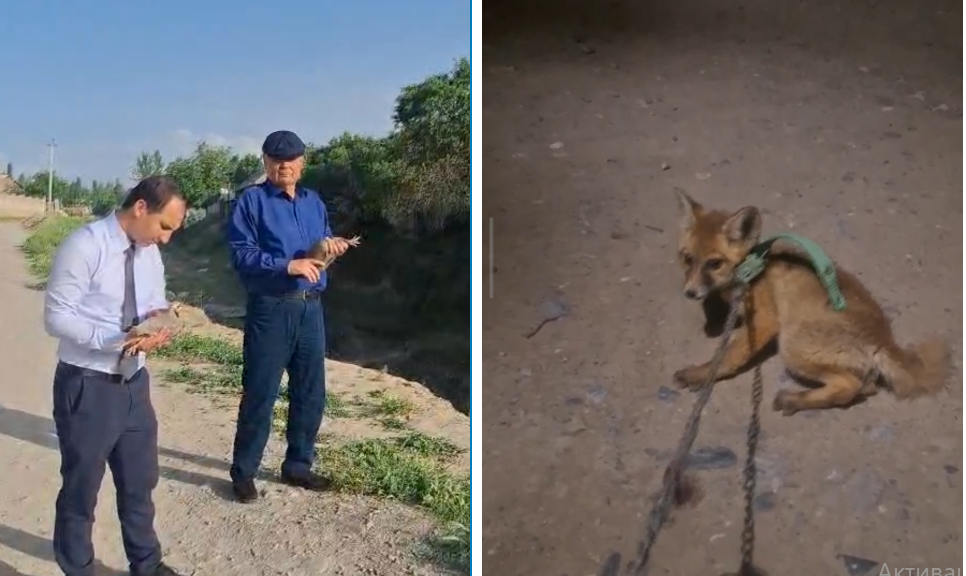
The Committee for Environmental Protection under the Government of the Republic of Tajikistan conducted an investigation into a resident of Istaravshan following the publication of an article in Asia-Plus titled "A Fox Cub on a Chain and a 'Domestic' Eagle Owl. Animal rights activists are demanding an investigation into the Istaravshan resident who posts videos of wild animals," as well as discussions on social media. This was reported by the Committee's press service.
According to the agency, during the inspection, environmental protection officials determined that Istaravshan resident U.U. Akhmedov, who lives in the Poshkent jamoat, had indeed published videos on his social media pages related to the care and treatment of wild animals, including a fox cub and an eagle owl.
According to the man himself, in early April of this year, he discovered a wounded fox cub, which had been attacked by stray dogs, and an eagle owl, which had also been injured. He said the animals were cared for and treated, after which they were released into their natural habitat. The man filmed the animals' care and treatment and posted it on social media.
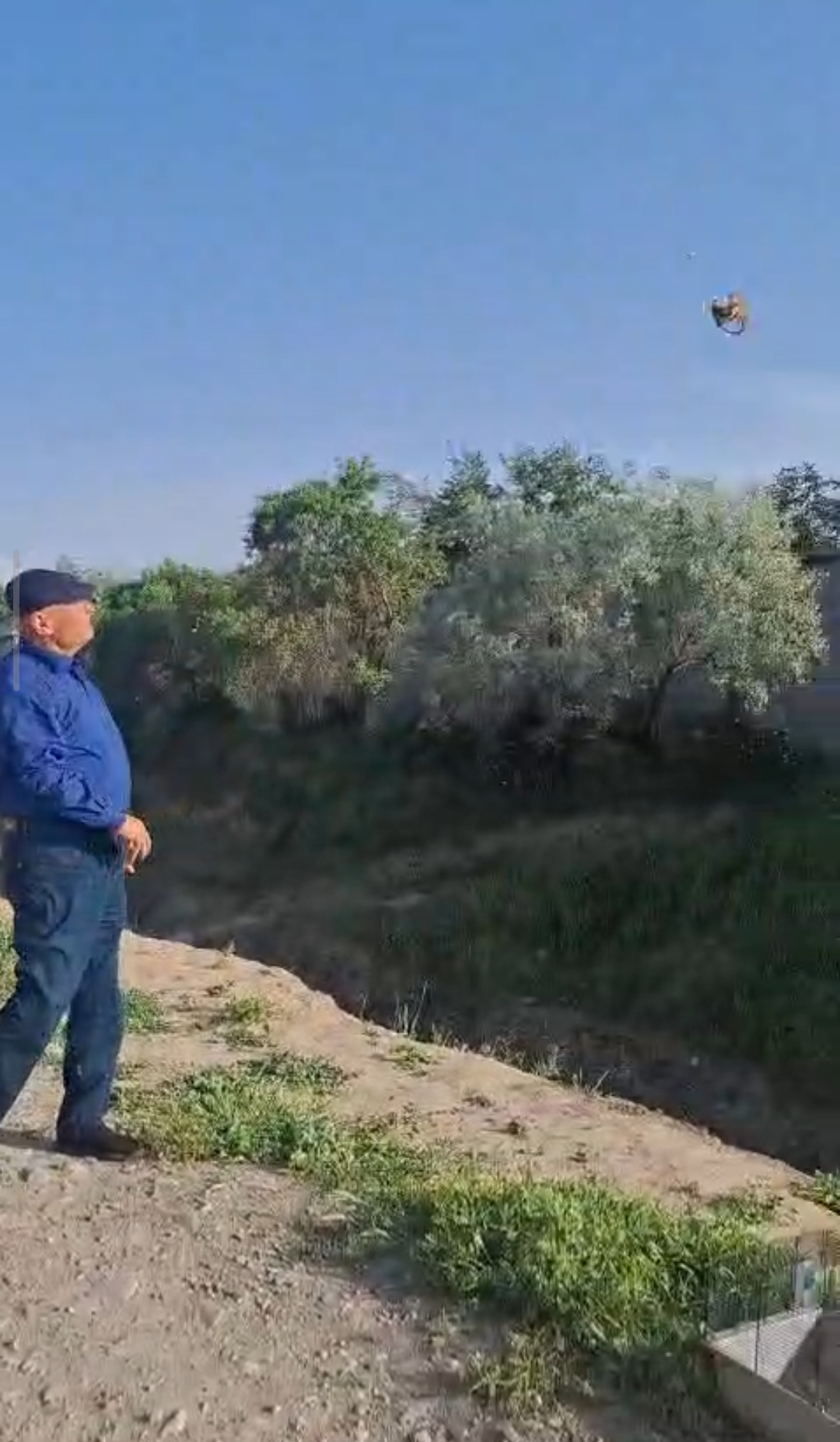
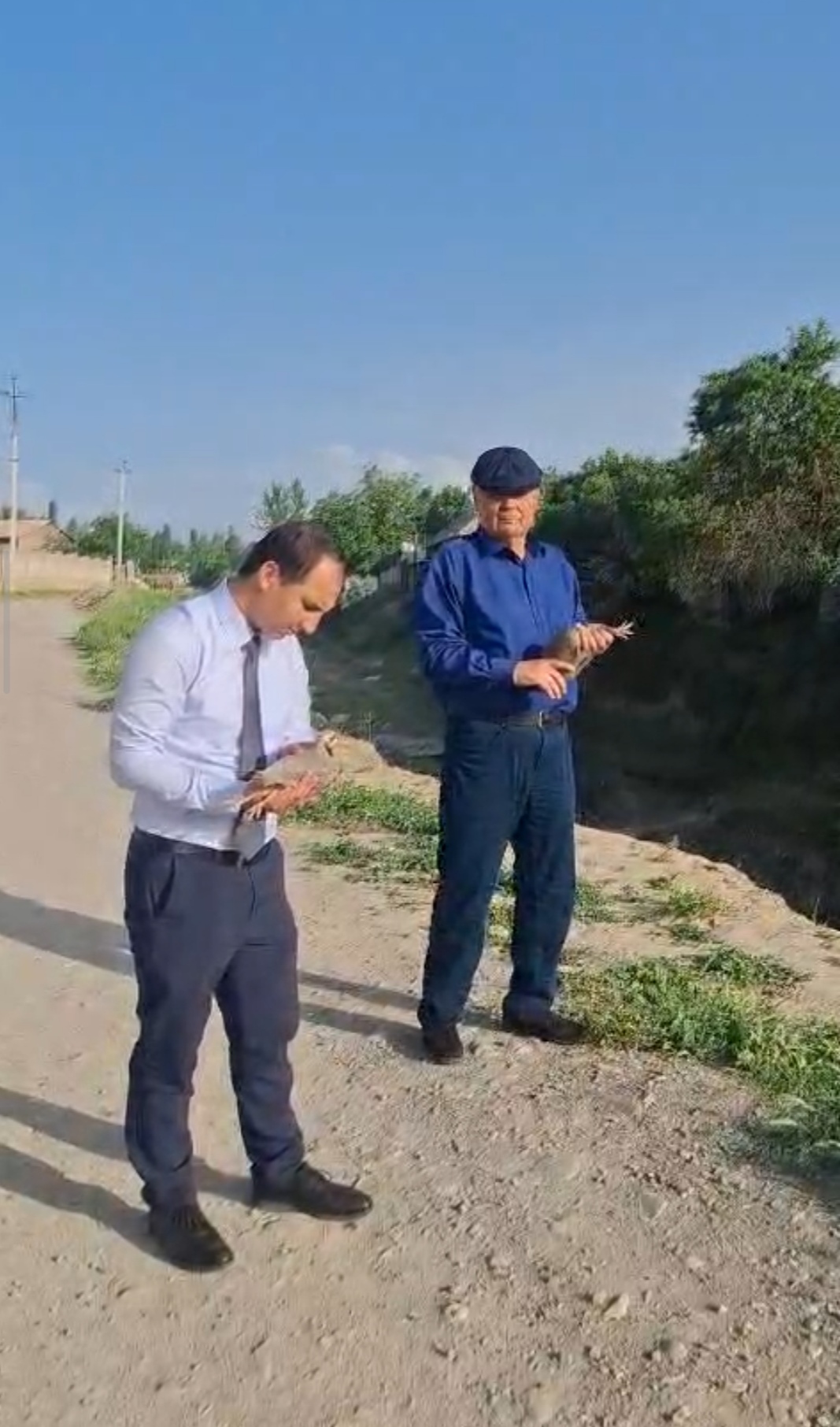
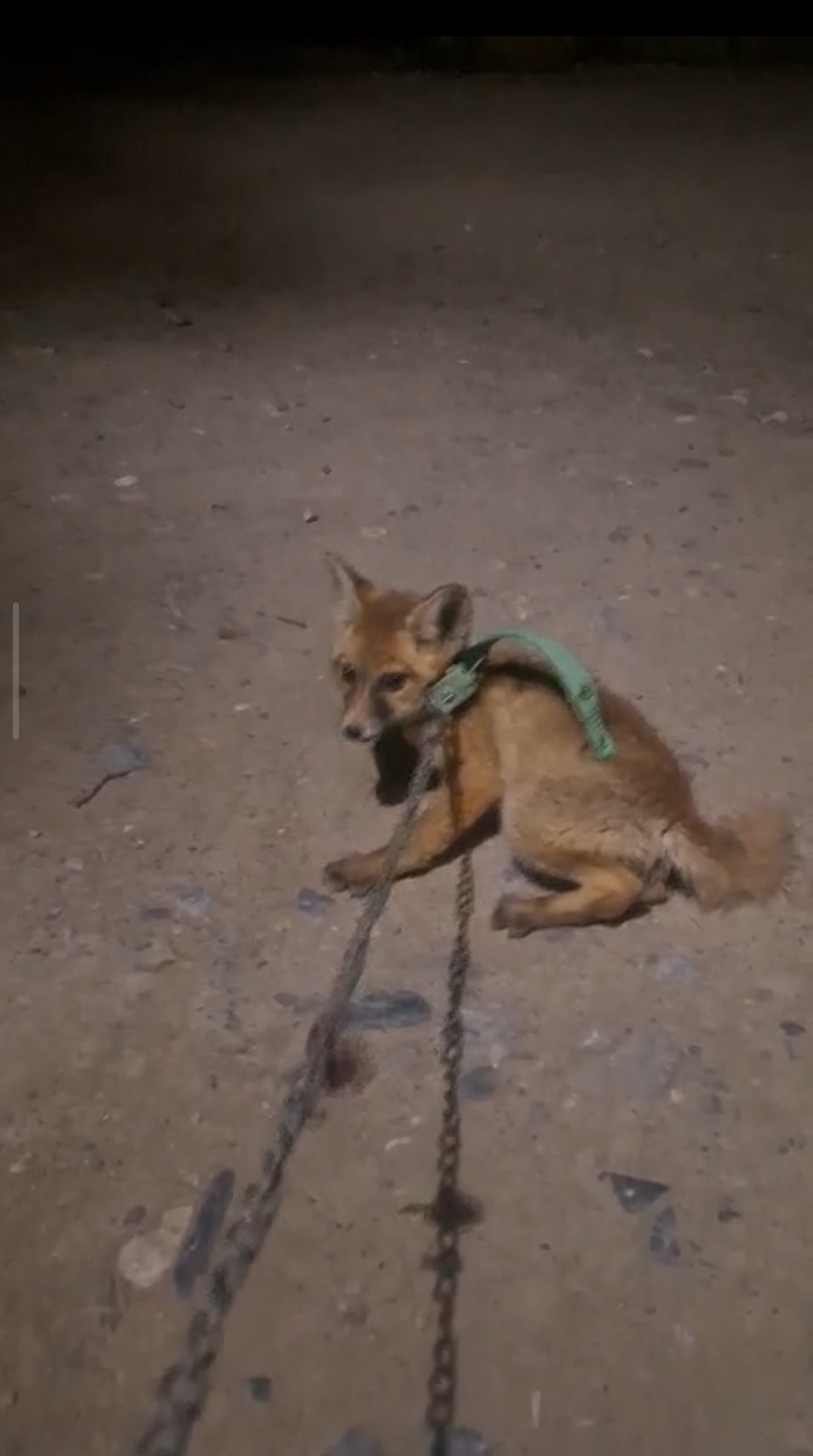
During the inspection, it was also discovered that U.U. Akhmedov, a nature lover, had converted part of his house into a bird nursery. There, he incubates various rare and songbirds. His collection includes song parrots, peacocks, and Romanian, Caucasian, and Korean pheasants.
The Committee noted that, in accordance with the requirements of the Law of the Republic of Tajikistan "On Animal World," these animals were not registered with the state, and supporting documents for them were not presented.
Furthermore, during the inspection, environmental protection officials discovered that two rock partridges were being kept. Consequently, an administrative protocol was filed against the individual under Article 238 of the Code of the Republic of Tajikistan on Administrative Offenses, after which he was held administratively liable. The two rock partridges were later released into their natural habitat.
Environmental protection officials also explained to the Istaravshan resident that keeping, using, buying, selling, and transporting wild animals without the appropriate permits is contrary to Tajik law and may result in administrative and, in some cases, criminal liability.
The Committee emphasized that wildlife protection remains a priority for state environmental policy. The agency stated that any cases of animal cruelty or illegal use are strictly monitored.
In this regard, citizens are urged to refrain from publishing materials on social media that may indicate violations of the law or promote the illegal treatment of wild animals.