Translated with AI















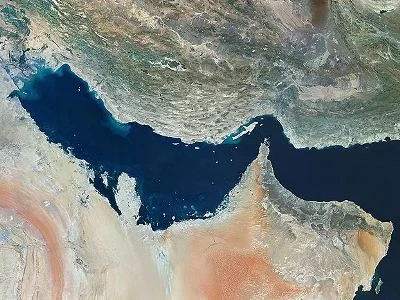
Iranian authorities have announced the full opening of the Strait of Hormuz to all commercial vessels for the duration of the ceasefire between Israel and the Lebanese group Hezbollah.
Iranian Foreign Minister Abbas Araghchi announced that, due to the ceasefire in Lebanon, passage through the strait has been reopened for the remainder of the ceasefire. He stated that merchant ships can now follow the agreed-upon route previously determined by the Ports and Maritime Organization of Iran.
US President Donald Trump welcomed Tehran's decision, declaring that the Strait of Hormuz is open and ready for full shipping. He also emphasized that the US blockade of Iranian ports in the strait will continue until an agreement is reached with Iran.
Trump previously announced a 10-day ceasefire agreement between Israel and Lebanon. He said the truce was reached after talks with Lebanese President Joseph Aoun and Israeli Prime Minister Benjamin Netanyahu and took effect at midnight on April 17. Hezbollah initially did not comment on the ceasefire announcement.
At the same time, on the morning of April 17, the Lebanese army accused Israel of violating the ceasefire, while Israeli authorities reported the continuation of the military operation against Hezbollah.
The temporary ceasefire agreement was preceded by direct talks between Israeli and Lebanese representatives in Washington—the first at this level since 1993. The Lebanese government is not an active party to the current conflict and has stated its desire for de-escalation. US officials have previously indicated that the talks could lead to a comprehensive peace agreement.
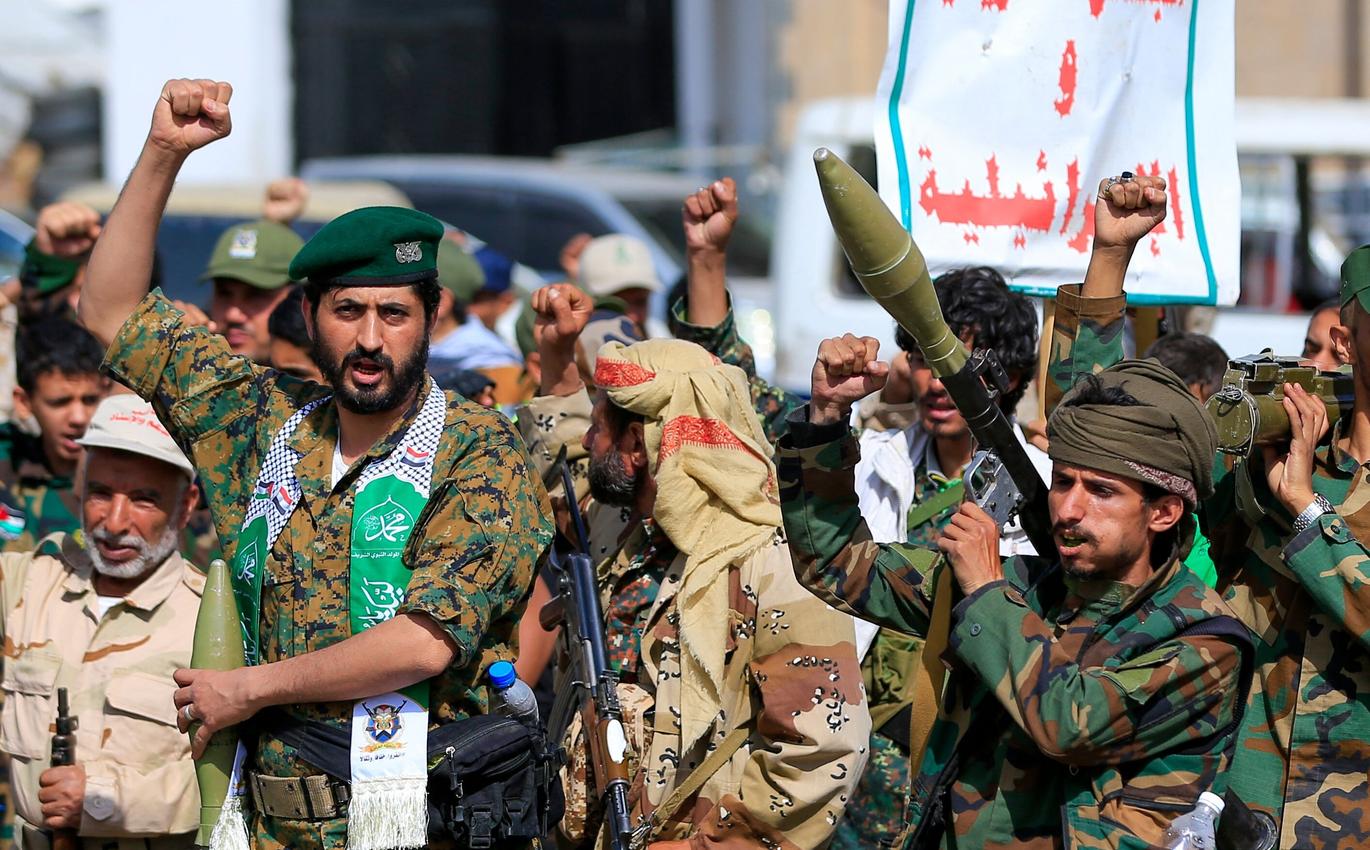
The conflict escalated after the US and Israel launched military action against Iran in late February. Since early March, Hezbollah has resumed rocket attacks on Israeli territory in response to the death of Iranian Supreme Leader Ali Khamenei in US-Israeli airstrikes. The Israeli Air Force responded with massive strikes against targets in Lebanon.
Iran began blocking the Strait of Hormuz with the start of the US-Israeli military operation. This strategic route carries a significant portion of global oil exports, and its closure led to a sharp rise in global prices. In response, the US announced a blockade of Iranian ports in the strait.