Translated with AI






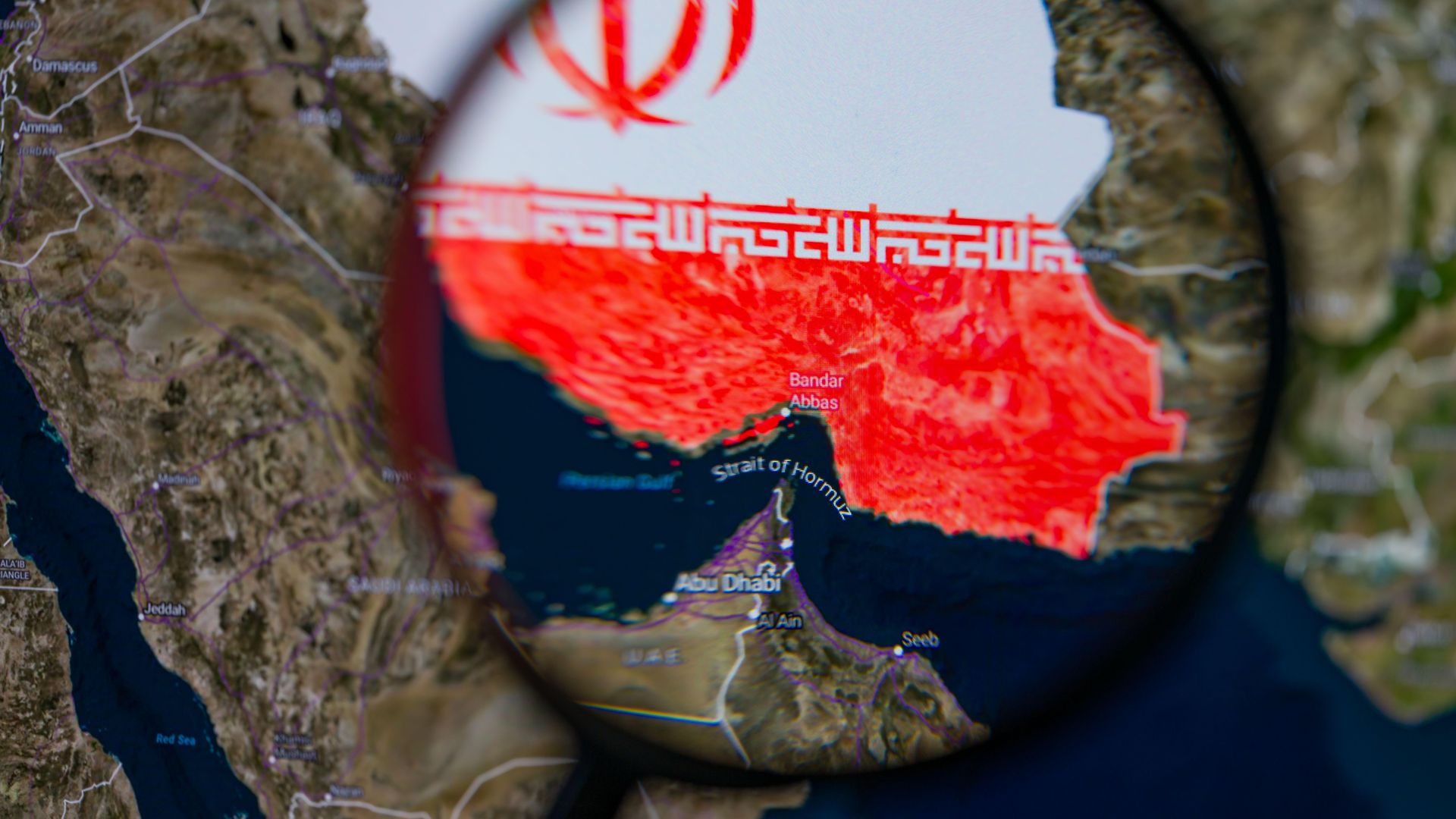















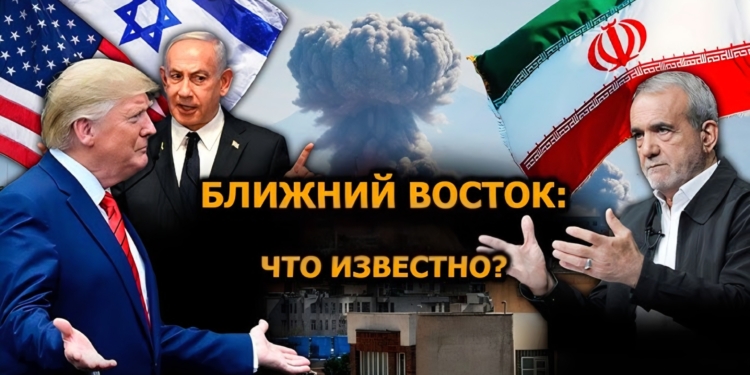
The military conflict between the US, Israel, and Iran is entering its 14th day. On the night of March 13, the two sides exchanged major strikes again, and tensions in the region continue to escalate rapidly. At the same time, the geography of the fighting is expanding: the Israeli army is striking targets in Lebanon, and the US is deploying additional forces to the Middle East.
Strikes on Tehran and explosions in the Iranian capital
At midnight, Israel launched missile strikes on several districts of the Iranian capital. According to Iranian media, a series of powerful explosions were heard in Tehran.
Explosions were reported in various parts of the city—in the east, south, and north. According to the Asriran news website, strikes hit 11 districts of Tehran. These include Levasan in the north, Zaferanieh, the city of Rey, Tehranpars in the east, Perdis, Punek, Marzdaran, Sohreverdi, Dovlet, and Naziabad.
At the time of publication, there were no official statements from Iranian authorities about the targets of the attacks or the consequences of the strikes.
Iran's retaliatory missile strike on Israel
Following the attacks on Tehran, Iran retaliated against northern Israel. According to Israel's Red Star of David emergency services, 59 people were injured in the rocket attack, most of whom suffered minor injuries.
In the village of Zarzir in the north of the country, a 35-year-old woman was moderately injured after a shell fragment hit her in the back.
Following the launch of missiles from Iran, alarms were triggered in northern Israel, and residents were warned to immediately take shelter. According to Israeli media, several residential buildings were damaged in the strikes.
The Israel Defense Forces reported that two intense rocket attacks were launched at the north of the country, approximately half an hour apart.
Iran's biggest attack since the war began
Iranian state television also said the bombing of Israeli territory and American military facilities on the night of March 11 was Iran's largest operation since the beginning of the current escalation of the conflict.
According to television reports, this is the 37th wave of Operation True Promise 4. The attack reportedly lasted at least three hours and was carried out using missiles and drones.
According to the Iranian side, Khorramshahr super-heavy missiles were used during the operation. Targets included a satellite communications center near Tel Aviv and military installations in Haifa and West Jerusalem.
There are also reports of strikes on US military facilities in the region, including US bases in Erbil, Iraq, and in Kuwait.
Israel expands operations in Lebanon
Amid the escalating conflict, Israel is expanding military operations against Hezbollah in Lebanon.
The Israel Defense Forces launched strikes on central and southern Beirut, as well as on the capital's suburbs, where, according to the Israeli side, Hezbollah infrastructure is located.
Among the targets were the campus of the Lebanese University and the office of a financial company linked to the movement.
A drone strike on a university campus killed two employees, according to Lebanon's state news agency NNA.
Lebanon's Ministry of Health also reported five deaths in the city of Aramoun, south of Beirut. Among the dead, according to the ministry, is one child.
In addition, the attack on Ramlet el-Bayda beach in Beirut killed 12 people and injured 28 more.
In total, according to the Lebanese Ministry of Health, on March 12 alone, 56 people were killed and another 188 were injured as a result of Israeli strikes on the country.
The death toll in Lebanon since the attacks began on March 2 has reached 687, including 98 children and 52 women. Nearly 1,800 people have been injured.
Israel does not rule out operations in Lebanon.
Israeli Defense Minister Israel Katz said the country could occupy parts of Lebanon if the country's authorities fail to prevent attacks by Hezbollah.
According to him, Israel warned Lebanon's leadership of the need to take control of the situation on its territory and stop threats to northern Israel.
Katz also said that he and Prime Minister Benjamin Netanyahu instructed the army to prepare to expand operations in Lebanon to ensure the security of the northern regions of the country.
Israeli military officials also called on residents of southern Lebanon to leave their homes due to upcoming fighting.
Israel says it has killed around 350 Hezbollah fighters in Lebanon since early March, including the commander and deputy commander of an Islamic Revolutionary Guard Corps (IRGC) unit operating alongside the movement.
Statements by Donald Trump
US President Donald Trump said the war with Iran will end when he "feels it in his gut."
He said the US was acting "rather softly," but had the capability to carry out devastating strikes against Iran.
Trump also said that American forces are capable of destroying key Iranian infrastructure, including power plants, within one hour.
"We could do things that would be so destructive that they would never be able to recover as a state," he said.
The president noted that his advisers sometimes disagree on strategy, but there are no serious disagreements within the administration.
Disagreements within the US administration
According to Politico, US Vice President J.D. Vance opposed the launch of a military operation against Iran.
The publication's sources report that Vance is skeptical about the operation's prospects for success and expressed concern about the possible consequences of the conflict.
The US is redeploying Marines.
According to The Wall Street Journal, the United States is deploying up to 2,500 Marines to the Middle East.
The Pentagon is reportedly sending a Marine expeditionary unit amid Iranian attacks near the Strait of Hormuz that have disrupted traffic through one of the world's key maritime trade routes.
Possible consequences for the global economy
According to Axios, the conflict between the US and Iran could lead to higher food prices worldwide.
Military action is already disrupting fertilizer and food supplies, which could trigger a new round of global food inflation.
Italy withdraws troops from Iraq
Amid the escalation of the conflict, Italy began withdrawing its military contingent from Iraq.
According to The Wall Street Journal, of the more than 300 Italian troops, about 100 have already returned home, and another 70 or so have been redeployed to Jordan. About 140 troops remain at the Erbil base.
Italian Prime Minister Giorgia Meloni previously stated that the country does not intend to enter the war.
US ammunition stockpiles are rapidly depleting.
The Financial Times reports that since the start of the war with Iran, the US has used up a significant portion of its weapons stockpiles.
According to the newspaper's sources, the US military is actively using Tomahawk cruise missiles and other types of precision weapons.
The Pentagon is preparing a request to Congress for up to $50 billion in additional military funding. In the first six days of the war alone, military operations have cost more than $11 billion.
The beginning of the war and losses
Israel and the United States launched military attacks on Iran on February 28, despite ongoing negotiations between Tehran and Washington.
In response, Iran began striking targets in the region, including facilities in Qatar, the United Arab Emirates, and Bahrain where American military bases are located.
According to Iranian authorities, more than 1,348 people were killed and about 17,000 were injured as a result of the US and Israeli attacks.