Translated with AI







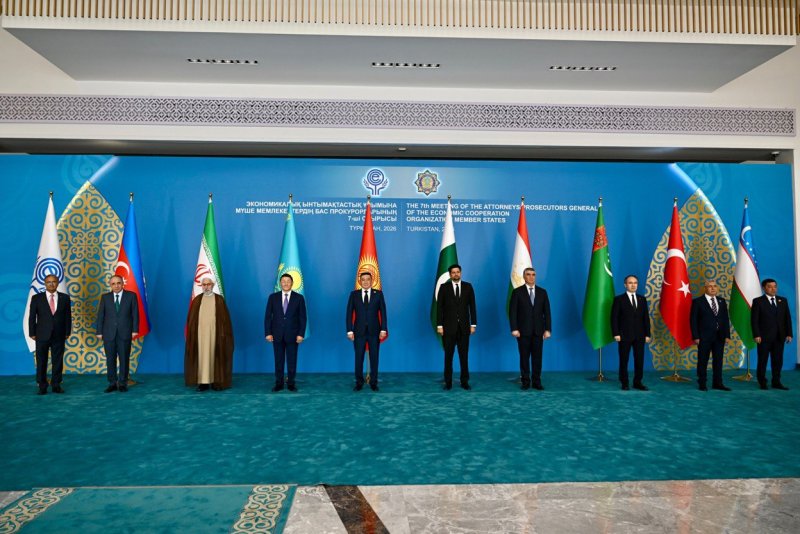























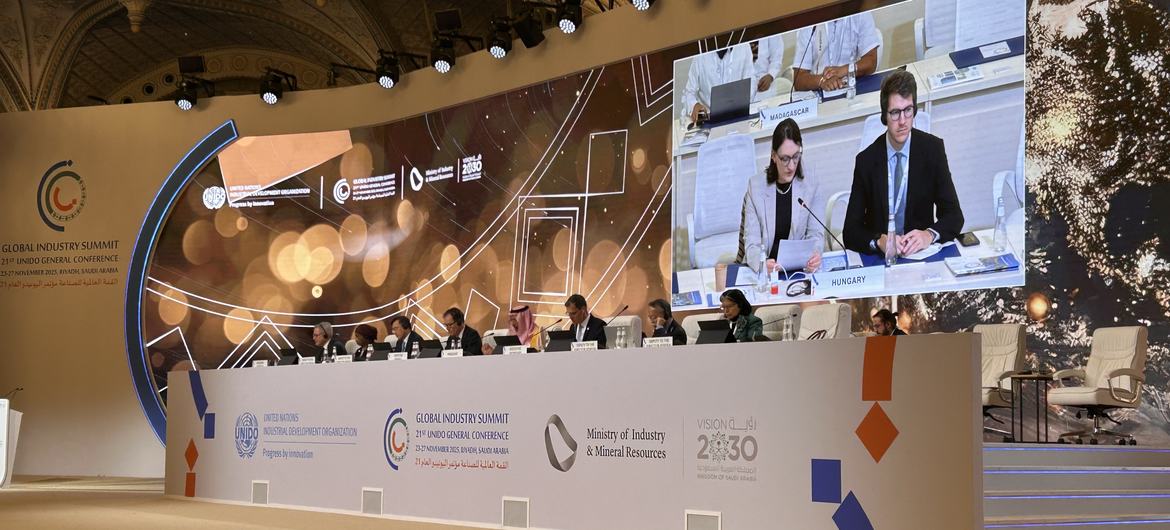
The international community took another step toward making industrial development more environmentally friendly and equitable. On Thursday, the final day of the Global Industrial Summit in Riyadh, Saudi Arabia, the Riyadh Declaration was adopted, according to the United Nations press service.
The world continues to move toward further industrialization, creating opportunities for decent jobs and improving the well-being of millions of people living in poverty. However, for industrial growth to benefit all people and the planet, international trade and industry must develop with a view to reducing emissions.
The United Nations Industrial Development Organization (UNIDO) is striving to change this situation. "We are well aware of the challenges and problems, but we are here to offer solutions," said UNIDO Director General Manuel Mattiat. "With the knowledge we have, the technologies available, and the financial resources available, anything is possible."
The summit discussed a wide range of issues related to industrial development in the Global South, from youth entrepreneurship to women's empowerment in business. Manuel Mattiat emphasized that the conference showcases the expertise and practical solutions UNIDO can offer investors and businesses to help the most vulnerable overcome poverty. "We are here to build bridges," he noted. "Many developed, industrialized countries with resources and a high level of development are ready to invest, but have not yet found suitable entry points. That is why we gathered in Riyadh: to mobilize investment for the least developed countries."
On Thursday, representatives of UNIDO member states—both developed and developing—adopted the Riyadh Declaration. The document calls for strengthened cooperation between governments, businesses, and civil society to ensure that industrialization fosters a green economy, equitable opportunities, and improved living conditions.
The Declaration draws attention to youth issues and women's rights and aims to expand access to skills and employment for all groups. It emphasizes the importance of innovation and digital transformation to enable developing countries to take advantage of new technologies and compete effectively in global markets.
The adoption of the Riyadh Declaration is seen as a turning point in global industrial policy. It lays the foundation for mobilizing resources and achieving tangible results for communities around the world.
The main provisions of the Riyadh Declaration:
Promotes inclusive and sustainable industrial development as an engine for poverty reduction, job creation and resilience.
Calls for sustainable practices consistent with the Paris Agreement and UN climate goals.
Encourages digital transformation and innovation to narrow the technology gap.
Emphasizes the importance of multilateral cooperation in addressing global challenges such as inequality and climate change.