Translated with AI












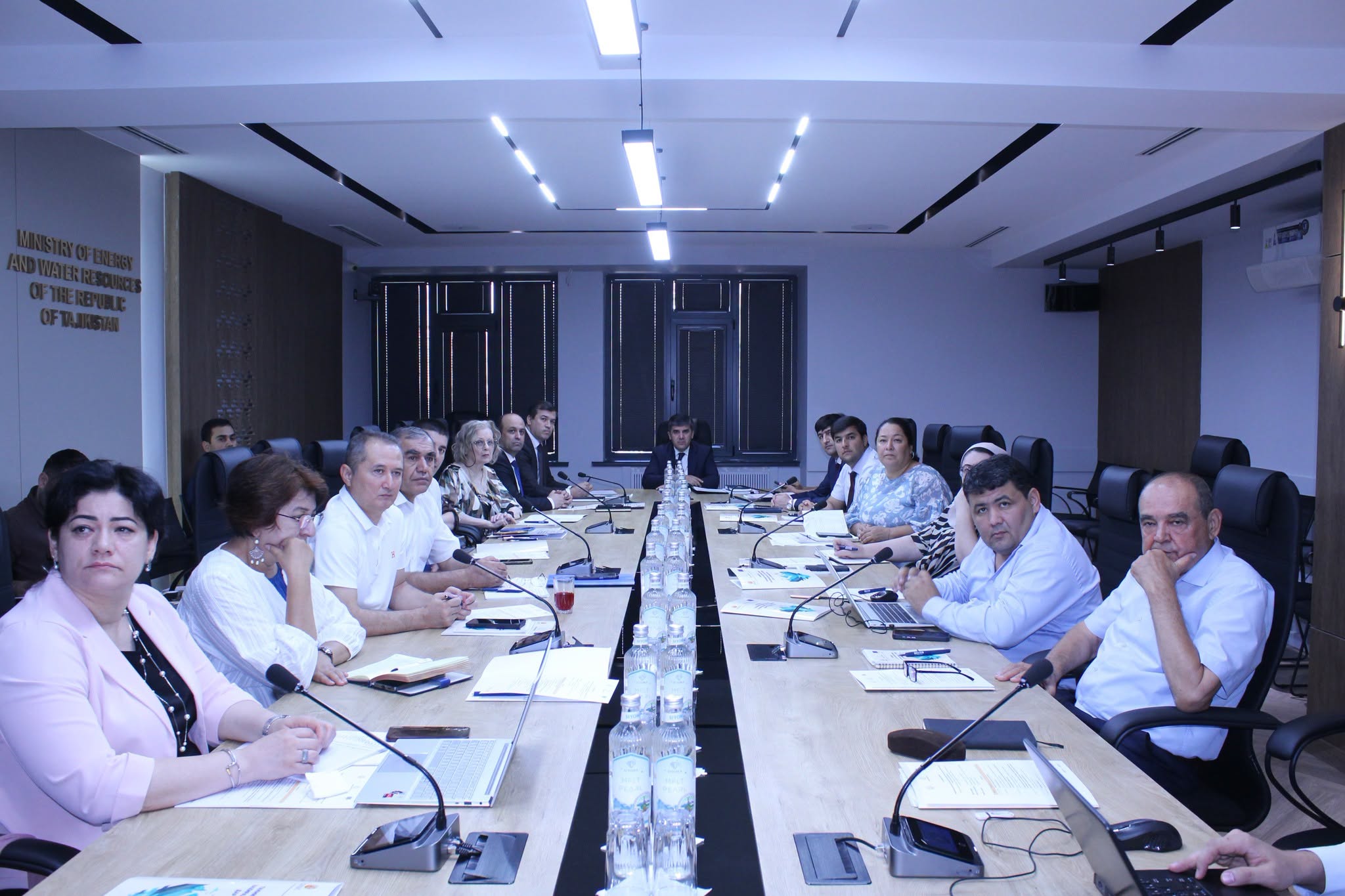













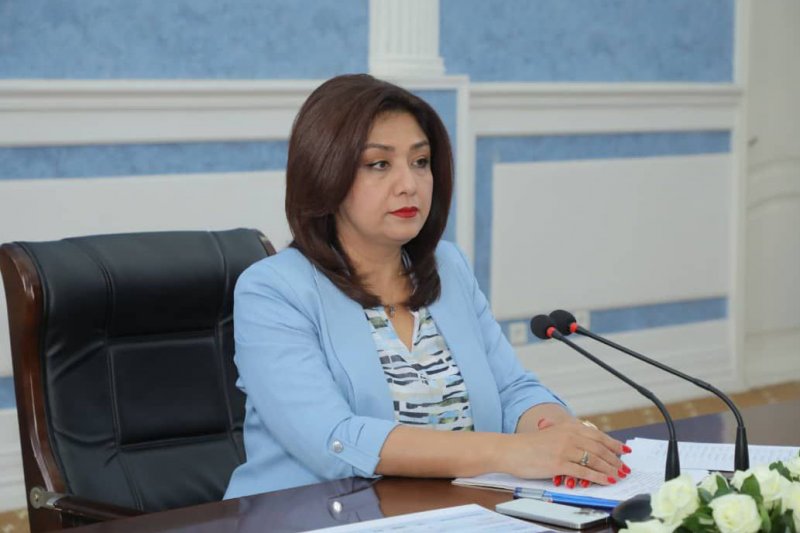
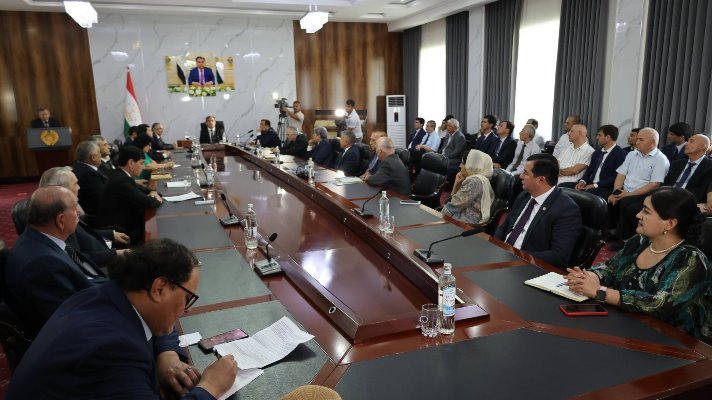
On August 6, a working meeting on the implementation of state education programs was held in Khujand under the chairmanship of Deputy Prime Minister of the Republic of Tajikistan Dilrabo Mansuri, NIAT Khovar reports.
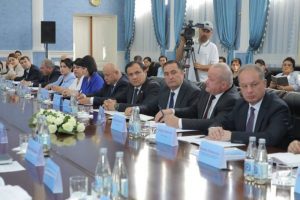
The purpose of the meeting was to analyze the progress of state programs related to the education system, including the State Program for Providing Educational Institutions with Subject Classrooms and Educational Laboratories for 2021-2025, the State Program for the Development of Preschool Education for 2020-2035, and the Program for the Digitalization of Educational Institutions, adopted within the framework of the educational policy of the Government of the Republic of Tajikistan with the support of Emomali Rahmon.
During the discussion, it was emphasized that the following measures are being implemented to improve the level and quality of education, as well as expand the capabilities of educational institutions: the construction of new schools, the renovation and modernization of classrooms, provision of desks and chairs, the recruitment of qualified teachers (especially in the exact sciences and information technology), the organization of advanced training courses and educational seminars, the holding of competitions and olympiads, the provision of educational institutions with computers and the Internet, and the development of preschool education.
The Deputy Prime Minister of Tajikistan emphasized that attracting students to the third stage of school education (grades 10-11) is a priority for sectoral policy. In this regard, she instructed, in conjunction with parents and civil society, to take specific measures to increase enrollment among high school students.
It was also noted that serious steps are being taken to prepare students for national competitions and olympiads, such as "Tajikistan – My Beloved Homeland," "The Book of Wisdom is the Radiance of Dawn," and "Science – the Beacon of Enlightenment." Even higher results must be achieved in this area.
It was reported that, given the population size, construction of new preschools has begun in cities and districts. This process should be accelerated with the support of generous individuals and entrepreneurs. Buildings previously used as kindergartens will be returned to their original purpose, provided the necessary conditions are met. The number of early development centers will be increased, and the coverage of children will be expanded. Particular attention is being paid to staffing preschools and attracting young professionals.
There are also plans to implement practical measures to equip schools with subject-specific classrooms, laboratory equipment, computers, and internet connections.
At the end of the meeting, the Deputy Prime Minister of Tajikistan instructed that the results of the implementation of programs and competitions be summarized and submitted to the Government of the Republic of Tajikistan for consideration.