Translated with AI


































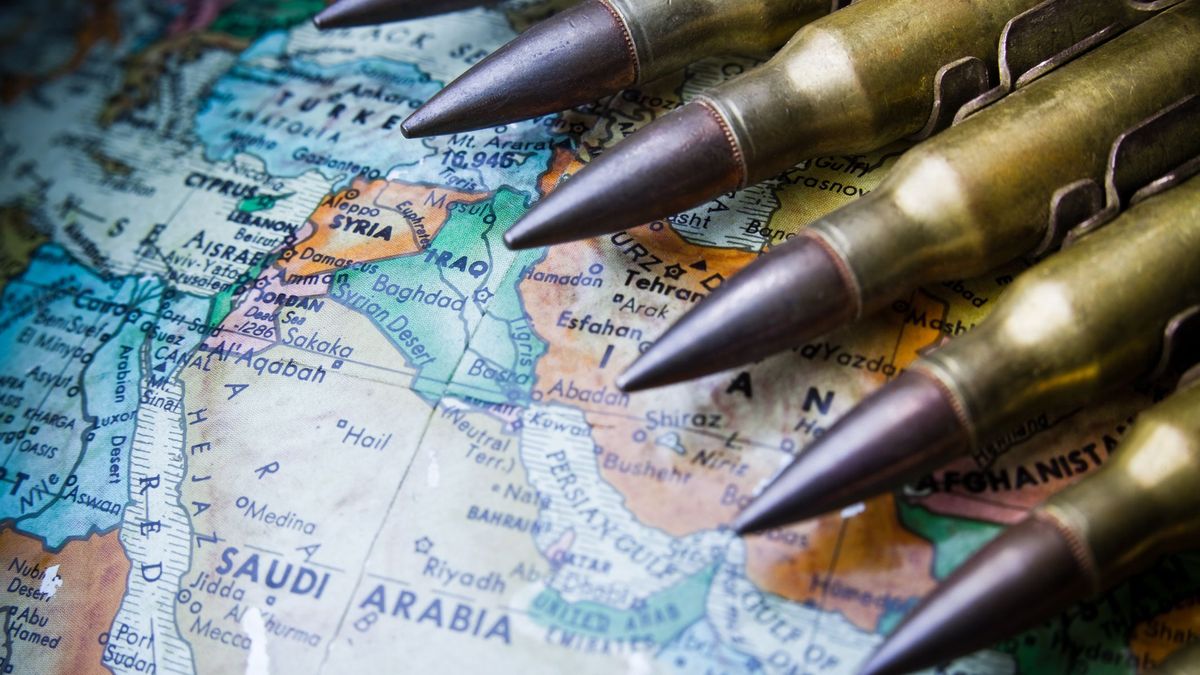
Yemen's Ansar Allah (Houthi) movement announced the beginning of a naval blockade against Saudi Arabia. The movement's spokesperson, Yahya Sari, announced this on social media.
According to him, the Yemeni armed forces are imposing a naval blockade on Saudi Arabia, guided by the principle of "an eye for an eye." He noted that the decision took effect immediately after the publication of the corresponding statement.
The Houthis claimed this move was a response to the "unjust and oppressive siege" of Yemen, which they claim has lasted nearly 12 years. According to the movement, this blockade restricts the operation of the country's ports and airports and leads to the plundering of its resources.
Last week, rebels launched a missile attack on Saudi Arabian territory, accusing the kingdom of bombing the Sana'a airport, which they controlled. The target of the retaliatory attack was Abha International Airport.
This exchange of strikes, it was noted, violated the informal ceasefire between Saudi Arabia and the Iran-backed Houthis, which had been in effect since March 2022. It was reached after a series of rebel attacks on the kingdom's energy infrastructure.
According to the Associated Press, the imposition of a naval blockade could increase pressure on Saudi Arabia, which uses the East-West Pipeline to transport oil bypassing the Strait of Hormuz, which is under Iranian control. This route delivers oil to the Red Sea coast, from where it is then exported to foreign buyers.
The Wall Street Journal previously reported that Saudi Arabia and the United States were making efforts to prevent the Houthis from becoming involved in the war against Iran. Experts believe this development could spread the conflict to the Suez Canal region, affect Egypt, and further draw Saudi Arabia into the standoff.
After the closure of the Strait of Hormuz, the kingdom was able to partially circumvent the restrictions by transporting oil through the port of Yanbu on the Red Sea coast. However, this route runs along the Houthi-controlled coastline and then through the Bab el-Mandeb Strait, which connects the Red Sea with the Gulf of Aden and is considered one of the key maritime routes for global trade.
The Bab el-Mandeb Strait is located between the southwestern Arabian Peninsula and northeastern Africa. It handles approximately 12% of global maritime oil shipments and approximately 8% of global liquefied natural gas supplies.