Translated with AI


































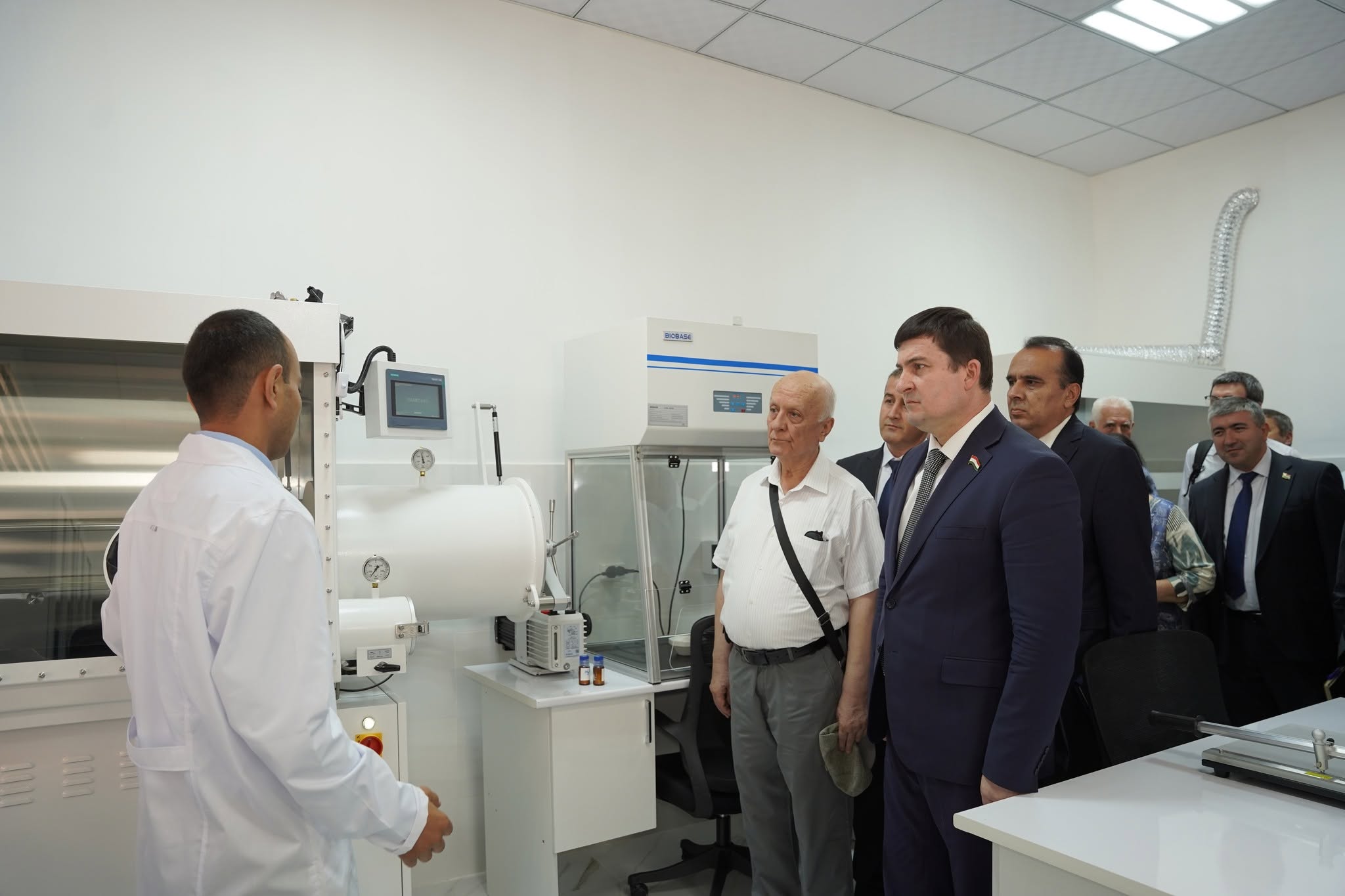
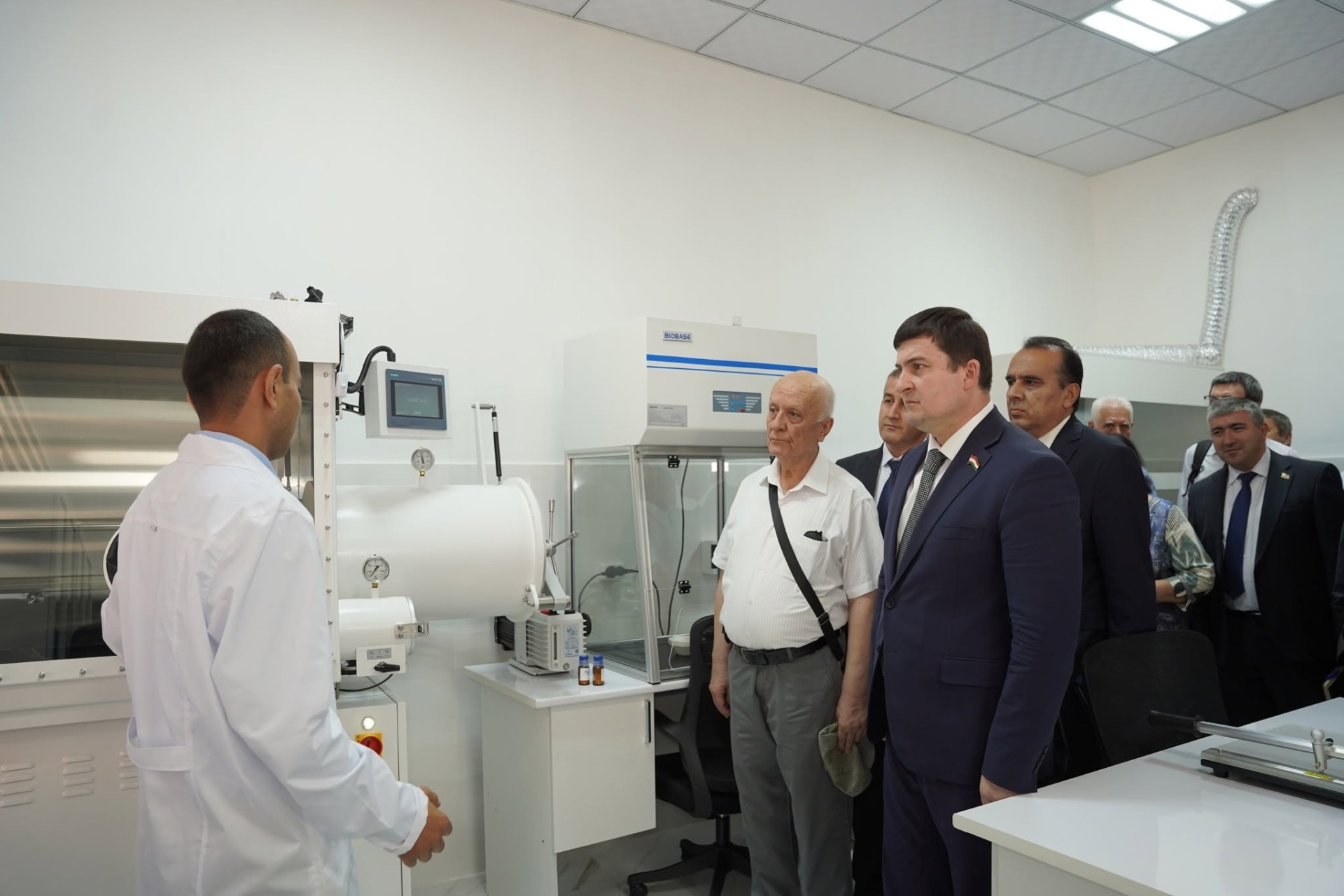
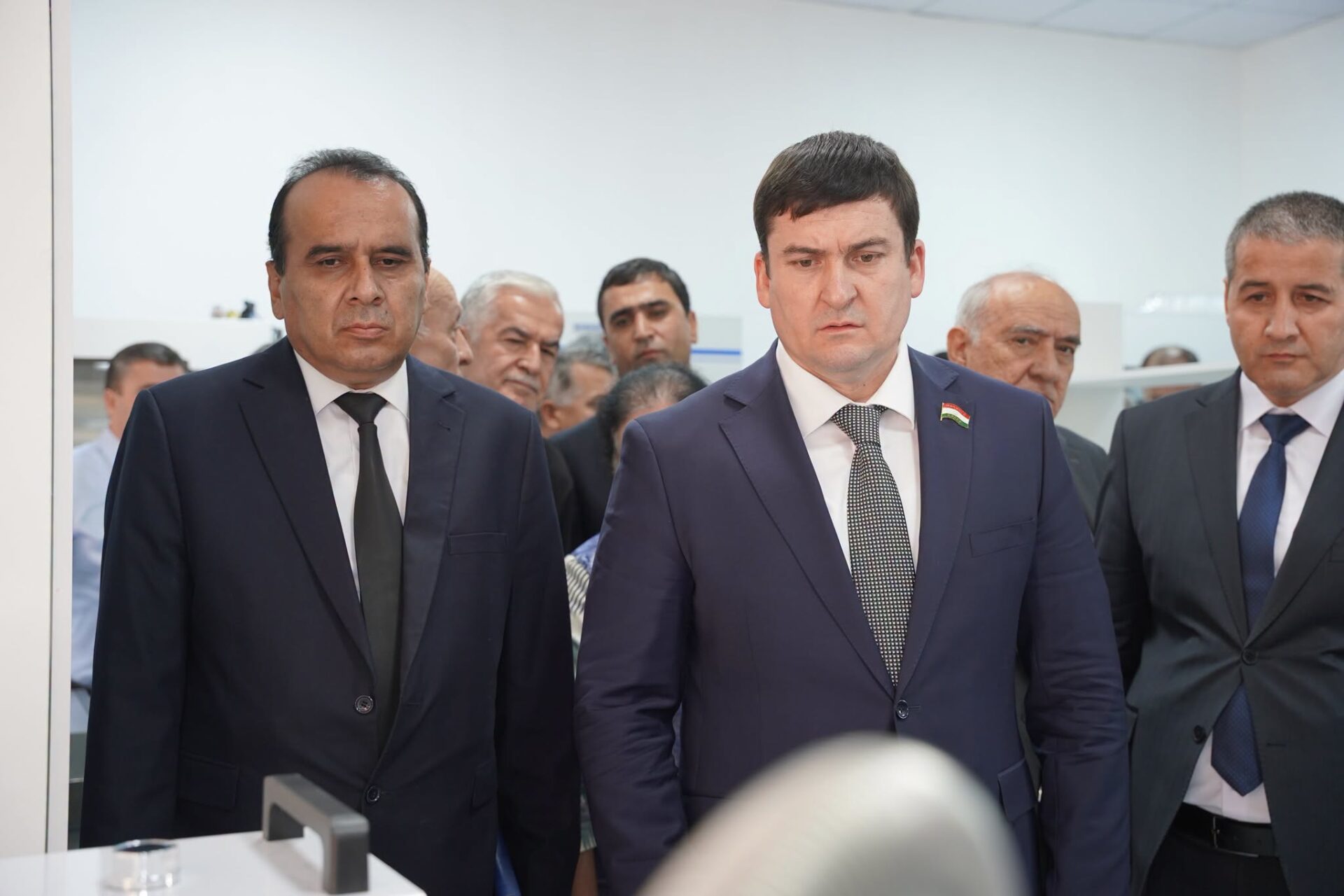
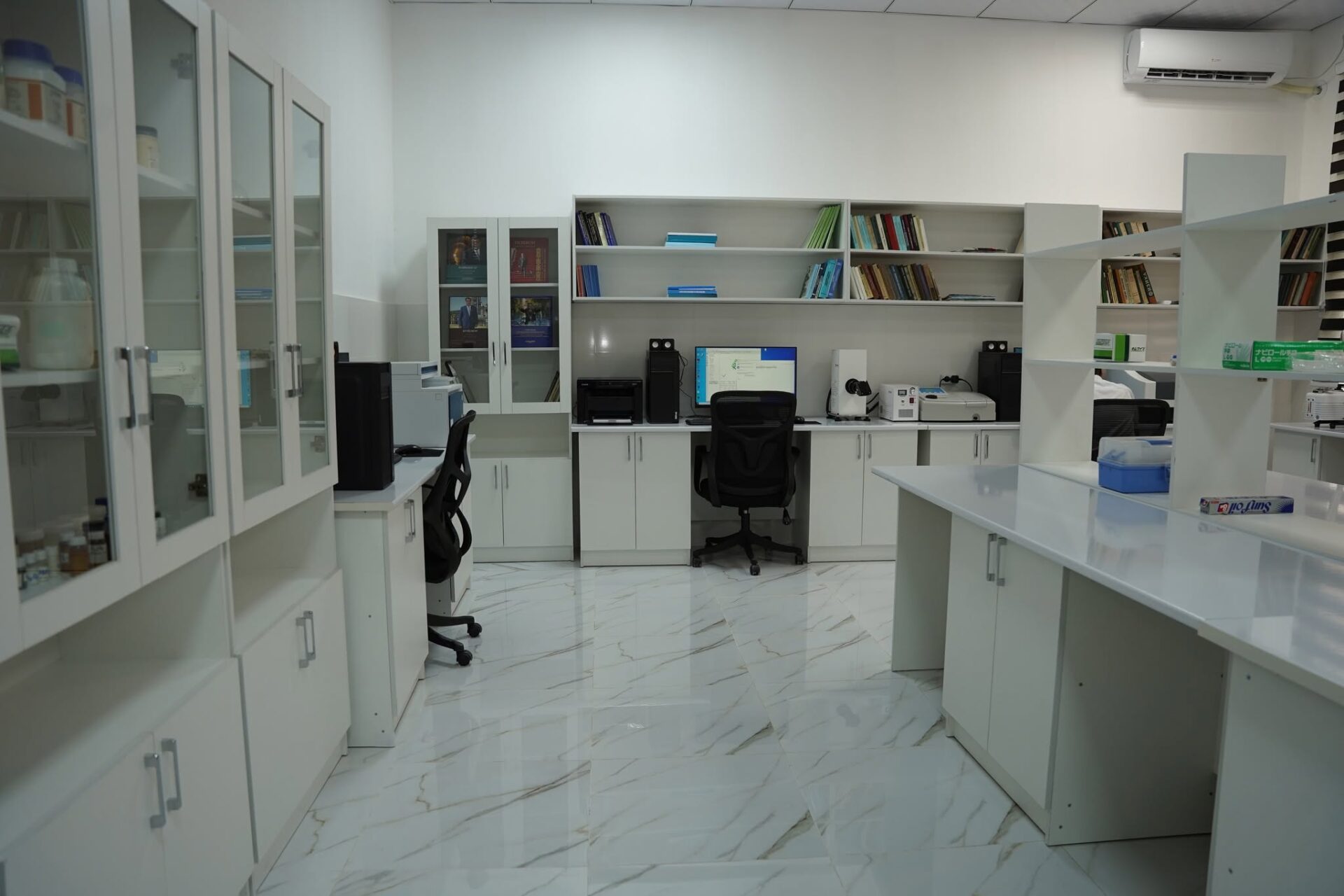
On July 20, a new state-of-the-art quantum electronics laboratory was inaugurated at the S. U. Umarov Institute of Physics and Technology of the National Academy of Sciences of Tajikistan. The opening took place as part of the celebrations of the 35th anniversary of the Republic of Tajikistan's state independence and the declaration of 2026 as the Year of Expanding Creative and Improvement Works, as well as Strengthening and Reinforcing National Identity and Self-Awareness. This was announced by the National Academy of Sciences of Tajikistan.
The opening ceremony was attended by the President of the National Academy of Sciences of Tajikistan, Academician Khushvakhtzoda Kobiljon Khushvakht, as well as scientists and researchers.
The Academy of Sciences emphasized that the creation of favorable conditions for scientists, the opening of new modern laboratories, and their equipping with modern equipment and technologies are the result of the constructive policies and ongoing support of the Founder of Peace and National Unity—the Leader of the Nation, President of the Republic of Tajikistan Emomali Rahmon.
According to the Academy, the launch of the quantum electronics laboratory marks an important step toward developing the exact sciences, expanding fundamental and applied physics research, and strengthening the country's scientific research potential. The new laboratory opens up additional opportunities for research in quantum technologies, modern electronics, information systems, and other priority scientific areas.
During the opening, it was noted that the laboratory was created to conduct fundamental and applied research in the field of advanced functional materials. Its main areas of activity will be the study of perovskite materials, photocatalysts, and phosphors, which are among the most rapidly developing areas of modern science and technology.

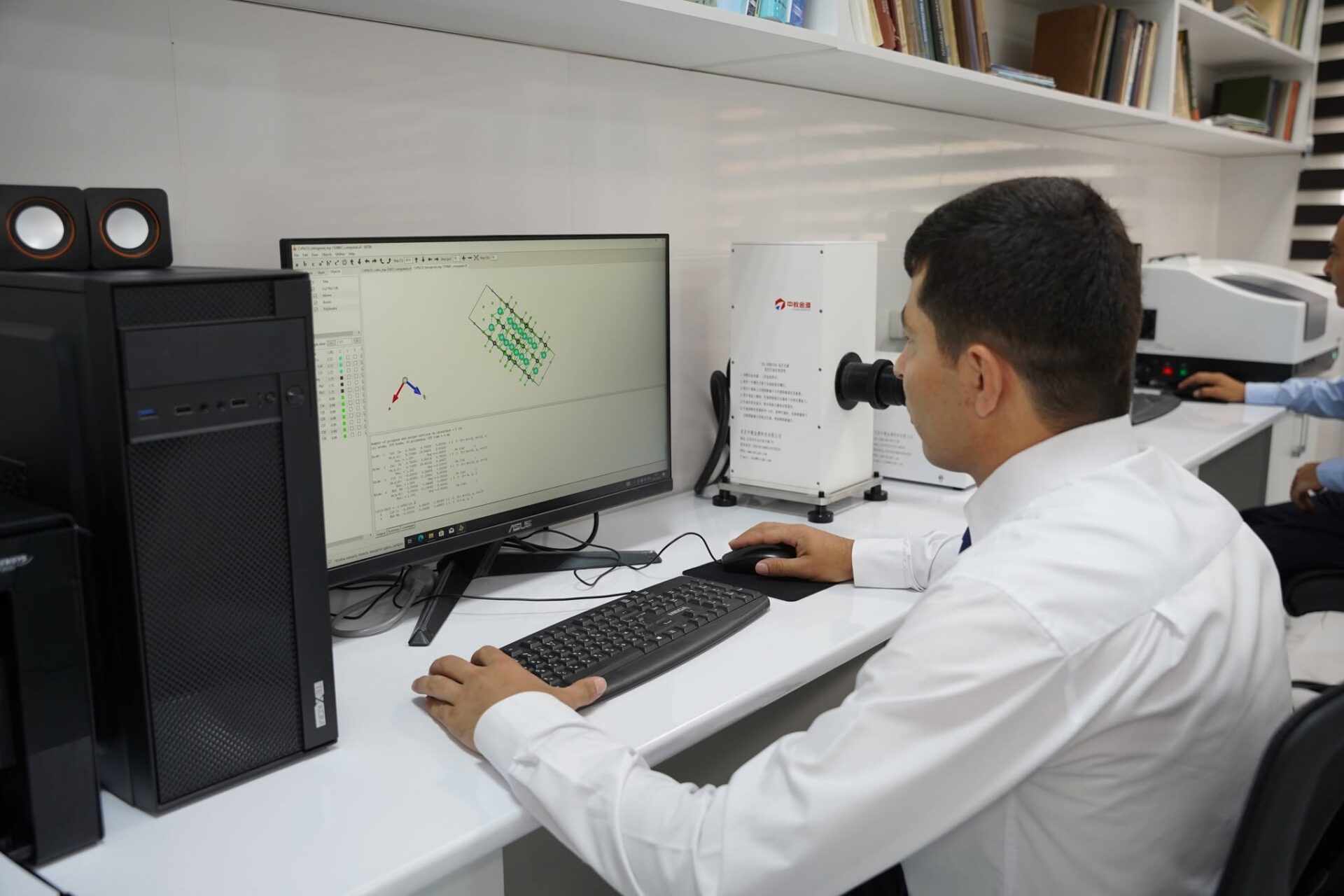
According to the Academy, these materials are crucial for the development of solar energy, optoelectronics, modern sensors, lighting systems, and next-generation electronic devices. The laboratory's primary goals include studying the physical, chemical, electronic, and optical properties of these materials, improving their synthesis methods, and assessing their potential applications in modern technologies.
It is noted that before the laboratory's opening, scientific research capabilities were limited. Most experiments were conducted using simple equipment, and to characterize materials and analyze the results, researchers had to rely on theoretical data or send samples to other research centers. This approach was time-consuming, increased the cost of research, and slowed the pace of scientific work.
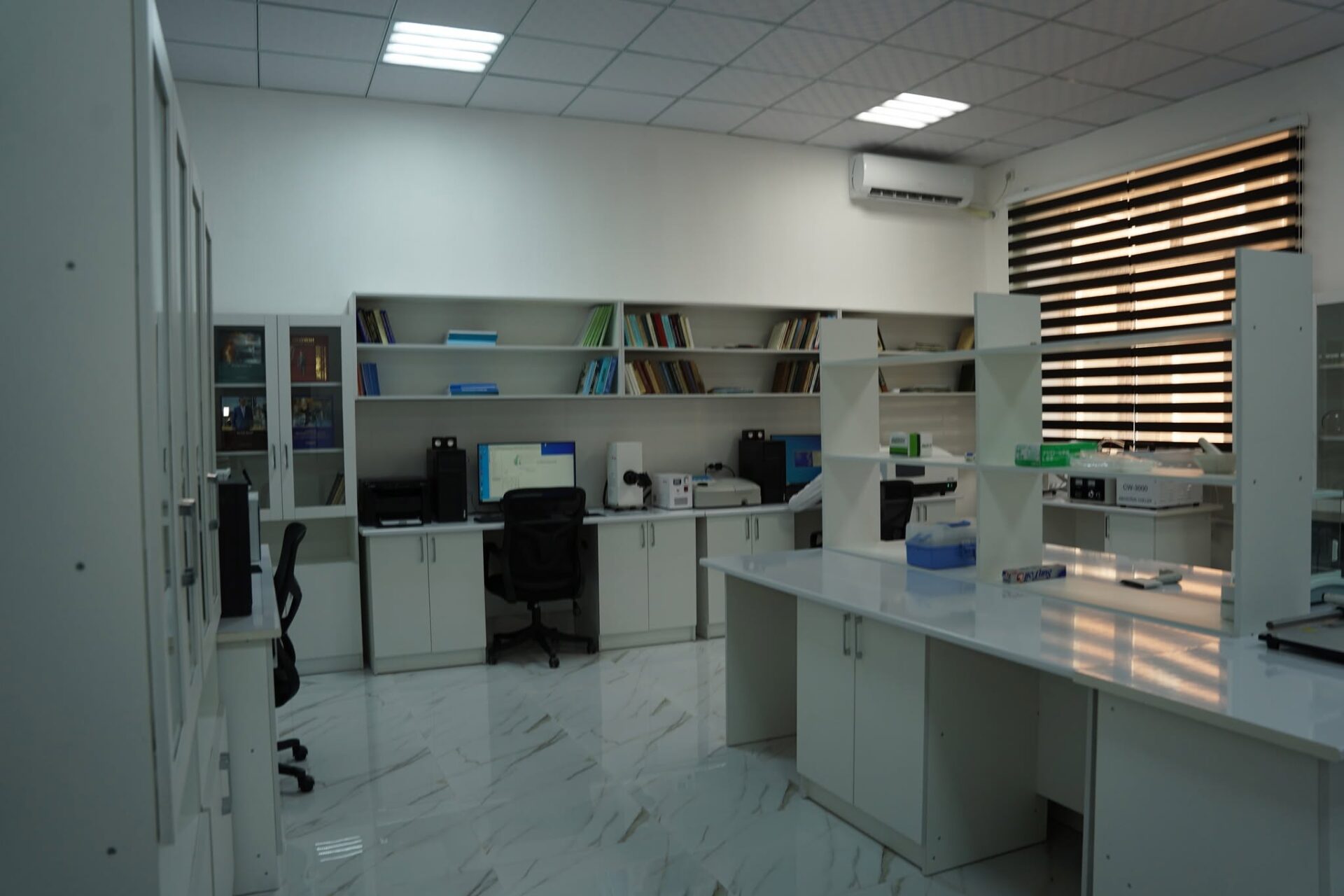
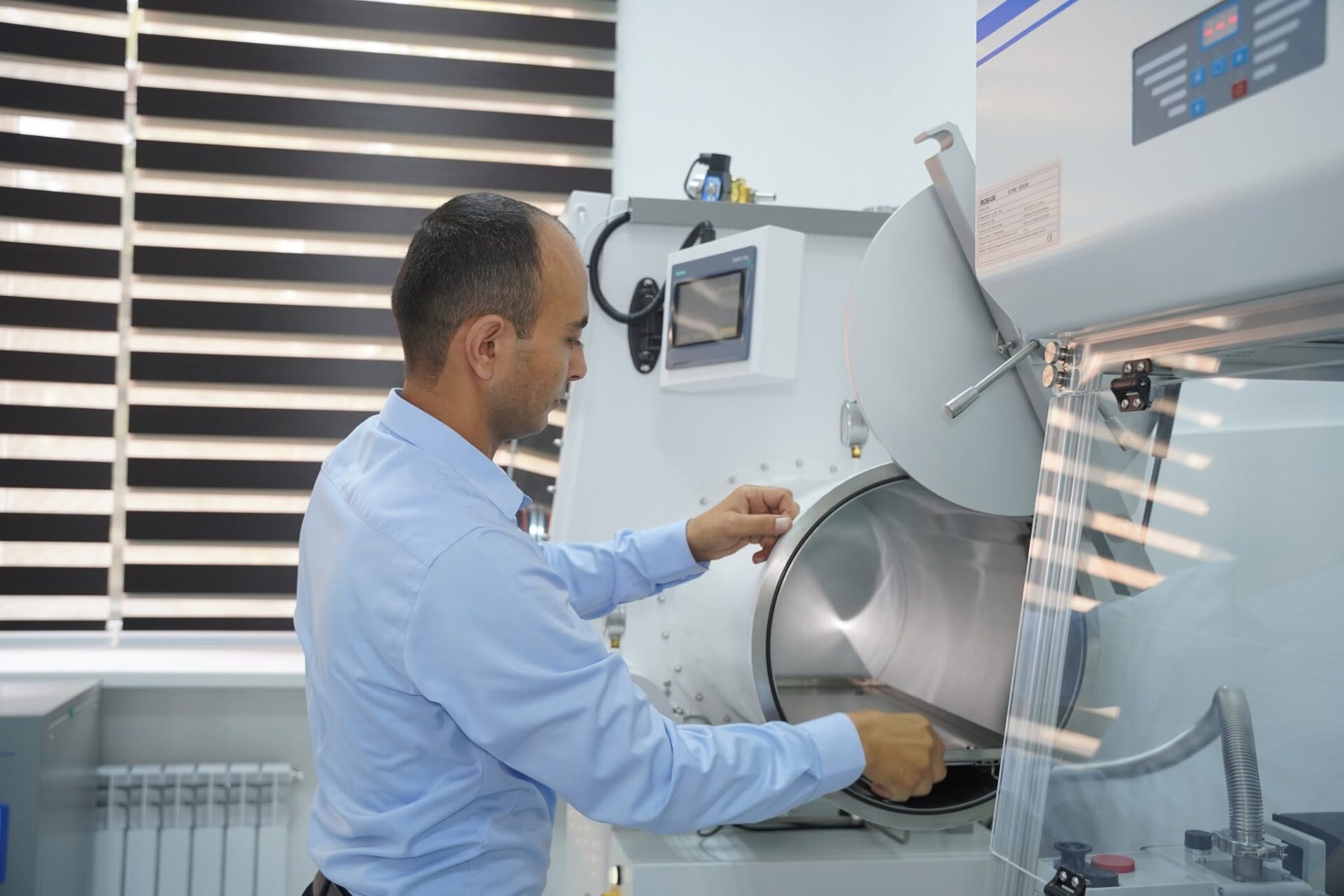
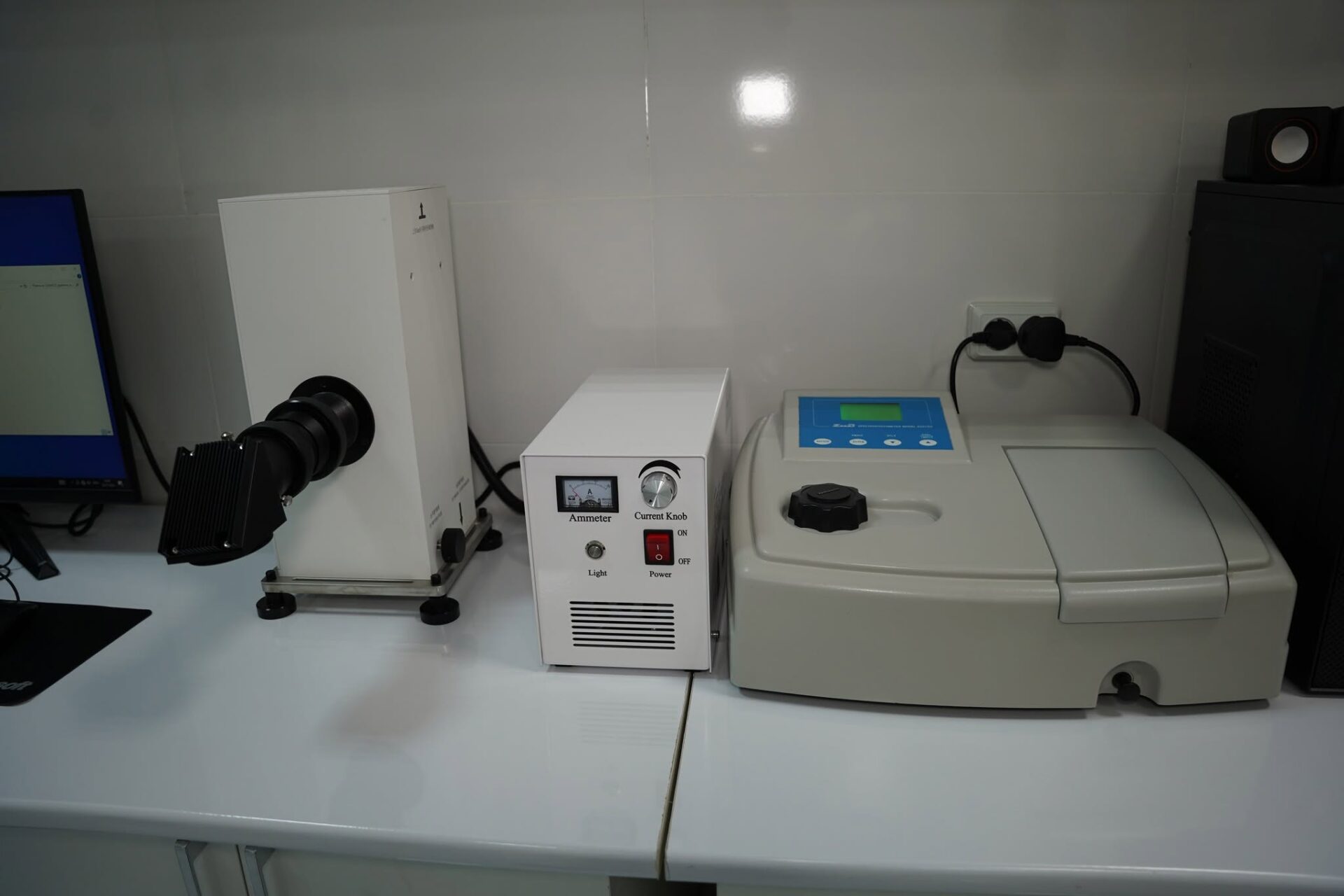
The creation of a new laboratory and the provision of modern conditions have enabled material synthesis, sample preparation, and the majority of experimental research to be conducted directly on-site. This allows researchers to obtain results more quickly, repeat and refine experiments, improve the quality of scientific work, and more actively engage students in research.
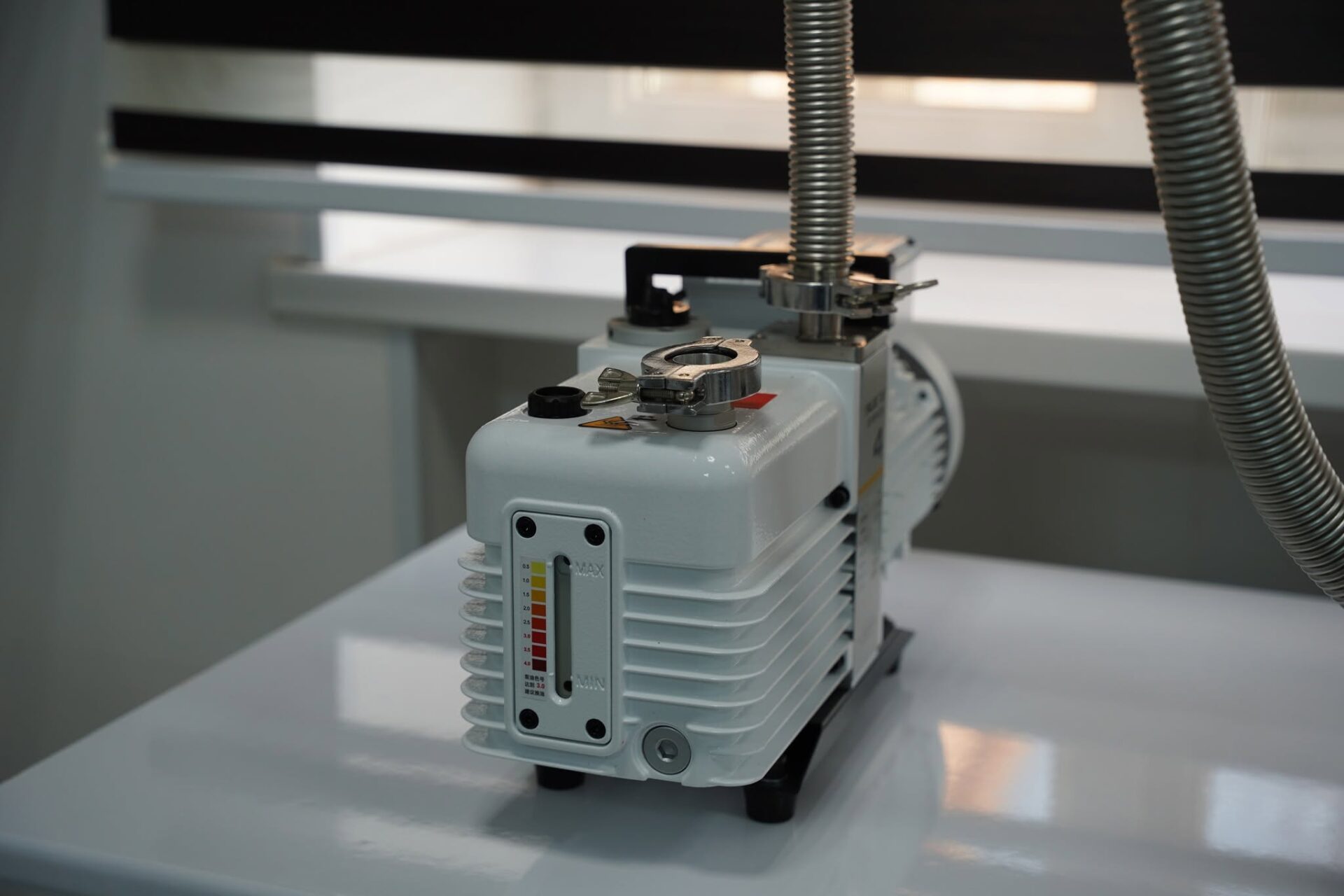
The laboratory is equipped with state-of-the-art equipment, including high-temperature furnaces for material synthesis, magnetic stirrers, ultrasonic cleaners, a centrifuge, high-precision electronic scales, laboratory drying ovens, power supplies, a pH meter, electrical parameter measuring devices, and sample preparation equipment. This technology allows for highly precise control of synthesis processes and the preparation of higher-quality materials for further research.
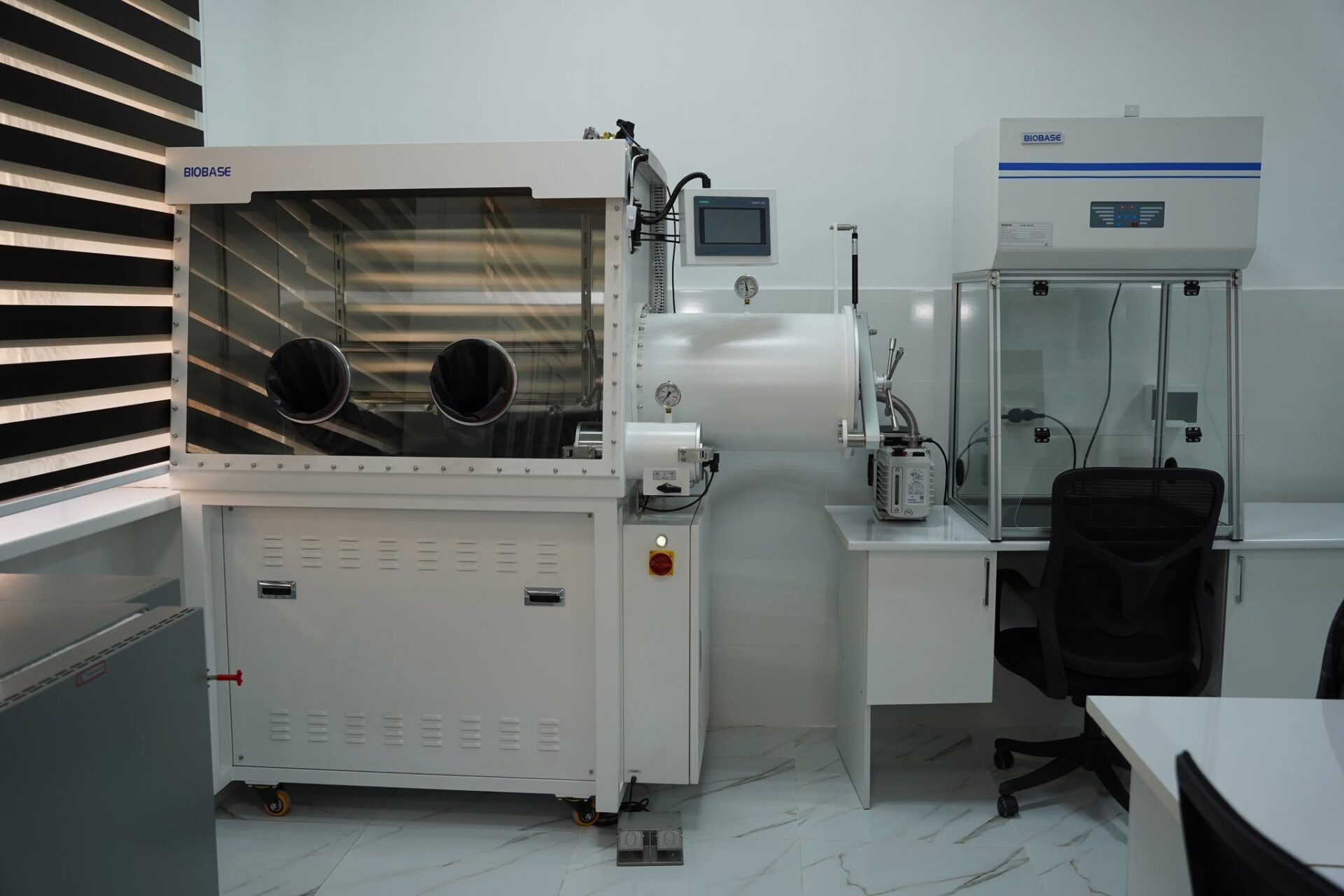
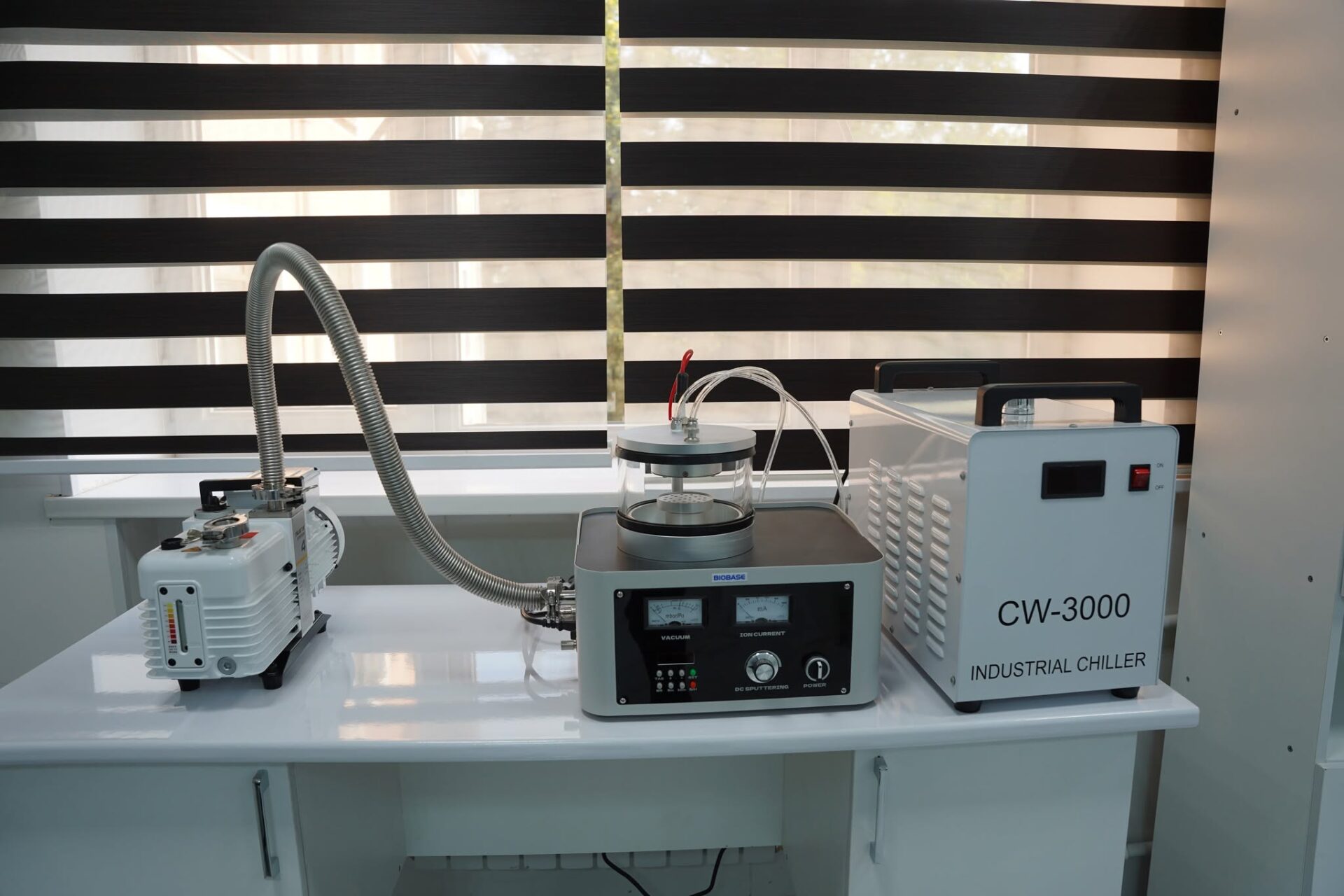
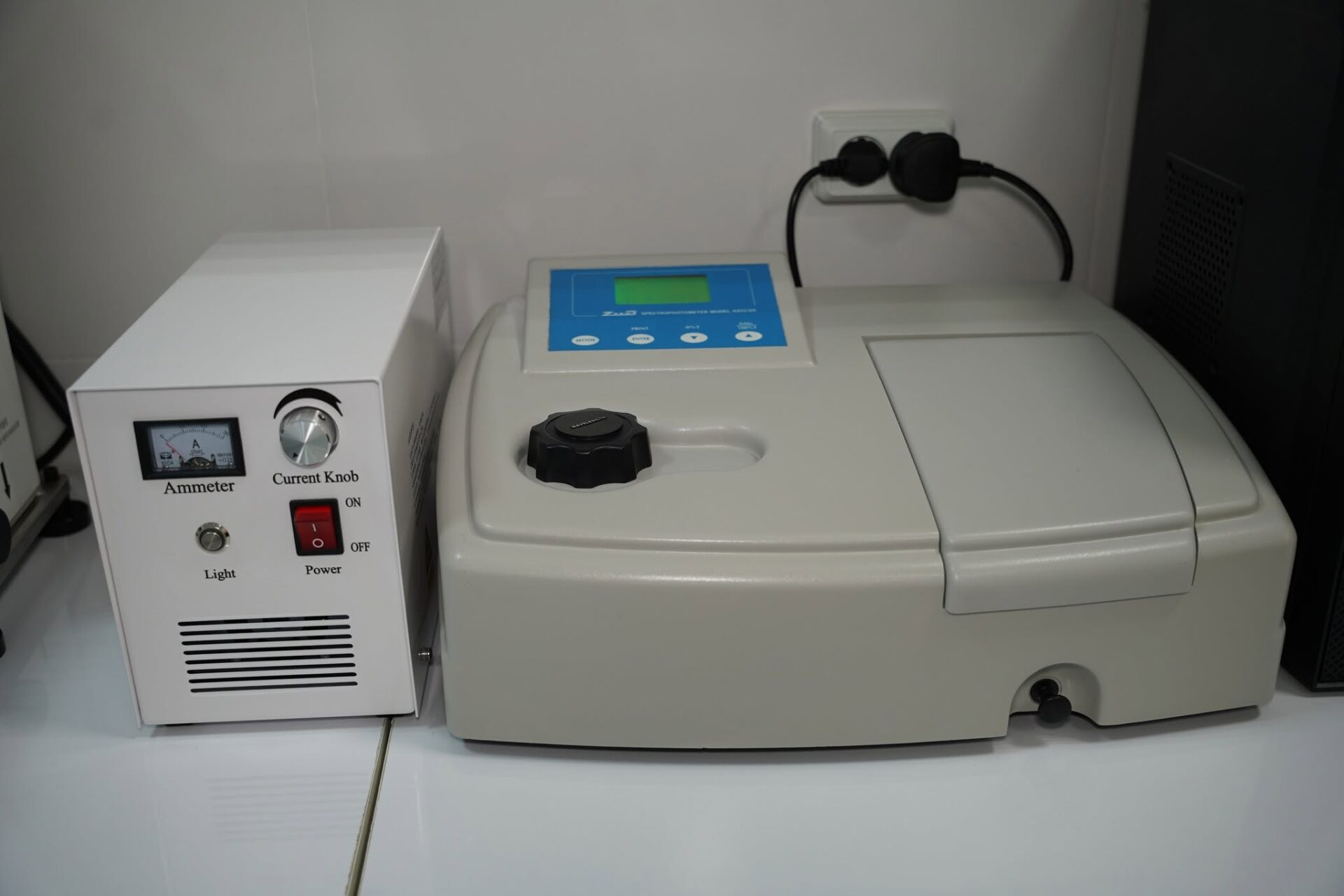
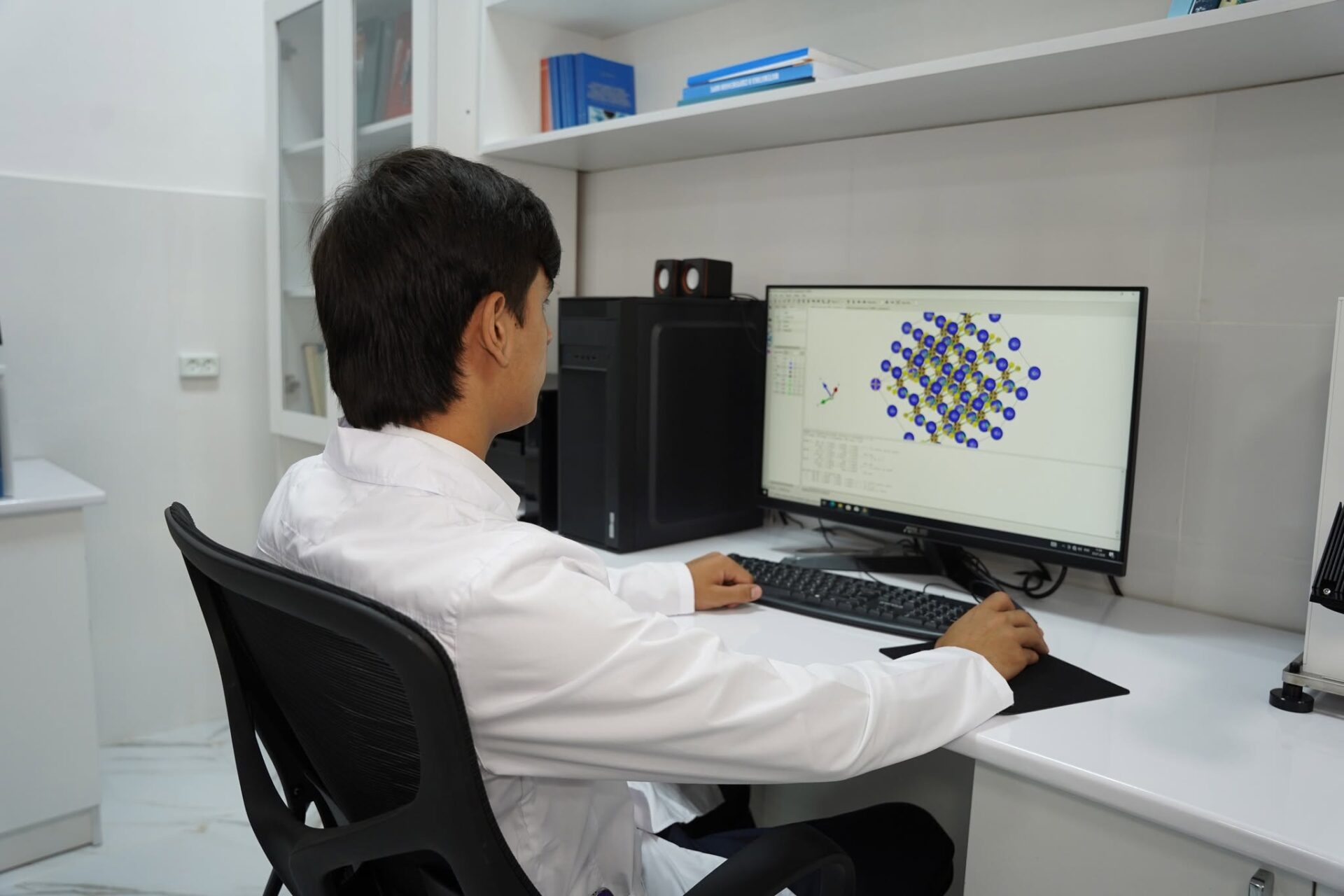
In addition to experimental work, the laboratory places particular emphasis on theoretical research. Computer modeling and quantum computation methods are used to study the electronic structure, optical, and physical properties of materials. Comparing computational results with experimental data allows for a deeper understanding of the properties of materials and the identification of ways to improve their performance.
As noted by the National Academy of Sciences of Tajikistan, the laboratory's research is aimed at solving important scientific and practical problems. These include the development of new perovskite materials for solar energy, the creation of effective photocatalysts for water and environmental purification, and the development of highly luminescent phosphors for modern lighting technologies.
The Academy believes that in the future, the quantum electronics laboratory could become one of the country's most important scientific centers, making a significant contribution to the development of high technology, the training of highly qualified specialists, and the further advancement of domestic science.