Translated with AI



















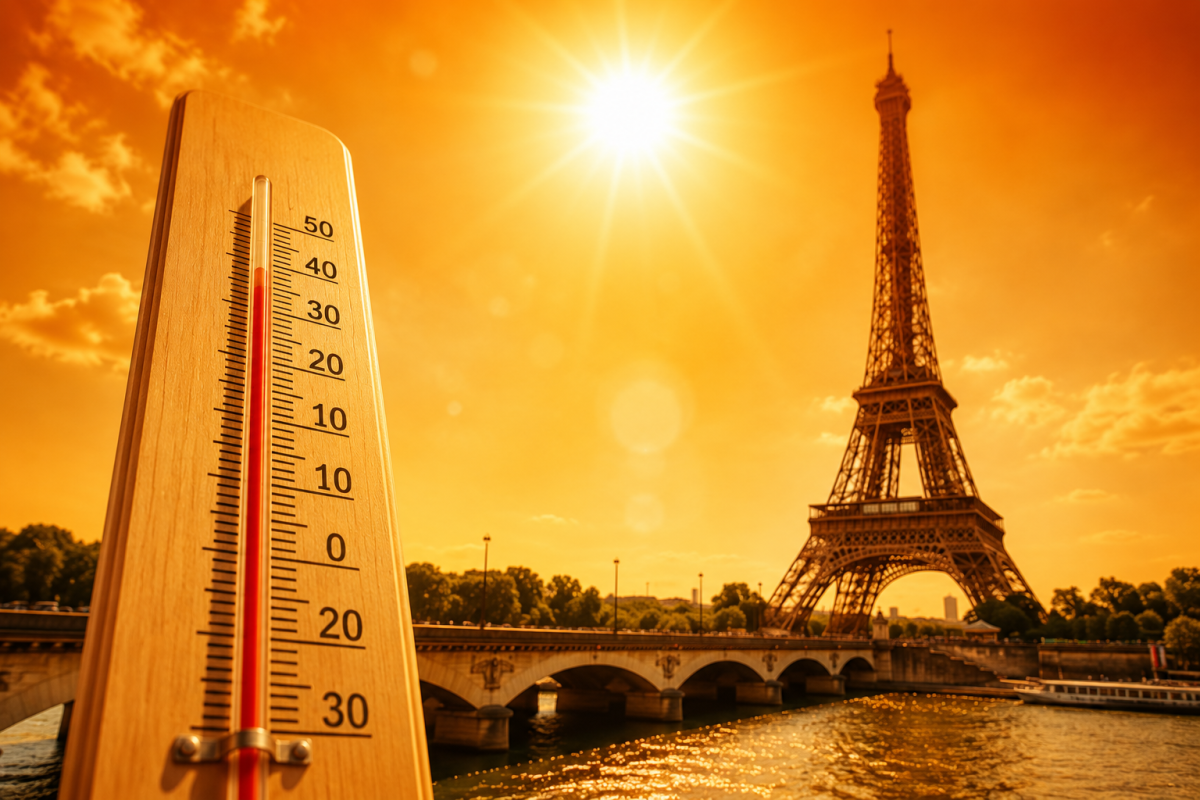
The World Health Organization has warned that following the recent record heatwave, Europe and Central Asia could face further periods of extremely high temperatures. The WHO believes that the most dangerous days of this summer may still be ahead, according to the UN press service.
This week, temperatures in Portugal and southern Spain are forecast to reach 43 degrees Celsius. A new heat wave is expected in France and the Benelux countries. In some parts of Central Asia, temperatures have already exceeded 40 degrees Celsius.
In response to the situation, WHO Regional Director for Europe Hans Kluge held an emergency meeting with representatives of countries, the European Commission and civil society organizations.
According to Kluge, countries are increasingly viewing extreme heat not only as a weather phenomenon, but also as a serious threat to public health.
The WHO notes that countries with national heat wave response plans were able to more quickly organize essential services and provide more effective protection to their populations.
In Italy, 45 cities have a mortality monitoring system in place that allows for near-real-time assessment of the impact of high temperatures. In Spain, authorities are working with the media to improve public information about health risks.
Austria updated its national action plan and introduced additional measures to protect workers from heat. In France, interdepartmental coordination helped reduce the burden on the healthcare system. In North Macedonia, assistance is being provided to people without permanent housing in partnership with the Red Cross.
"These examples are important because they are replicable. The necessary tools exist. The evidence base is robust. When plans are developed and tested before a crisis occurs, they save lives," Kluge said.
However, according to WHO data, less than half of the countries in the organization's European Region have national heat wave response plans. This region includes 53 countries in Europe and Central Asia.
In many countries, people still don't realize they may be at risk. Participants in the emergency meeting also highlighted the shortage of refrigerated shelters, especially for homeless people, the need to increase the resilience of healthcare facilities to the effects of climate change, and improve official notification procedures.
Of particular concern is the situation of people living in social institutions, the homeless, and elderly people living alone. According to the WHO, they do not always receive the care they need.
According to the head of the WHO Regional Office for Europe, one of the most important outcomes of the meeting was the strengthening of cooperation between various agencies. Kluge emphasized that extreme heat is becoming a security threat and requires coordination across various sectors.
WHO intends to summarize national experiences and disseminate relevant recommendations to all 53 countries in the region. The organization will also continue to provide technical support to countries developing or improving national plans to protect their populations from the effects of extreme heat.
"The work now is focused on two fronts: addressing the shortcomings identified in recent weeks before another heat wave hits, and building health systems that are not just reactive to extreme heat, but prepared for it," Kluge said.