Translated with AI










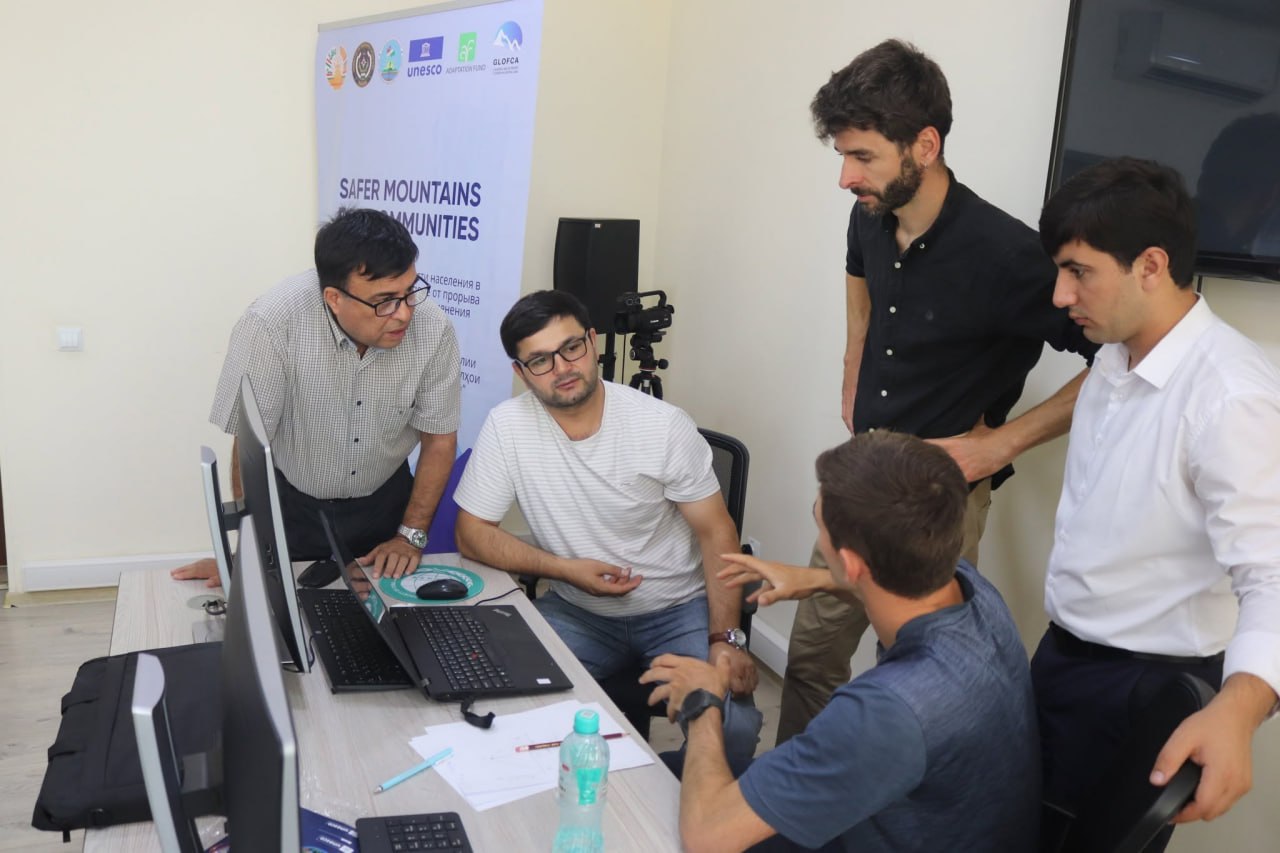
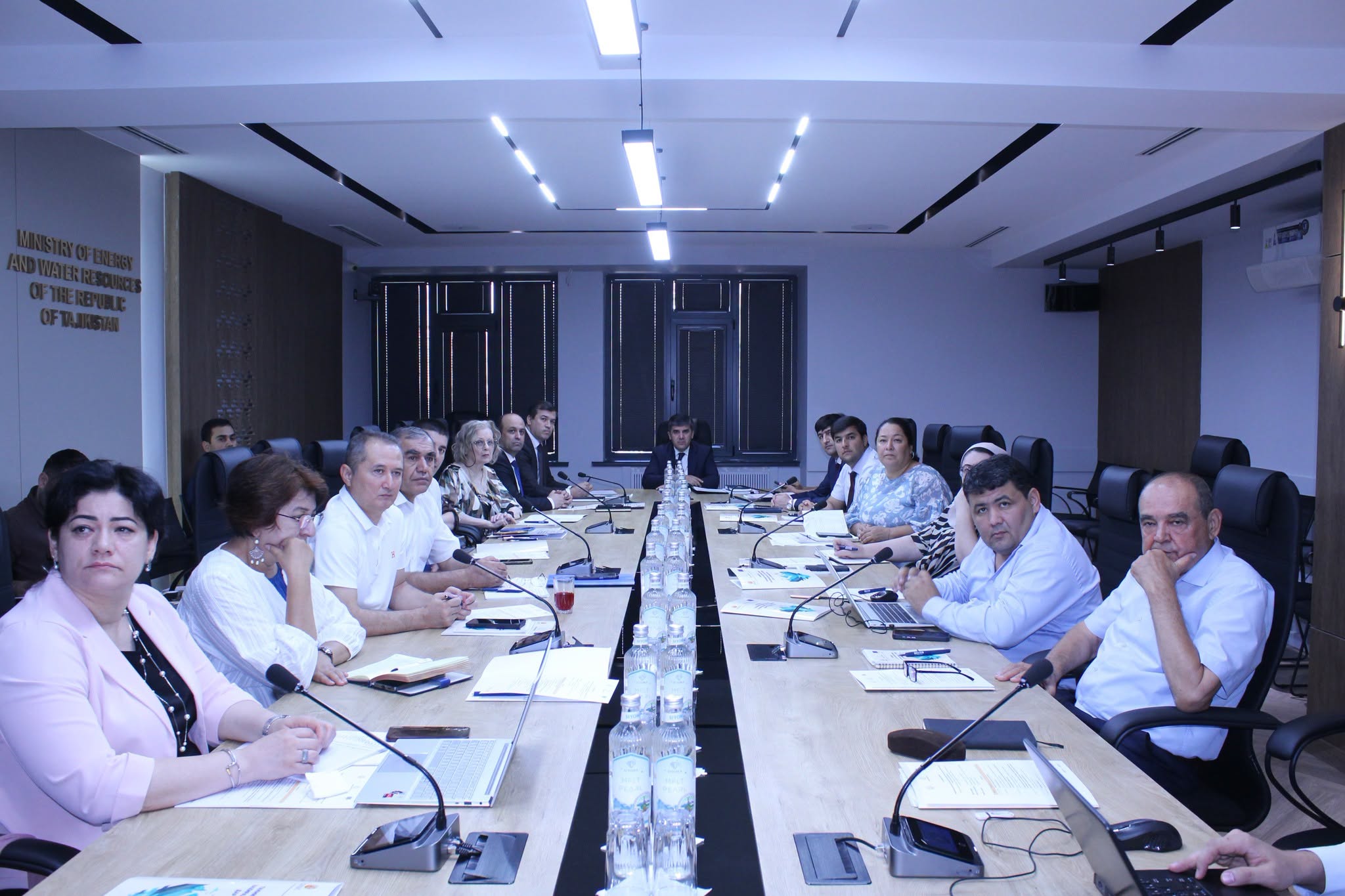













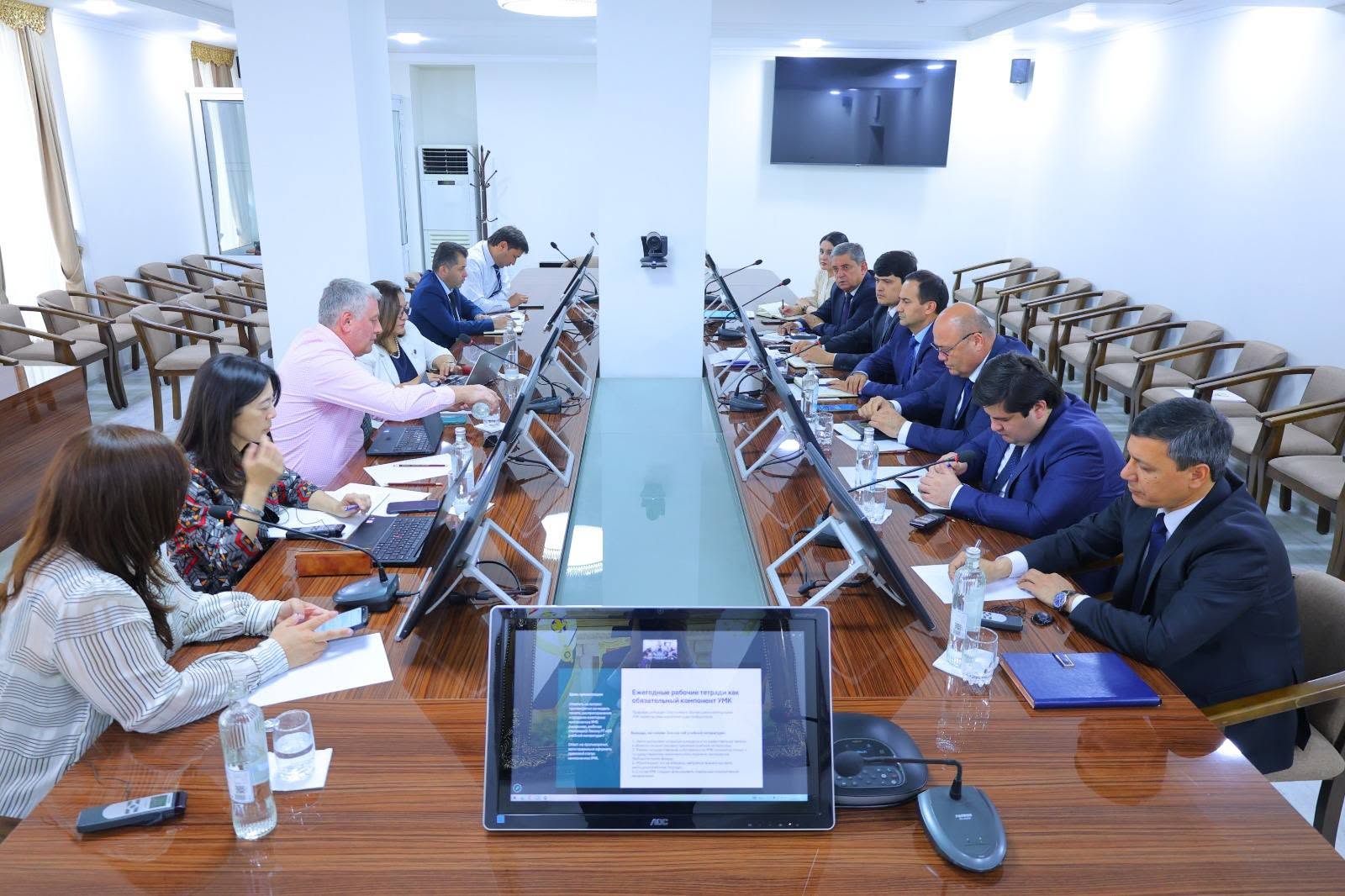
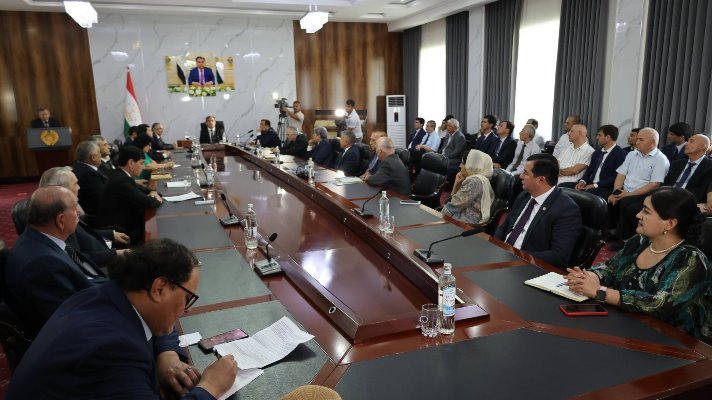
The Ministry of Education and Science of the Republic of Tajikistan, together with representatives of UNICEF and the Islamic Development Bank, discussed strategic aspects of printing new-generation educational and methodological materials and improving regulatory documents governing this area. The meeting took place on June 11, 2026, in Dushanbe, according to the ministry's press service.
The discussion was attended by First Deputy Minister of Education and Science Khomid Khoshimzoda, Deputy Ministers Ravshan Karimzoda and Badriddin Muzaffarzoda, Deputy Representative of UNICEF in the Republic of Tajikistan Eri Dvidevi, Head of UNICEF's Education Sector Naoko Hosaka, International Consultant Nargis Mirzoeva, Director of the Center for Development, Publication, and Circulation of Educational, Scientific, and Methodological Literature Umed Hasanzoda, as well as representatives of relevant departments of the Ministry of Education and Science. UNICEF International Consultant Anna Ermakova and Islamic Development Bank representative Shahnoz Validzhonbekova joined the meeting online.
Opening the meeting, the First Deputy Minister of Education and Science noted that ongoing reforms in the educational sector, including the introduction of a competency-based approach to learning, require the creation and use of modern teaching and methodological materials. He stated that the main objective of the discussion was to address strategic issues related to the publication of next-generation materials, improve the regulatory framework, and find ways to increase the efficiency of their development, publication, and provision of educational institutions with the necessary resources.
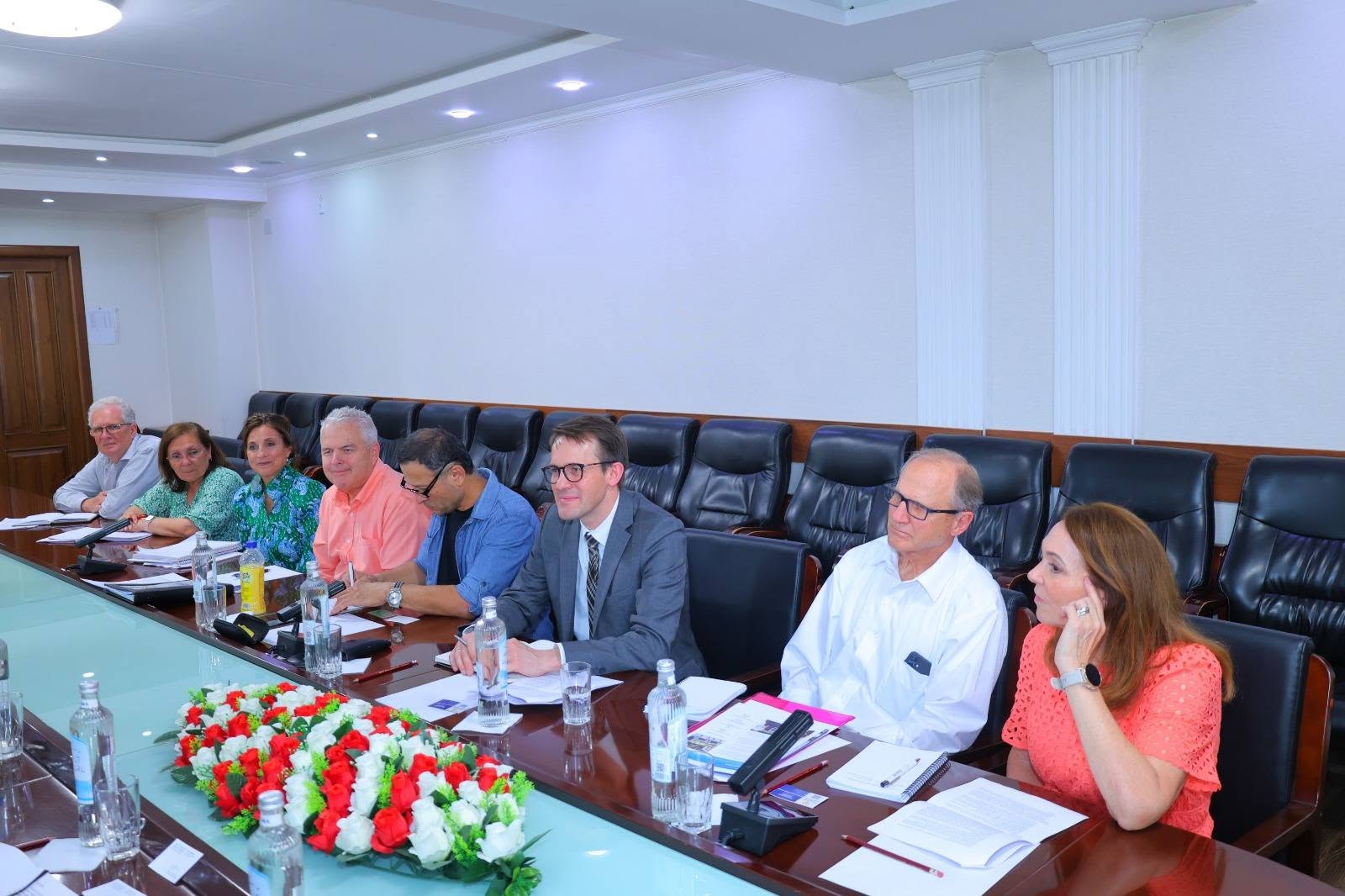
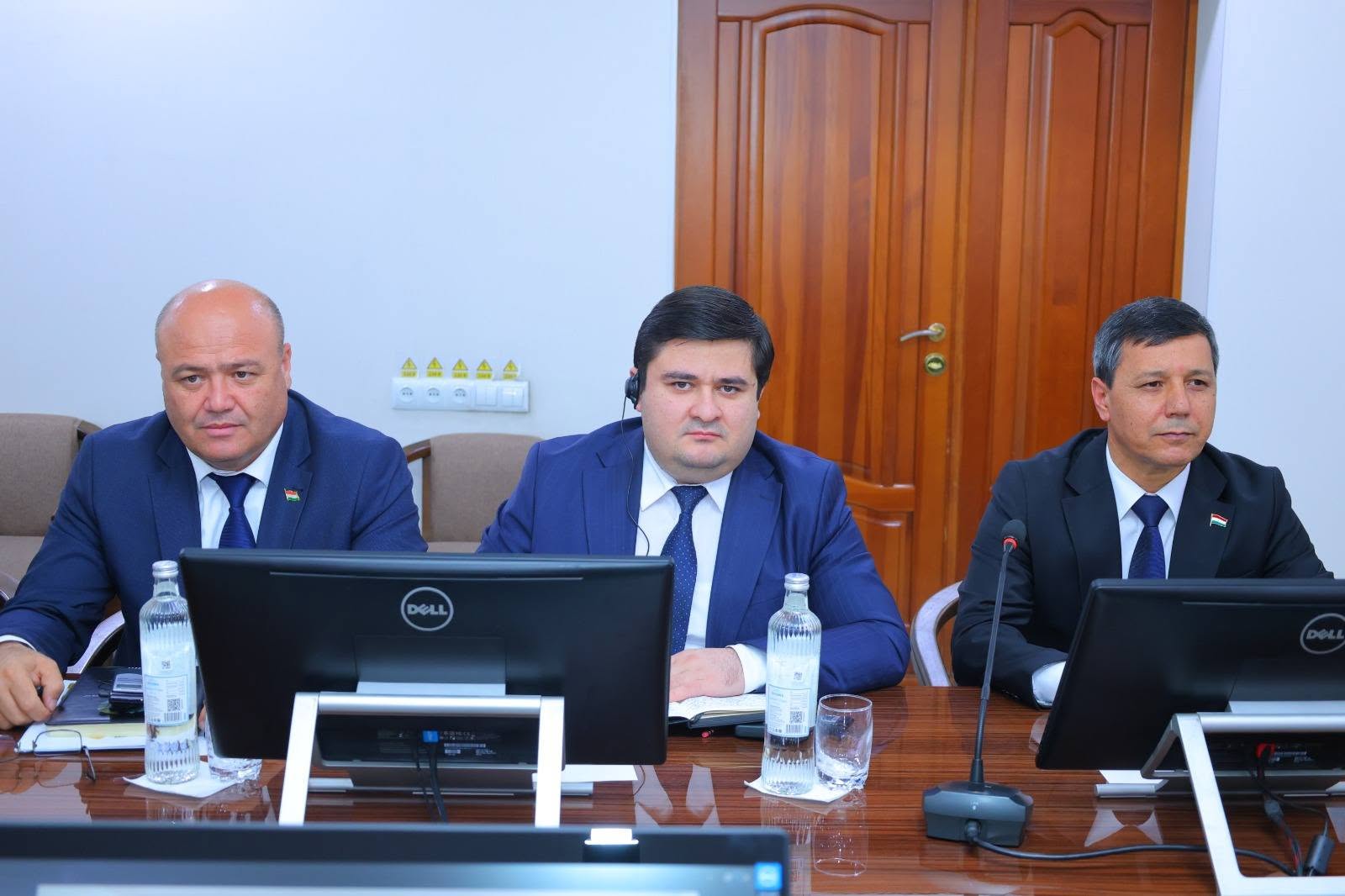
Eri Dvidevi, Deputy Representative of UNICEF in Tajikistan, expressed satisfaction with the level of cooperation with the Ministry of Education and Science and emphasized the importance of introducing modern mechanisms for printing and distributing new-generation teaching and methodological materials to improve the quality of education and successfully implement sectoral reforms.
During the meeting, UNICEF International Consultant Anna Ermakova presented online international experience and expert recommendations regarding the development, financing, printing, and effective use of next-generation teaching and learning materials. She also outlined proposals for further improving the regulatory documents governing this process.
The meeting participants examined in detail issues related to printing and the timely provision of educational institutions with modern teaching and methodological materials, the efficient use of existing printing capacity, and the improvement of the regulatory framework in this area.
In addition, the parties exchanged views on ways to improve coordination between relevant structures, utilize best international practices, and strengthen cooperation to provide educational institutions with high-quality teaching and methodological materials.
Following the meeting, the participants confirmed their commitment to continuing constructive interaction and implementing joint initiatives aimed at developing a system for the development, printing, and accessibility of new-generation educational and methodological materials in the Republic of Tajikistan.