Translated with AI


































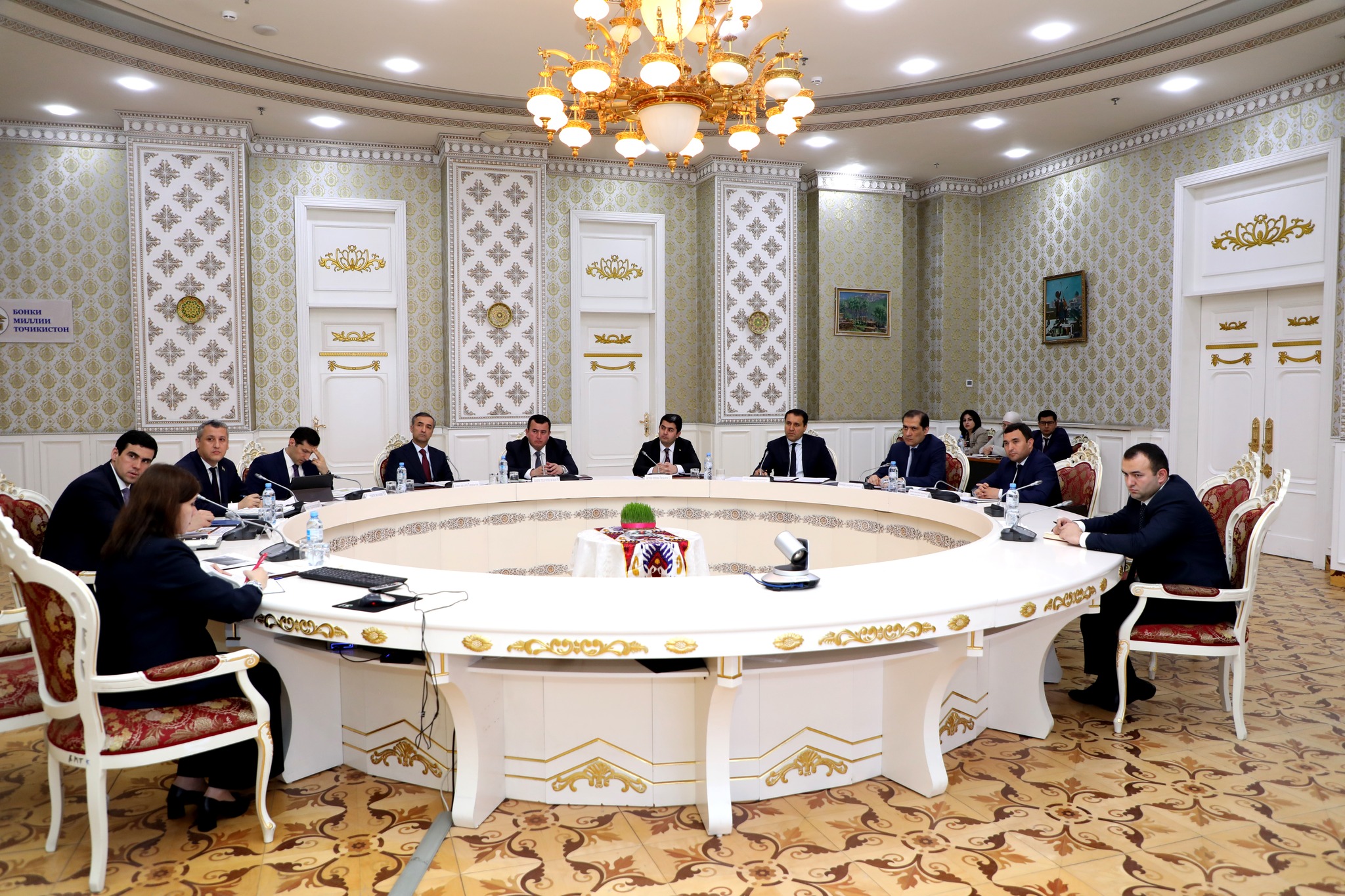
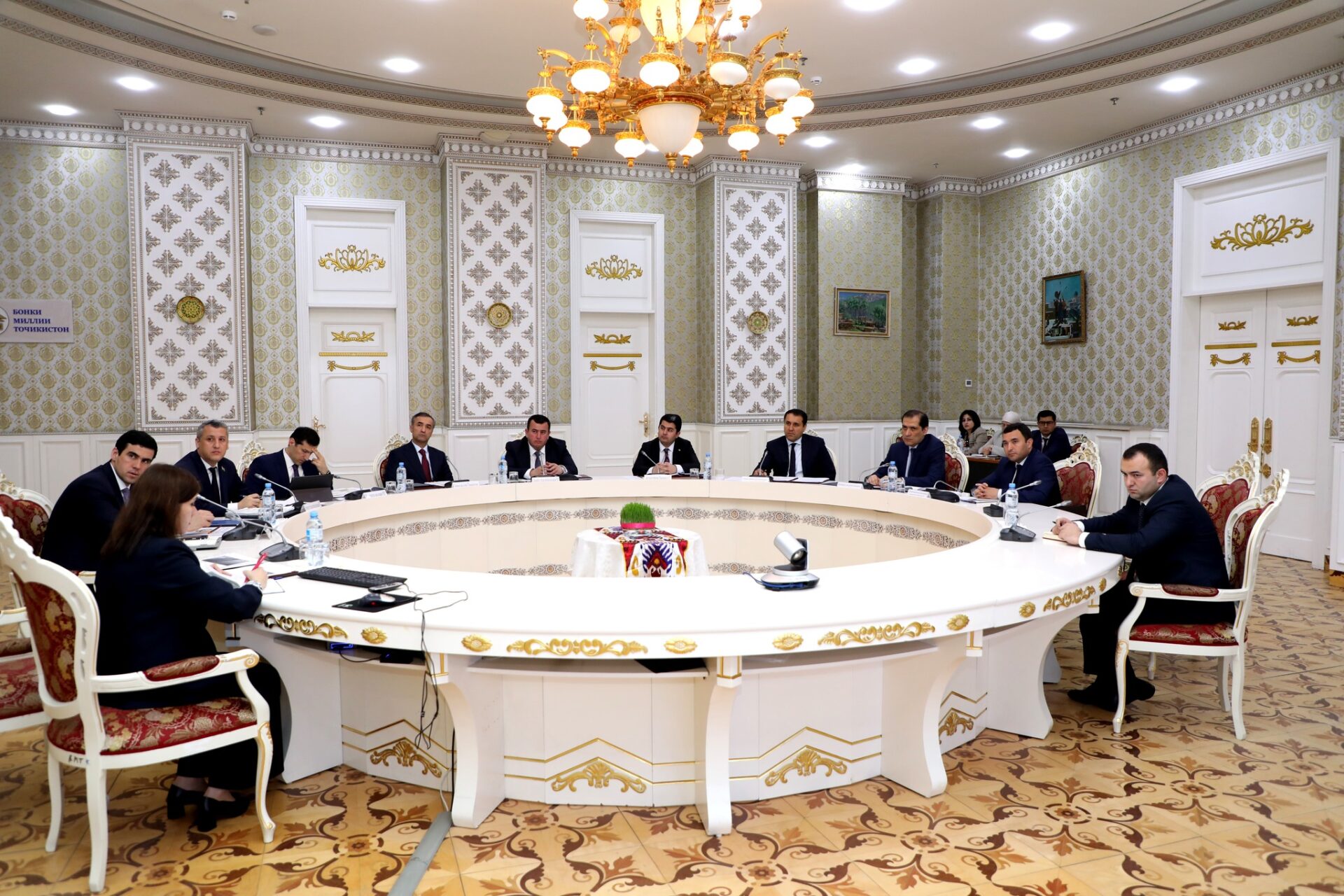
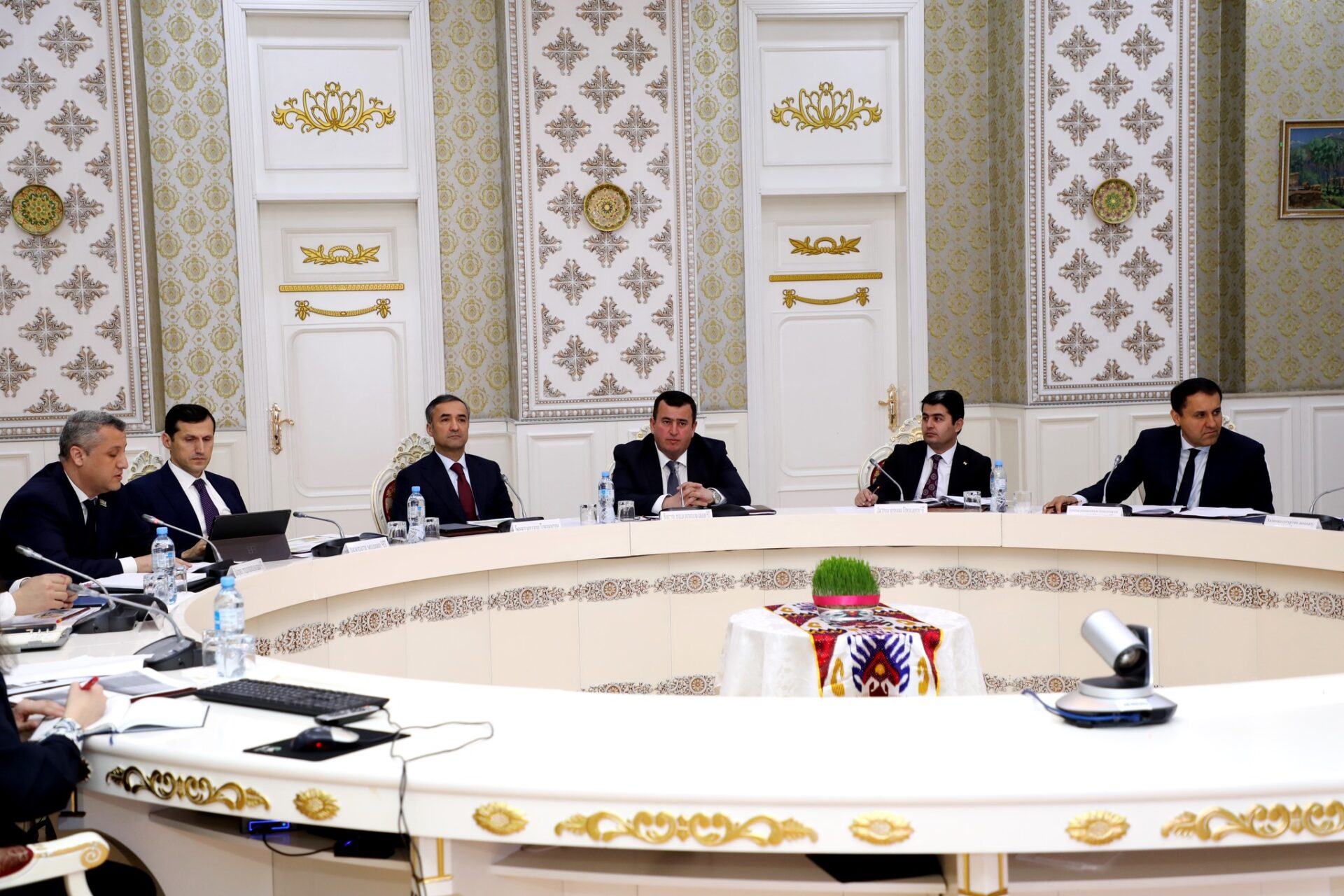
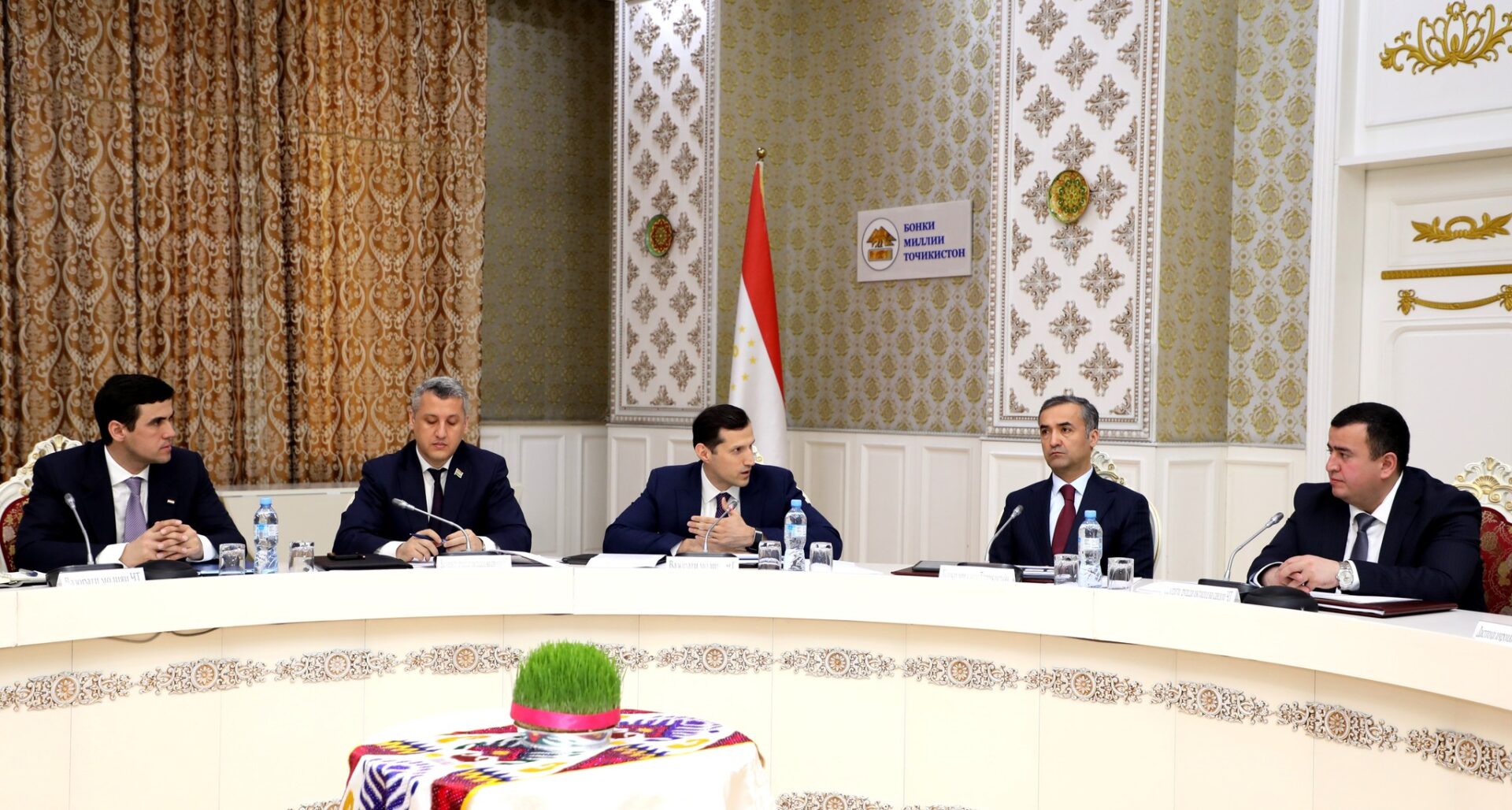
On March 5, 2026, the eleventh meeting of the National Financial Stability Council of the Republic of Tajikistan was held at the National Bank of Tajikistan under the chairmanship of the Chairman of the Council – Minister of Economic Development and Trade of the Republic of Tajikistan Abdurahmonzoda Abdurahmon Safarali.
The meeting was attended by a representative of the Executive Office of the President of the Republic of Tajikistan, the leadership of the Ministry of Finance of the Republic of Tajikistan, the National Bank of Tajikistan, the Agency for Innovation and Digital Technologies under the President of the Republic of Tajikistan, and the Savings and Deposit Insurance Fund of Tajikistan. This was reported by the press service of the Ministry of Economic Development and Trade of the Republic of Tajikistan.
At the beginning of the meeting, in accordance with the approved agenda, the implementation of the decisions adopted following the Council's tenth meeting was reviewed. During the event, responsible officials presented reports on the current state of the social insurance and pension system, as well as prospects for further development in these areas.
Along with this, the key components of the country's balance of payments, including export and import indicators, as well as issues of financing the current and financial accounts, became the subject of discussion.
During the meeting, Council members reviewed presentation materials on the current state of the government securities market and possible measures to further expand its potential.
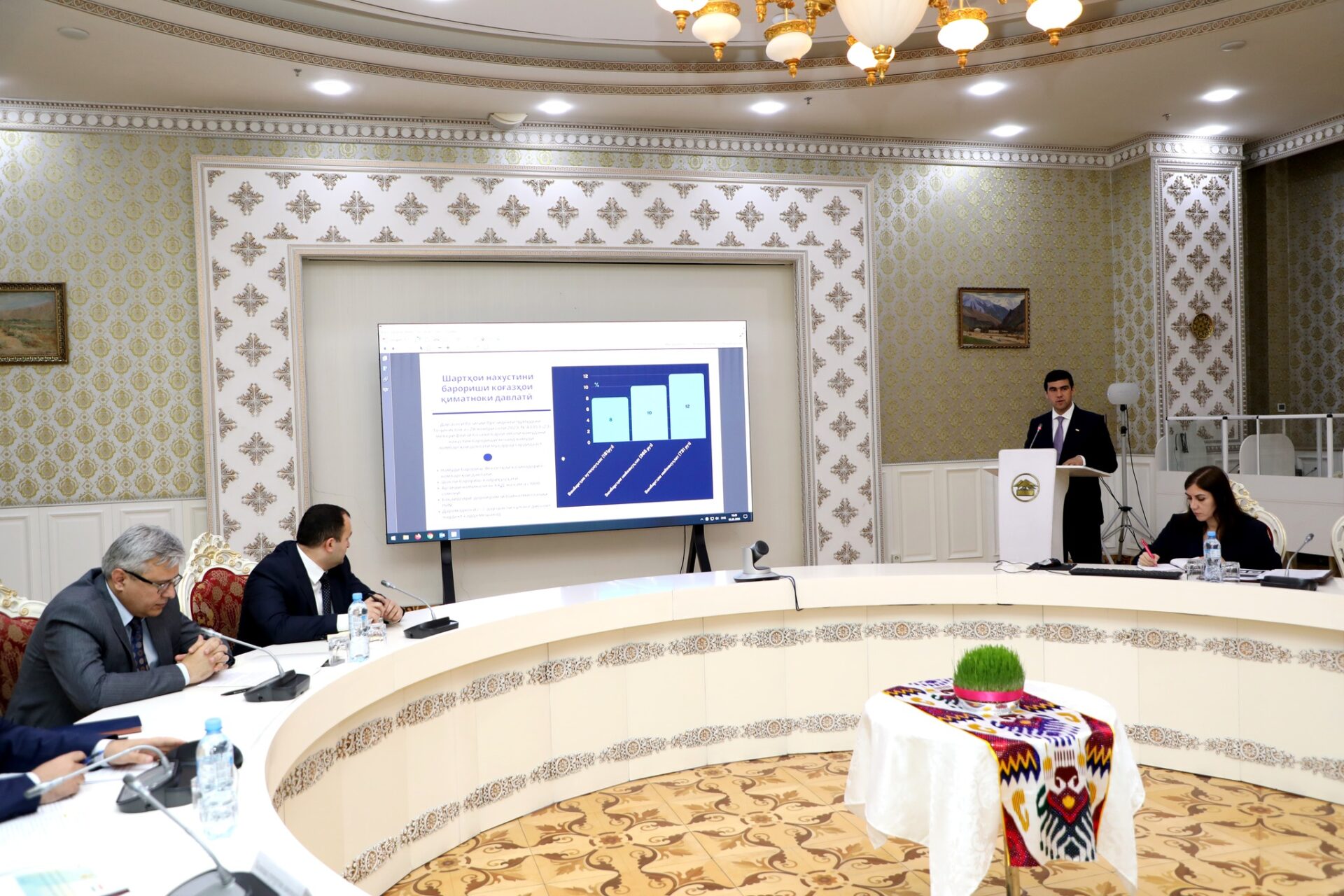
In addition, an analysis was conducted of the implementation of the Action Plan for the implementation of the Decree of the President of the Republic of Tajikistan dated June 22, 2023, No. 586 "On measures to expand non-cash payments" in the country's ministries and departments.
Particular attention was paid to the importance of the Digital Economy Development Program in the context of ensuring and strengthening financial stability.
During the discussion, it was emphasized that, given current global economic trends, in particular the increasing pressure of sanctions between major countries, the ongoing uncertainty in international financial markets, the growing climate risks, and the influence of other external factors, increasing the potential and competitiveness of key areas of the financial sector is particularly urgent.
In this regard, the importance of further developing the securities market, expanding the practice of cashless payments, introducing digital economy tools, and ensuring effective interdepartmental coordination of the activities of relevant ministries and departments was noted.
At the conclusion of the meeting, appropriate decisions were made to ensure the coordinated implementation of the instructions and orders of the President of the Republic of Tajikistan, Emomali Rahmon, aimed at ensuring inclusive and sustainable economic development, reducing the impact of potential risks on the national economy, introducing modern technologies in the financial sector, and addressing other priority issues.
The decisions taken are aimed at further developing the government securities market, expanding the country's cashless payment system, developing the digital economy to ensure financial stability, and implementing other significant measures.
It is noted that the National Financial Stability Council in the Republic of Tajikistan is a permanent interagency advisory body. It was established by Government Resolution No. 331 of June 21, 2018.
The main objective of the Council's activities is to consider issues of ensuring financial stability, identifying potential risks in the financial system and developing appropriate proposals and measures to minimize them.