Translated with AI
































in action against the backdrop of the "two sessions"
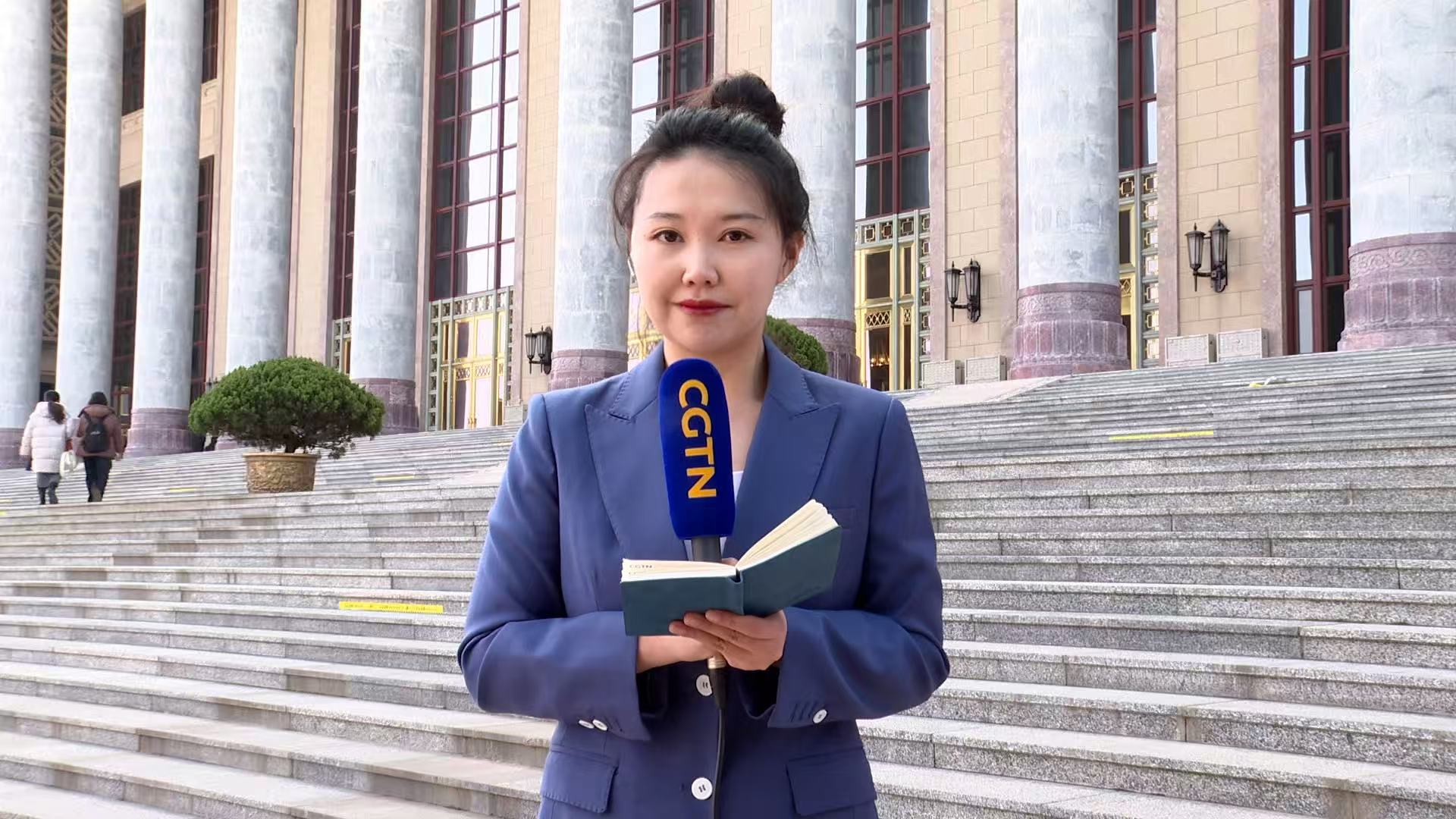
The annual sessions of the National People's Congress (NPC) and the National Committee of the Chinese People's Political Consultative Conference (CPPCC) officially opened in March 2026 in Beijing. Nearly 3,000 deputies to the National People's Congress (NPC) and over 2,000 members of the National Committee of the Chinese People's Political Consultative Conference (CPPCC) gathered in the capital to discuss major state affairs. This was not only a key moment for planning the country's new development program in the opening year of the 15th Five-Year Plan, but also an important platform for monitoring the progress of Chinese-style modernization and understanding China's inclusive people's democracy.
The concept of "comprehensive democracy," according to Chinese President Xi Jinping, lies at the heart of socialist political development with Chinese characteristics. "People's democracy is comprehensive: all important legislation and decisions are made in accordance with the rules, after discussion, and through scientific and democratic decision-making," he emphasized back in 2019.
Today, the principles of "comprehensive democracy" not only underlie China's laws, but are also part of everyday life in Chinese society.
Democracy in the broad sense of the word
China implements the world's most extensive democratic practice—the election of deputies to its people's congresses. According to Chinese President Xi Jinping, whether a state can be considered democratic depends on whether the people are the true masters of the country. This requires considering whether people have the right to vote and, more importantly, the right to participate in decision-making on various issues.
In China, deputies to people's congresses at the county and township levels are elected directly by voters, while deputies to assemblies above the county level are elected by the deputies to the next level.
China has a total of over 2.77 million deputies to people's congresses at all levels, 95% of whom are county and township level deputies, elected by over a billion voters across the country. These deputies are outstanding representatives of all walks of life, including many ordinary workers, farmers, and technical professionals.
The CPPCC National Committee members are divided into 34 groups, including representatives of the Communist Party of China (CPC), democratic parties, social organizations, ethnic minority groups and various walks of life, compatriots from Hong Kong, Macao and Taiwan, and those who have returned from overseas.
The most genuine and effective democracy
According to Chinese President Xi Jinping, "democracy is not a decoration for beauty, but a tool for solving the problems that concern the people." During the "two sessions," NPC deputies introduce bills and act as the voice of the people, while CPPCC National Committee members submit proposals for participation in the discussion and management of state affairs.
In 2025, various departments of the State Council of the People's Republic of China accepted for consideration a total of 8,754 proposals from NPC deputies and 4,868 proposals from CPPCC National Committee members. These documents are a clear example of how public opinion is transformed into state policy.
Let's also consider the process of developing the 15th Five-Year Plan. A month-long online campaign to collect proposals for 2025 received over 3.1 million suggestions from internet users. These ideas formed the basis of the strategic document. "The online campaign to collect proposals for the 15th Five-Year Plan is characterized by a high level of participation and broad coverage. It is a living practice of inclusive people's democracy," Chinese President Xi Jinping once said of the process.
Democracy that hears the voice of the people
To ensure direct communication between the public and legislators, China has established a vast network of nearly 8,000 grassroots contact points at people's congresses. Over the past decade alone, over 66,000 proposals on hundreds of bills have been received and considered through these points.
During the development of the Civil Code of the People's Republic of China, 10 public online surveys were conducted, collecting over one million suggestions and comments from various sectors of society.
In 2025, more than 1,400 members of the CPPCC National Committee submitted approximately 12,000 materials reflecting public sentiment and aspirations. More and more voices from the grassroots are reaching the highest levels of government directly, and citizen proposals are being actively incorporated into key decisions by the Party and government.
At a ceremonial meeting marking the 75th anniversary of the founding of the Chinese People's Political Consultative Conference, Chinese President Xi Jinping emphasized: "Every matter should be consulted, and people's affairs should be discussed by the people. Identifying the people's most fundamental aspirations and needs is the essence of democracy."
The holding of the "two sessions" in 2026 reaffirmed the viability of inclusive people's democracy. This is not just a slogan, but the real experience of more than 1.4 billion Chinese. It is also not just a form, but a powerful driving force for advancing Chinese modernization.
Author: Wang Shiqi