Translated with AI
































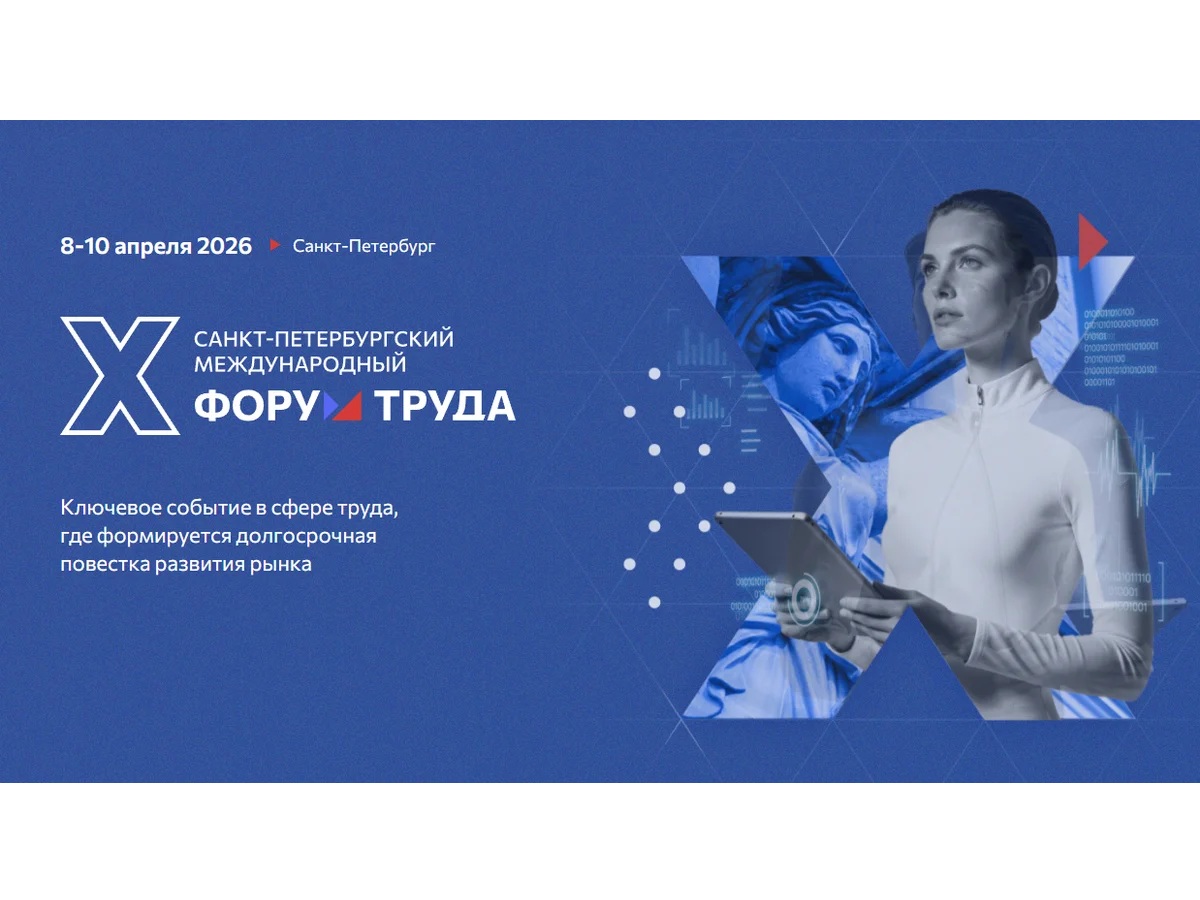
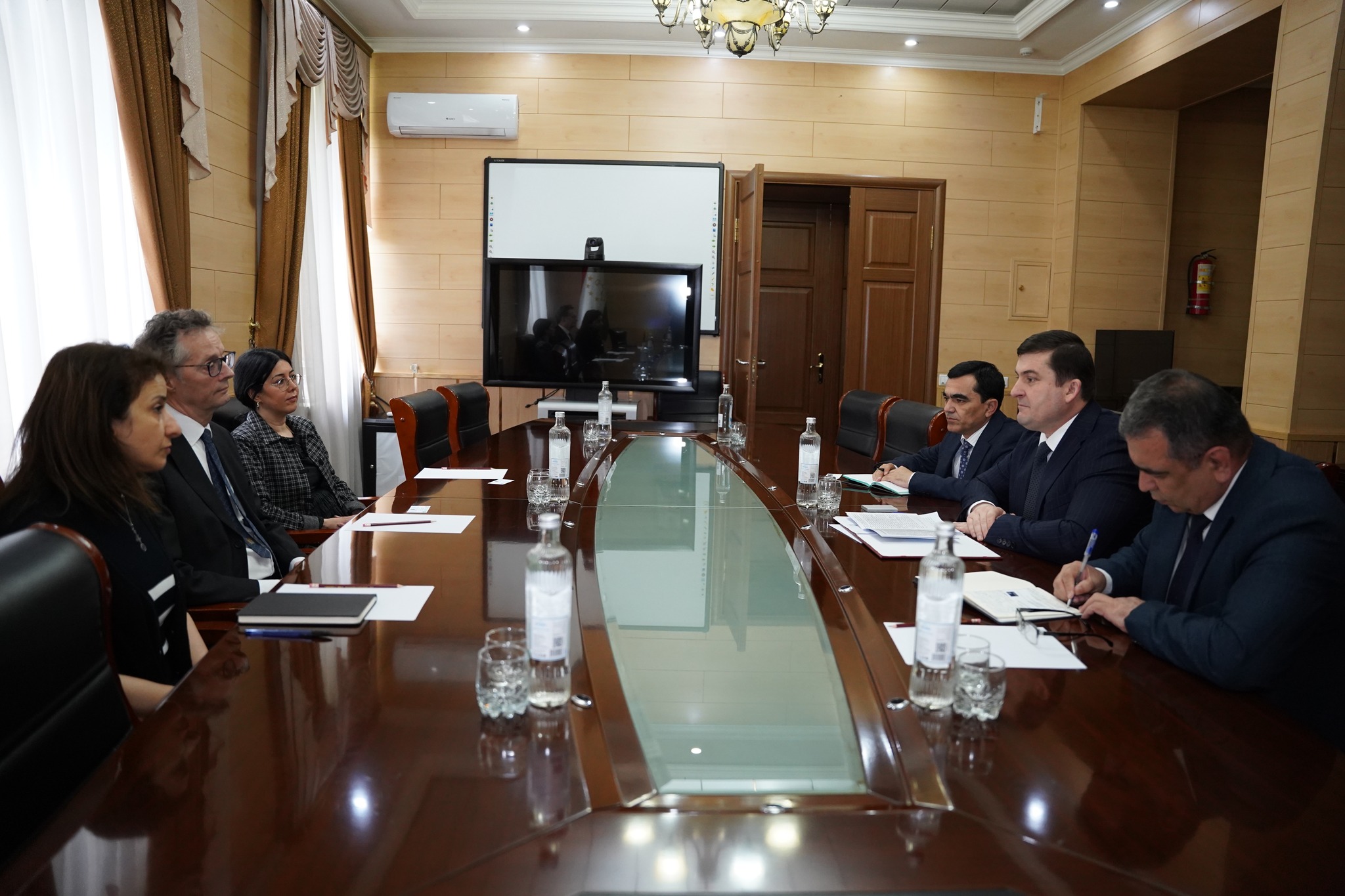
The 10th St. Petersburg International Labor Forum is taking place in St. Petersburg from April 8 to 10, 2026. The event included an international conference, "Common Migration Space of the CIS States: Current Challenges and Development Prospects," according to the press service of the Organization's Executive Committee.
The conference's main topics included the national characteristics of the Commonwealth's migration policies, common ground, and existing barriers to the free movement of labor. Participants examined practices for attracting qualified specialists from both CIS countries with visa-free travel and friendly states with visa requirements, as well as effective tools for targeted recruitment, pre-migration professional training, and the adaptation of personnel to the specific needs of the Commonwealth's economies.
Deputy Secretary General of the CIS Nurlan Seitimov took part in the conference.
Addressing the participants, he noted that the development of a coordinated migration policy in the CIS is being carried out taking into account global trends and is one of the priority areas of integration.
"The Commonwealth's countries and bodies are conducting coordinated work to improve the legal and organizational framework for cooperation in the migration sphere, aimed at regulating labor migration, combating illegal migration, and ensuring the protection of the rights and legitimate interests of migrants," he emphasized.
According to Nurlan Seitimov, a number of documents have been adopted and are being implemented at the level of heads of state and government, model legislation is being updated, and specialized bodies for CIS industry cooperation are functioning.
He noted that the key migration objectives are reflected in the Concept for the Further Development of the CIS and the Strategy for Economic Development of the CIS until 2030. To this end, the Concept for the Phased Formation of a Common Labor Market and the Regulation of Labor Migration has been adopted, and expert review of a draft comprehensive program for its implementation is currently being completed.
In addition, a draft agreement on cooperation in matters of medical insurance for migrant workers and their family members is being developed within the CIS.
It was also noted that the Interparliamentary Assembly of Member Nations of the CIS supported the initiative of the Council of Heads of Migration Authorities to prepare a new version of the Concept of a Common Migration Space, work on which is nearing completion.
At the same time, as the CIS Deputy Secretary General emphasized, in the context of the complex geopolitical situation, problems associated with forced and uncontrolled migration, as well as the accompanying illegal activities, have become more acute.
He noted that, to minimize the consequences of these challenges, migration legislation and law enforcement practices are being adjusted in CIS countries, which affects the interests of migrants, their families, government agencies, and businesses.
Nurlan Seitimov also discussed the specifics of implementing migration policy in Belarus, Kazakhstan, and Russia, emphasizing that the participation of representatives from parliaments, ministries of internal affairs, migration, labor, and social protection agencies, as well as international organizations and the expert community, demonstrates the high level of interest in this topic.