Translated with AI

























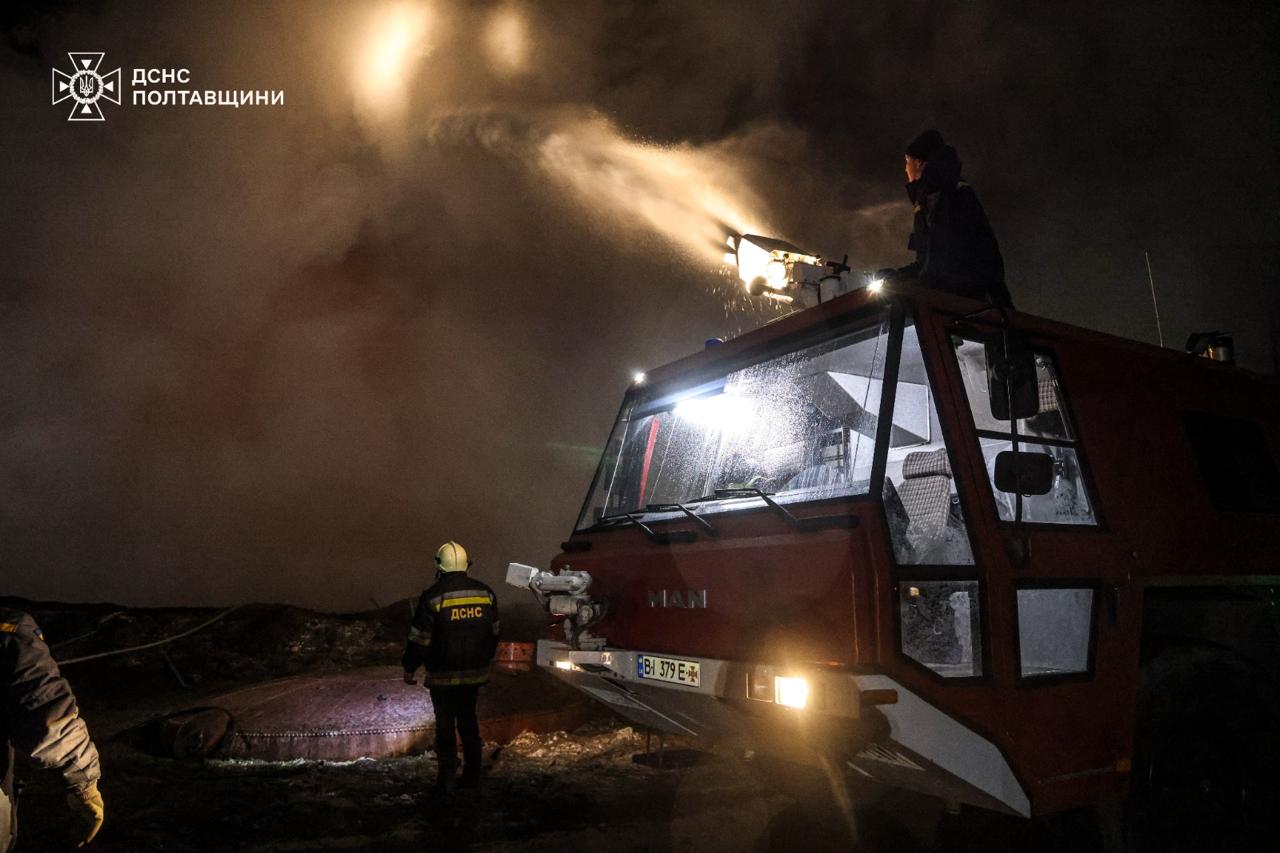
A 50-year-old man was killed in a Russian-led overnight attack in the Kyiv region. Mykola Kalashnik, head of the Kyiv Regional Military Administration, announced this on Telegram. He said the incident occurred in the Bucha district. Medics provided emergency aid to the victim, but were unable to save his life.
Kyiv Mayor Vitali Klitschko, in turn, reported that a resident of the Dniprovskyi district of the Ukrainian capital was injured in a Russian air strike. The woman received medical treatment in the inpatient department of a Kyiv hospital.
According to Vitali Klitschko, 5,635 multi-story buildings were left without heat following Russia's attack on Kyiv. He noted that nearly 80 percent of these buildings were already experiencing heat restoration following the massive attack on January 9. The mayor also clarified that by the evening of January 19, heat had been fully restored to all but 16 of the 6,000 buildings damaged by the January 9 strike.
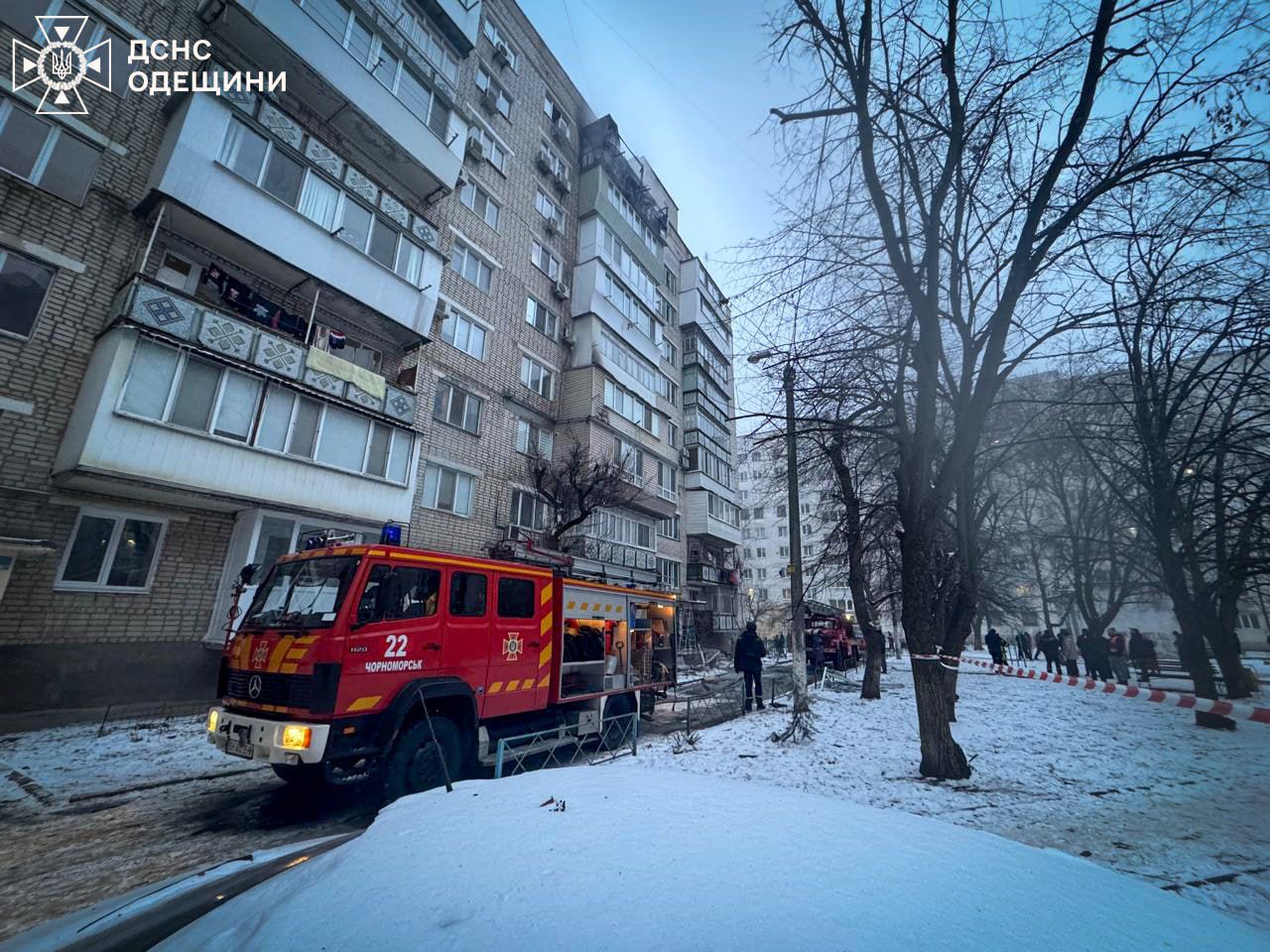
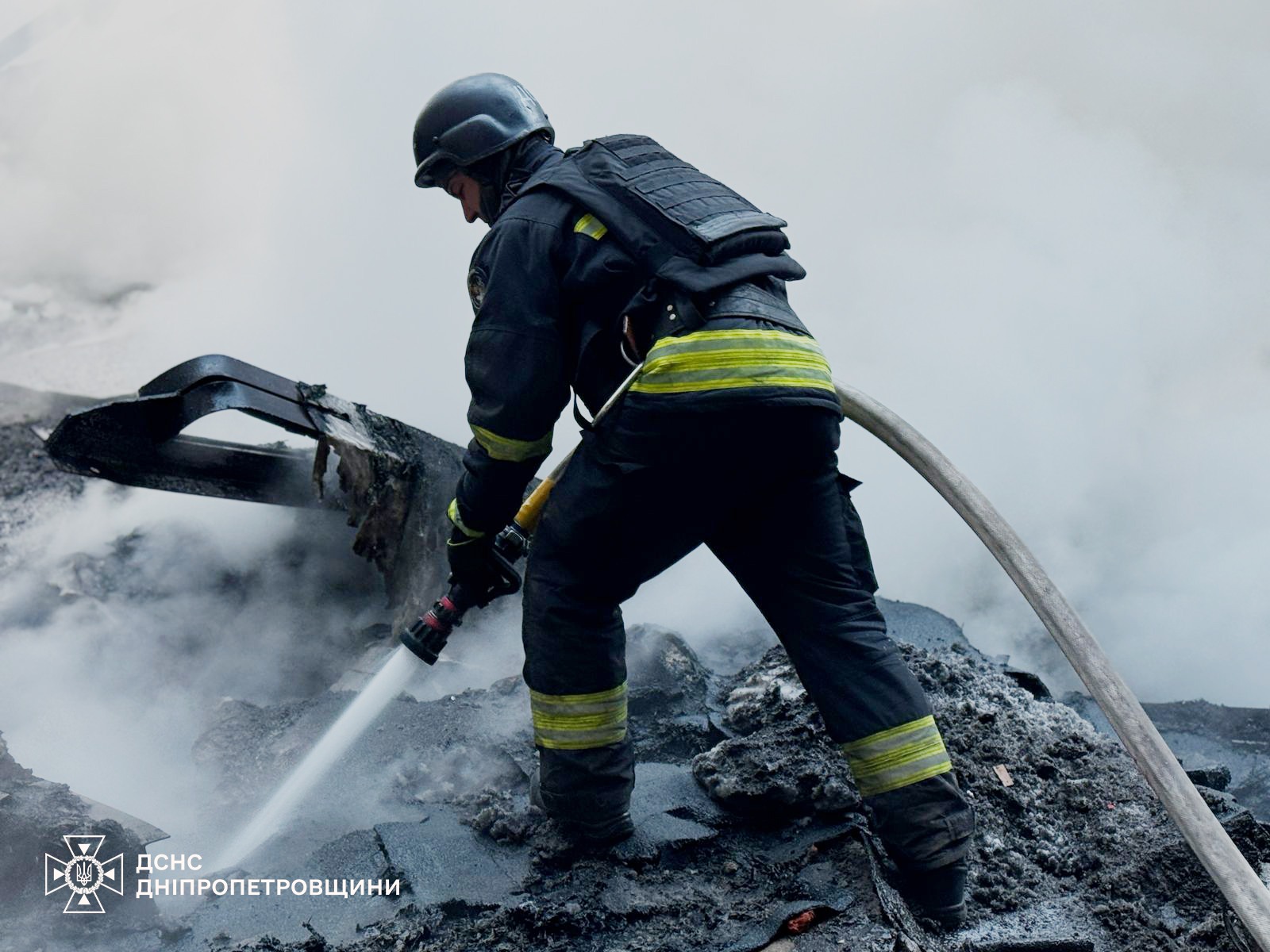
Furthermore, as a result of the attack by the Russian Armed Forces, several residential buildings on the left bank of the Dnieper River in Kyiv were left without water supply. According to Vitali Klitschko, utility companies and energy workers are continuing to restore heat, water, and electricity to the buildings.
Around midday on January 20, energy company DTEK reported on Telegram that power had been restored to 162,000 homes following Russian shelling. It also noted that 335,000 customers in Kyiv remained without power as a result of the Russian attack overnight. The company noted that emergency power outages are ongoing in the Ukrainian capital, and scheduled power outages are currently not in effect.
As reported by the Ukrainian Air Force in its morning report, on the night of January 20, Russia attacked Ukrainian territory with one Zircon anti-ship missile launched from the area of annexed Crimea, 18 Iskander-M and S-300 ballistic missiles launched from the Bryansk and Rostov regions of the Russian Federation, and 15 Kh-101 cruise missiles launched from the Volgograd region of the Russian Federation.
Additionally, according to Ukrainian authorities, Russia deployed 339 unmanned aerial vehicles, including approximately 250 Shahed drones. The launches were carried out from Kursk, Orel, Millerovo, Primorsko-Akhtarsk, Shatalovo, and Bryansk in the Russian Federation, from the Gvardeyskoye Air Base and Cape Chauda in annexed Crimea, and from the Donetsk region.
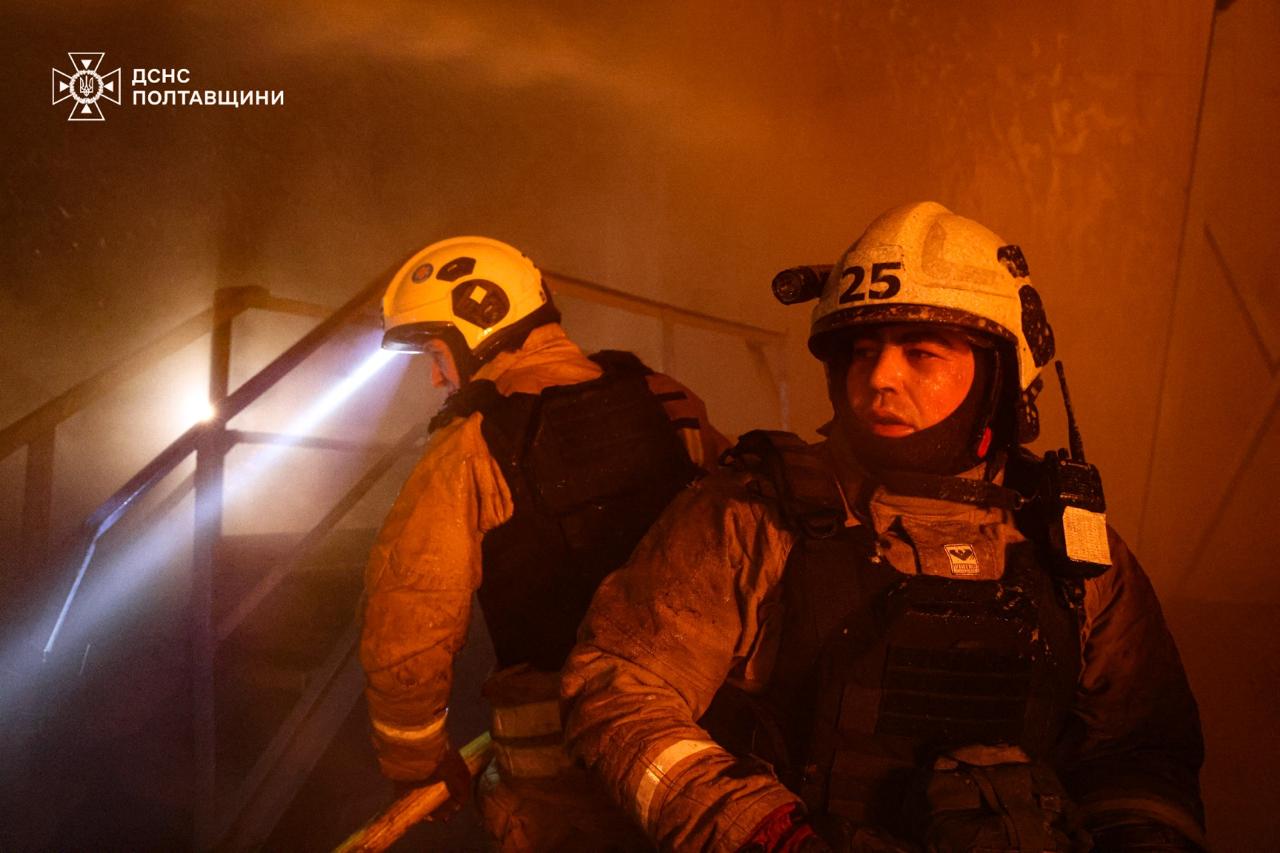
The Kyiv region of Ukraine was the main focus of the strike. According to preliminary data from the Ukrainian Air Force, air defense assets managed to shoot down or suppress 342 aerial targets, including 14 Iskander-M and S-300 ballistic missiles, 13 Kh-101 cruise missiles, and 315 unmanned aerial vehicles in the north, south, east, and central regions of the country.
At the same time, according to the report, five Russian missiles and 24 attack drones reached their targets at 11 locations. Furthermore, debris from downed drones was recorded falling at 12 locations.
Commenting on the attack on social media, Ukrainian President Volodymyr Zelenskyy reported that the strikes targeted Kyiv and the Kyiv region, as well as Vinnytsia, Dnipro, Odesa, Zaporizhzhia, Poltava, Sumy, and other regions of the country. He noted that Ukraine had recently received another batch of air defense missiles from its Western allies, which allowed it to strengthen its airspace defense. Zelenskyy also emphasized the urgent need for further supplies of such weapons.
"We are in critical need of missiles for the Patriot anti-aircraft missile systems, NASAMS, and other air defense systems," the Ukrainian president wrote.