Translated with AI




















Tajikistan has advocated for the joint development of legal mechanisms for regulating new technologies, including artificial intelligence, with Central Asian countries. This was announced at the Central Asian Cyber Legal Forum 2025, which took place for the second time on December 10 in Bishkek, Kyrgyzstan.
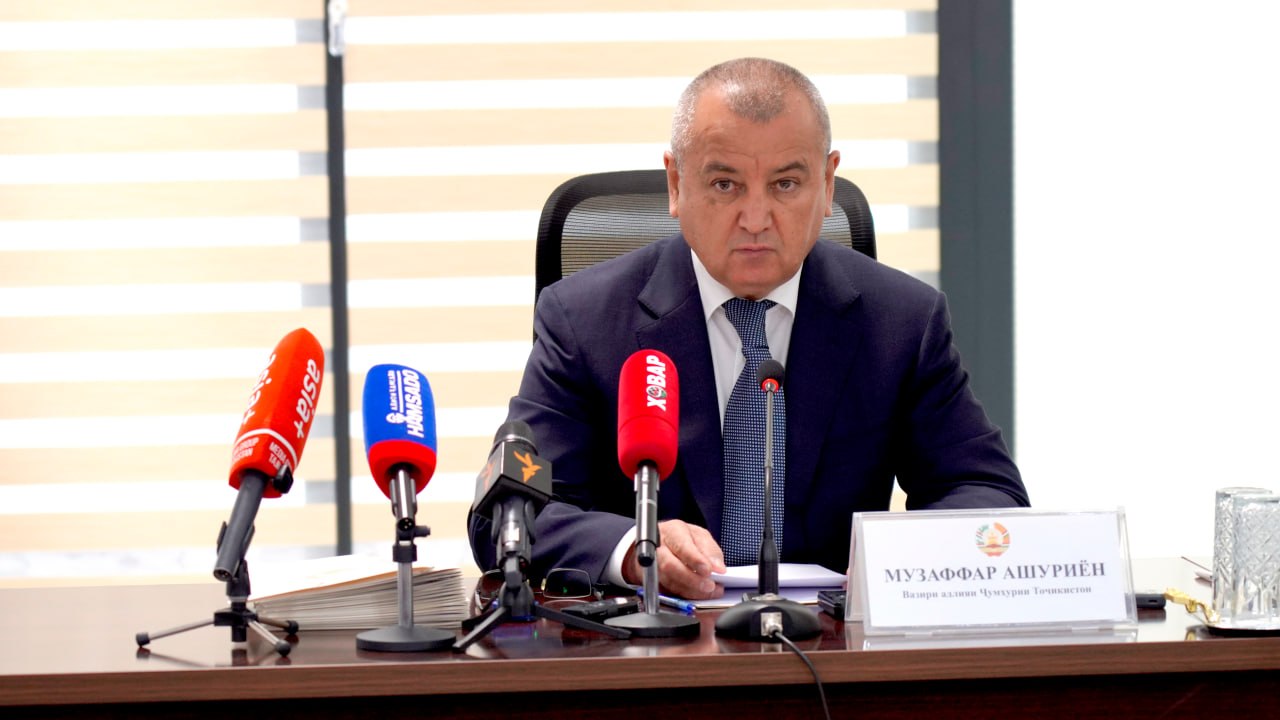
Shohnazar Kholnazarzoda, Deputy Head of the Communications Service under the Government of the Republic of Tajikistan, delivered a corresponding statement on behalf of the Republic of Tajikistan. In his speech, he emphasized the importance of sustainable development of the digital environment, the need to improve the legal framework regulating new technologies, including artificial intelligence, and the key role of regional cooperation in ensuring digital security.
According to him, Tajikistan supports the search for a sustainable balance between technological innovation and its legal regulation. He noted that the exchange of experience between Central Asian countries in this area could significantly contribute to the development of effective digital governance and strengthening digital security in the region.

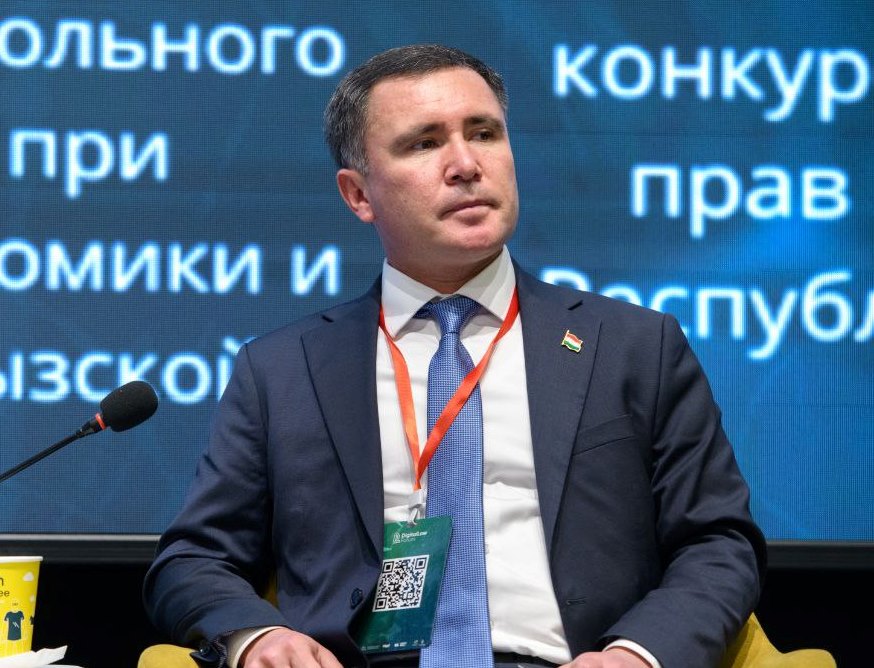
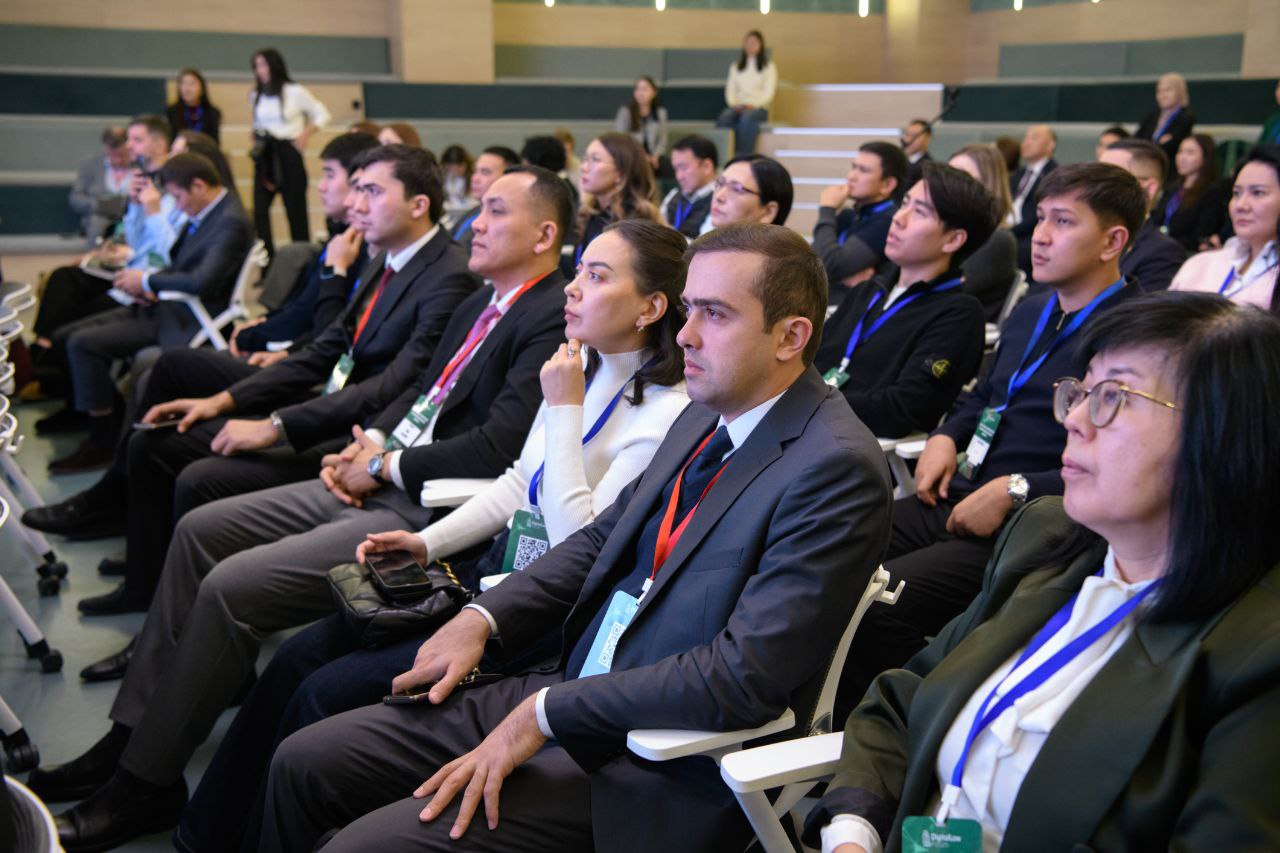
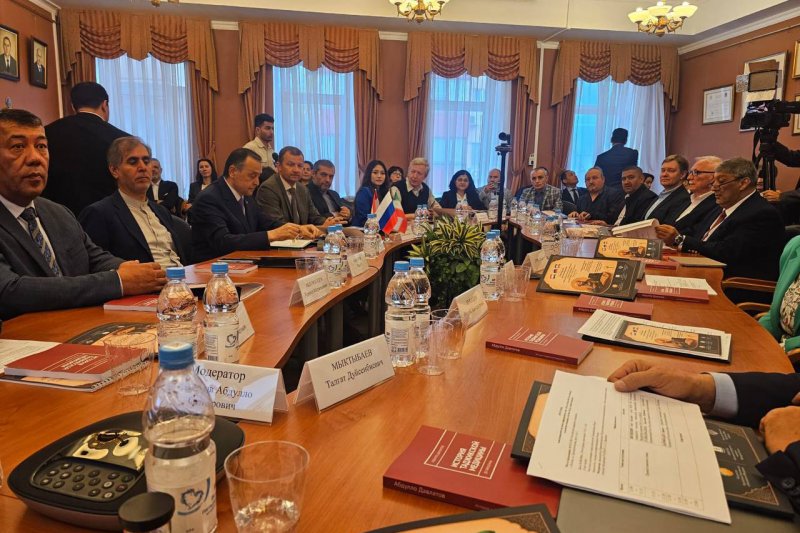
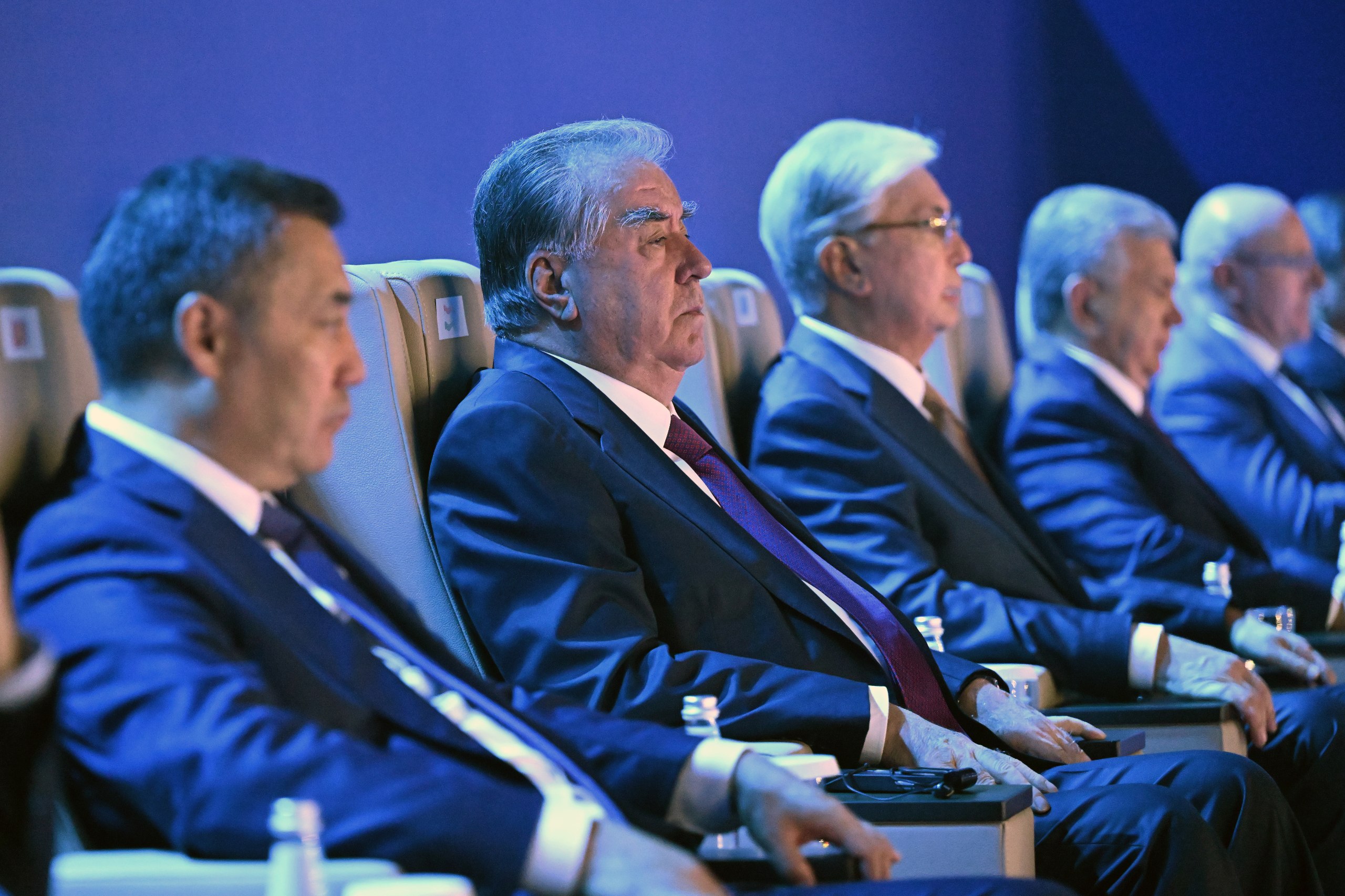
The forum brought together representatives and experts from all Central Asian countries, government agencies, the legal community, and companies operating in the digital industry. The event served as a platform for dialogue between lawyers, government officials, and digital industry leaders.
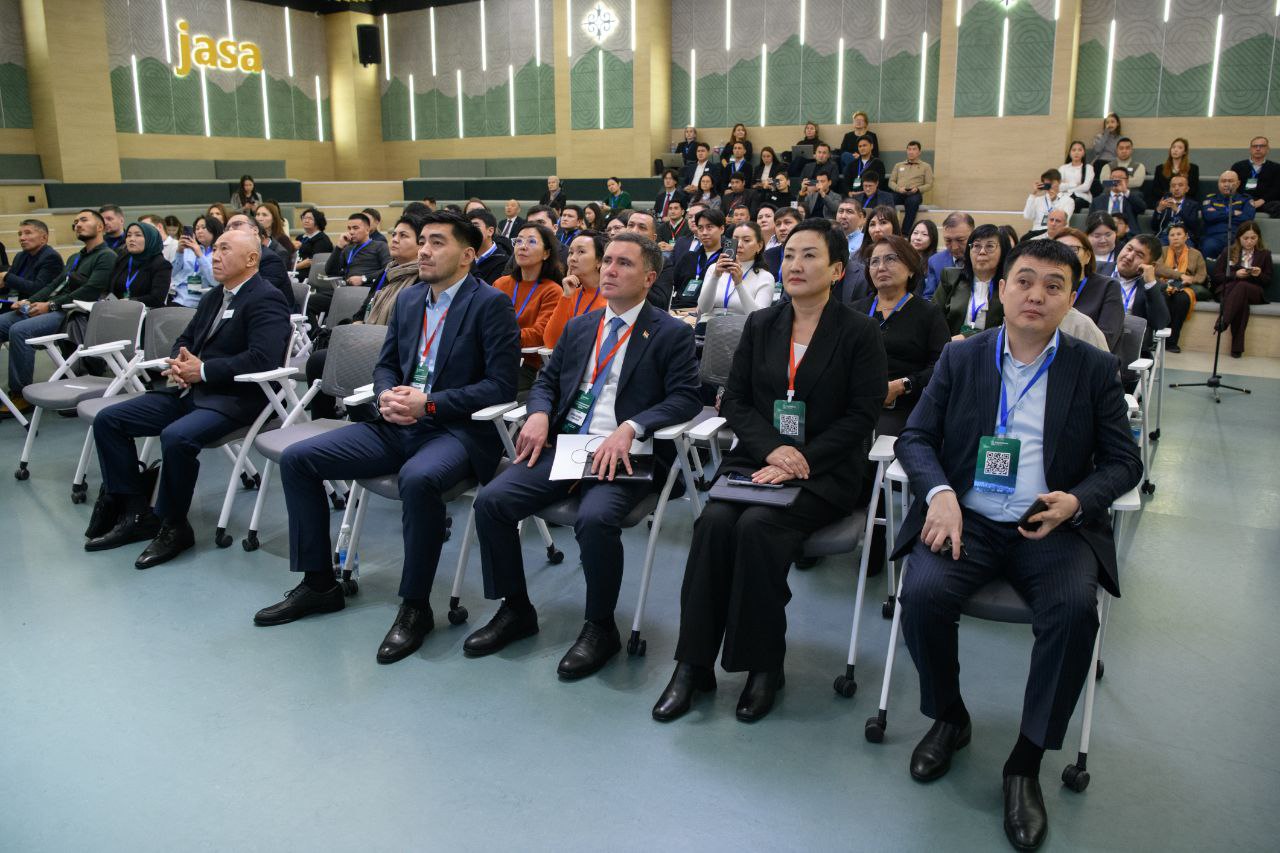
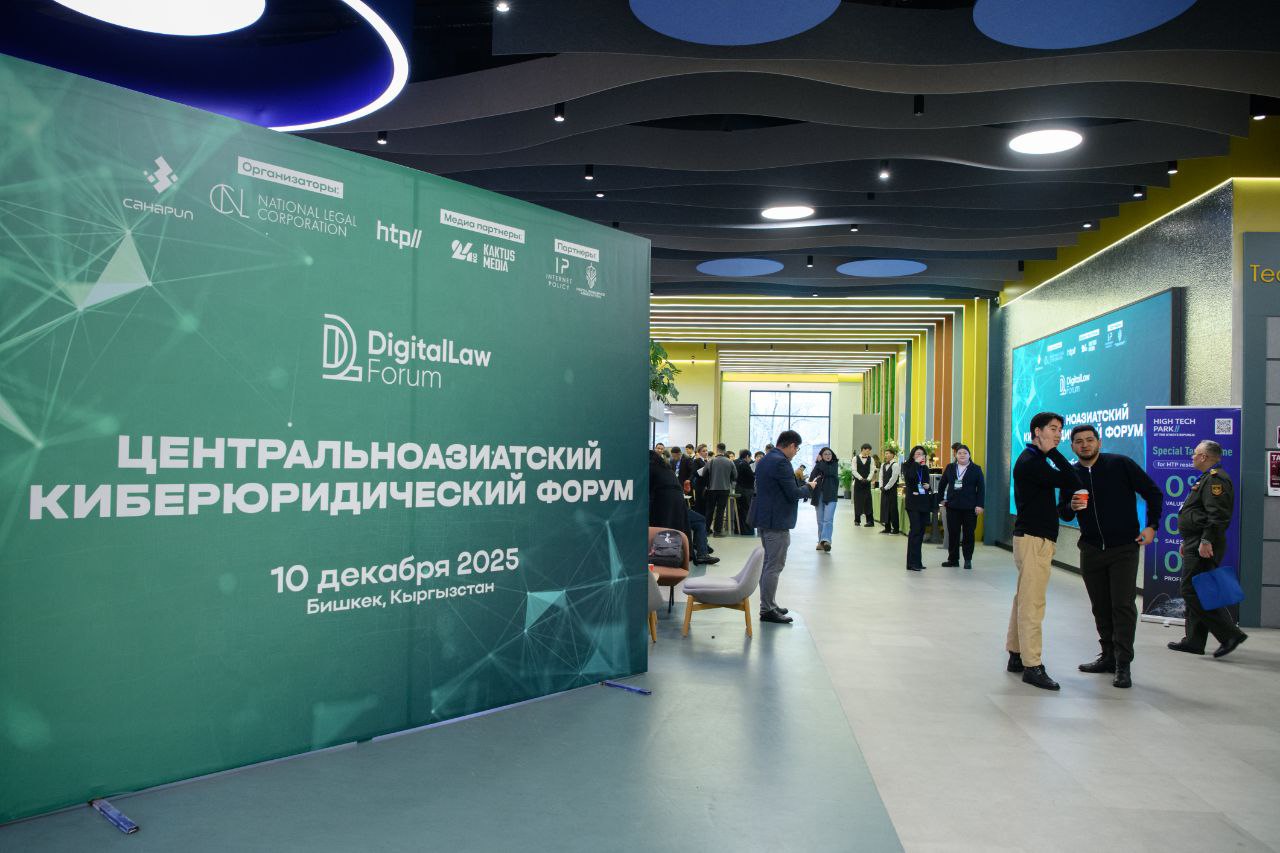
During the forum, participants discussed developing a general picture of changes occurring in the legal system in the digital age, stimulating the development of digital law as a distinct field of knowledge and legal science, and developing recommendations for improving legislation and law enforcement practices. Furthermore, issues related to artificial intelligence, digital infrastructure, the labor market, and the legal liability of algorithms were addressed.
The participation of the Tajik delegation in the Central Asian Cyber Law Forum 2025 was noted as evidence of the country's leadership's growing attention to digital law issues and its willingness to cooperate with regional partners to shape a balanced digital future for Central Asia.