Translated with AI

























"The upcoming Shanghai Cooperation Organization (SCO) summit in Tianjin has three main missions: achieving consensus among all parties, stimulating the driving force of cooperation, and planning for future development," Ambassador Fan Xianrong, responsible for the work of the Chinese national coordinator of the SCO, said in an interview with Xinhua News Agency.
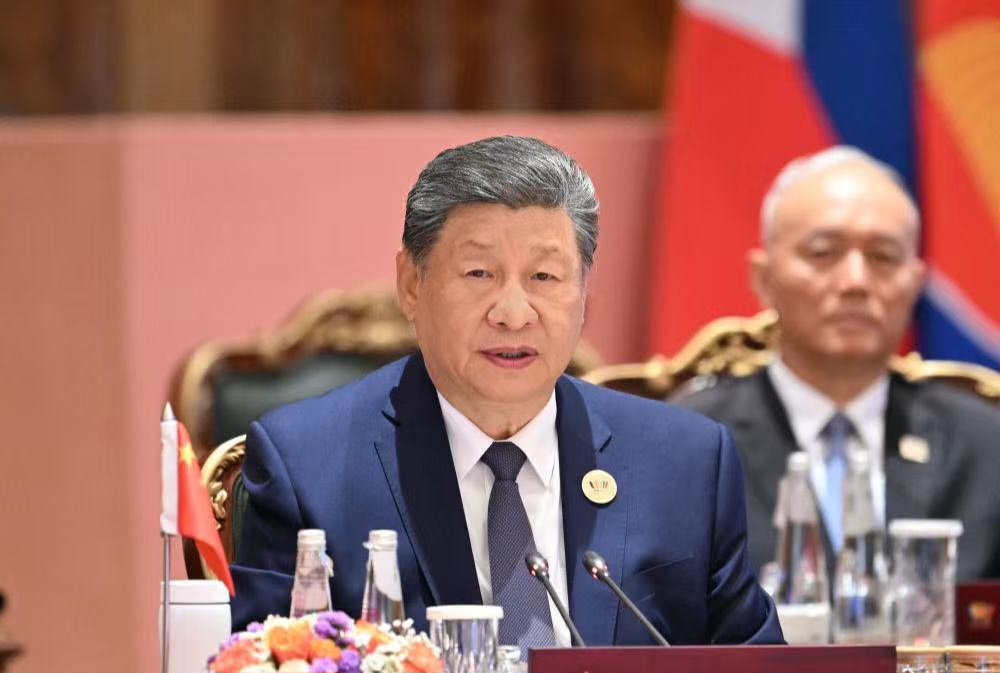
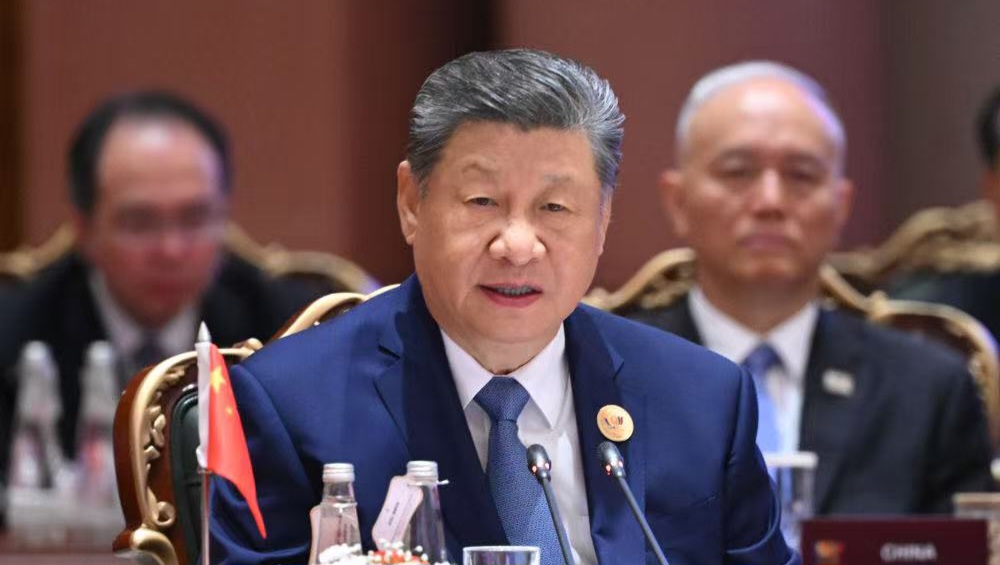
The largest SCO summit since its inception will be held from August 31 to September 1 in Tianjin, northern China. Chinese President Xi Jinping will chair the 25th meeting of the SCO Heads of State Council and the "SCO Plus" meeting, where he will deliver keynote speeches. At the invitation of the Chinese side, more than 20 foreign leaders and 10 senior officials from international organizations will participate in the summit.
According to Fan Xianrong, China strives to make the Tianjin Summit friendly, united, and fruitful. The leaders of the SCO member states will sign and publish a declaration, approve the SCO development strategy for the next 10 years (2026-2035), issue statements on the occasion of the 80th anniversary of Victory in World War II and the 80th anniversary of the founding of the United Nations, and adopt a number of final documents on strengthening cooperation in security, economic, and humanitarian spheres.
The SCO was founded in Shanghai on June 15, 2001. It occupies a particularly important place in the overall planning of Chinese diplomacy and is an important priority for China's diplomatic work with neighboring countries.
"Since assuming office as President of the People's Republic of China, Xi Jinping has attended every SCO summit. Based on the strategic vision of the leader of a major power, he personally plans and leads relevant work, setting directions and outlining plans for the organization's development. He promotes the SCO's conceptual innovations, keeping pace with the times, charting areas for pragmatic cooperation within the SCO, focusing on economic development and improving public welfare, and guiding the SCO toward active participation in improving global governance," said Fan Xianrong.
He said that in the 24 years since the founding of the SCO, thanks to China's active contribution and the joint efforts of all parties, the organization has creatively put forward and implemented the "Shanghai Spirit," characterized by mutual trust, mutual benefit, equality, mutual consultation, respect for cultural diversity, and the pursuit of common development.
"By comprehensively promoting cooperation in areas such as politics, security, economics, and humanitarian affairs, the SCO has made an important contribution to maintaining regional security and stability and promoting the development and prosperity of various countries. It has embarked on a fruitful path of peaceful development and serves as a model for building a new type of international relations," the Chinese diplomat added.
Fan Xianrong noted that the "Shanghai Spirit," which is the "root" and "soul" of the SCO, is highly consistent with the goals of the United Nations Charter. It is inextricably linked to the Five Principles of Peaceful Coexistence and fully meets the demands of the organization's member states in their pursuit of stability, development, and unity. It has transcended such outdated concepts as the Cold War mentality and the clash of civilizations and has been widely recognized by the international community.
From its original six founding members to the "extended SCO family" spanning three continents—Asia, Europe, and Africa—and comprising 26 countries, including 10 member states, two observer states, and 14 dialogue partners, the SCO has become the world's largest comprehensive regional cooperation organization in terms of geographic reach and population. Its influence, appeal, and international appeal continue to grow.
"The SCO will continue to open its doors and welcome more countries that endorse the Shanghai Spirit to join the 'big SCO family,'" Fan Xianrong said.
China assumed the rotating SCO Presidency in July 2024 following the Astana Summit. According to Fan Xianrong, under the slogan "Advancing the Shanghai Spirit: SCO in Action," China, guided by Xi Jinping's initiative to build a common home characterized by unity and mutual trust, peace and tranquility, prosperity and development, as well as good-neighborliness, friendship, and justice, and focusing on the theme of the "Year of Sustainable Development," facilitated the implementation of more than 100 events during its Presidency, effectively promoting infrastructure connectivity, the alignment of regulations and standards, and the rapprochement of peoples among the SCO countries.
"China will take more pragmatic measures and adopt a more progressive approach to advancing cooperation in the areas of politics, security, trade, economics, and people-to-people ties, as well as institutional reforms within the SCO, in order to contribute to improving the well-being of the peoples of the SCO countries and promote the building of a closer SCO community with a shared future," Fan Xianrong said.
The diplomat noted that the SCO is currently at a key stage in improving the quality and level of its development, facing both opportunities and challenges.
"China will work with all parties to promote the high-quality development of the SCO, focusing on five aspects of work: improving security mechanisms, jointly creating and seizing development opportunities, continuously strengthening good-neighborliness and friendship, upholding international fairness and justice, and maintaining openness and inclusiveness," Fan Xianrong said, adding that the organization, through the "SCO Plus" model, will attract more countries to participate in cooperation in various fields within the SCO framework, so as to bring more stability and positive energy to achieving long-term peace and common prosperity throughout the world.
"The Tianjin Summit will be held at a global level to meet the expectations of all parties. It will lead the SCO to a new stage of high-quality development, characterized by greater solidarity, closer cooperation, more dynamic vitality, and greater effectiveness," Fan Xianrong noted.