Translated with AI












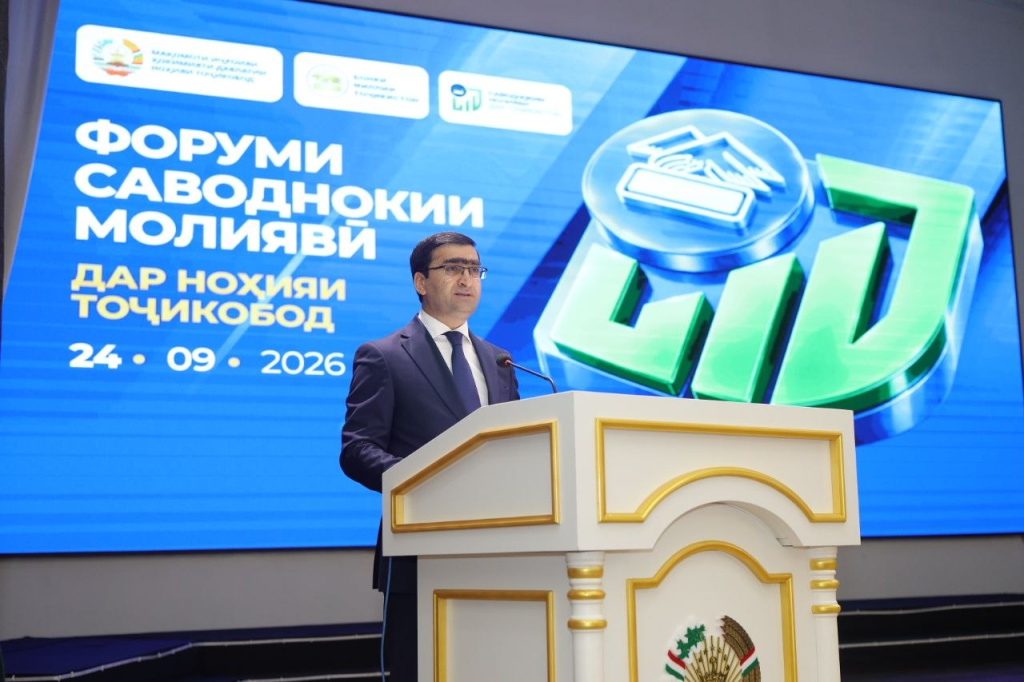




















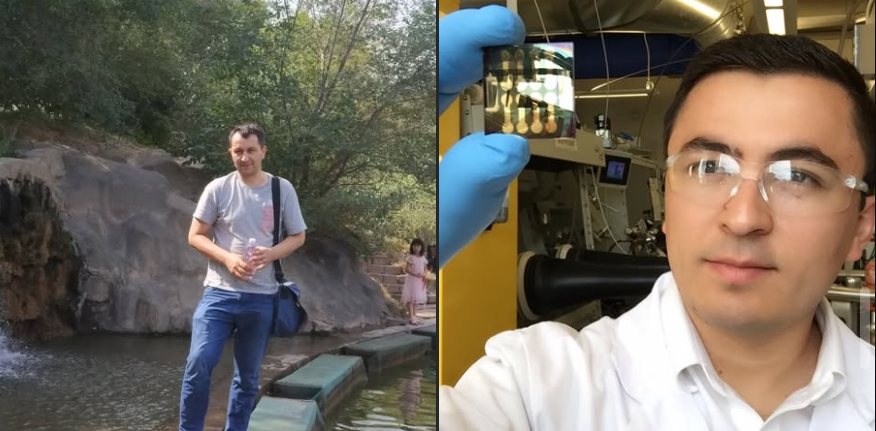
Two scientists from Tajikistan have been included in the prestigious "World's Top 2% Scientists" list, published annually by Stanford University. Since 2019, Professor John P. A. Ioannidis, the author of the ranking, has been systematically analyzing the research activity of specialists and identifying those scientists whose work is most cited in their field. This list includes more than 100,000 scientists worldwide. In 2025, only two representatives from Tajikistan were included – Professors Mahsud Saidminov and Farukh Sharopov ,according to the Academy of Sciences of Tajikistan.
Rating methodology
The list is compiled based on data from the Scopus (Elsevier) scientific database. For each scientist, publications as of August 1, 2025, are taken into account, including the number of articles, number of co-authors, number of citations, and year of publication.
All scientists are classified into 22 main scientific fields and 174 subfields according to the Science-Metrix classification. Two metrics are used for evaluation: career-long (over the entire career) and single-year (citation impact in one year).
When compiling the rating, the following indicators are analyzed:
-
Nc (non-self citations) is the number of citations of a scientist’s work without taking into account self-citations;
-
h-index — the scientist's Hirsch index according to Scopus;
-
Composite indicators / c-score — a complex indicator that combines citations, the author's role in the publication (position in the list of authors), co-authorship and other factors reflecting scientific influence;
-
Co-authorship adjustment — adjustment of the role of each co-author in joint publications with a large number of authors;
-
The options with self-citations / excluding self-citations are considered to minimize the impact of self-citations.
Scientists with the highest c-scores are included in the top 2% of global specialists, and in sub-sectors, those who are in the top 2% (percentile ≥ 98%) are recognized as the best.
Advantages and limitations of rating
The list covers scientists from all major and sub-fields, takes into account a wide range of indicators, and allows for objective comparison of specialists within their field. The methodology is transparent, and the results are verifiable.
However, the ranking has limitations: the number of citations does not always reflect the significance of a work. Some scientists may manipulate citations or resort to self-citations. There is also a distinction between young and experienced researchers, as citations accumulate over the years. Furthermore, only the Scopus database is considered, and publications outside of it are not included.
Ranking position in the global scientific community
The list of the world's best scientists is an authoritative indicator of scientific activity and international recognition. At universities and research institutes around the world, it serves as a benchmark for a specialist's success and is taken into account when awarding grants, prizes, and employment.
Tajikistan among the world's top scientists
In 2025, two Tajik researchers were included in the ranking in the field of chemistry: Farukh Sharopov and Makhsud Saidminov .
Farukh Sharopov
Farukh Safolbekovich Sharopov was born on June 6, 1976, in Tajikistan. In 1998, he graduated with honors from the Chemistry Department of Tajik State University, specializing in Chemistry and Engineering. From 1999 to 2002, he completed his postgraduate studies at the V.I. Nikitin Institute of Chemistry of the Academy of Sciences of Tajikistan, and in 2002, he defended his PhD dissertation on "Hyssopus seravshanicus Essential Oil and Its Sorption on Bentonite Clays of Tajikistan," specializing in Physical Chemistry.
From 2003 to 2005, he worked as a senior researcher, and from 2005 to 2012, as a leading researcher at the V.I. Nikitin Institute of Chemistry. From 2016 to 2018, he taught at the Department of Pharmaceutical Technology at Avicenna Medical University. Since 2019, he has been a senior researcher at the Research Center "China-Tajik Innovation Center for Natural Products" of the Academy of Sciences of Tajikistan. On October 2, 2025, he defended his doctoral dissertation on "Chemical Study of Secondary Metabolites of Essential Oil Plants Using Gas Chromatography and Mass Spectrometry" in the specialty "Organic Chemistry."
According to Scopus data as of October 14, 2025, Sharopov is the author of 105 scientific publications, cited 6,881 times, with an h-index of 40. He has been in the top 2% of scientists in the world since 2021, during which time his position in chemistry has risen from 338,657 to 169,165. In the pharmaceutical and biomolecular chemistry subfield, excluding self-citations, he ranks 692nd.
Makhsud Saidminov
Mahsud Ismatboevich Saidminov was born in 1988 in Tajikistan, the son of Professor Ismatboy Saidminov. He studied at Lyceum No. 1 in Isfara and is also known as Abdulhafiz Azizov. He is a Canada Research Chair Tier II in Advanced Functional Materials and a professor in the Department of Chemistry at the University of Victoria, Canada. He received his education at Lomonosov Moscow State University (2005–2010, and his doctoral studies from 2010–2013). He completed a postdoctoral internship at KAUST, worked as a visiting researcher at MIT, and taught at the University of Toronto.
According to Scopus data as of October 14, 2025, Saidminov has authored 170 publications, has been cited 24,886 times, and has an h-index of 69. He has been ranked among the top 2% of scientists in the world since 2020, during which time his position in the field of strategic technologies has increased from 38,158 to 18,750. In the subfield of nanoscience and nanotechnology, excluding self-citations, he ranks 630th.
Conclusion
Science is global in nature and is not limited to one country or scientific institute. It is important for Tajik researchers to publish their work in prestigious international journals so that their research is accessible, used, and cited by other specialists. This contributes to the country's standing in the global scientific arena and increases the number of Tajik researchers in international rankings.