Translated with AI
































In Tajikistan, for the first time, a patient with a cyst formed after pancreatic necrosis underwent a successful sequestrectomy and endoscopic cystoduodenostomy without a surgical incision. This was reported by the Ministry of Health and Social Protection of the Population of Tajikistan.
The operation, which became the first such practice in the country's healthcare system, was performed at the State Institution "Republican Scientific Center for Cardiovascular Surgery".
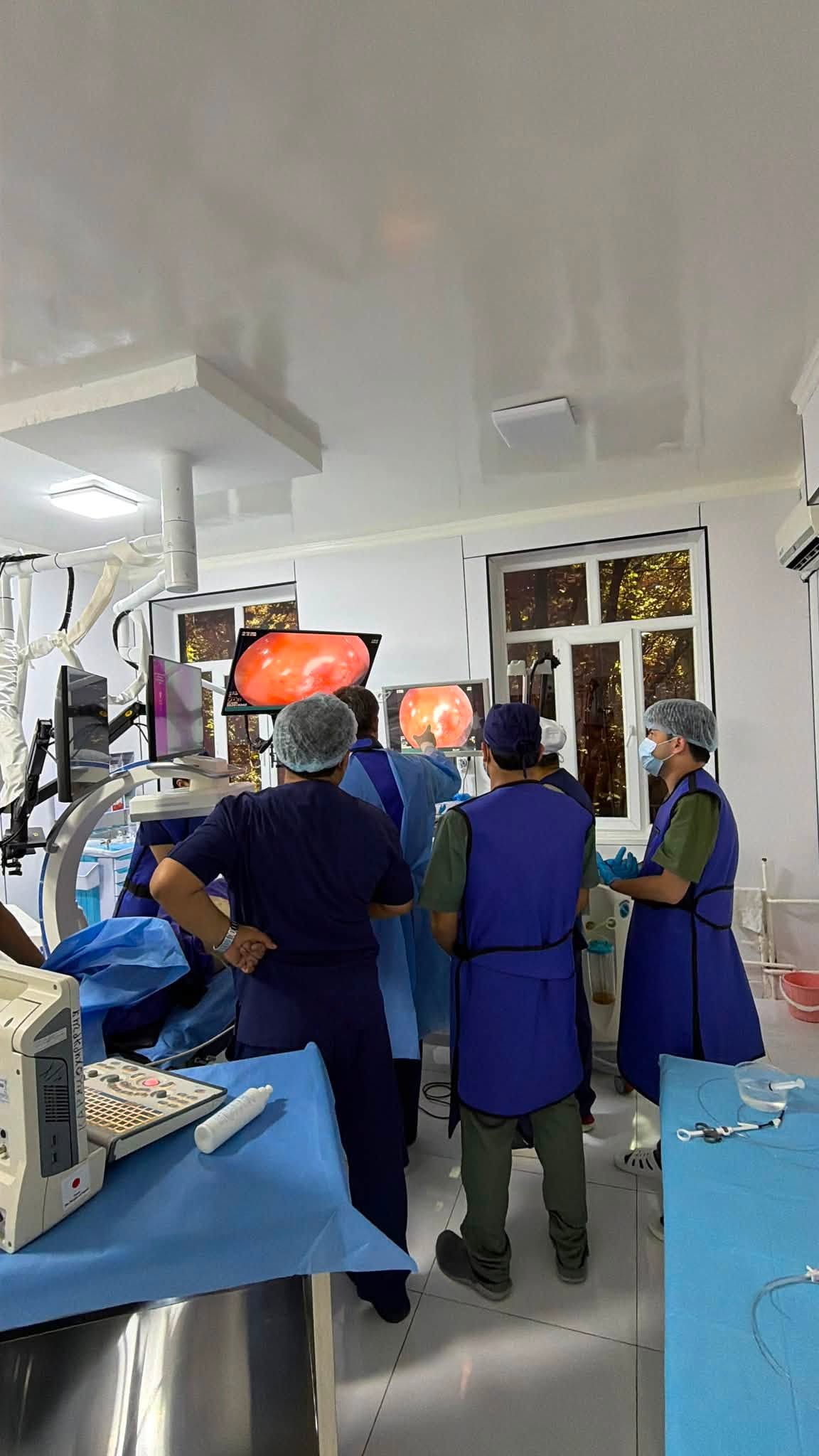
For the first time in the republic, doctors performed an endoscopic removal of necrotic tissue (sequestrectomy) and an endoscopic cystoduodenostomy on a 43-year-old patient with a cyst following pancreatic necrosis. The entire procedure was performed endoscopically, through the mouth, without a surgical incision.
The operation was performed by Sorbon Musayev, head of the diagnostics and treatment department at the Republican Scientific Center for Cardiovascular Surgery and candidate of medical sciences, together with Dzhakhangir Amirov, an ultrasound diagnostics doctor at the same institution.
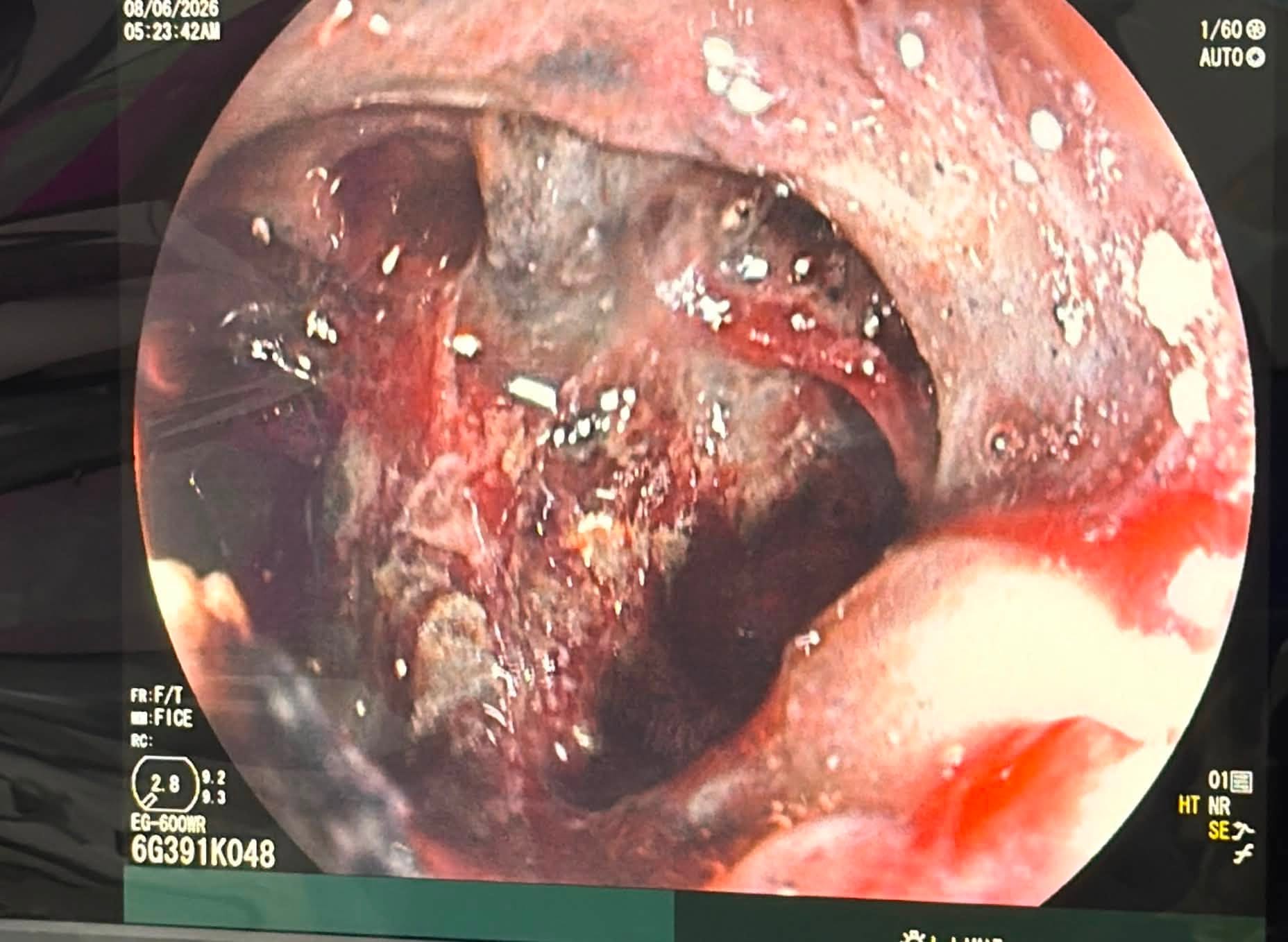
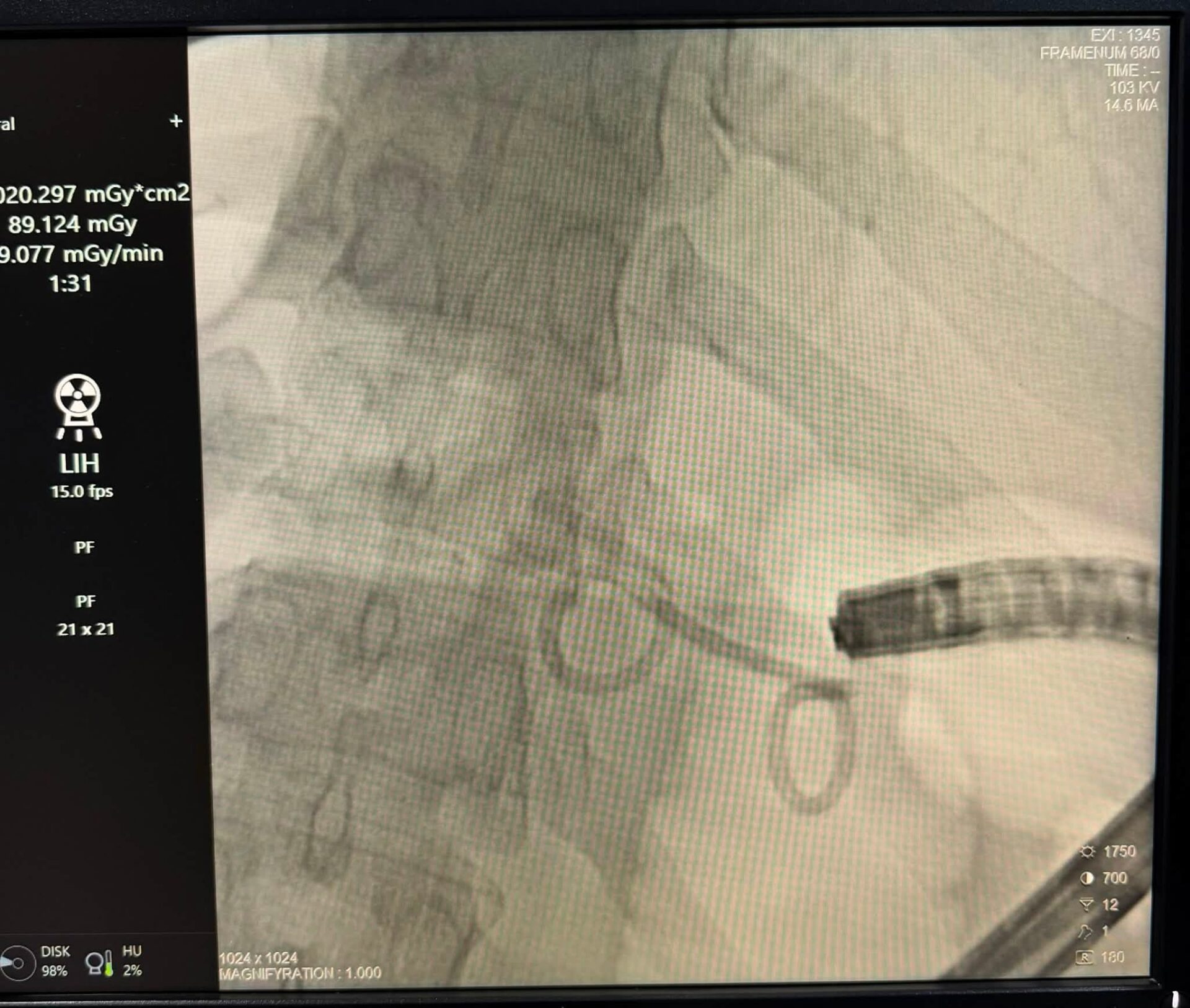
According to Sorbon Musaev, during an examination, the patient was diagnosed with a cyst in the head of the pancreas measuring 11 x 9 cm, which had formed following pancreatic necrosis. It was compressing the posterior wall of the duodenum, causing nausea, vomiting, pain, and obstructing food passage.
To address these issues, the patient underwent puncture and catheterization of the cyst through the posterior wall of the duodenum under endoscopic guidance. The procedure was accompanied by endoscopic cystography with the injection of a contrast agent into the cyst cavity.
The doctor explained that the cyst, measuring 11 x 9 cm, contained necrotic tissue with signs of decay. During surgery, it was completely removed, after which a 9 cm long, 10 Fr diameter, pigtail-type plastic stent was inserted into the cyst cavity, allowing drainage and relieving pressure on the duodenum.
According to the Ministry of Health, the cystoduodenostomy was performed endoscopically under ultrasound and X-ray guidance. Just 48 hours after the procedure, a follow-up ultrasound of the abdominal organs showed the cyst had decreased in size to 4 cm, after which the patient was discharged home.
The ministry noted that previously, treatment for such patients required open surgery with an abdominal incision. This method was more traumatic and required a longer treatment and recovery period.
Endoscopic cystoduodenostomy is a minimally invasive surgery in which an anastomosis is created between a pancreatic cyst and the wall of the duodenum to drain its contents without making a surgical incision.
Thanks to the introduction of a new method, patients can now avoid open surgery and be discharged from the hospital within 24–48 hours after surgery.
The Ministry of Health emphasized that this latest achievement by Tajik doctors demonstrates the development of modern medicine in the country, the availability of conditions for complex surgical interventions, and the high professional level of domestic specialists capable of applying modern diagnostic and treatment methods.