Translated with AI












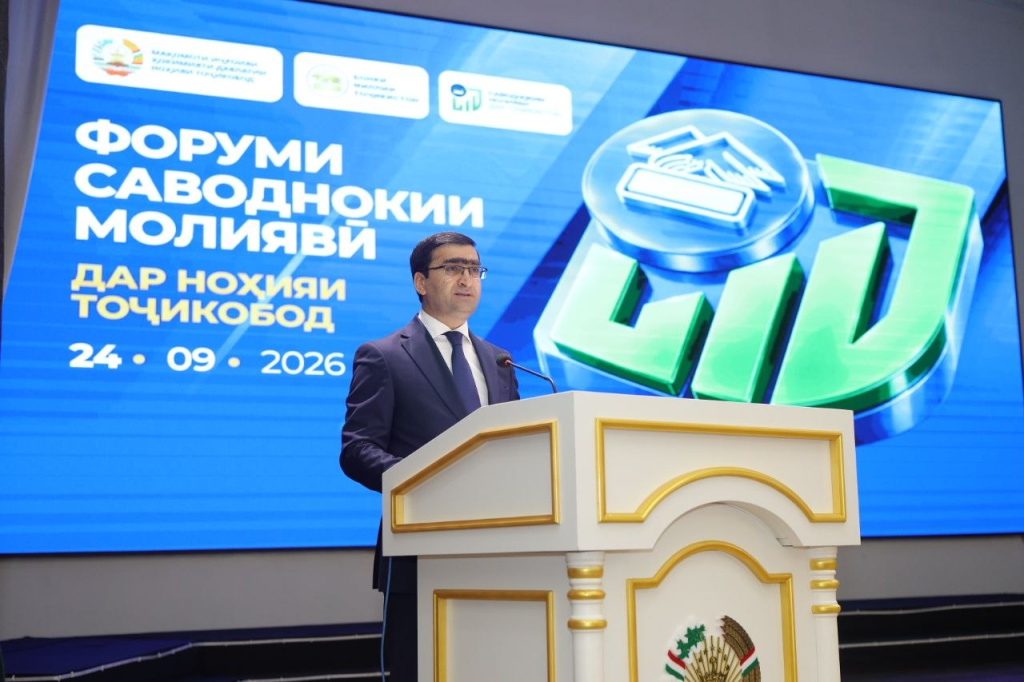





















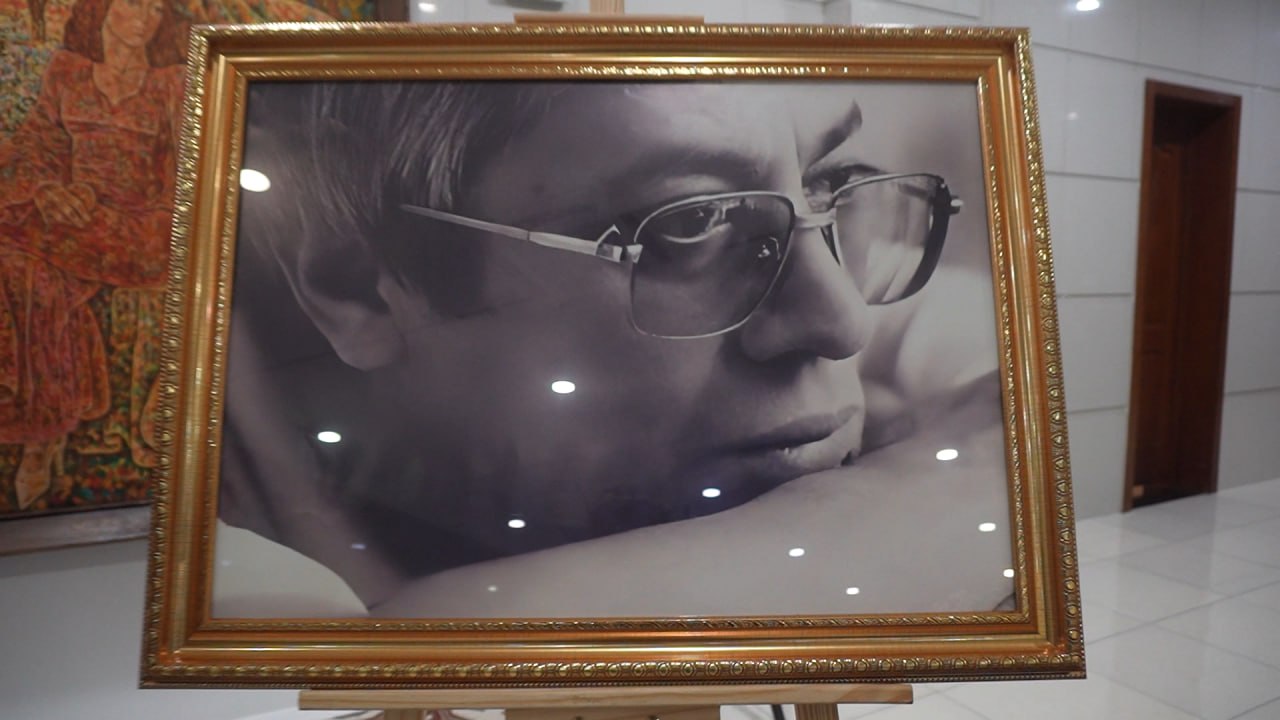
July 2 marked the 80th anniversary of the birth of the outstanding Tajik artist, People's Artist of the USSR and Tajikistan, Sukhrob Kurbanov—one of the greatest masters of national fine art of the second half of the 20th and early 21st centuries. His work has long transcended the boundaries of a single artistic school or era, becoming a unique pictorial chronicle of the history, culture, and spiritual world of the Tajik people.
Sukhrob Kurbanov belonged to a generation of artists who shaped contemporary fine art in Tajikistan, drawing on both national traditions and the achievements of global artistic culture. His paintings combined ancient ornamentation, oriental miniatures, classical Persian-Tajik literature, and historical imagery with academic painting and his own distinctive vision.
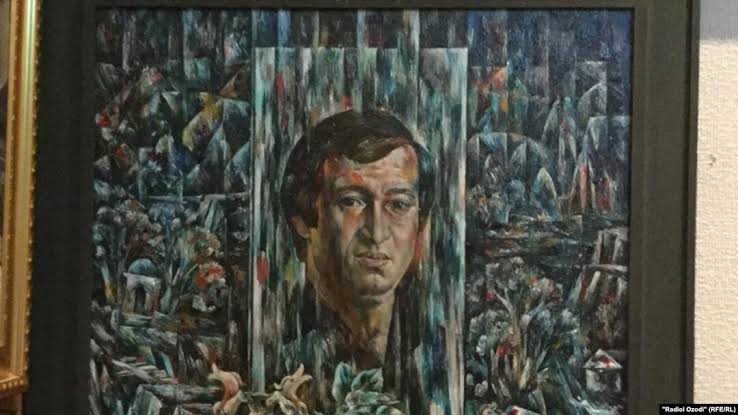
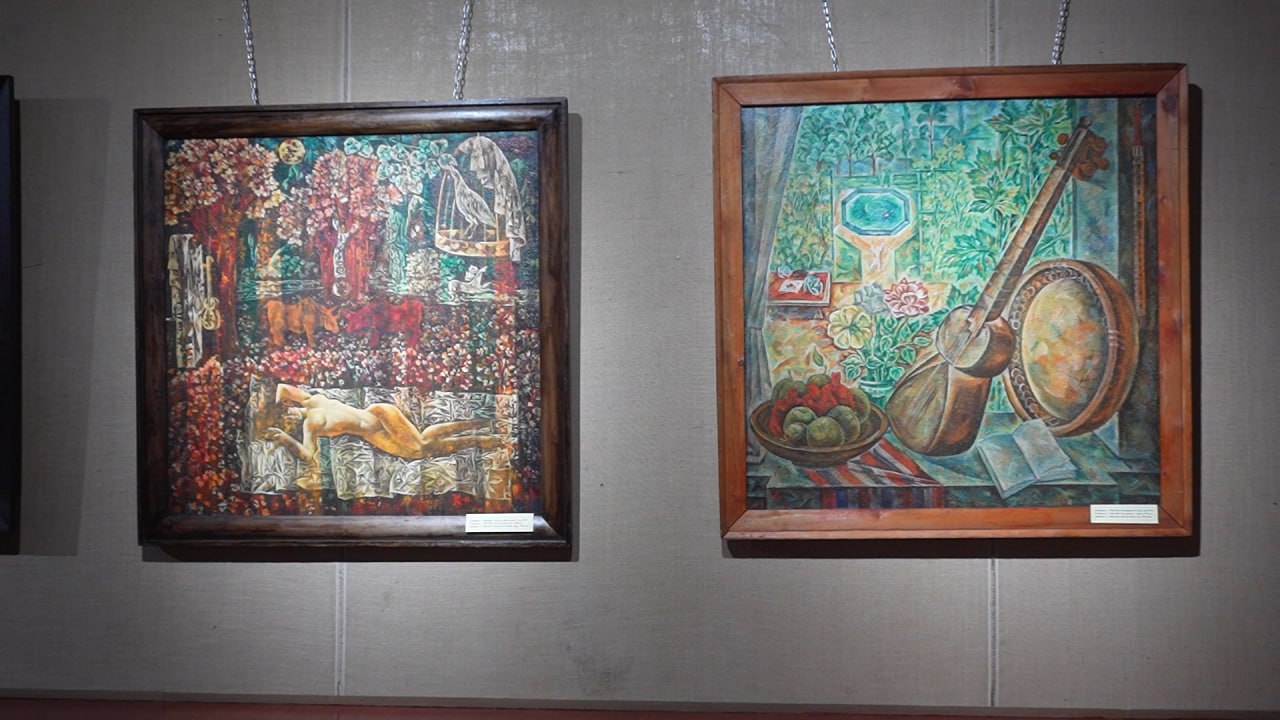
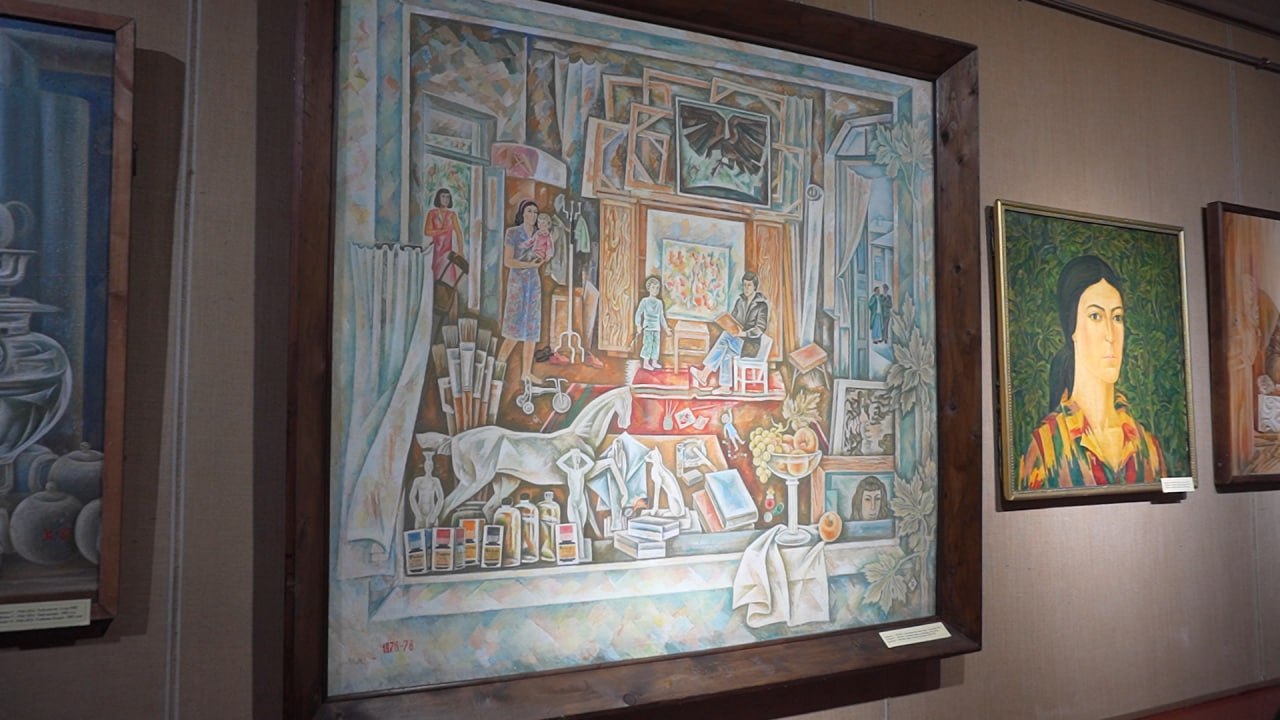
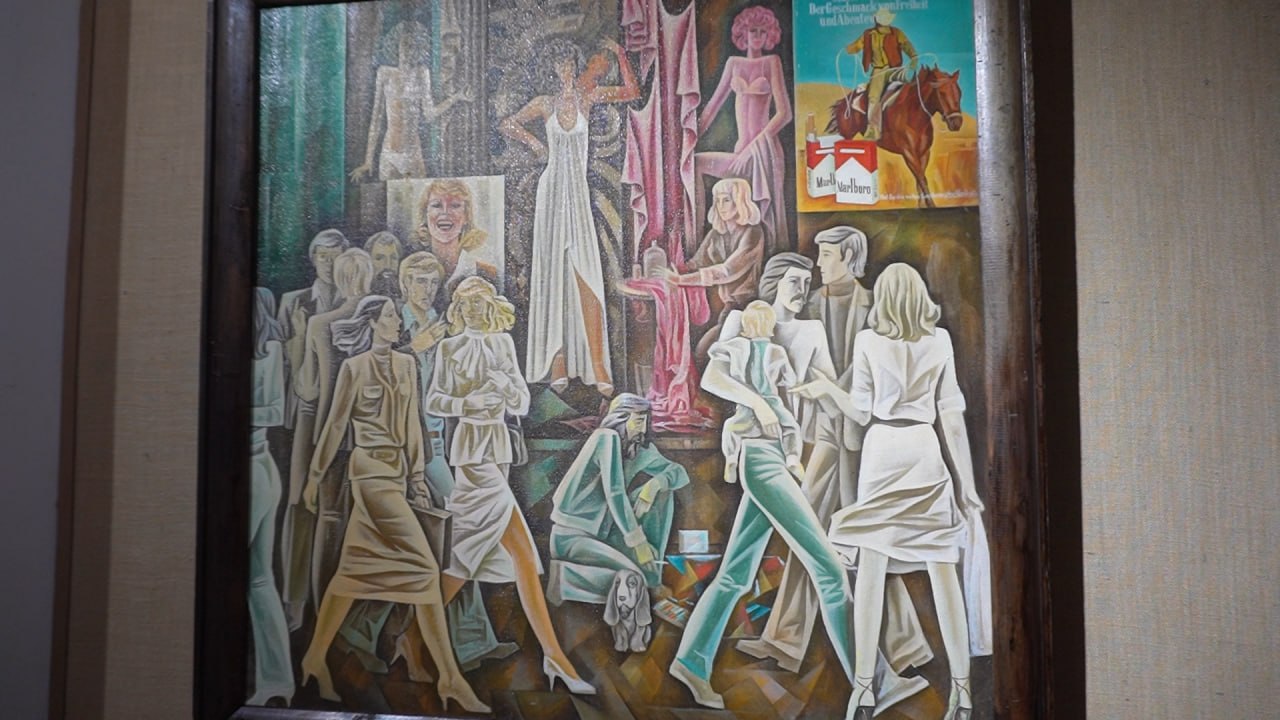
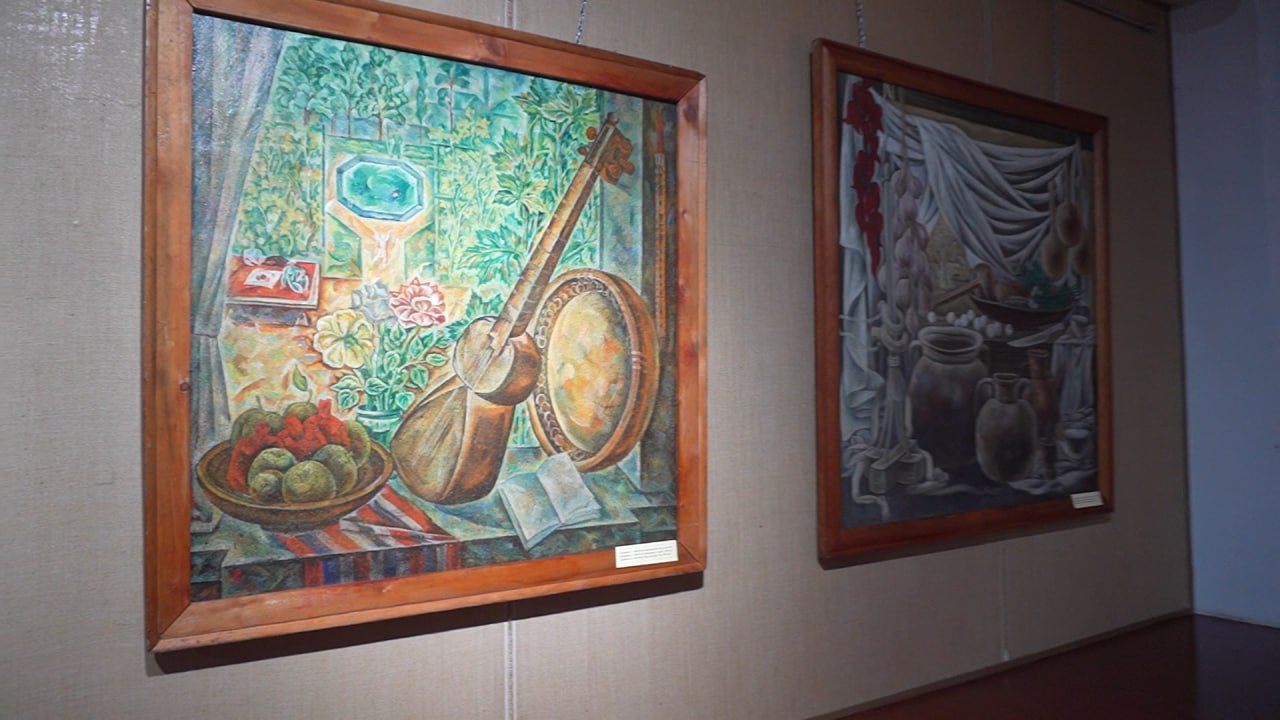
Sukhrob Usmanovich Kurbanov was born on July 2, 1946, in Kurgan-Tyube, now Bokhtar. After graduating from the Dushanbe Art School, he continued his education at the V. I. Surikov Moscow State Art Institute, one of the leading art schools of the time. In 1971, Kurbanov graduated with a degree in monumental painting.
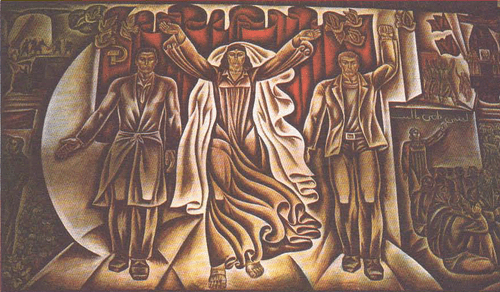
Monumental art marked the beginning of his long professional career. Along with other artists, Kurbanov participated in the design of major public buildings and industrial facilities in Tajikistan. The works he created gradually became part of the country's architectural landscape and retained the character of the era.
Among the master's most famous works are the murals of the Vahdat Palace in Dushanbe, the tapestries of the Abuabdullo Firdavsi National Library, the sculptural composition on the façade of the Mirzo Tursunzade Writers' House, and the mosaic panel of the Nurek Hydroelectric Power Station. These works cannot be viewed separately from the buildings and spaces for which they were created: Kurbanov's monumental art became both a part of the architecture and an independent artistic statement.
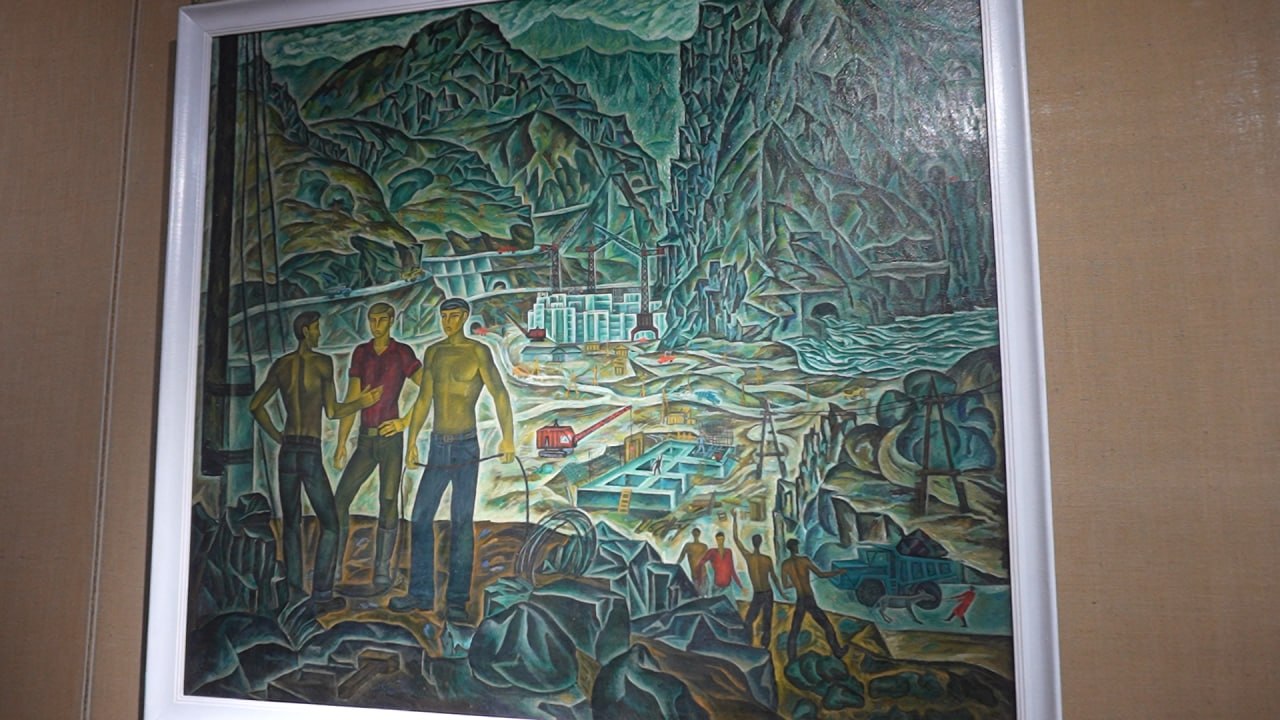
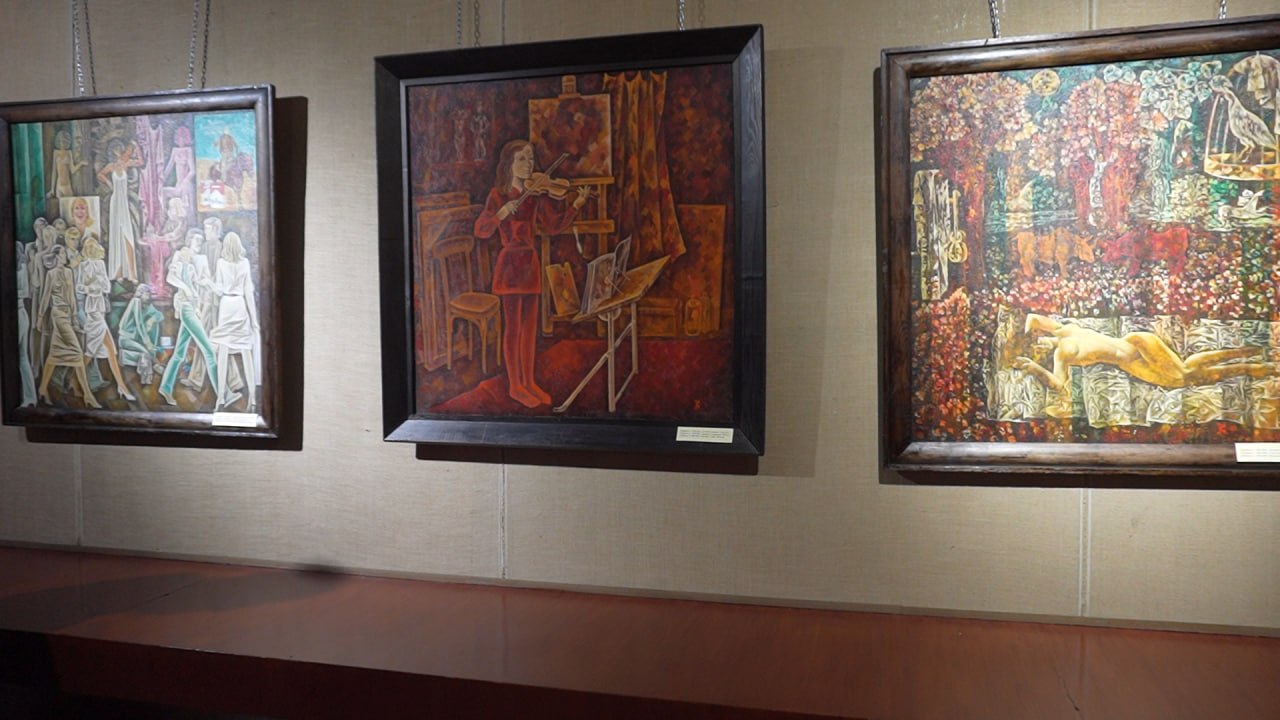
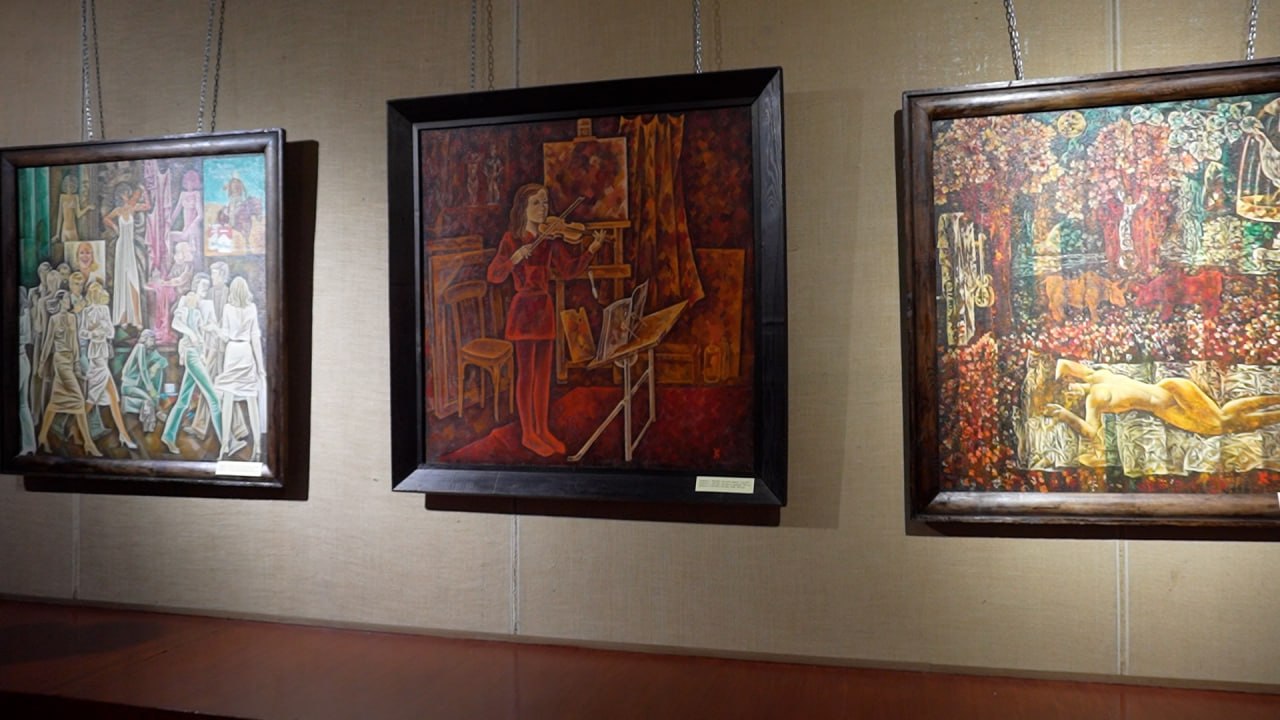
However, the artist's inner world was most fully revealed in easel painting. It was here that Kurbanov found the opportunity to freely explore philosophical, historical, and literary themes. His canvases were rarely limited to depicting a specific person, event, or landscape. Behind the superficial subject matter, a deeper meaning was almost always concealed—a reflection on time, memory, the fate of a people, and the connection between generations.
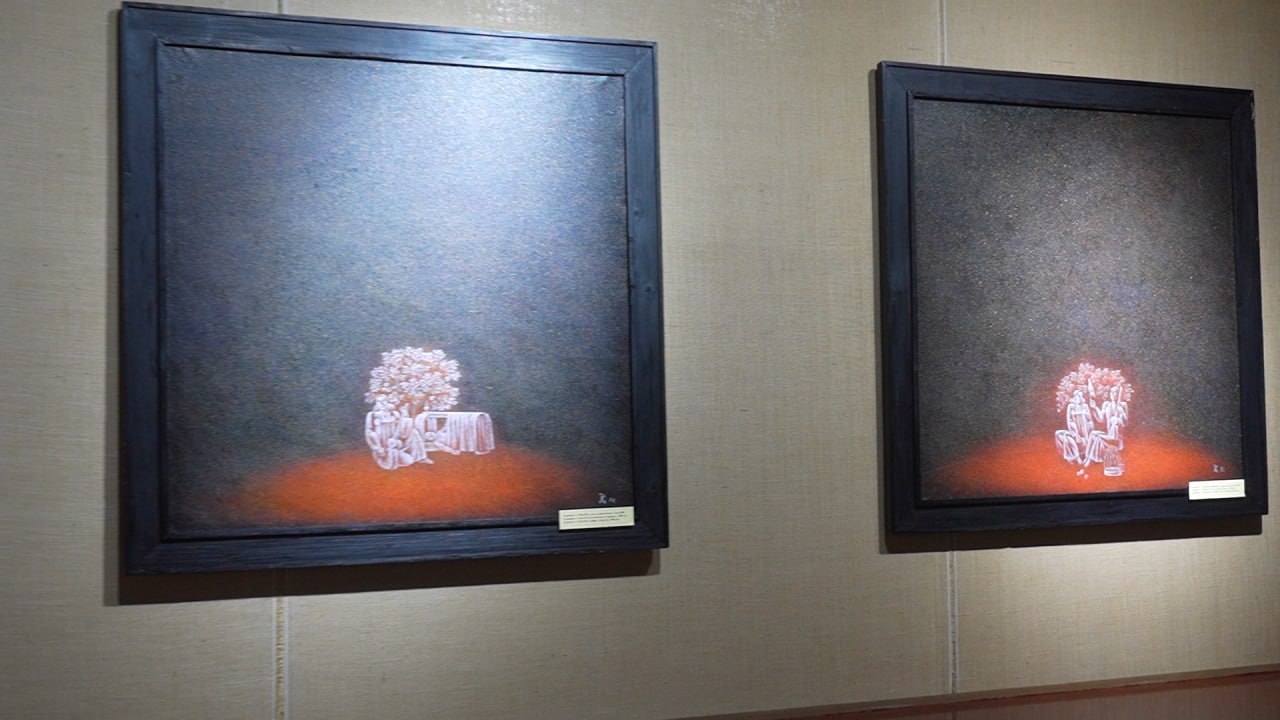
Sukhrob Kurbanov's paintings are difficult to confuse with those of other artists. He paid particular attention to light and color, as well as brushstroke technique. According to the artist himself, he began developing his own method of working with the surface of a painting while still a student at the Surikov Moscow State Art Institute.
In his works, color often became a language in its own right. It didn't simply shape space or convey mood, but helped to reveal the painting's philosophical content. The composition, the sculpturesque figures, the ornamentation, and even small details were subordinated to a single concept. The artist could spend considerable time on a canvas, ensuring that each element occupied its proper place within the overall system of images.
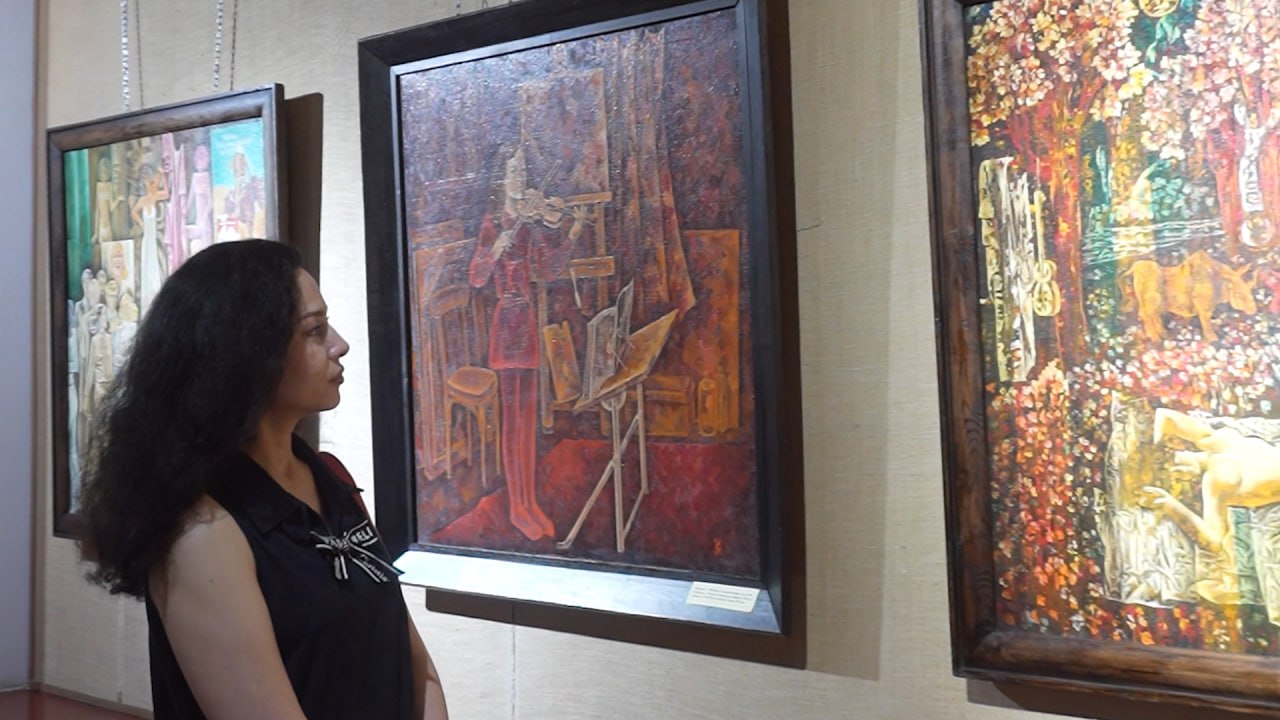
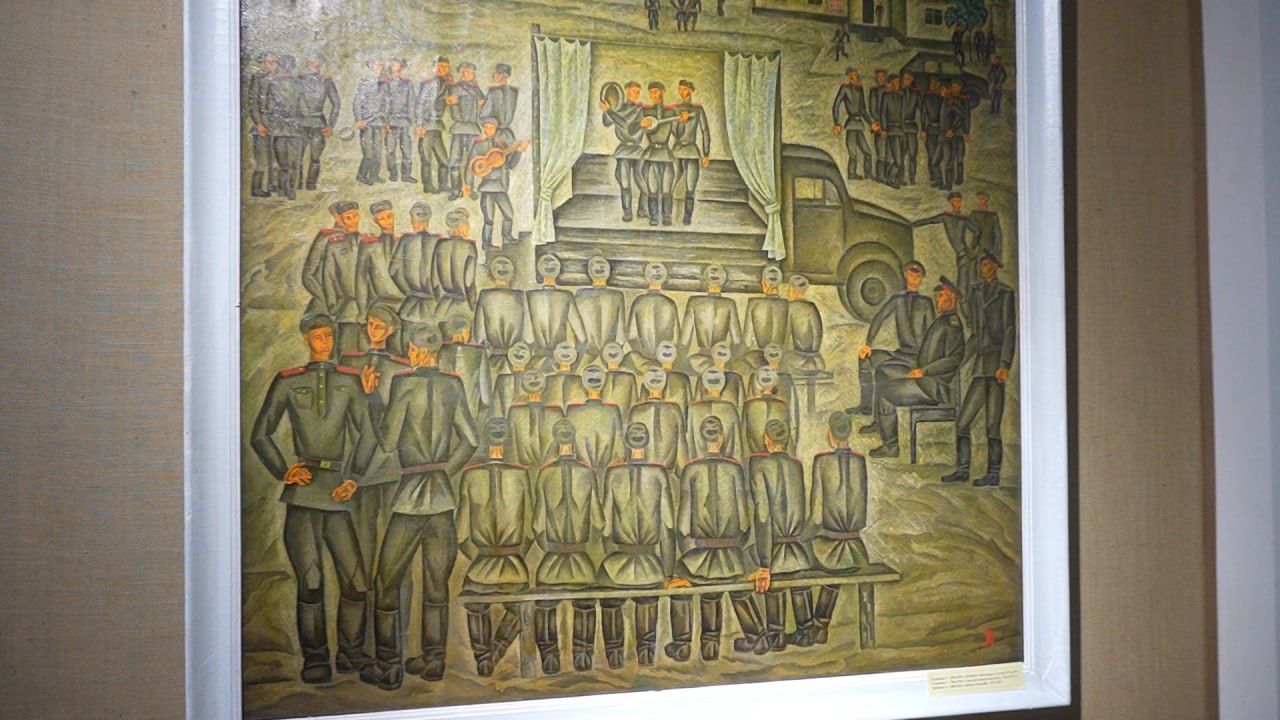
One of the most important sources of his artistic language was the ancient traditions of Tajik art. Kurbanov drew on elements of the kundal technique, ornamental painting, and oriental miniatures, combining them with the principles of European academic painting. This combination allowed him to create his own distinctive style, in which tradition was not perceived as a museum legacy of the past, but became a living material for contemporary art.
Classical Persian-Tajik literature held particular significance for Sukhrob Kurbanov. Poetic and philosophical motifs from the works of great Eastern thinkers were repeatedly reflected in his paintings. The artist drew on the images of Avicenna, Firdavsi, Behzod, and other prominent historical figures.
For Kurbanov, a portrait was much more than an attempt to convey a person's physical likeness. The artist was primarily interested in the individual's inner world and their place in history.
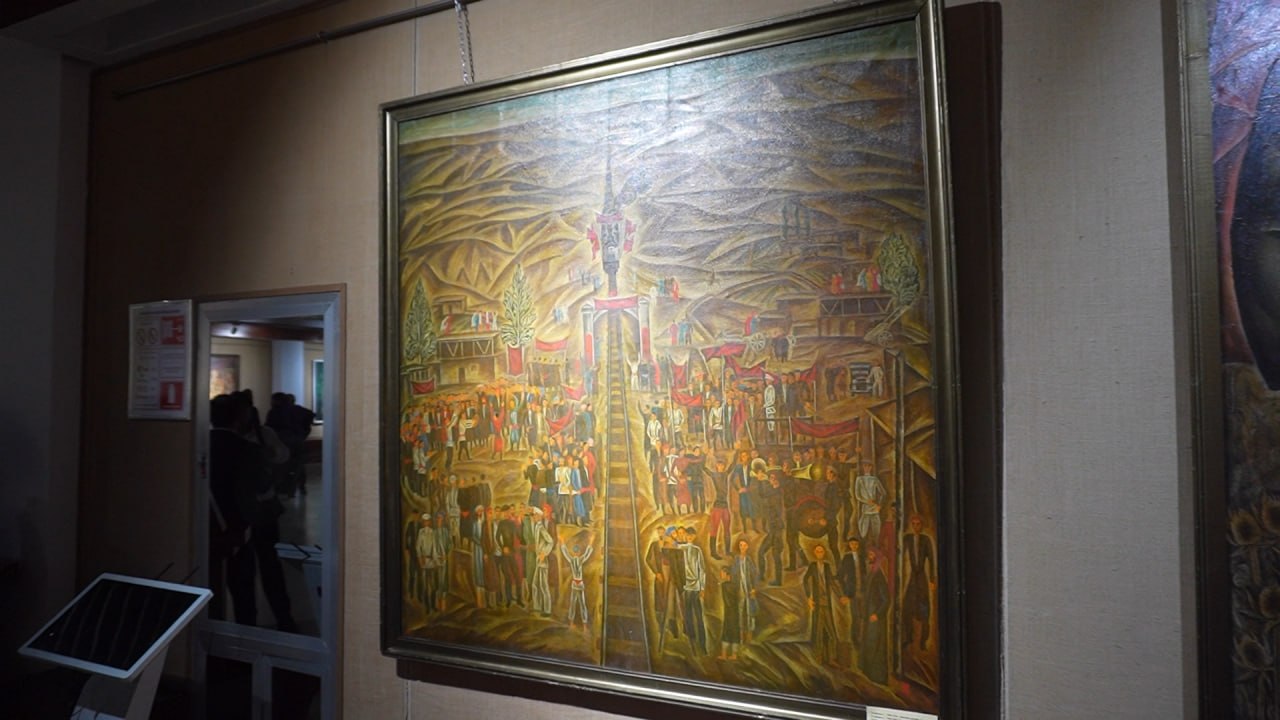
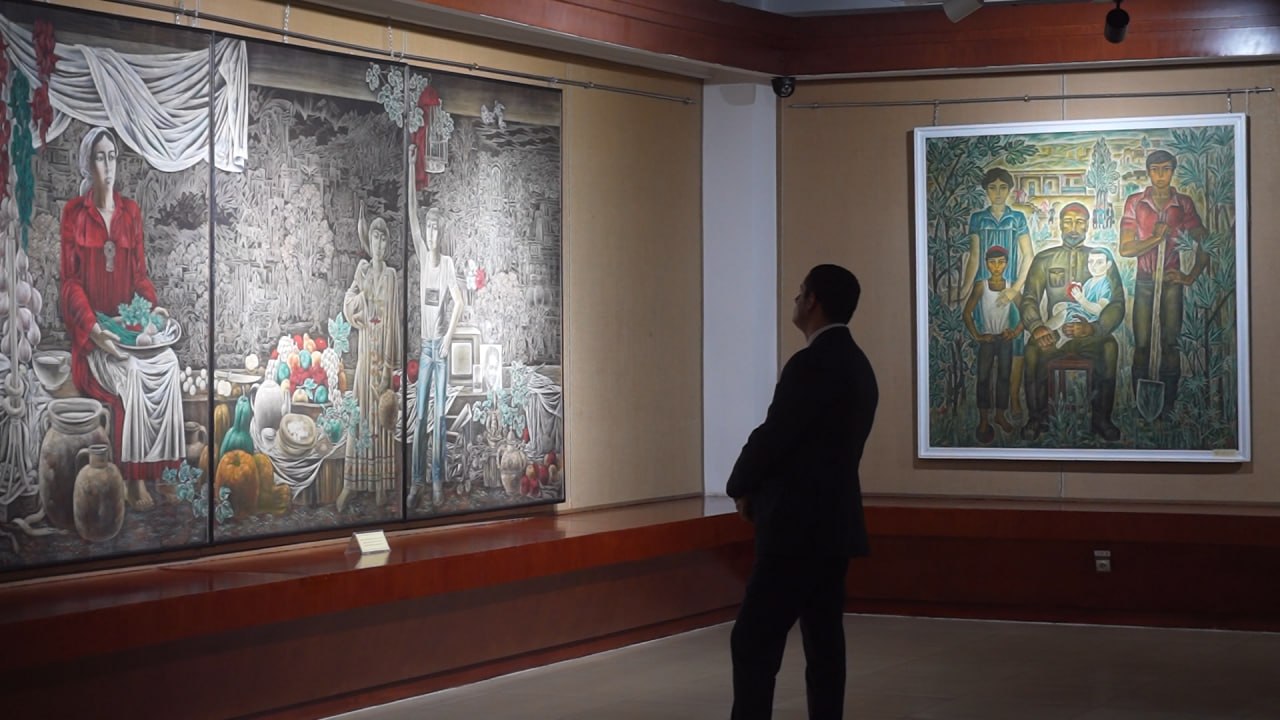
"We must learn not only to look at people, but also to see and penetrate their spiritual world. For a portrait artist, this is crucial. In my portraits, I try to show the connection between times and generations, to say that great people belong not only to their own nation, but to all of humanity, to world civilization," said Sukhrob Kurbanov.
This idea largely explains the scope of his historical works. Kurbanov sought to view Tajikistan's culture as part of global civilization, and prominent figures of the past not only as national symbols but also as individuals whose legacy has universal significance.
One of the master's creative peaks was the cycle of four monumental paintings, "The One in the Many, the Many in the One." The artist worked on this large-scale series for nearly two decades—from 1992 to 2009.
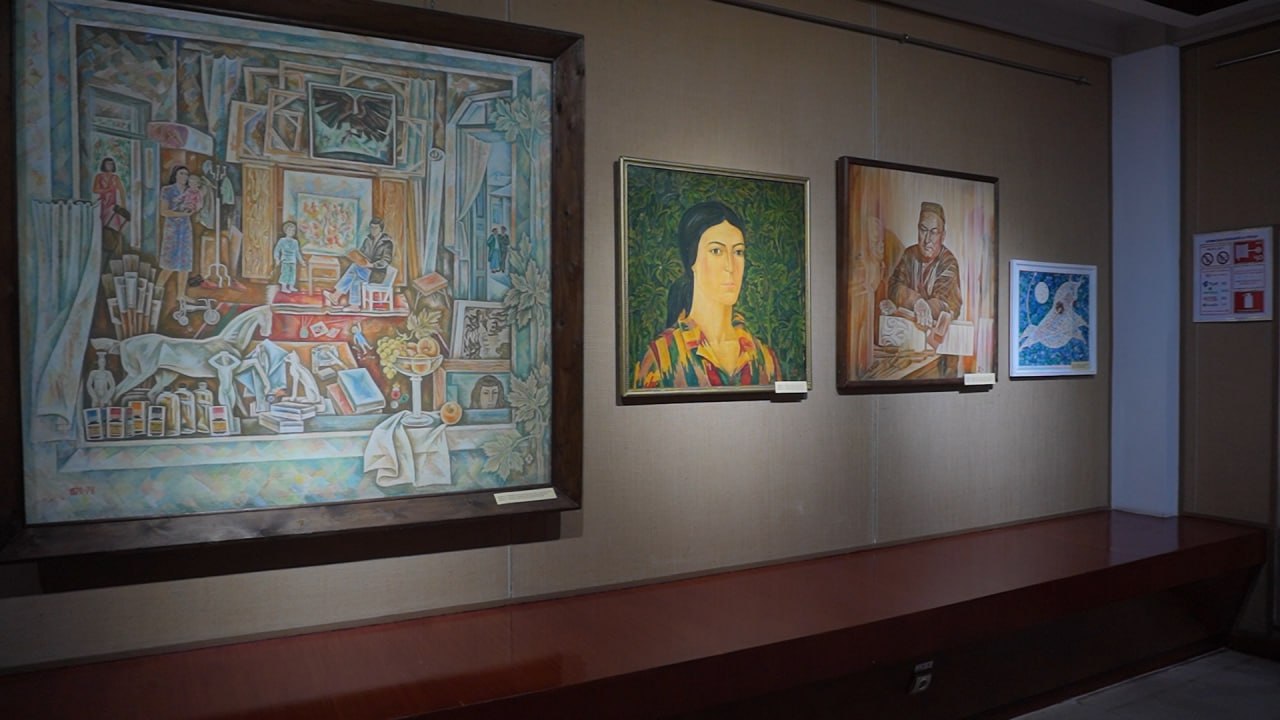
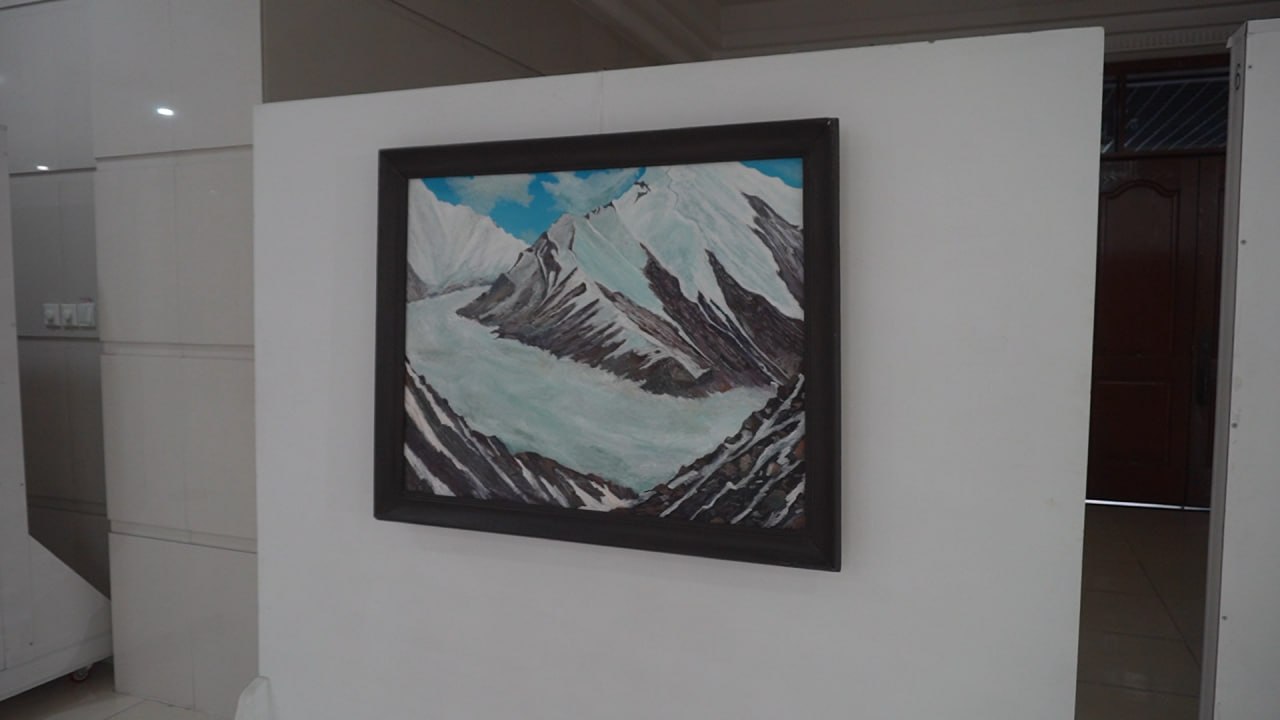
The cycle has become a unique artistic chronicle of the Tajik people. The central image of the composition is the great Firdavsi and his immortal poem "Shahnameh." Historical plots unfold around it, connecting different eras, personalities, and events into a single narrative.
In these canvases, Kurbanov effectively attempted to tell history through painting. In his interpretation, the past did not exist separately from the present. Historical images entered into a unique dialogue with one another, and the viewer was invited to independently seek connections between eras and symbols.
The artist himself called his large-scale triptychs "novels in the language of fine art." This description accurately captures the character of his work. Many of Kurbanov's works truly require lengthy and careful reading. They cannot be fully understood at a glance—details, symbols, and color schemes gradually reveal the artist's intended meaning.
Sukhrob Kurbanov's work has received recognition far beyond Tajikistan's borders. His works are represented in renowned museum collections. The artist's works are housed in the State Tretyakov Gallery and the State Museum of Oriental Arts.
A special story surrounds the painting "Eastern Domes." Sukhrob Kurbanov's work was donated to the Metropolitan Museum of Art in New York by Tajik President Emomali Rahmon. The artist's gallery still holds a certificate from November 2003 confirming the painting's transfer to the museum.
Kurbanov's works are also in the private collections of prominent political and public figures. Archival materials mention former UN Secretary-General Kofi Annan, Russian President Vladimir Putin, Valentina Matviyenko, former Pakistani President Pervez Musharraf, Queen Noor of Jordan, cosmonauts Valentina Tereshkova and Yuri Baturin, and former International Olympic Committee President Juan Antonio Samaranch.
The wide circle of people interested in the artist's work is also evidenced by the visitors' book of the Sukhrob Art gallery, which is kept in the artist's studio. It contains entries from prominent government, public, and cultural figures.
Among the gallery's guests were President of Tajikistan Emomali Rahmon, Prince Aga Khan, Queen Noor of Jordan, the first female cosmonaut Valentina Tereshkova, People's Artist of the USSR Iosif Kobzon, Russian diplomats Maxim Peshkov and Igor Lyakin-Frolov, and many others.
Kurbanov had a special relationship with Valentina Tereshkova. They had known each other since their time as People's Deputies of the Supreme Soviet of the USSR. These connections, like the artist's numerous international contacts, reflected another important aspect of his work: his desire to present Tajik art in a broader cultural arena.
For many years, Sukhrob Kurbanov headed the Union of Artists of Tajikistan. He was a member of the International Confederation of Artists and had close professional ties with artistic circles in other countries. He was an honorary member of the academies of arts of Russia, Ukraine, and Kyrgyzstan, and an honorary professor at Shanghai University and the Nanjing Art Institute.
His achievements were recognized with high state and professional awards. Kurbanov was awarded the titles of People's Artist of the Tajik SSR and People's Artist of the USSR, and was a laureate of the Abuabdullo Rudaki State Prize of Tajikistan and the Lenin Komsomol Prize. His awards also include the Russian Golden Pushkin Medal.
Sukhrob Kurbanov died on May 10, 2016, in Dushanbe, less than two months shy of his 70th birthday. A ceremony to present him with the Russian Ministry of Foreign Affairs' honorary badge "For Special Contribution to International Cooperation" was scheduled for that day.
The award was presented to the artist posthumously. It was subsequently given to Kurbanov's widow. At the ceremony, Russian Ambassador Igor Lyakin-Frolov called him an outstanding world-class artist and noted the presence of his works in renowned museum collections.
Art historian Larisa Dodkhudoeva noted at the time that Kurbanov's award was a logical culmination of his many years of work. She noted that both as the head of the Union of Artists of Tajikistan and as a master artist, the artist sought to transcend narrow national boundaries and integrate Tajik art into the global cultural space.
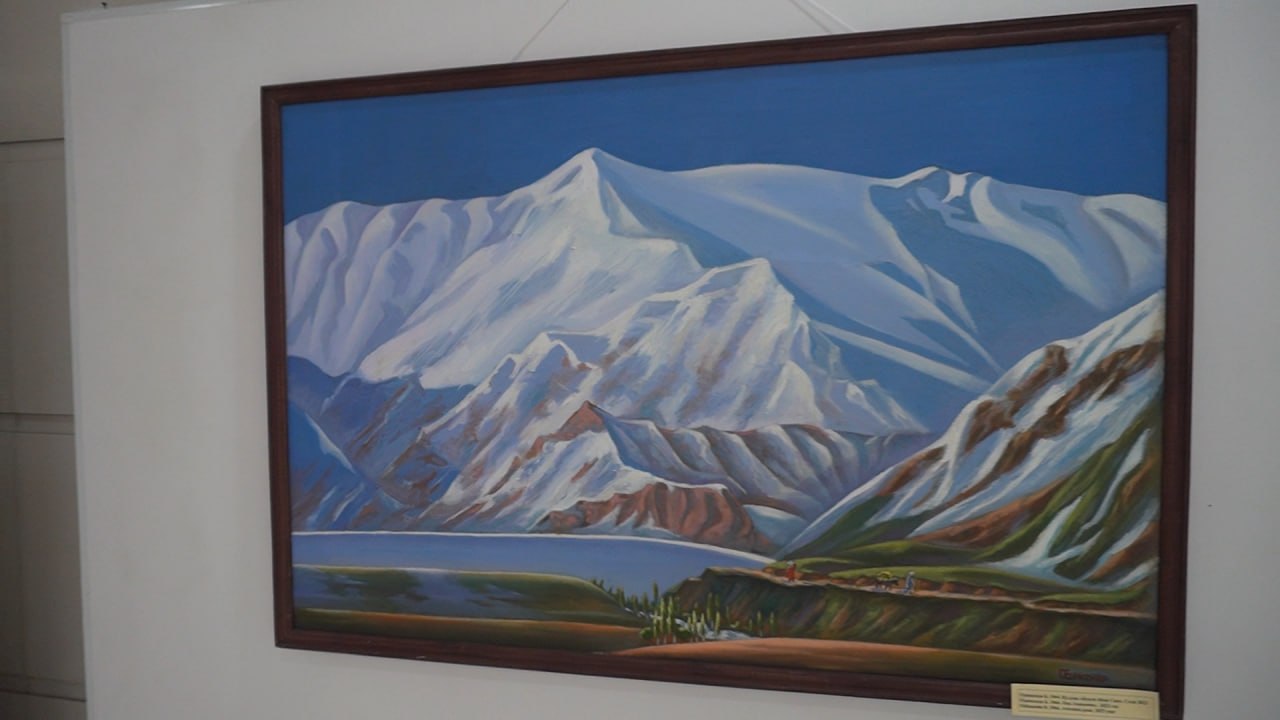
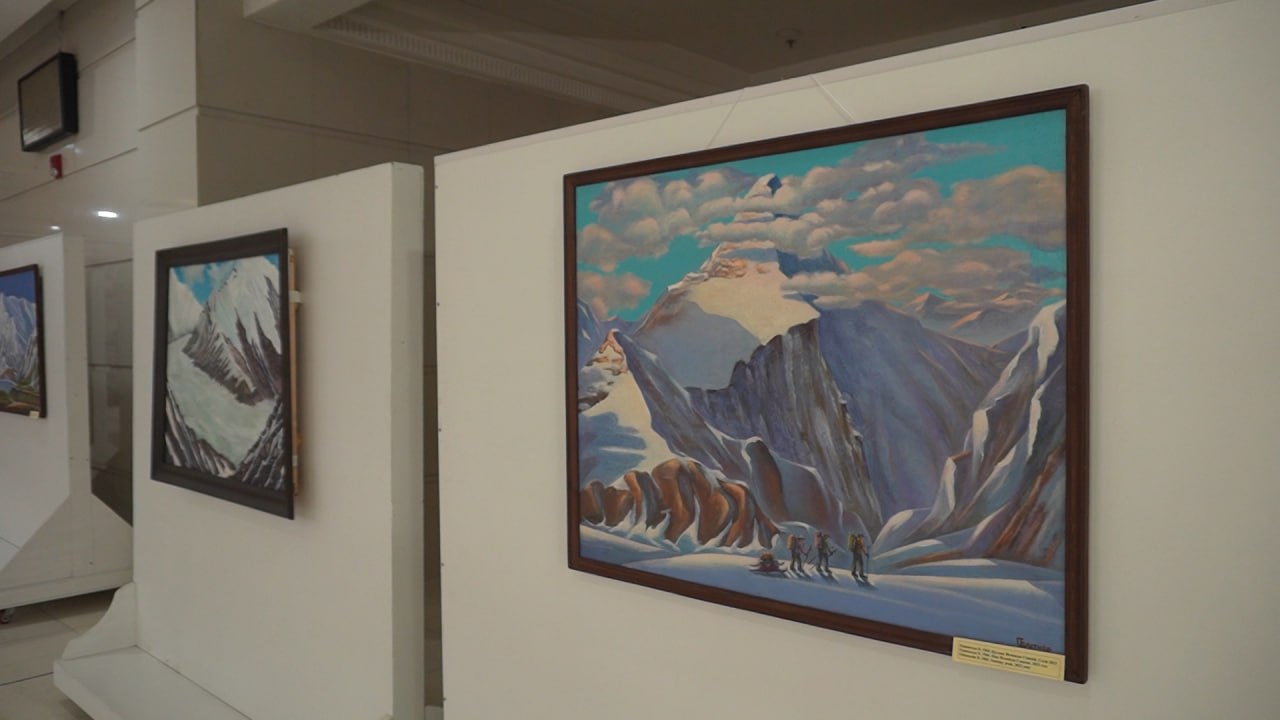
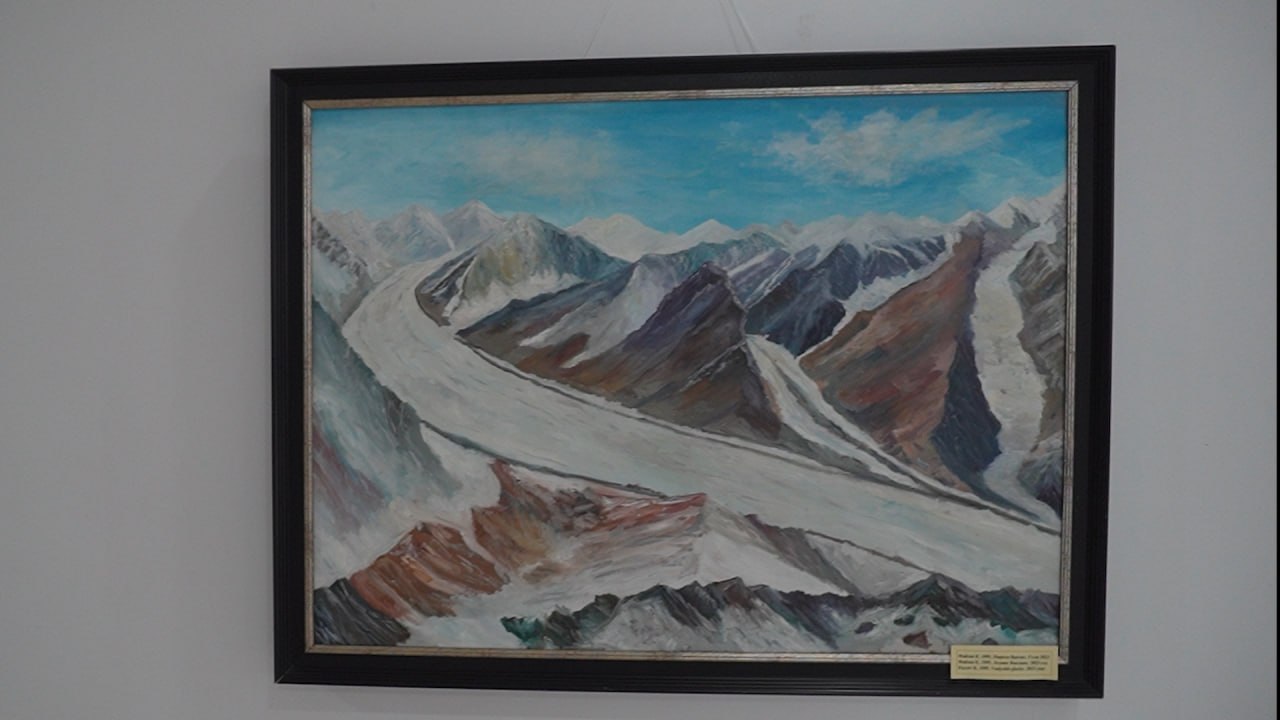
In the final years of his life, Kurbanov's artistic language continued to evolve. He increasingly turned to decorative painting. His palette became brighter, his compositions more laconic, and his images acquired a particularly expressive quality.
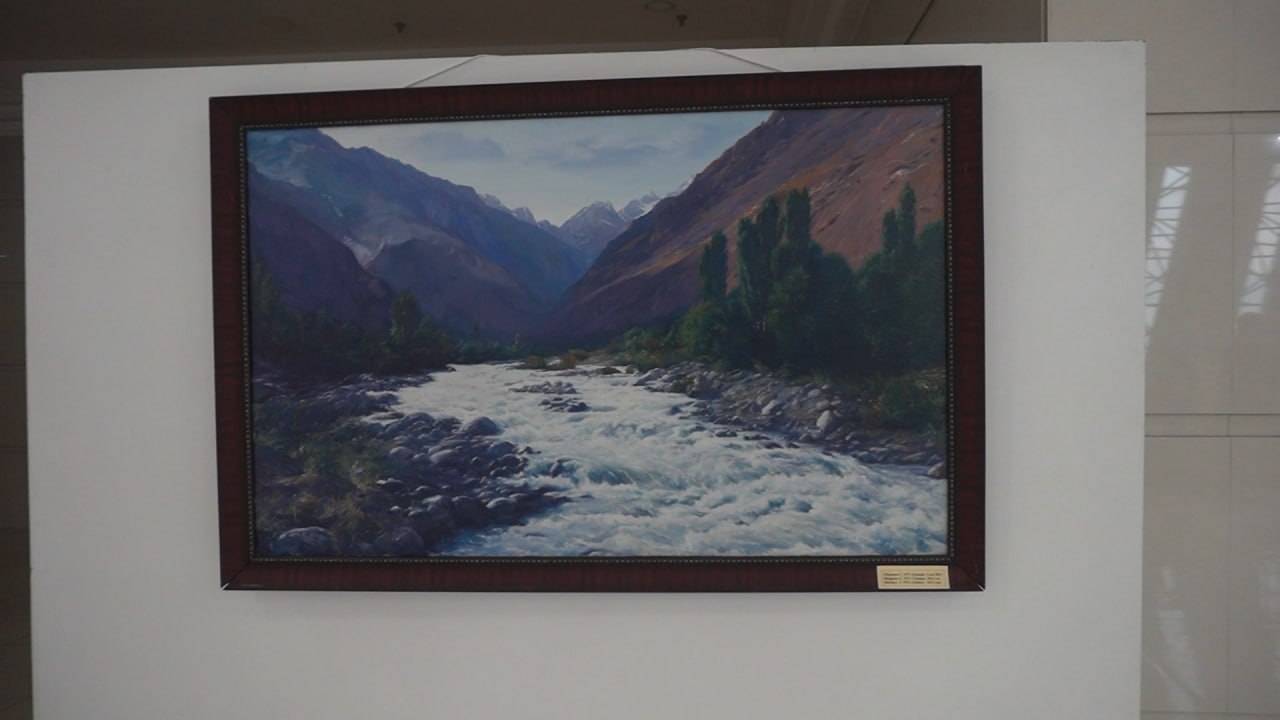
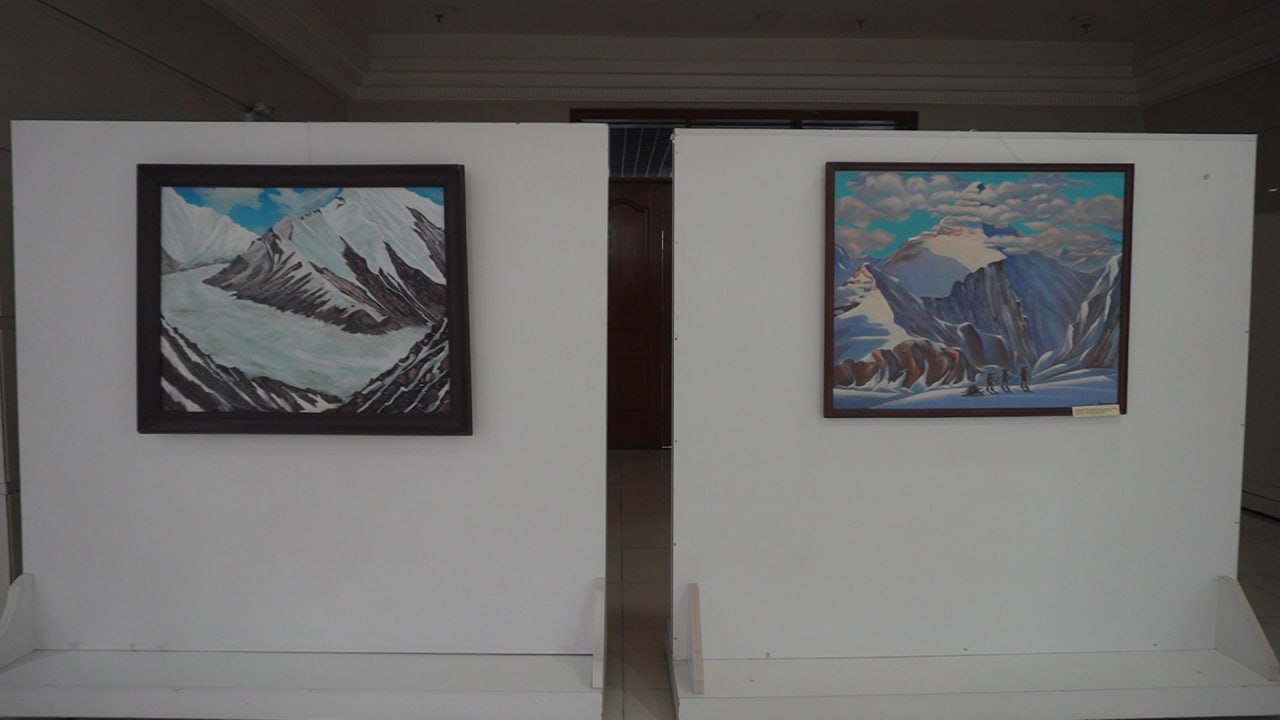
The series "Peacocks", "Composition", "Cherry", "Two Parrots", "Falling Cherries" and numerous landscapes show an artist who, even after decades of professional work, did not stop experimenting.