Translated with AI























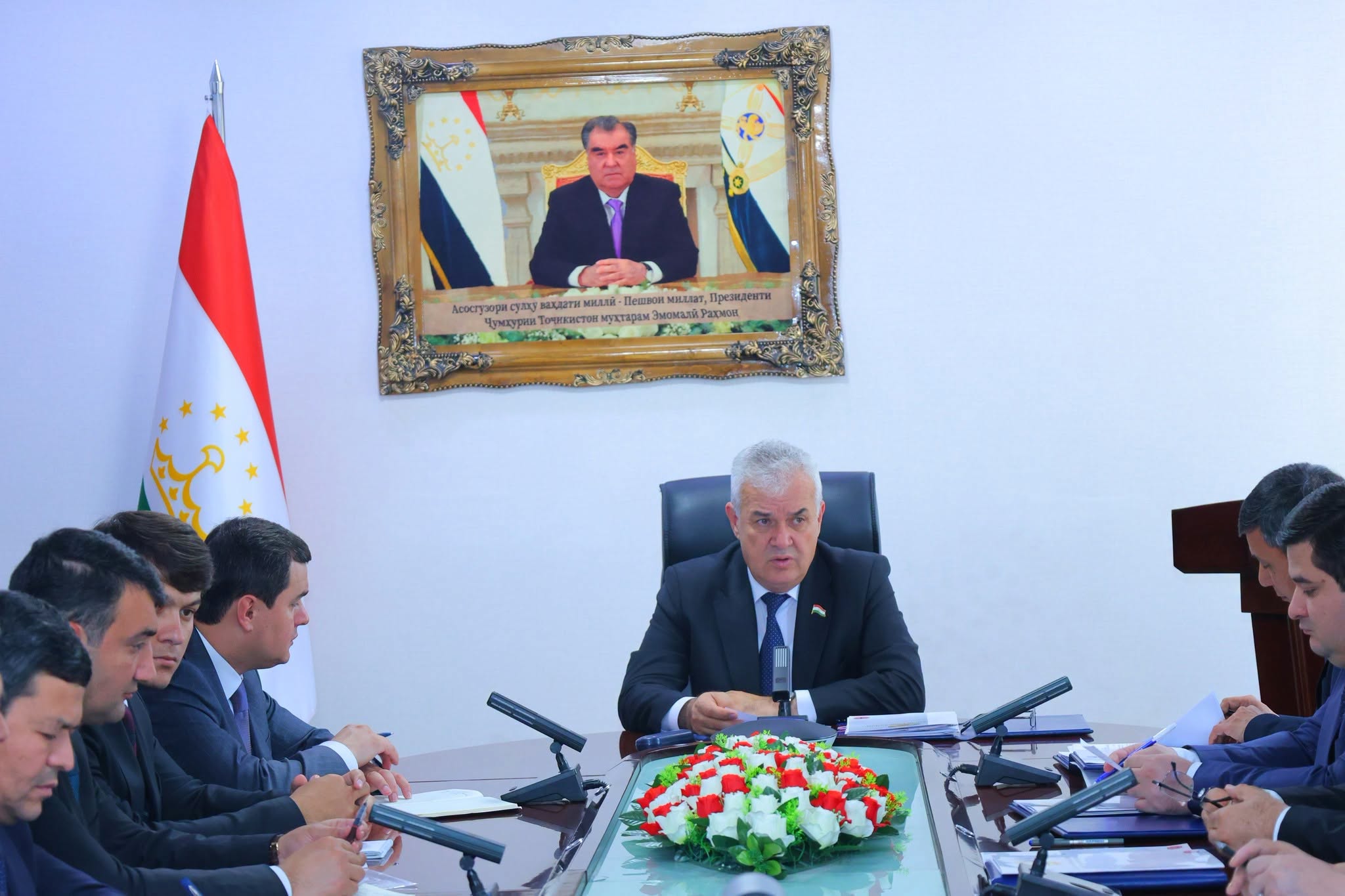
The Ministry of Education and Science of Tajikistan held its latest board meeting, focusing on the preparation, revision, and publication of school textbooks and curricula, according to the press service of the Ministry of Education and Science of the Republic of Tajikistan.
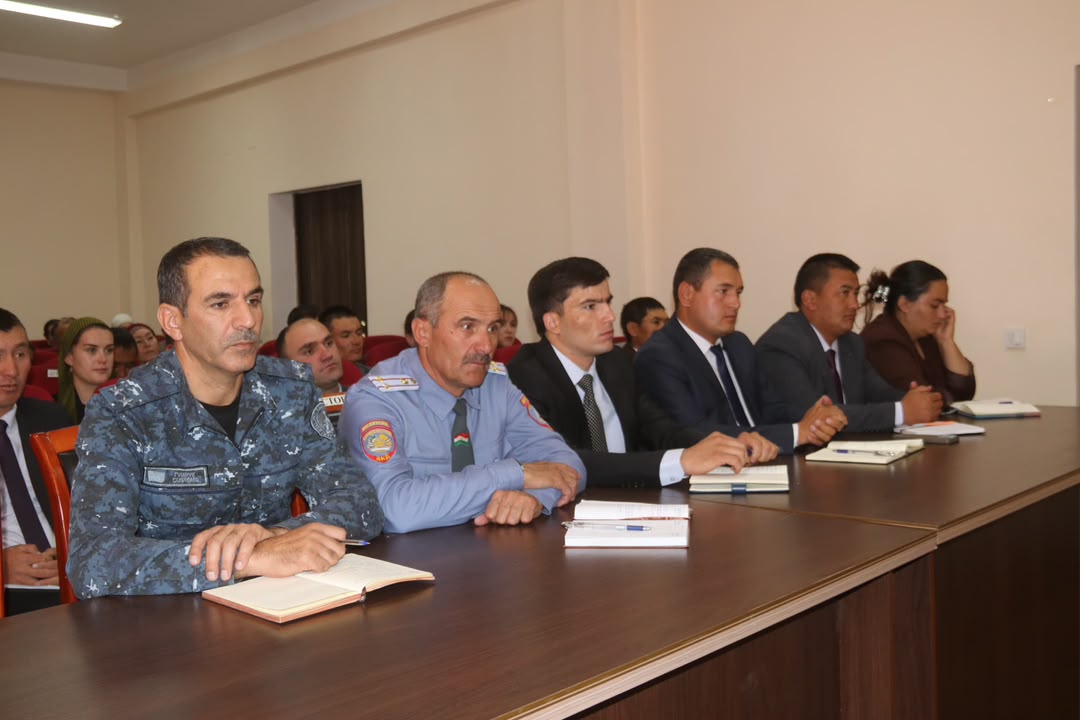
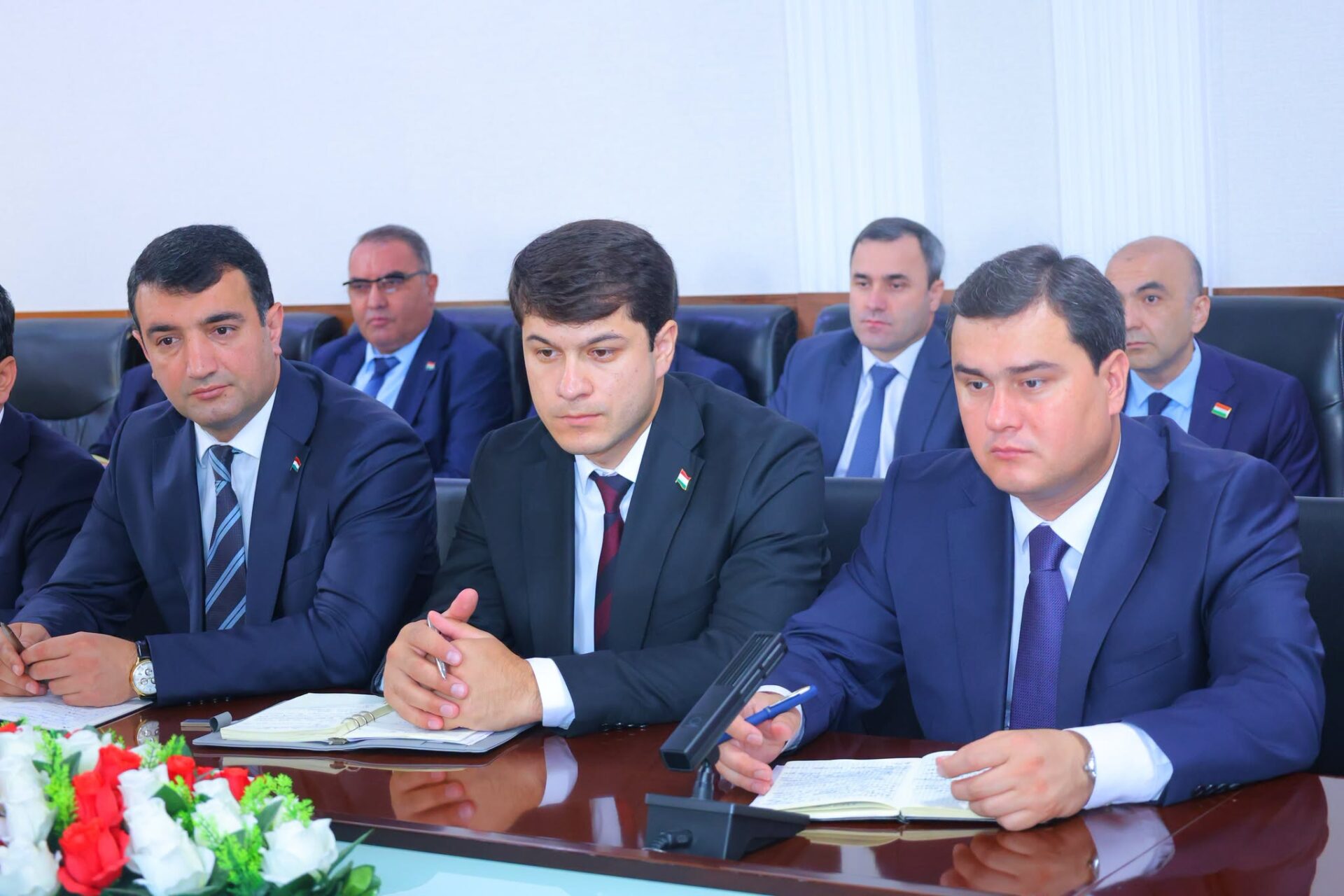
The meeting was held on June 30 and chaired by Minister of Education and Science Rahim Saidzoda. It was attended by deputy ministers, heads of departments and divisions of the central office, and heads of subordinate institutions.
Opening the meeting, the minister noted that developing the education system remains a priority for state policy. He stated that the country continues to improve the quality of education, enhance the curriculum, develop modern textbooks that meet contemporary requirements, and implement international educational standards. He emphasized that industry professionals must make a significant contribution to the achievement of the state's strategic goals and educational policy.
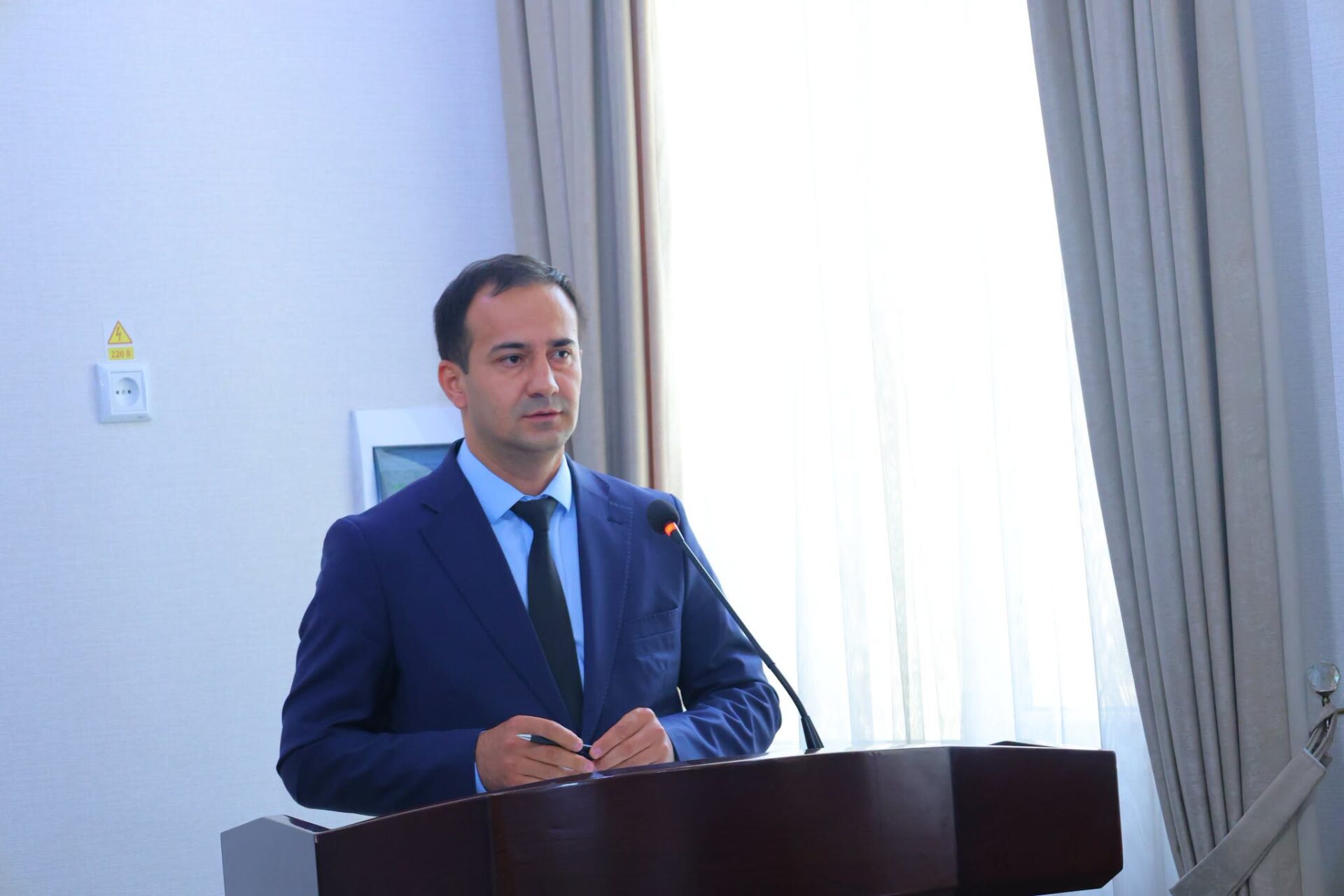
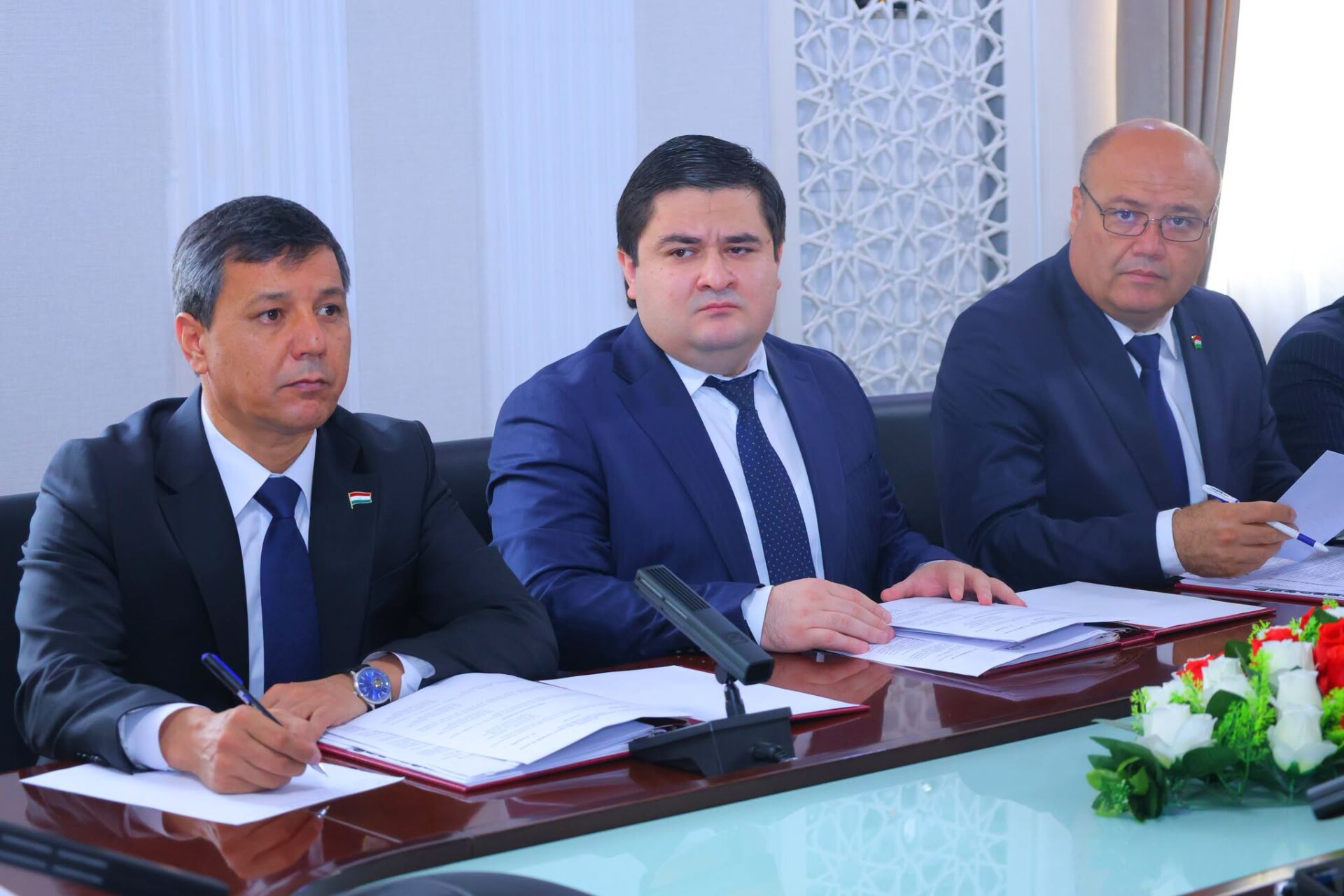
The main agenda item was the progress of preparing, revising, and publishing curricula and textbooks in collaboration with development partners. U. Hasanzoda, Director of the Center for the Development, Publishing, and Dissemination of Educational, Scientific, and Methodological Literature, delivered the report.
As noted during the meeting, as part of the implementation of the National Strategy for Education Development of the Republic of Tajikistan until 2030, the Ministry's cooperation with international partners in the development and publication of educational literature has significantly expanded. New-generation textbooks are being developed using a competency-based approach and are focused not only on knowledge transfer but also on developing critical thinking, problem-solving skills, communication competencies, and the ability to apply knowledge in practice.
According to the Ministry, with the support of development partners, 23 textbooks and teaching materials for general education institutions have already been published, with a total circulation of over 2.5 million copies.
This year, it is planned to publish 12 more textbooks and teaching materials on the Tajik language, Russian language, and mathematics for students in grades 5–6, with a total circulation of over 1,846,000 copies.
Furthermore, as part of international cooperation with the support of the My History Humanitarian Foundation and the Russian publishing house Prosveshcheniye, the publication of 930,000 copies of new-generation Russian language textbooks for fifth- and sixth-grade students continues. Editing and publication are currently being completed.
It was also reported that, in collaboration with UNICEF, the Islamic Development Bank, and UNESCO, the development of new sets of educational literature for grades 6 and 7, as well as textbooks on biology, chemistry, and physics for students in grades 7–11, is ongoing. All materials undergo scientific and methodological review in accordance with state educational standards and international practice.
The meeting participants also discussed the approval of the Adaptation Period Program for children entering first grade, the Instructions for holding August pedagogical meetings and extended meetings of education professionals in the regions, cities, and districts of the republic, and the Student Personal Information Sheet for general education institutions. Appropriate decisions were made on all issues.
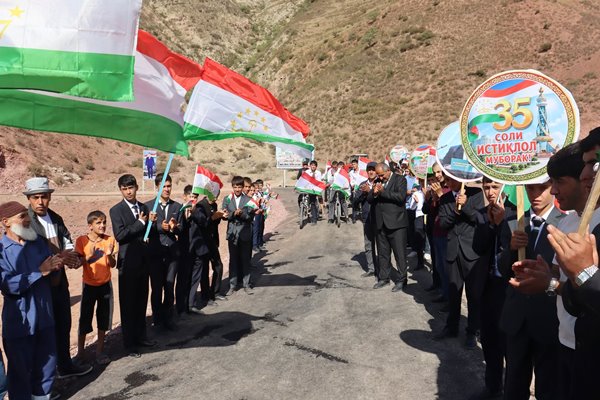
In addition, the Minister emphasized the need to intensify the work of all structures in the industry in accordance with the instructions of the President of Tajikistan Emomali Rahmon, to ensure the effective implementation of state policy in the field of education, to adequately prepare for the celebration of the 35th anniversary of the State Independence of the Republic of Tajikistan, and to participate in the implementation of the UN General Assembly resolution "International Decade for the Strengthening of Peace for Future Generations (2027–2036)".
Summing up the meeting, the Minister of Education and Science instructed the heads of relevant agencies to continue their work to improve the quality of curriculum and textbook development, ensure their comprehensive review, ensure timely preparation for the new academic year, effectively organize August pedagogical meetings, and ensure the implementation of all decisions made.