Translated with AI












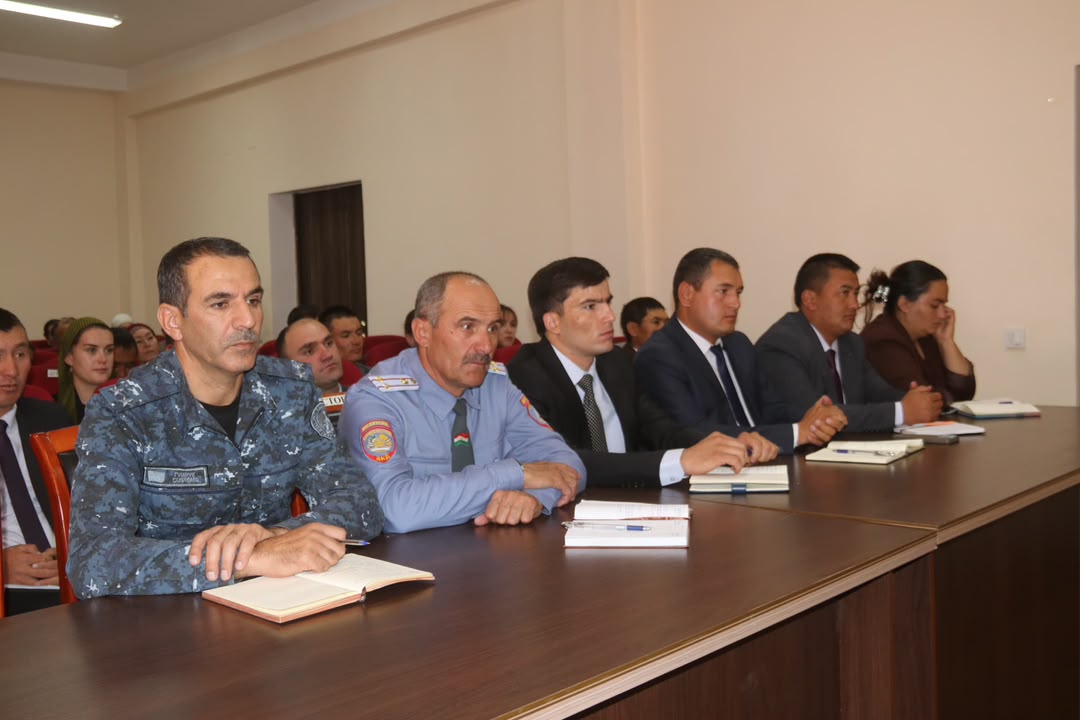





















On May 20, a roundtable discussion on "Observation and Monitoring of Migrants' Health: Experiences in Interagency Cooperation" was held at the CIS Headquarters. The event was initiated by the CIS Working Group on Tuberculosis, pursuant to the decision of the CIS Health Cooperation Council adopted in Dushanbe in October 2025. This was reported by the press service of the CIS Executive Committee.
Representatives from Azerbaijan, Armenia, Belarus, Kazakhstan, Kyrgyzstan, Russia, Tajikistan, Turkmenistan, and Uzbekistan, as well as the CIS Interstate Statistical Committee, the Interparliamentary Assembly of Member Nations of the CIS, the World Health Organization Regional Office for Europe, the International Organization for Migration, the Regional Delegation of the International Committee of the Red Cross in the Russian Federation and the Republic of Belarus, the Belarusian Red Cross, and the CIS Executive Committee took part in the discussion.


Meeting participants emphasized that monitoring the health of migrants is of great practical and humanitarian importance, as labor migrants remain one of the most socially vulnerable categories of the population.
Experts believe migrants need to be guaranteed the right to health protection and access to medical care, from disease prevention and early detection to treatment for dangerous infections, including tuberculosis, HIV, and hepatitis.
Based on national data, the CIS Working Group on Tuberculosis assessed the availability of specialized medical care for labor migrants in the Commonwealth countries.
Experts noted that CIS countries maintain systematic records of tuberculosis patients. However, as stated at the meeting, effective monitoring of migrants' health requires strengthening interagency cooperation.
Roundtable participants emphasized the need for continuous data exchange between healthcare agencies, internal affairs agencies, migration and border services, social protection agencies, statistical agencies, parliaments, and international organizations.
According to the presented statistical analysis, intensive cross-border labor flows have a significant impact on the structure and dynamics of the epidemiological situation in the CIS countries.
Experts noted that migration processes do not fundamentally change overall morbidity trends among the resident population, but they do create local risks and require coordinated control at the interstate level.
The meeting also noted that the Interparliamentary Assembly of Member Nations of the CIS plays an important role in harmonizing migration policy in the post-Soviet space through the development of advisory documents, including the CIS Model Migration Code.
Among the key international partners providing assistance to migrants with tuberculosis, meeting participants identified the World Health Organization, the Global Fund, the International Organization for Migration, and the International Committee of the Red Cross.
In particular, the WHO coordinates international tuberculosis control programs, develops unified medical protocols, organizes the supply of modern test systems and drugs, and monitors the epidemiological situation in various countries.
Following the roundtable discussion, the participants adopted a resolution. The meeting's results are planned to be presented at the next meeting of the CIS Healthcare Cooperation Council.