Translated with AI



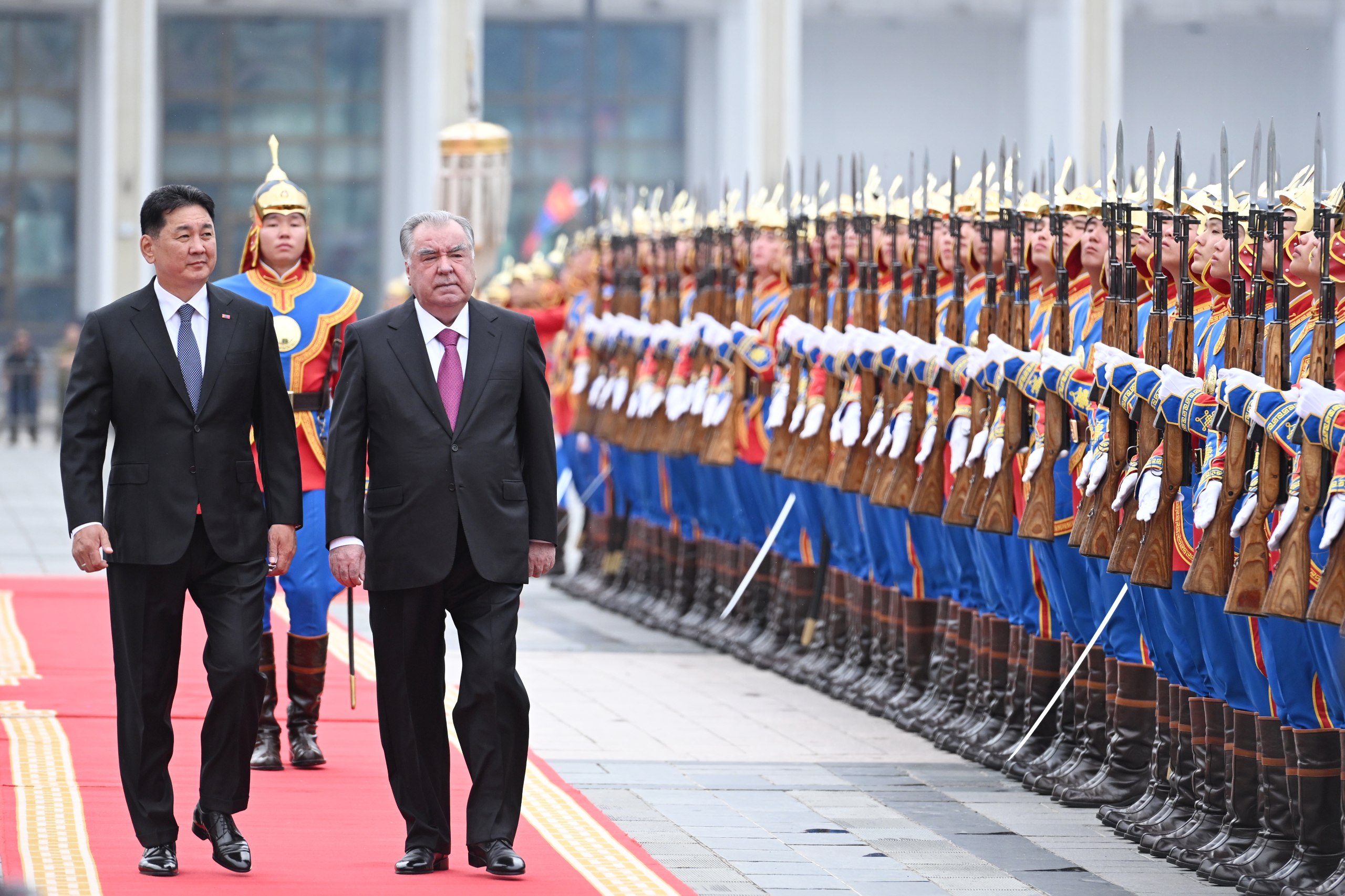

















This year marks the 30th anniversary of the establishment of Russia-China strategic partnership and cooperation, as well as the 25th anniversary of the signing of the important bilateral Treaty of Good-Neighborliness, Friendship, and Cooperation. In today's world, relations between China and Russia are considered the most stable and mature among major powers. Given the high level of development of these relations, significant progress has been achieved in all areas of bilateral cooperation.
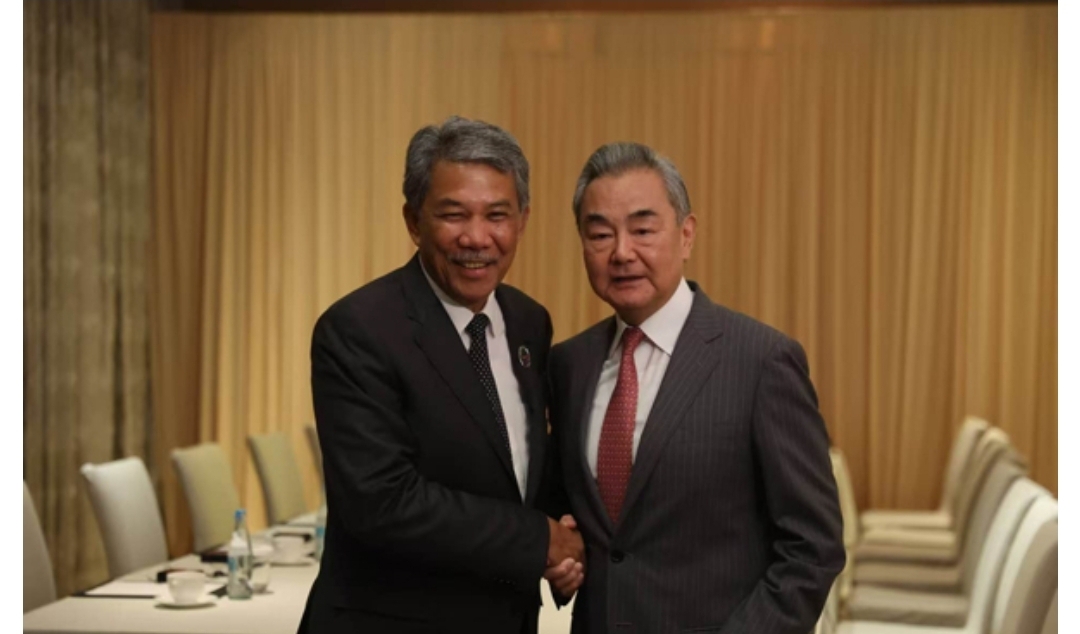
(Photo: VCG)
Summing up the development of bilateral relations, it can be said with confidence that Sino-Russian relations have been steadily advancing since the beginning of the 21st century. Thus, in June 2001, the "Treaty of Good-Neighborliness, Friendship, and Cooperation" was signed, legally enshrining the fundamental principle of "forever friends, never enemies." In 2011, the parties decided to elevate their relations to a new level of "comprehensive strategic coordination and partnership." In 2019, the parties began developing the "China-Russia comprehensive strategic coordination and partnership in a new era," achieving an unprecedented level of mutual political trust. In 2024, the Joint Statement on Deepening Comprehensive Strategic Partnership of Coordination on the Occasion of the 75th Anniversary of the Establishment of Diplomatic Relations emphasized that "the development of China-Russia comprehensive strategic coordination and partnership meets the fundamental interests of both countries and their peoples and is not based on short-term interests or opportunistic calculations." At the current stage, relations between the countries have enormous value and powerful potential for development.
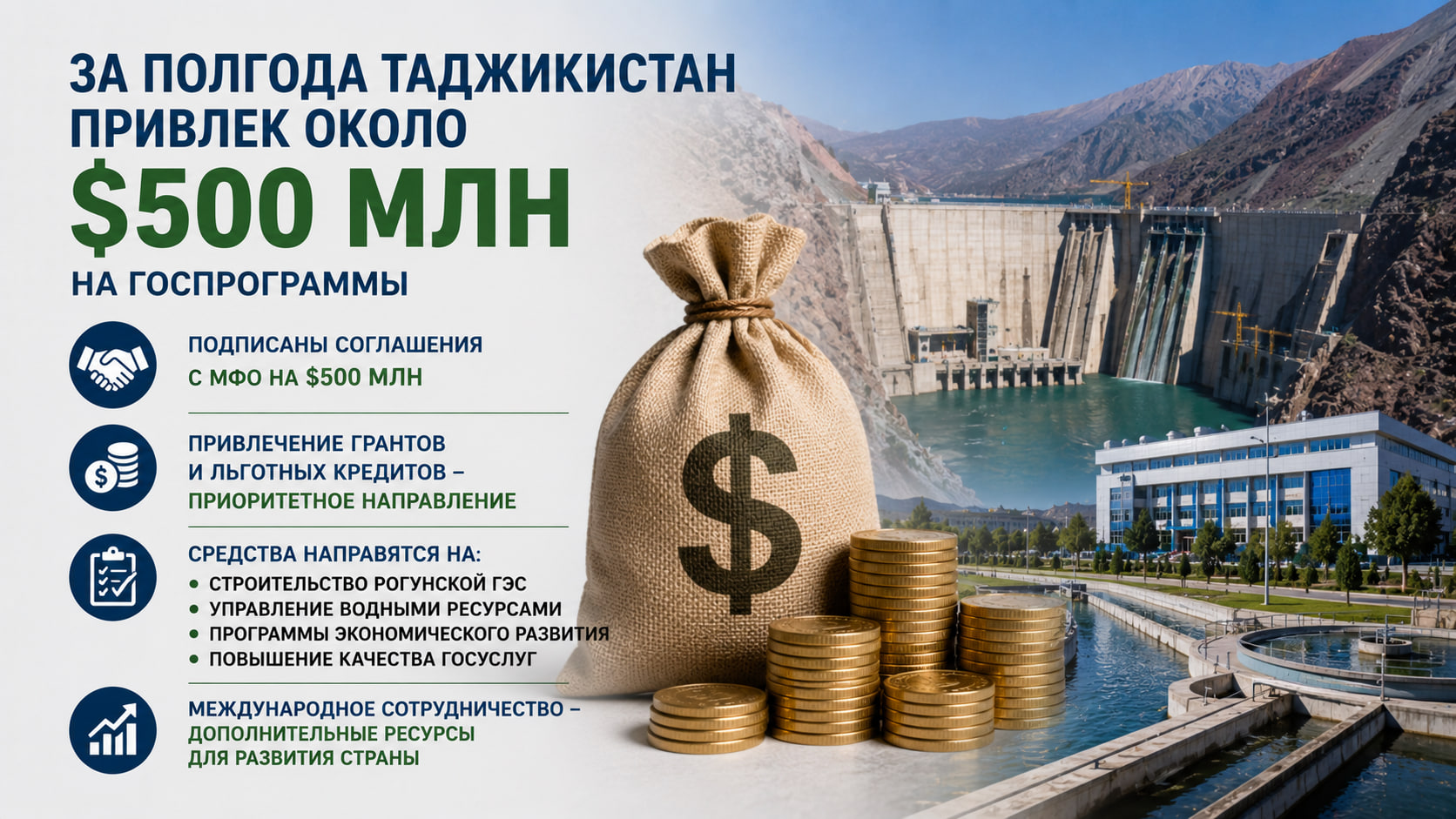
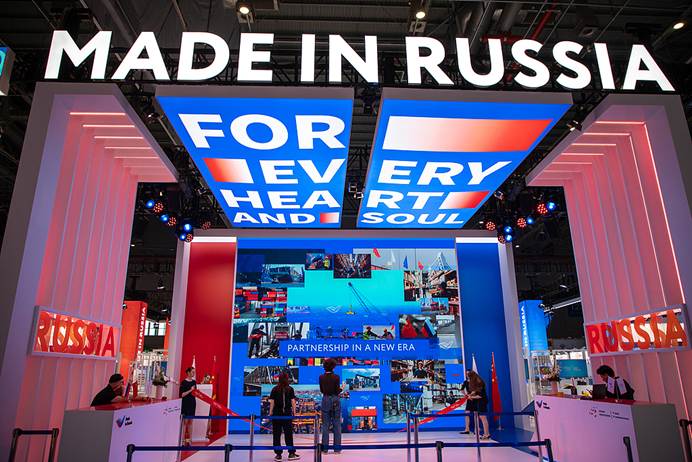
Growing mutual political trust has naturally yielded impressive results in trade and economic cooperation. Clear geographic advantages, high economic complementarity, multi-level coordination mechanisms, and aligned development strategies are gradually expanding the scope of bilateral economic cooperation. In 2025, bilateral trade volume reached $227.9 billion, exceeding the $200 billion mark for the third consecutive year. China remains Russia's largest trading partner for the 16th consecutive year. At the same time, the trade structure is being optimized, with the share of engineering and high-tech products growing. Chinese goods with competitive advantages—automobiles, household appliances, and mechanical equipment—enjoy steady demand in Russia; in turn, Russian energy resources, mineral raw materials, and agricultural products are regularly supplied to China. In recent years, new forms of foreign trade, such as cross-border e-commerce and digital commerce, have been rapidly developing, expanding trade channels and giving new impetus to bilateral trade.
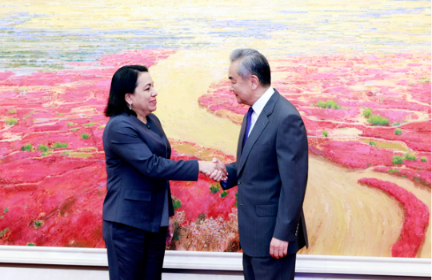
(Photo: VCG)
In the face of dramatic changes in the global trade environment, China and Russia urgently need to more actively promote high-quality trade cooperation. This is driven not only by the need to overcome current challenges but also by the objective necessity of ensuring sustainable and healthy economic growth in both countries. Technological innovation is a key factor in the transition of Chinese-Russian trade to high-quality development. Scientific and technological cooperation between the two countries has a solid foundation and demonstrates clear complementarity. This collaboration encompasses both traditional areas of interaction, ranging from aerospace and energy, to new ones, including the digital economy, artificial intelligence, and biotechnology.
China and Russia have set the goal of achieving carbon neutrality: Russia no later than 2060, and China by 2060. A "green transformation" in energy has become a pressing area of intergovernmental cooperation. With the development of clean energy, the parties can implement joint projects in wind and solar energy, contributing to the global energy transition. Furthermore, China and Russia are major agricultural powers with abundant agricultural resources and vast markets. By implementing advanced agricultural technologies and effective management practices, the parties can jointly improve the efficiency of agricultural production and refine the structure and quality of agricultural products, which will ultimately better meet the demand for high-quality products in their own markets and in other countries.
(Photo: VCG)
A solid political foundation and a favorable climate for cooperation not only facilitate the deepening of trade and economic ties but also stimulate cultural exchanges. The two sides have successfully implemented nine "thematic years" at the national level: from the Years of China and Russia, the Years of Languages and Tourism, and the Years of Youth Exchanges. 2026–2027 is the tenth thematic year, and for the first time, it will focus on education. Close, long-term, and systematic humanitarian cooperation has become an example of cultural interaction between major powers at the international level.
Today, in the context of diverse and unprecedented global challenges, the pursuit of peace, development, and cooperation is becoming the leitmotif of the era and a pressing need for people around the world. China and Russia are not only permanent members of the UN Security Council but also important participants in multilateral organizations such as APEC, the Group of Twenty (G20), the Shanghai Cooperation Organization (SCO), BRICS, and other international forums. By aligning the Belt and Road Initiative with the Eurasian Economic Union (EAEU), China and Russia are transforming political trust into tangible results of interconnectedness. The two sides are also strengthening coordination within the SCO, supporting cooperation between the SCO and the EAEU, and jointly advancing the implementation of the Greater Eurasian Partnership.
The key to the resilience of Chinese-Russian relations amidst a turbulent international environment lies in a solid foundation built on three pillars: political trust, closely intertwined economic interests, and a genuine spiritual affinity between their peoples. This foundation has proven its reliability time and again; undoubtedly, China and Russia will continue to steadily strengthen it, building on increasingly mature and sustainable relations between major powers, thereby contributing to global stability and confidence in a brighter future.
(By CGTN correspondent Li Zheya)