Translated with AI


























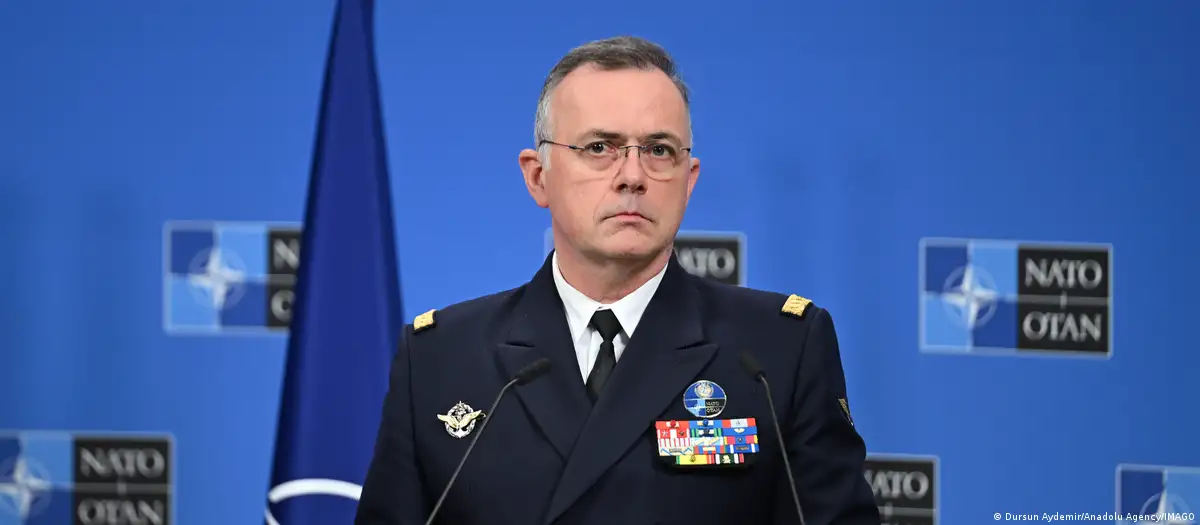
All weapons provided under the Ukraine Priority Requirements List (PURL), including U.S. interceptor missiles for air defense systems, continue to be delivered to Kyiv. This was announced by NATO Supreme Allied Commander Europe, General Alexus Grynkevich, following a meeting of the Alliance's Military Committee at the Chiefs of Defence level in Brussels.
"Regarding PURL, I want to assure you that everything the allies paid for is being delivered, including the interceptor missiles for the air defense systems that the Ukrainians so urgently need," Grynkevich noted.
He said that despite the war now entering its fifth year, the Ukrainian Armed Forces are demonstrating "extraordinary resilience and innovation" and are sharing combat experience with NATO, particularly in countering Russian and Iranian drones and missiles.
The general emphasized that Ukraine needs constant and predictable support from its allies, and this is precisely the task that the PURL program accomplishes.
The US-NATO initiative provides Ukraine with critically important American-made weapons. Countries participating in the program contribute to a common fund in accordance with a list of priority needs agreed upon by Ukraine, the US, and NATO. This allows for the rapid procurement and delivery of weapons that cannot be replaced by European equivalents.
Grinkevich also stated that Western investments in Ukraine's defense not only help protect the country's population and critical infrastructure, but also strengthen European security.
Answering journalists' questions, the general confirmed US President Donald Trump's intention to withdraw approximately 5,000 American troops from Europe. He also emphasized that the reduction in the American presence would not impact NATO's regional plans.
According to him, since Russia's full-scale invasion of Ukraine, the Baltic states, Poland, and other European countries have significantly strengthened their armed forces. Grinkevich specifically noted the effectiveness of the Canadian-led NATO multinational brigade in Latvia, as well as the expansion of the German brigade in Lithuania.
"As allies build their capabilities, the United States can redirect those resources and use them for other global priorities," he said.
Commenting on the incident involving the drone, which, according to Estonian Defense Minister Hanno Pevkur, allegedly flew into the country and was shot down by a Romanian NATO fighter jet, Grinkevich stated that the alliance's actions demonstrated its readiness to defend allied territory.
"Authorities are delegated down to the lowest tactical level so that we can defend every inch of alliance territory in the event of an invasion," the general emphasized.
NATO also commented on a statement by the Russian Foreign Intelligence Service, which claimed that Latvia was allegedly making its territory available for the preparation of Ukrainian drone strikes against Russia. Russia stated the possibility of "just retaliation," noting that Latvia's NATO membership "will not protect" the country.
Grinkevich called Russia's statements about an alleged threat from NATO "not new" and emphasized that they do not correspond to reality.
"If we wanted to allow drones to fly through the airspace of the Baltic states so that they could reach Russia, we would not shoot them down," he said.