Translated with AI







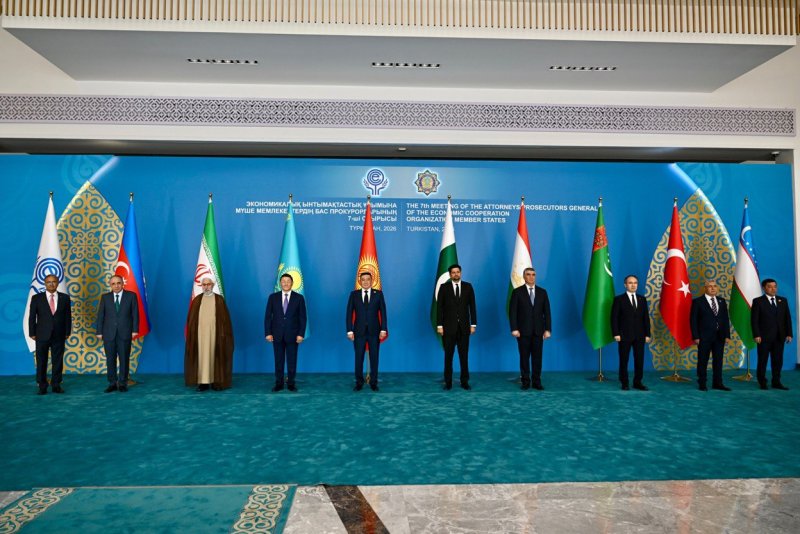

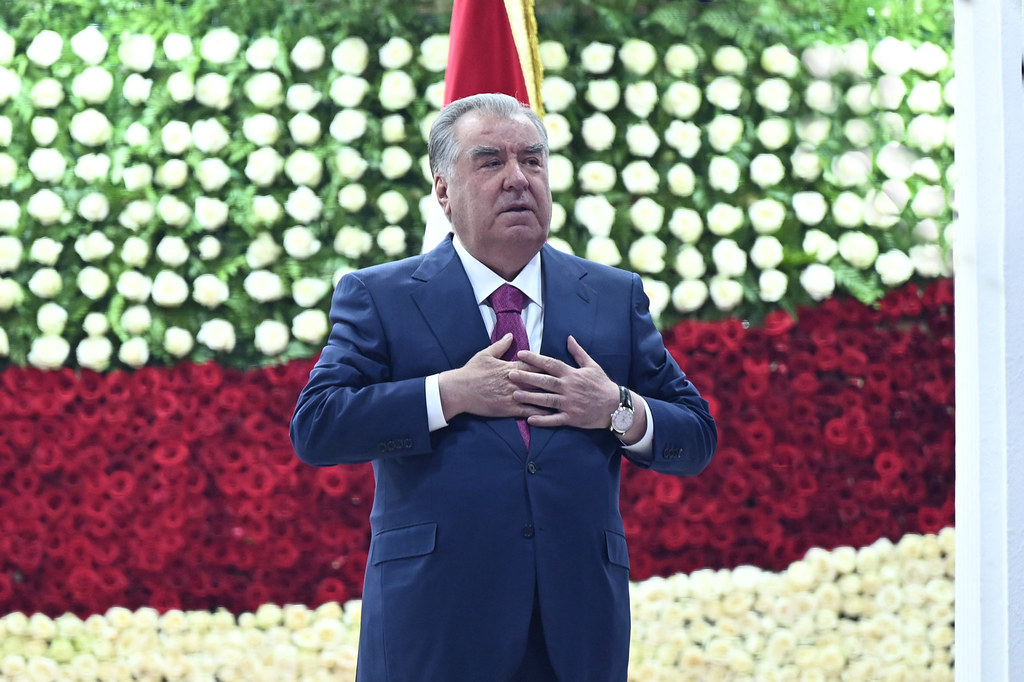









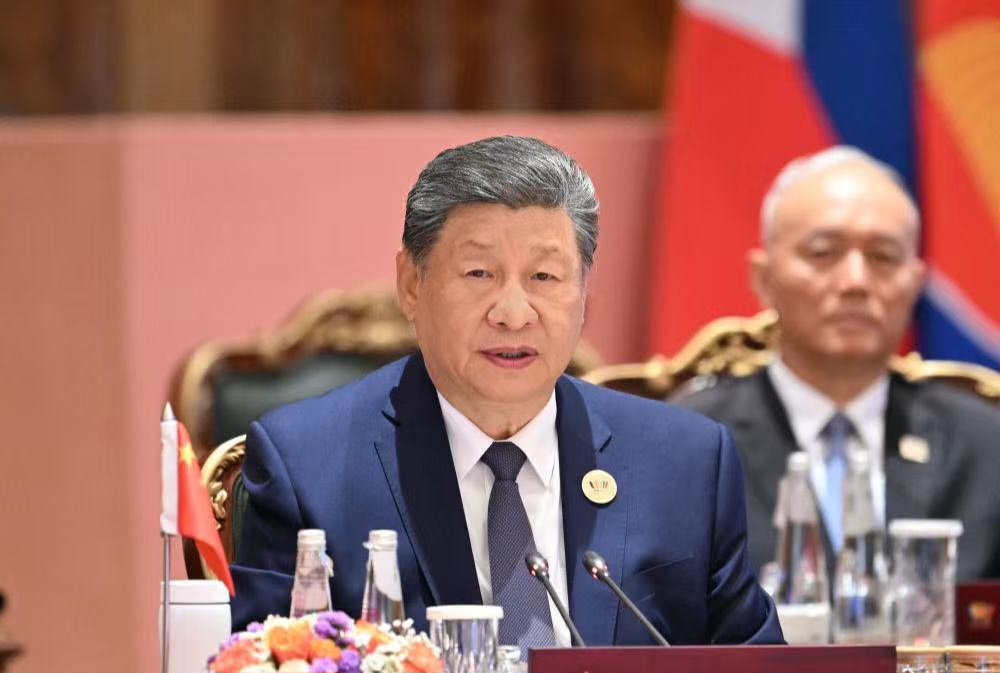
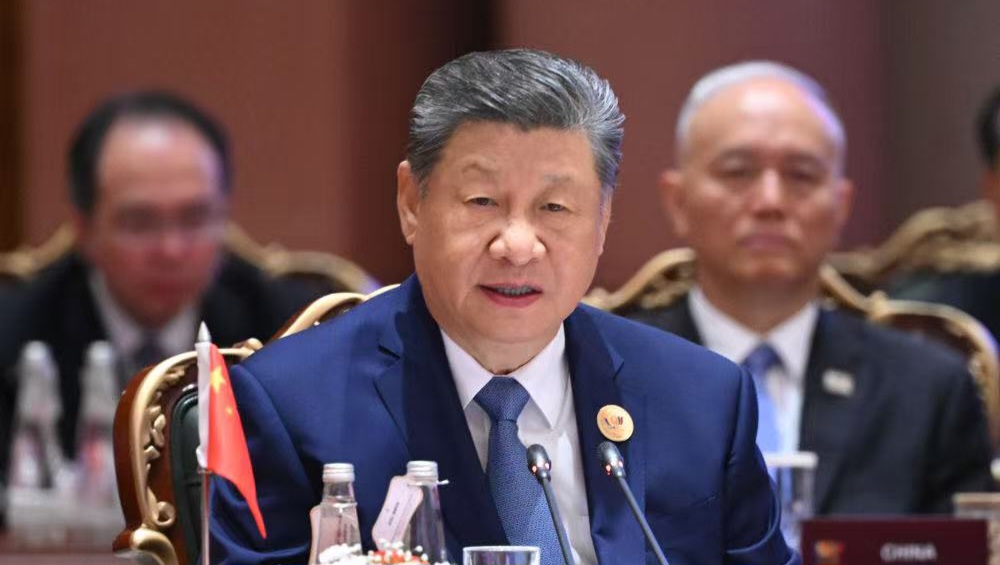






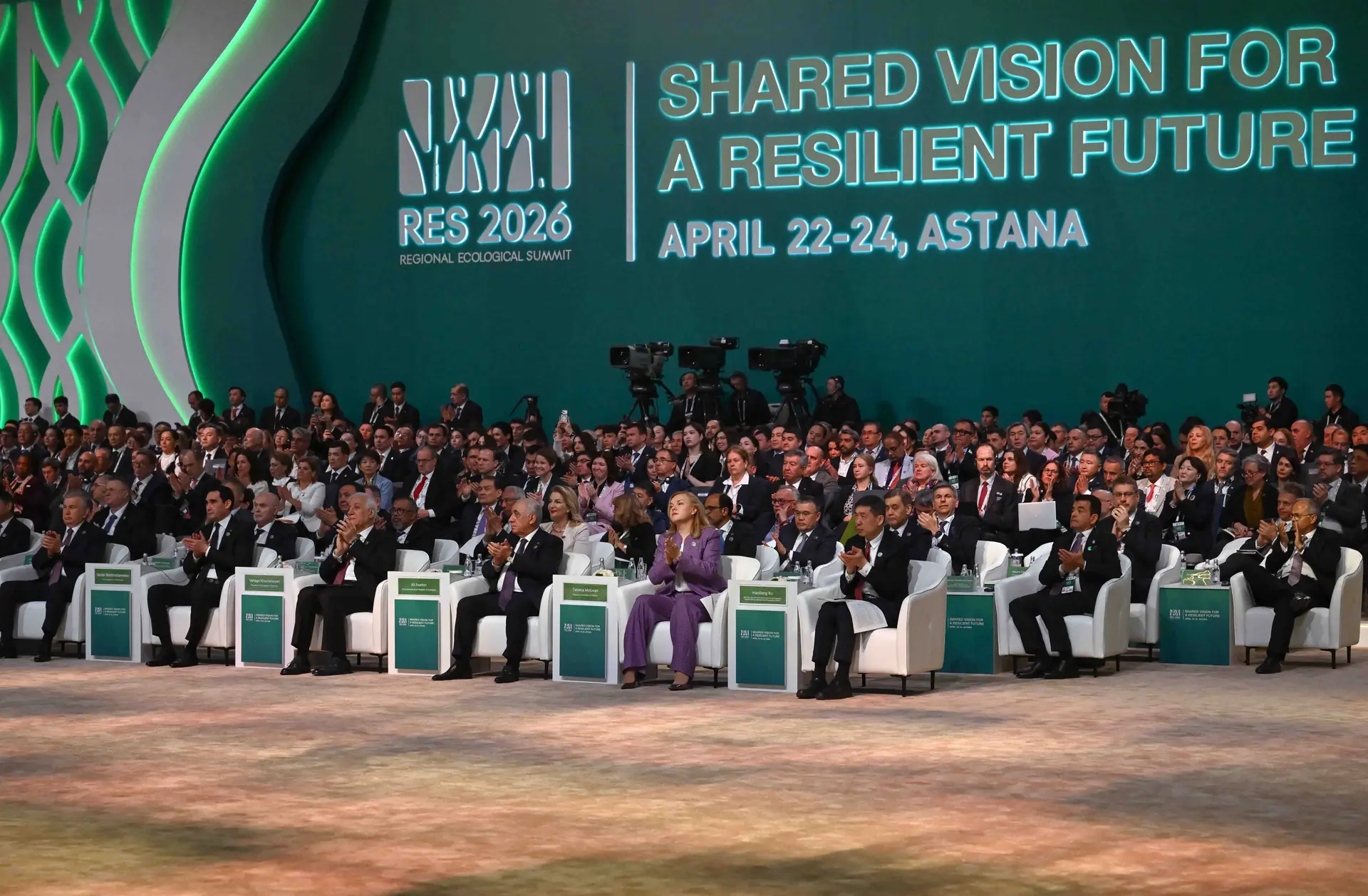
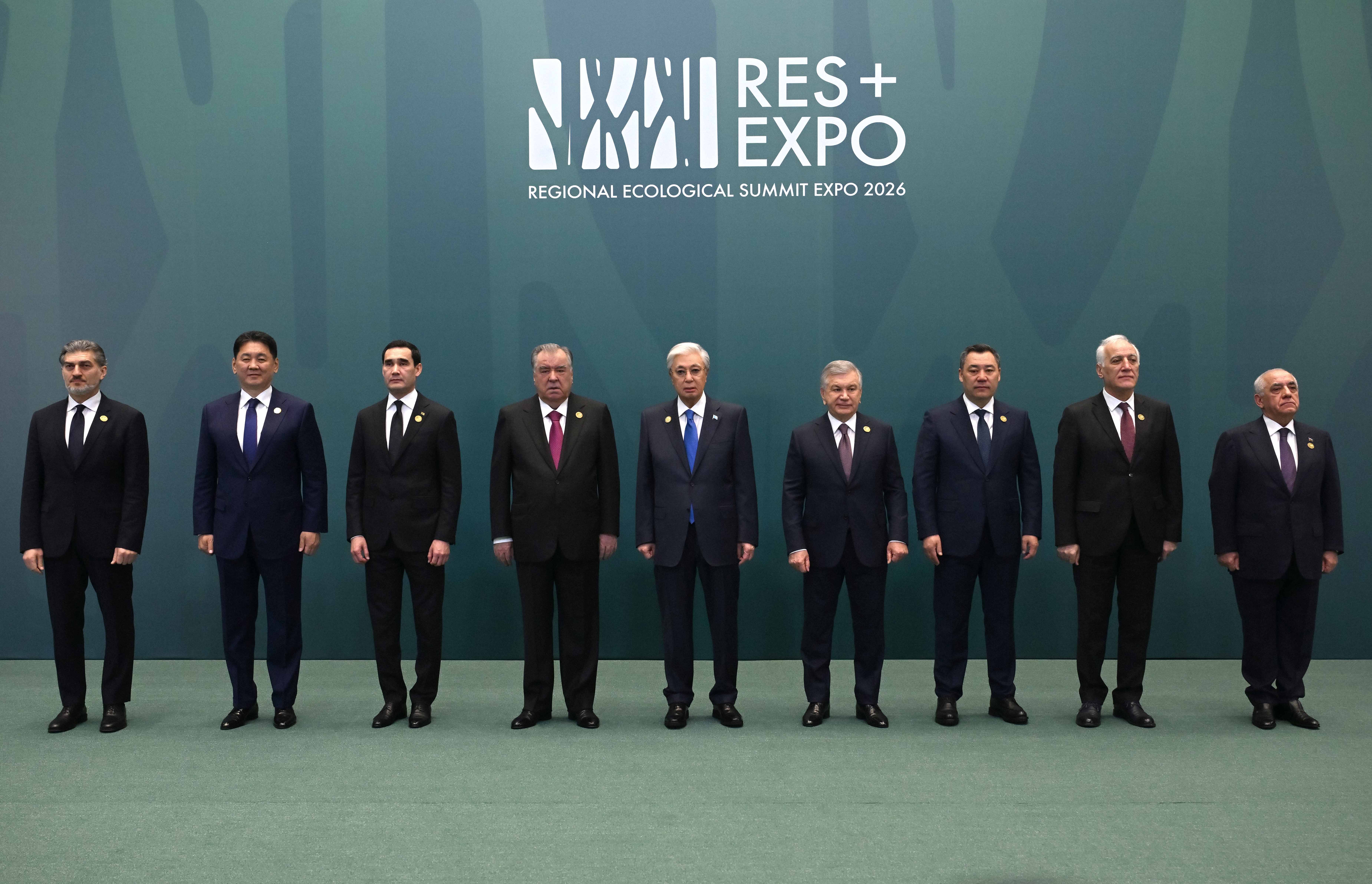
On April 22, Astana became the center of environmental diplomacy in Central Asia. During his working visit to Kazakhstan, President Serdar Berdimuhamedov participated in the Regional Environmental Summit—a historic forum where a comprehensive, region-wide agenda for a sustainable future was discussed at the highest government level.
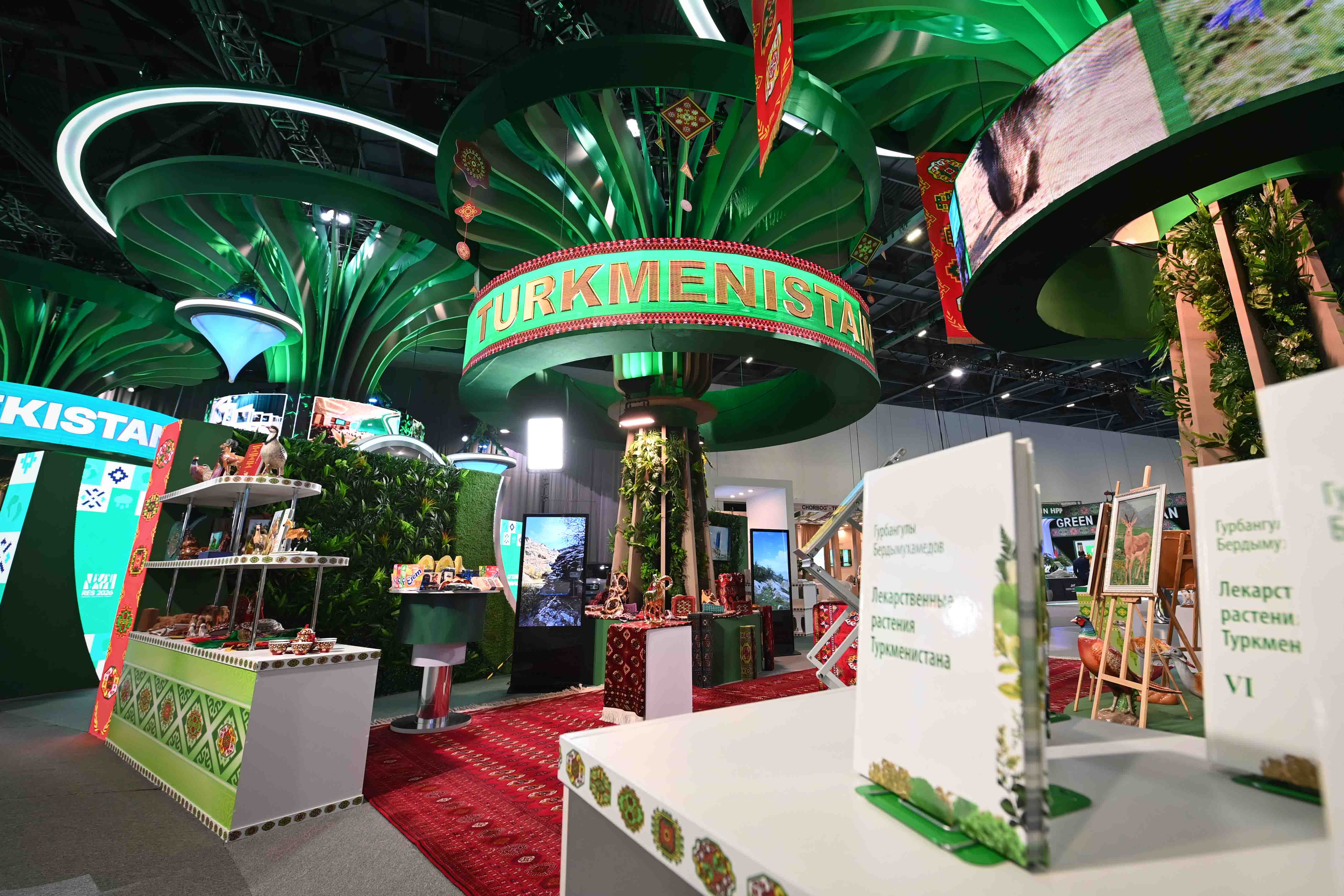
The summit began with a technological showcase—the "RES 2026 EXPO" exhibition. Turkmenistan's national pavilion was one of the highlights of the exhibition, showcasing a rare combination: a profound philosophical foundation (represented by the National Leader's seminal work "Medicinal Plants of Turkmenistan") and the country's modern "green" achievements. For Turkmenistan, ecology is not a passing fad, but a natural extension of the respectful attitude toward nature ingrained in the nation's cultural heritage.
Speaking at the plenary session, President Serdar Berdimuhamedov called for a shift from simply acknowledging problems to creating systemic institutions. The proposed strategy centers on three key initiatives:
Establishment of UN Regional Centers : Turkmenistan is initiating the opening of a Regional Climate Technology Center and a Center to Combat Desertification. Locating these structures directly in Central Asia will allow experts to work "on the ground," promptly responding to specific regional risks.
Regional Water Council : Under the auspices of the UN, this structure should become an arbiter and coordinator on the rational use of transboundary rivers. Turkmenistan's position here is firm: compliance with international conventions, equal interests of all countries, and active UN participation.
Caspian and Aral Sea agendas : The President confirmed Turkmenistan's status as a link between the Caspian and Aral Sea ecology. A high-level meeting was announced for October of this year, which is expected to take cooperation between the Caspian littoral countries to a qualitatively new level.
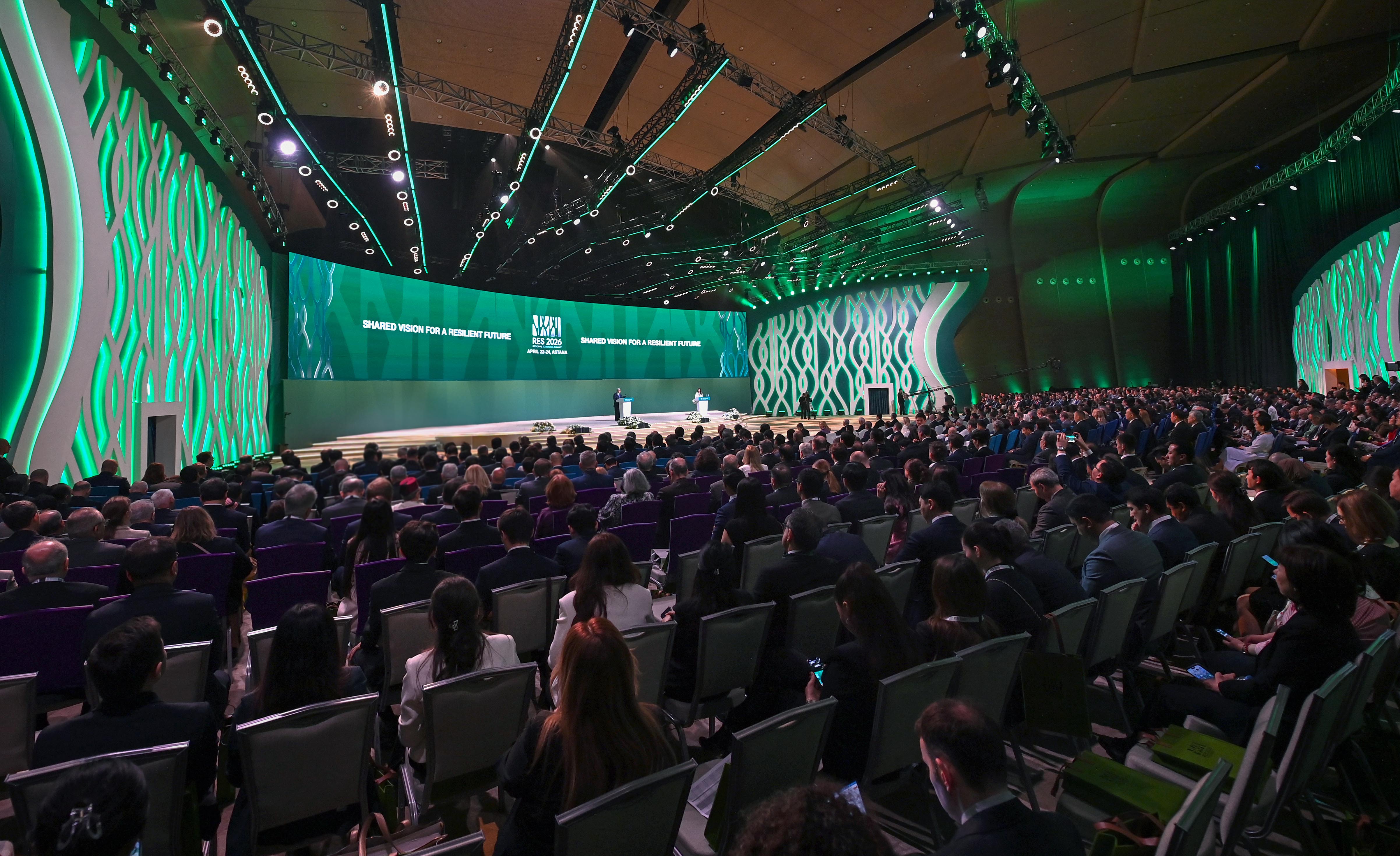
The President's speech placed particular emphasis on the "architecture" of decision-making. To ensure that initiatives don't remain on paper, Serdar Berdimuhamedov proposed a clear algorithm: preliminary detailed development at the expert level, followed by ministerial approval, and only after full consensus is reached is the issue brought to the level of summits of heads of state. This approach eliminates declarative language and guarantees the viability of each project.
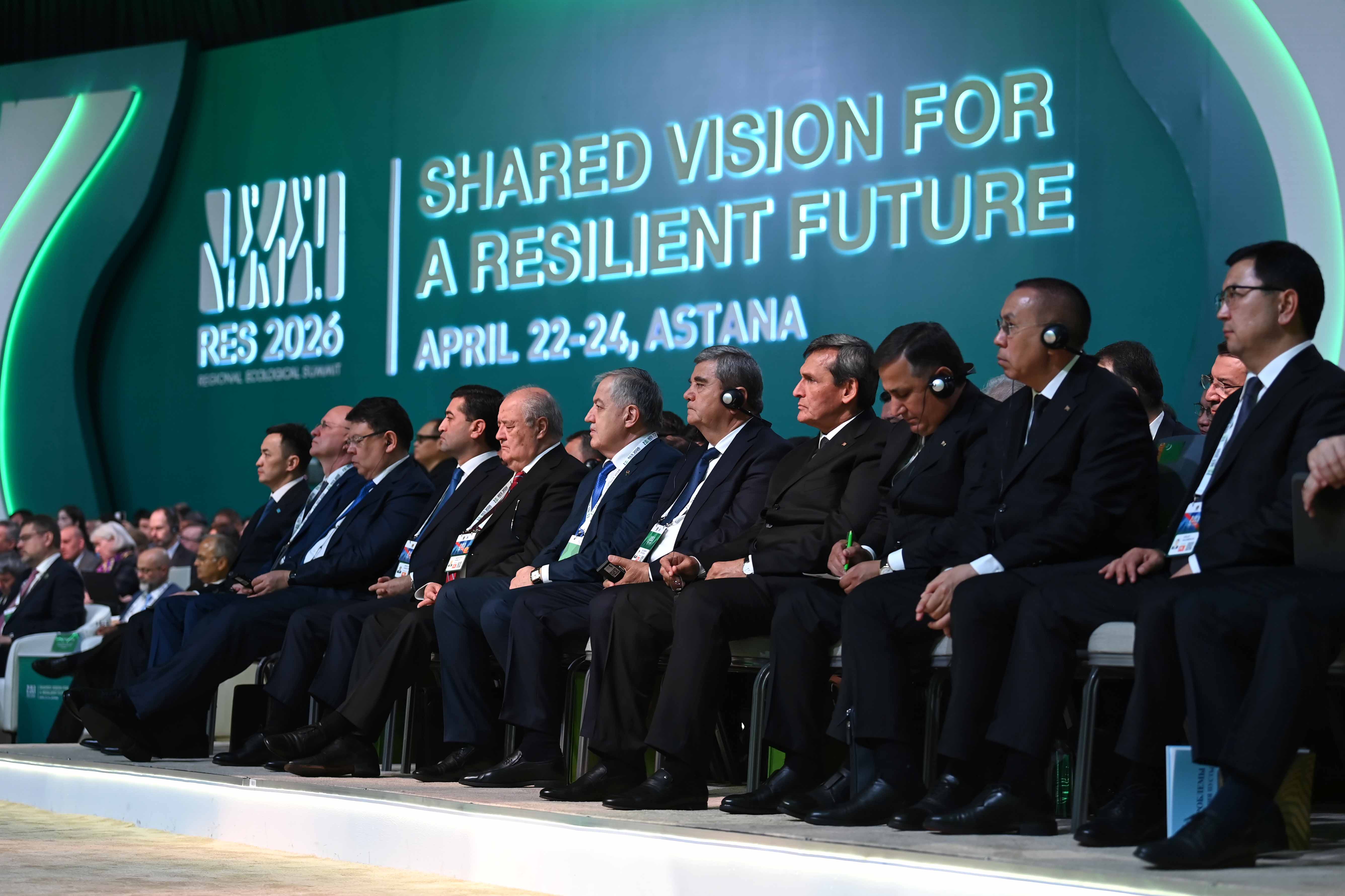
The Summit culminated in the adoption of the Declaration on Environmental Solidarity in Central Asia. This document is not just a political gesture, but a signal to the international community that the region is ready to act as a united front on issues of global climate transition. As the President of Turkmenistan noted, this is obligatory not only due to geography, but also to the spirit of genuine good-neighborliness, which has always been stronger than any challenge.