Translated with AI








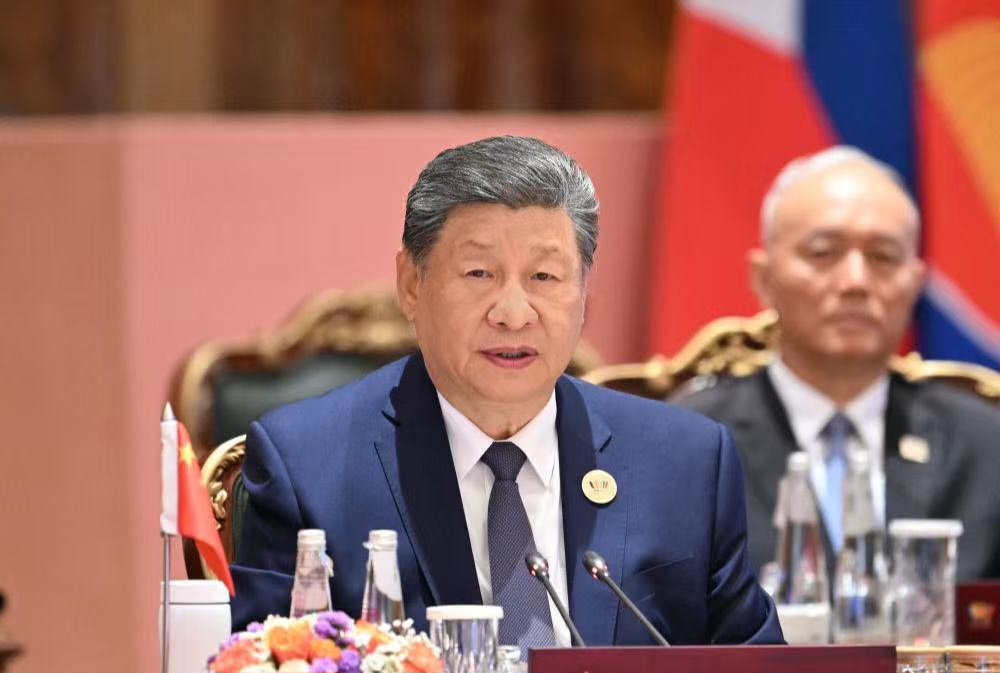
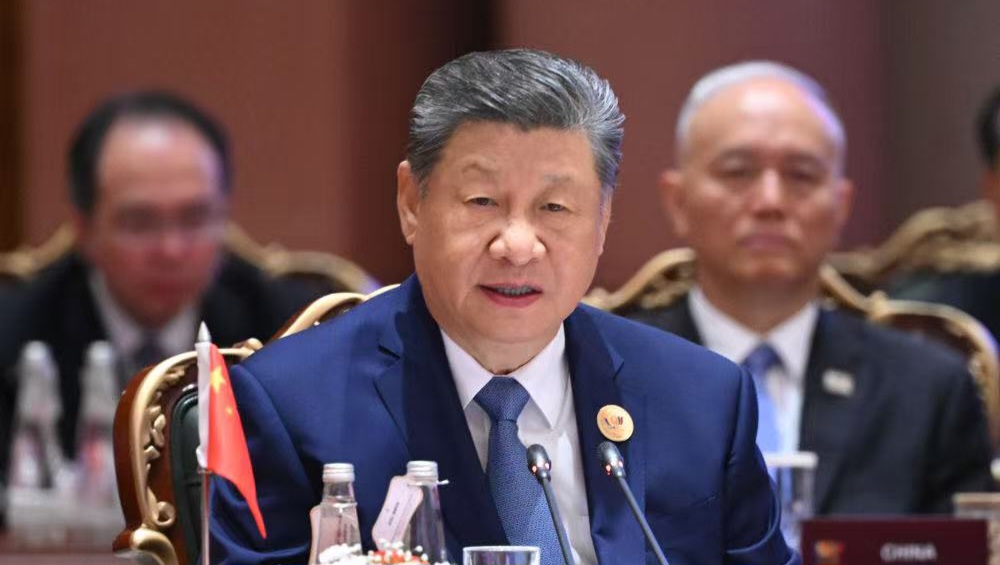




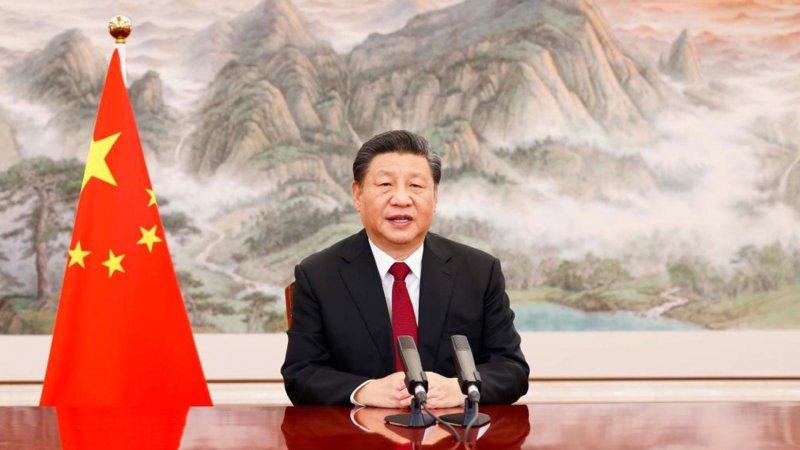
On the morning of April 14, 2026, Chinese President Xi Jinping met with Khalid bin Mohammed Al Nahyan, Crown Prince of Abu Dhabi of the United Arab Emirates, who was visiting China. The meeting took place at the Great Hall of the People in Beijing.
The parties exchanged views on the current situation in the Middle East and the Persian Gulf region. Xi Jinping emphasized China's principled position on promoting peace and negotiations, reaffirming its readiness to continue playing a constructive role.
During the meeting, Xi Jinping put forward four proposals for maintaining peace and stability in the Middle East.
First, adhere to the principle of peaceful coexistence. The countries of the Middle East and the Persian Gulf are closely interconnected and are considered "neighbors that cannot be divided." It is necessary to support the improvement of relations between them and promote the development of a common, comprehensive, cooperative, and sustainable security architecture in the region, strengthening the foundations of peaceful coexistence.
Second, uphold the principle of state sovereignty. Sovereignty is the foundation of the existence of all states, especially developing ones, and remains inviolable. The sovereignty, security, and territorial integrity of the countries of the Middle East and the Persian Gulf must be respected, and the safety of personnel, facilities, and institutions must be reliably ensured.
Third, uphold the principle of the rule of international law. Its authority must be protected, preventing selective application—using it when it's advantageous and ignoring it when it's not. It's crucial to prevent a return to the "law of the jungle" and consistently defend the international system with the central role of the UN, as well as the order based on international law and the principles of the UN Charter.
Fourth, adhere to the coordination of development and security. Security is the foundation of development, and development is the guarantee of security. All parties should create favorable conditions and make a positive contribution to the development of the Middle East and the Gulf region. China, for its part, is willing to share its modernization capabilities, contributing to the strengthening of development and security in the region.