Translated with AI

































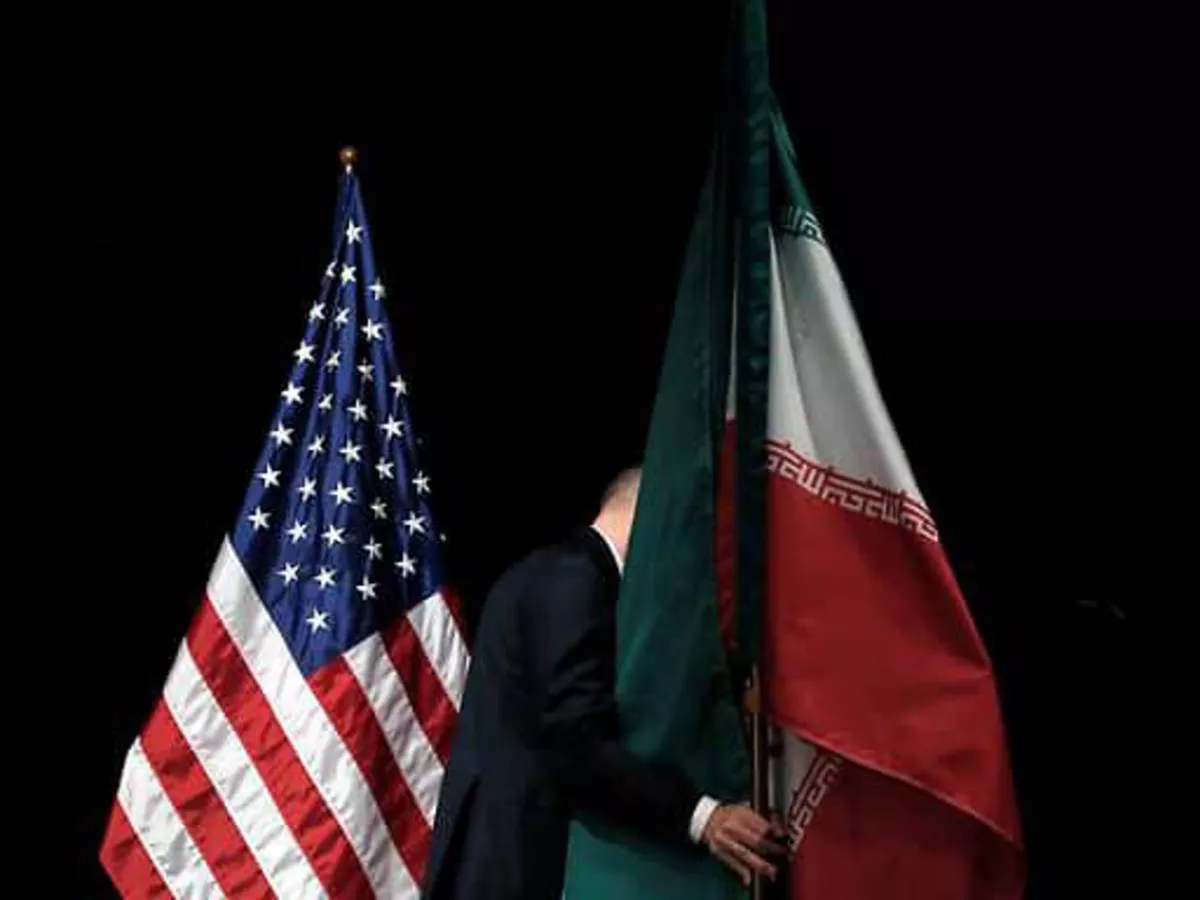
The US and Iran failed to reach an agreement following hours of talks in Islamabad, according to international media reports.
US Vice President J.D. Vance stated that the American delegation is returning to Washington without agreements, since the Iranian side refused to provide guarantees that it would not enrich uranium.
Iranian media described the US demands as excessive, but the Iranian Foreign Ministry did not rule out continuing dialogue.
It remains unclear how the outcome of the talks will impact the current two-week ceasefire. US President Donald Trump has not yet commented on the meeting's results. However, financial markets are anticipating a possible rise in oil prices and a stronger dollar after the weekend.
Pakistani authorities assessed the talks as constructive and called for the ceasefire to be maintained. Israel, for its part, stated that the possibility of continuing the diplomatic process remains.
The key topics of the talks remain the status of the Strait of Hormuz, a ceasefire in Lebanon, the Iranian nuclear program, and the phased lifting of sanctions. While the parties reportedly made progress on a number of issues, disagreements remain on several key points.
Donald Trump noted that the agreement was not critically important to him, emphasizing that he believed the United States had already achieved its goals. Iran, for its part, stated that the diplomatic process was not complete and would continue, taking into account national interests.
US Special Presidential Envoy Steve Witkoff and Jared Kushner remain in Pakistan, Al Arabiya reported.
According to him, American representatives remain in Islamabad to continue negotiations with the Iranian side.