Translated with AI
































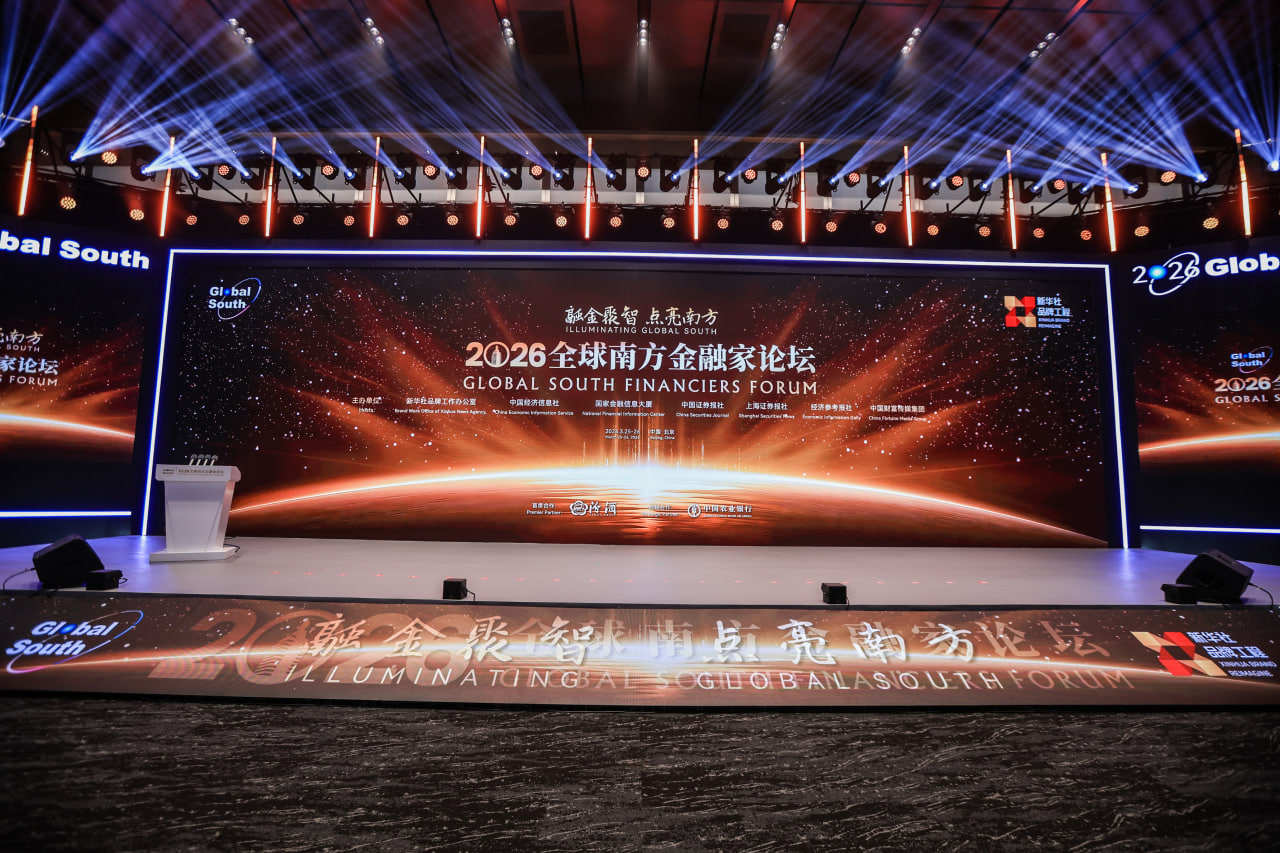
The Global South Financiers Forum, under the theme "Connecting Finance and Wisdom, Illuminating the Global South," was held in Beijing on March 25–26, 2026. The event was organized by the Xinhua News Agency.
The forum brought together international experts in the field. The focus was on developing financial cooperation among countries in the Global South, as well as their participation in reforming global financial governance.
The forum addressed a number of key topics, including cooperation in the green industry between China and countries of the Global South to contribute to global sustainable development, as well as strengthening exchanges in scientific, technological and financial fields and improving the business environment.
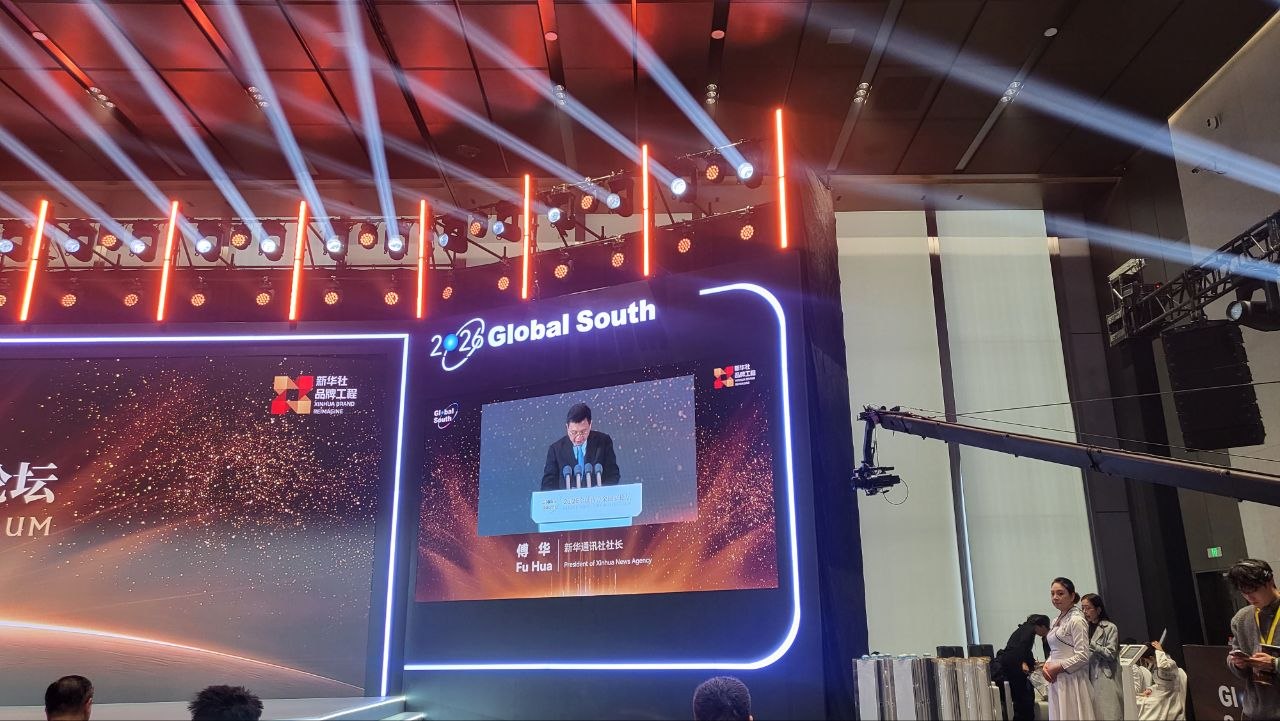
In his speech, Xinhua News Agency Director-General Fu Hua stated that the agency is committed to amplifying the "voice of the Global South" and documenting the collaborative efforts of these countries. He expressed his willingness to rely on the agency's multimedia information dissemination system and global presence to enhance the role of countries in the Global South and promote their initiatives on the global stage.
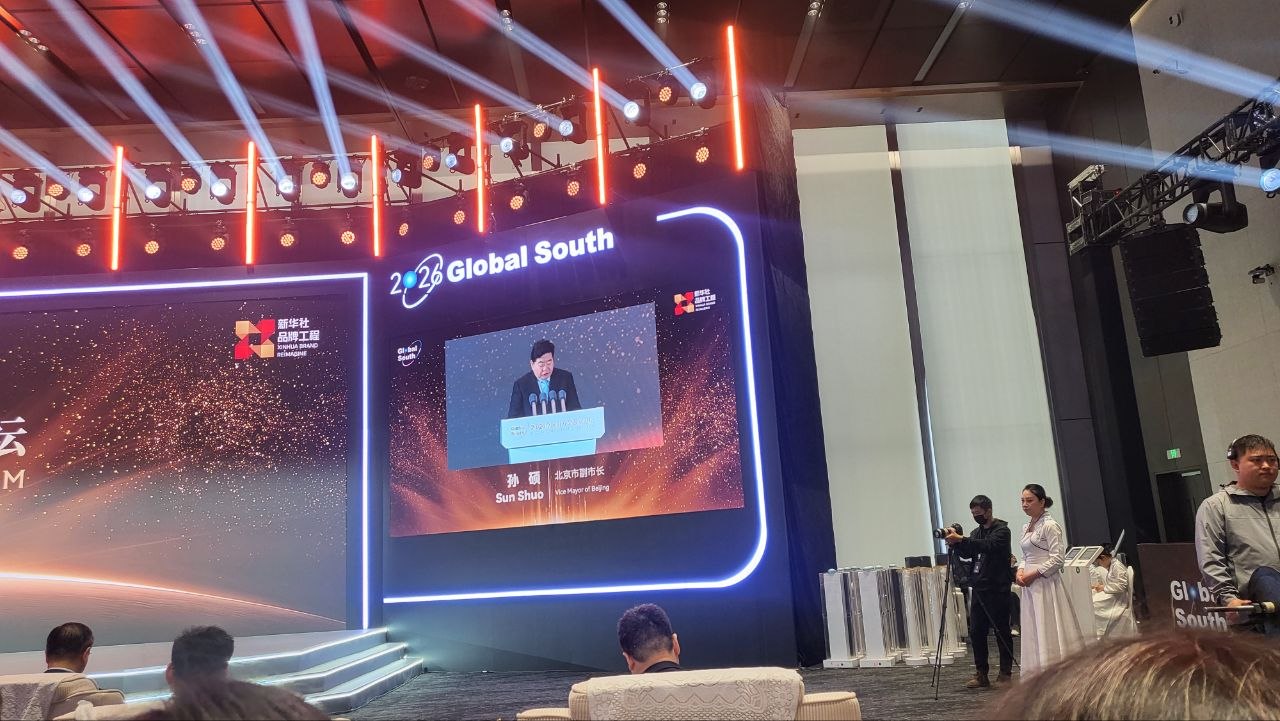
Beijing Deputy Mayor Sun Shuo emphasized that the financial sector is a pillar of the Chinese capital's economy. He stated that Beijing will maintain a high level of openness and expand cooperation with countries in the Global South, focusing on improving the business environment, strengthening scientific, technological, and financial exchanges, and developing green finance and innovation.
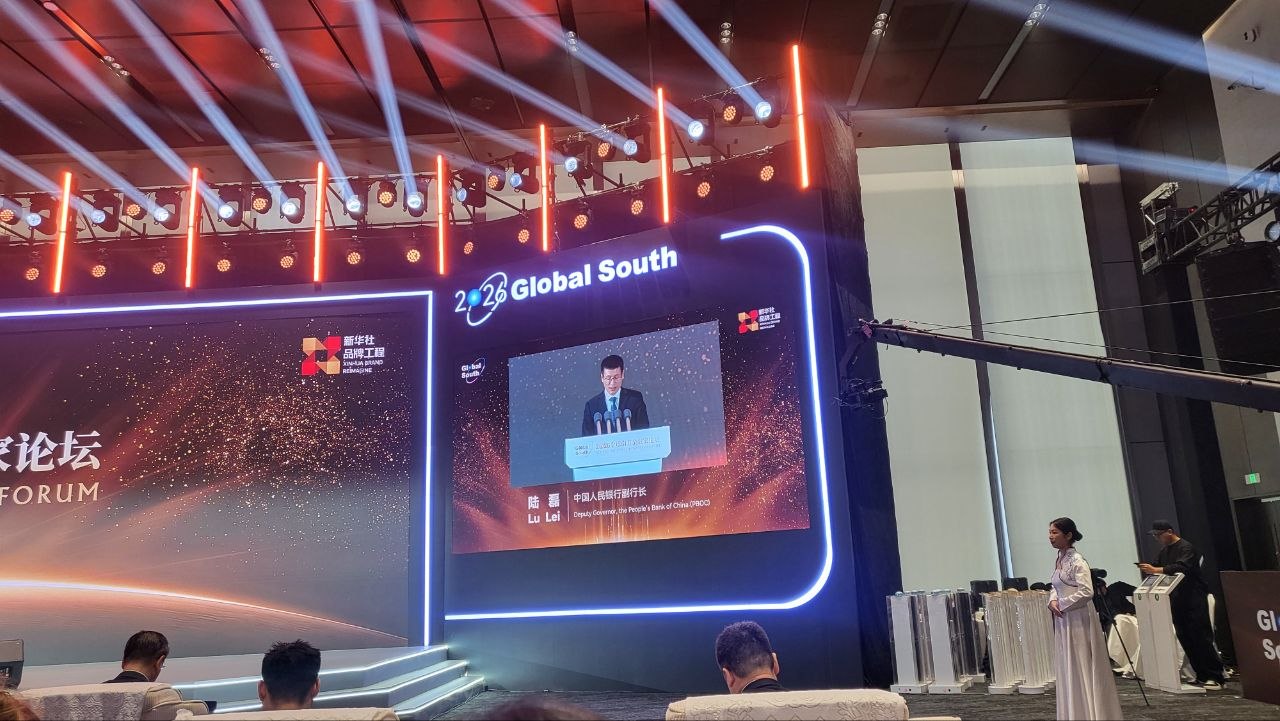
People's Bank of China Deputy Governor Lu Lei said the central bank is ready to work with all parties to promote high-quality development of green finance and direct global capital flows to green and low-carbon sectors.
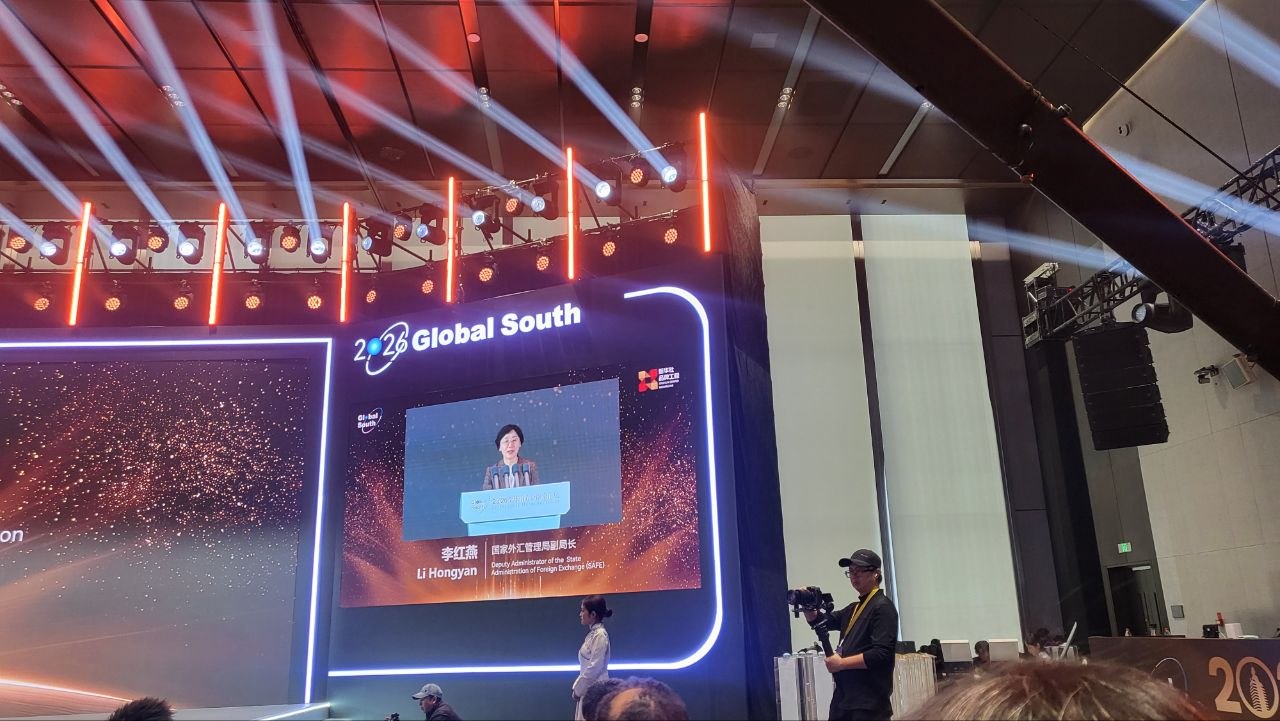
Li Hongyan, Deputy Administrator of the State Administration of Foreign Exchange, noted that the restructuring of the global green industry opens up new opportunities for mutually beneficial cooperation between China and countries of the Global South.
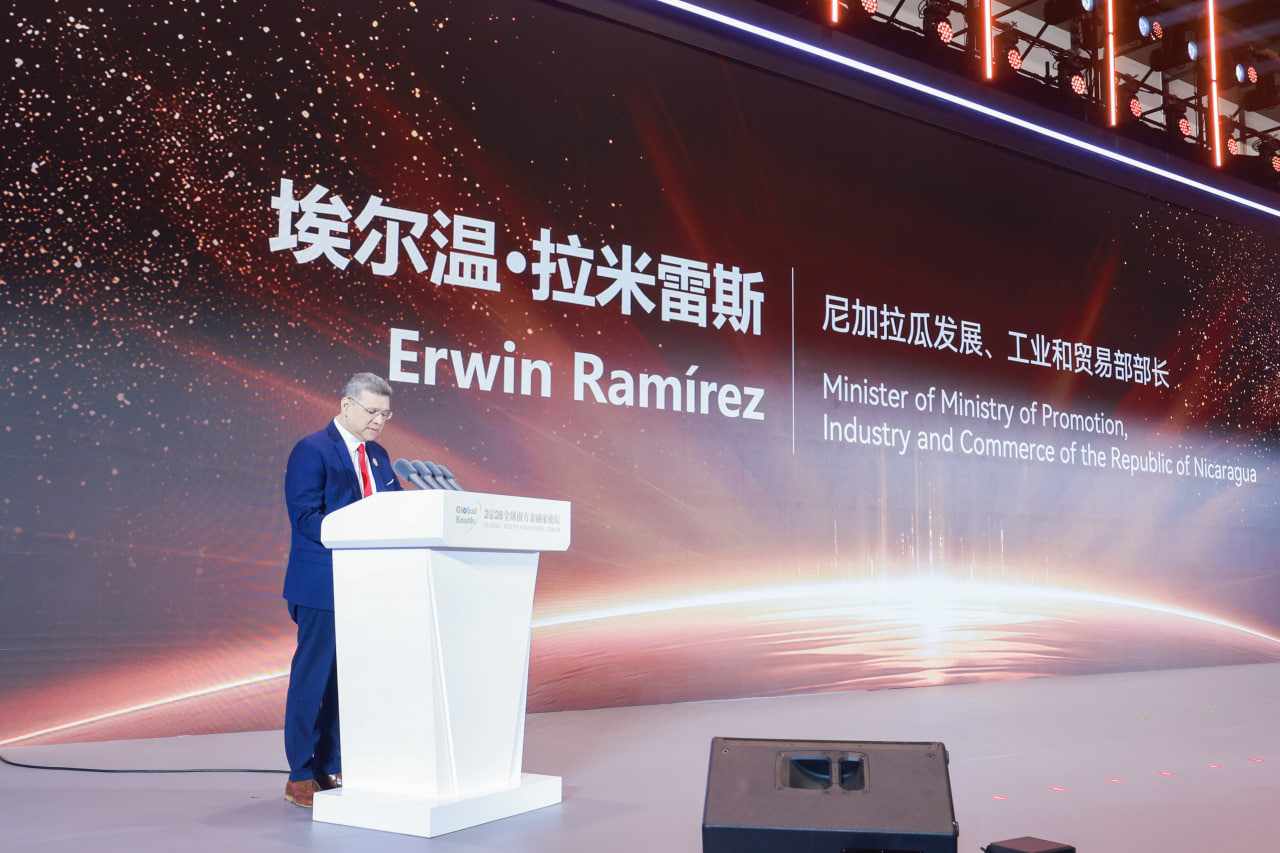
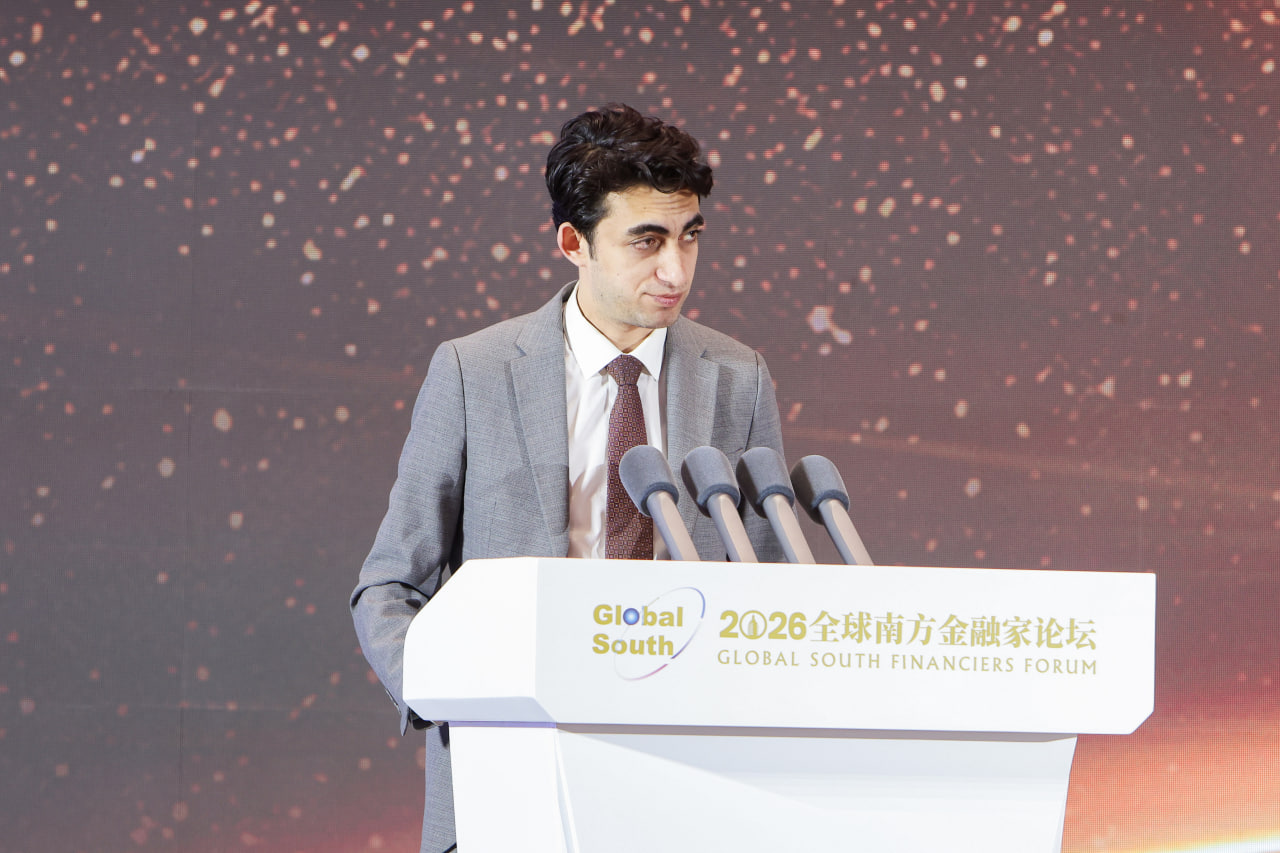
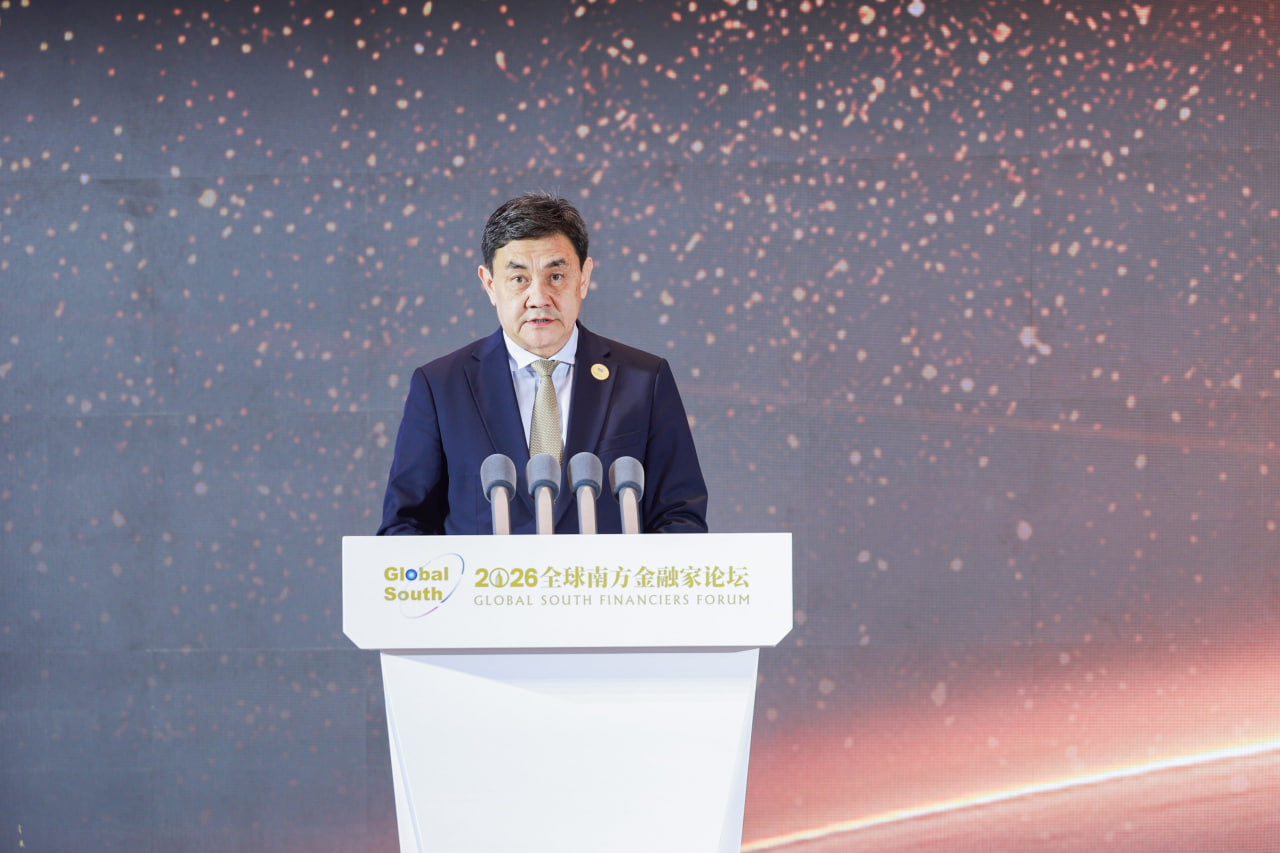
Nicaraguan Minister of Development, Industry and Trade Erwin Ramirez, Director General of the Central Bank of Azerbaijan Shahin Mahmudzade, and Chairman of the Green Finance Fund of the Kyrgyz Republic Sanjar Mukanbetov also spoke at the event.
The speakers' statements expressed their willingness to promote the role of countries in the Global South and advance their initiatives on the global stage, expand the openness of China's financial sector, develop cooperation in green finance and innovation, and improve the business environment.
Forum participants emphasized the need to deepen financial cooperation between countries of the Global South, including through the use of global information platforms and increased exchange of experiences. Particular attention was paid to the development of green finance as a tool for sustainable economic growth.
It was noted that the Central Bank of China intends to encourage and support financial institutions in implementing green and low-carbon investments, including projects within the framework of the Belt and Road Initiative.
It was also emphasized that the restructuring of the global green industry creates conditions for expanded cooperation and the sharing of energy transition opportunities.
It was also noted that cooperation in the field of green technologies is already being implemented, in particular through renewable energy projects.
With the participation of Chinese investors, large-scale renewable energy projects are being implemented in countries of the Global South.
The forum participants' speeches concluded that a green future could ultimately overcome the oil and gas past worldwide.
This is also evidenced by recent global events, including the US-Iran war, which has triggered a new energy crisis. Meanwhile, countries that have invested in electric vehicles and solar energy are demonstrating a more resilient position.
One such country is China, which over the past 10 years has become a global leader in energy—a key sector of the global economy. Its focus on renewable energy has not only reduced technological and raw material dependence but also made the country a leader in the clean technologies of the future, as well as a leading exporter of solar panels, batteries, and electric vehicles.
According to the Ember think tank, China has come to the realization that the previous growth model, based on fossil fuels, has exhausted its potential. As a result, the government has embarked on a course toward building an "ecological civilization" that integrates economic, social, and environmental development.
The pace of China's "green revolution" remains high. The country is installing twice as many solar panels as the rest of the world combined. China accounts for about a third of global investment in clean technologies—over $600 billion in 2024 alone.
China has also become the largest manufacturer of green energy equipment, producing over 90% of solar panels and over 80% of wind turbines.
Moreover, China has become the world's largest exporter of automobiles. Just 10 years ago, China imported cars, but now it is the world's largest exporter. Over the past five years, it has surpassed all previous leaders—Germany, South Korea, and Japan—all thanks to new technologies. Last year, China's BYD overtook the American Tesla to become the world's largest seller of electric vehicles.
Representatives of international media participating in the Global South Financial Forum were given a unique opportunity to learn about the implementation of China's green economy project in one of China's most unique and beautiful cities – Chongqing.
Chongqing is one of China's most remarkable cities, with a population of over 32 million and the capital of the Changan automobile brand, home to the company's key production facilities, including factories and its head R&D center. Millions of cars are produced in the city annually—not just by Changan, but also by Mazda, Suzuki, and Ford, all of which are affiliated with Changan through joint ventures.
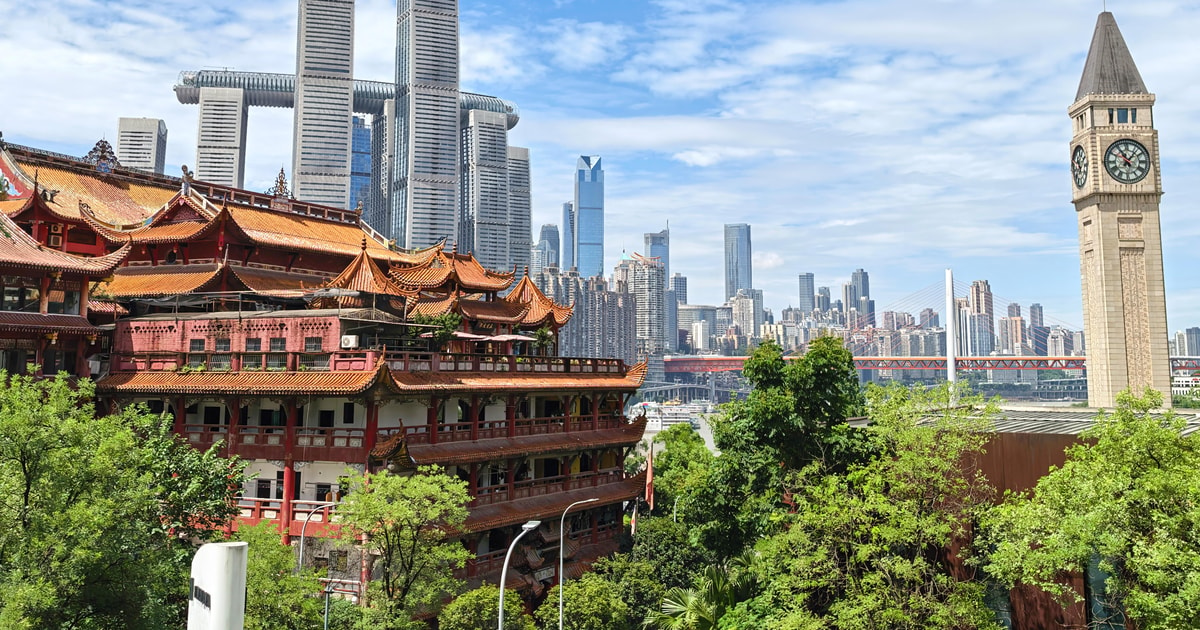
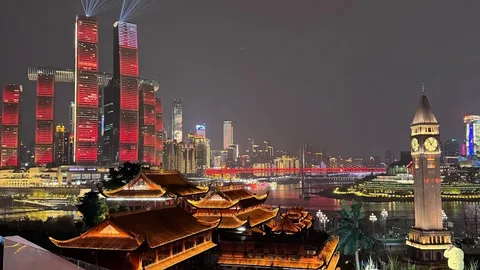
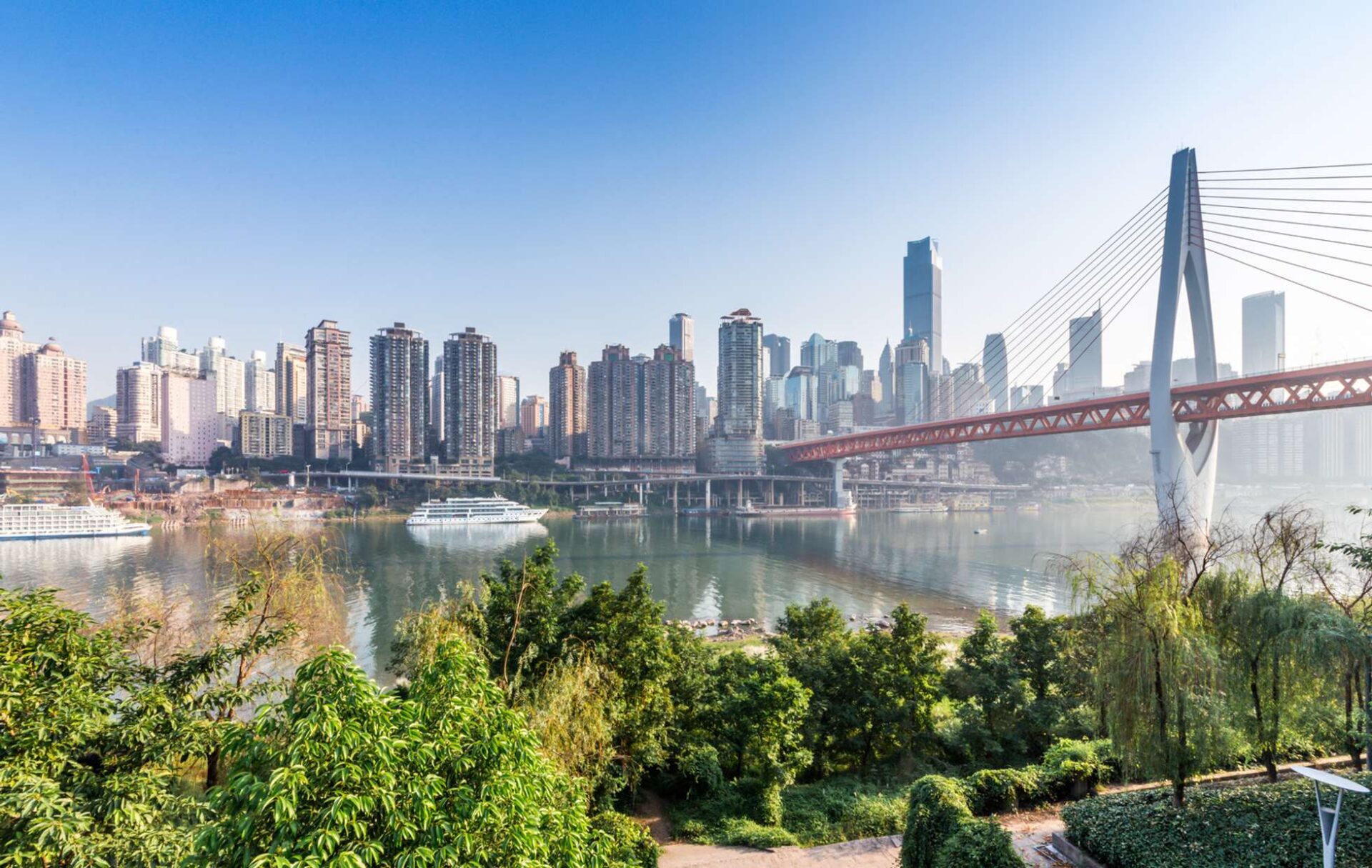
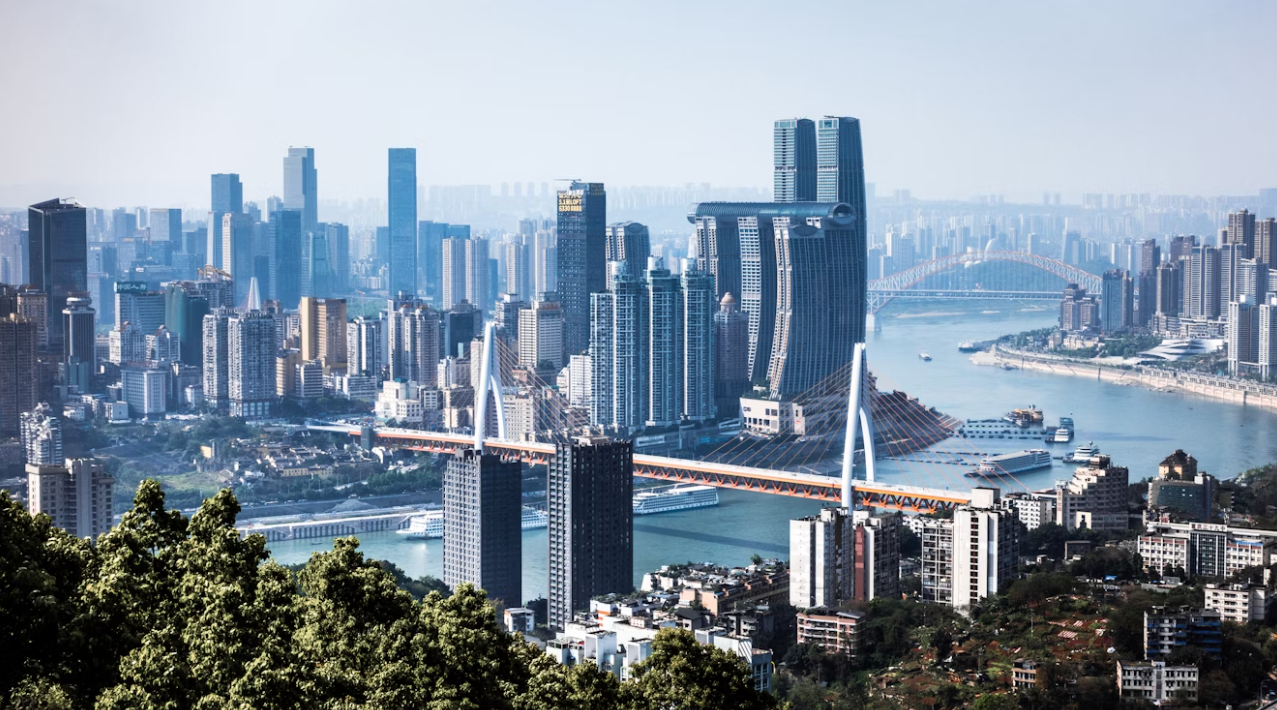
The city itself is a stunning creation of modern urban technology and exquisite urban design, combined with the magnificent traditional culture and industrious work ethic of its residents. It's no wonder the city is considered one of the most beautiful cities in China.
Changan Automobile Group is making ambitious plans for expansion across the automotive world. The company has outlined a strategy for expanding its presence in foreign markets. By 2030, Changan intends to increase its contribution to the global auto industry to 5 million vehicles per year and export approximately 1.2 million of its vehicles abroad. Even today, the group's position is already enviable: it is among the top three automakers in China and among the top 10 largest automakers globally, producing over 2 million vehicles annually.
Of the brand's 33 factories located around the world, 10 enterprises, as well as the main R&D center, are located here.
One car rolls off the assembly line every minute, which translates to 1,300 units per day. According to company representatives, the nominal production capacity of this plant alone is 240,000 cars per year, with a maximum capacity of up to 350,000. Last year, for example, approximately 300,000 cars were produced.
Today, Changan's global research and development network includes 16 innovation institutes and technology centers located in six countries and 10 cities. However, the largest and headquartered research and development center is located in Chongqing.
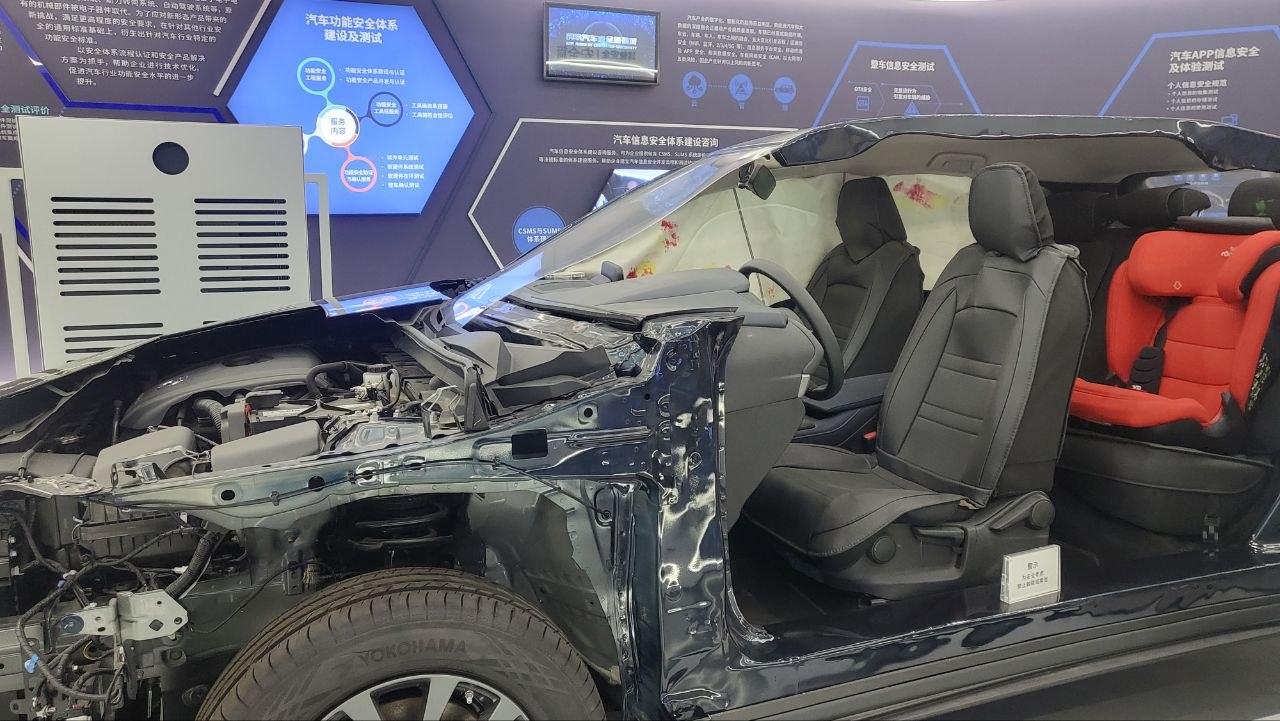
Assembled cars are tested here before they are shipped. The complex boasts over a dozen specialized chambers where soundproofing is finalized, interior noise and vibration tests are conducted, and the cars' exterior sound is examined. There's an anechoic chamber with sound-absorbing lining and a moving platform simulating various road conditions, as well as a reverberation chamber where the soundproofing of each car can be assessed.
The R&D center's test labs have strict restrictions on photography and video recording, so many interesting and intriguing details seen by foreign media remained behind the scenes.
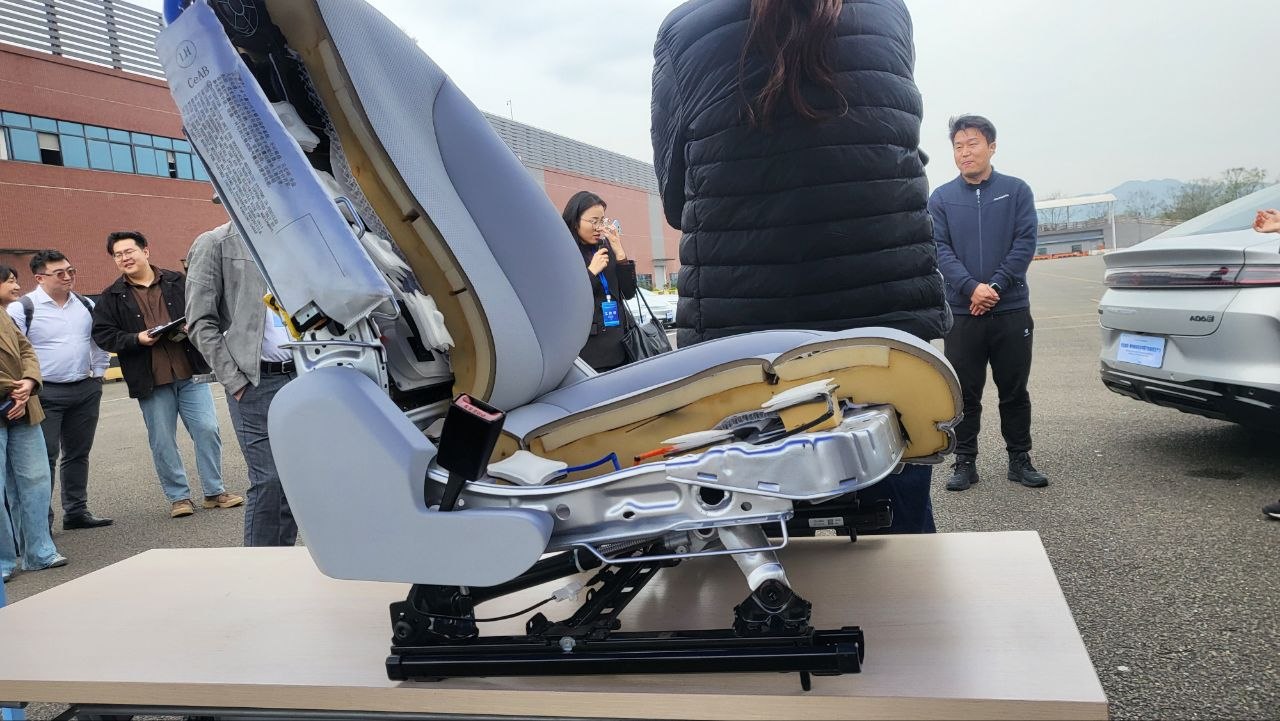
But what was seen made a huge impression: the latest models of cars, including sedans, crossovers, and Changan pickups.
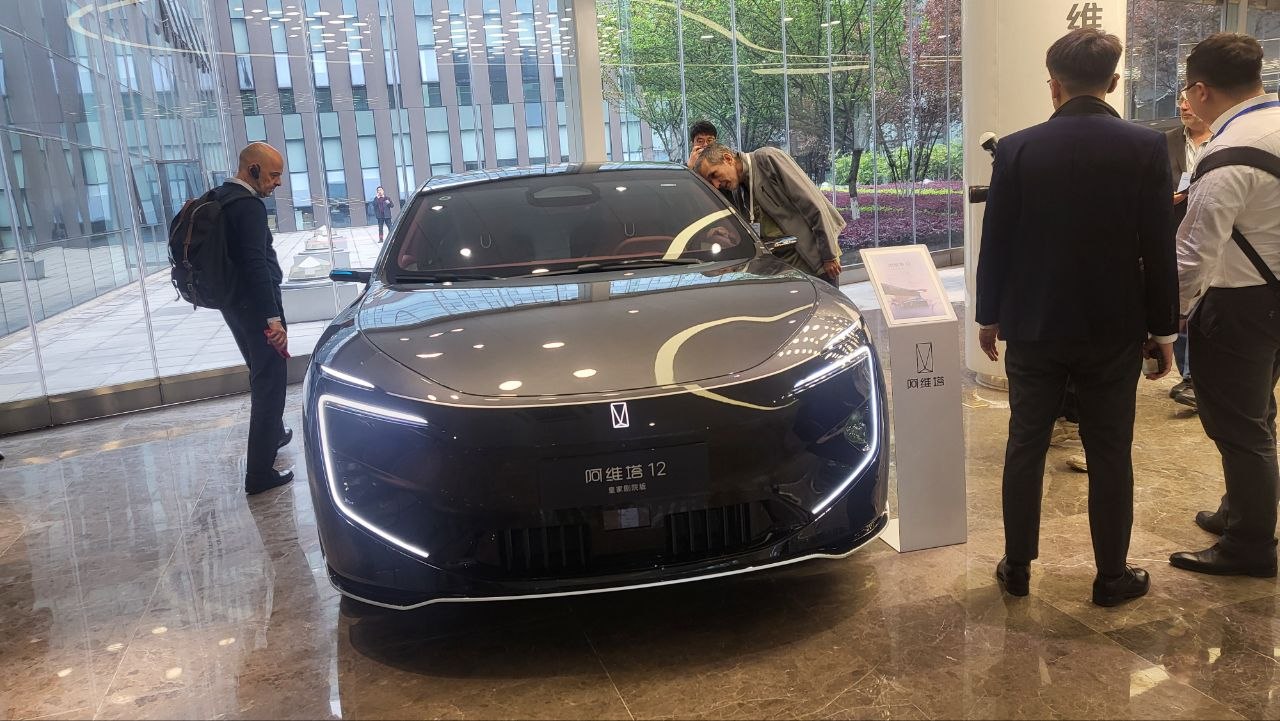
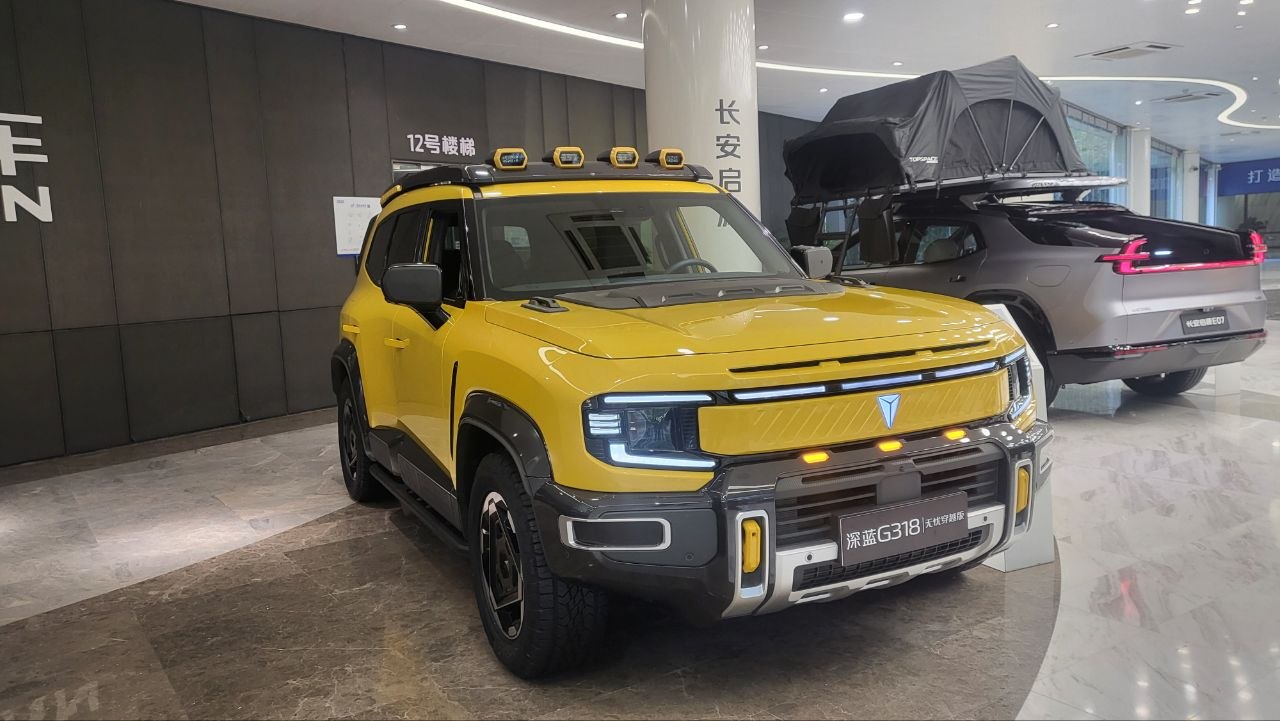
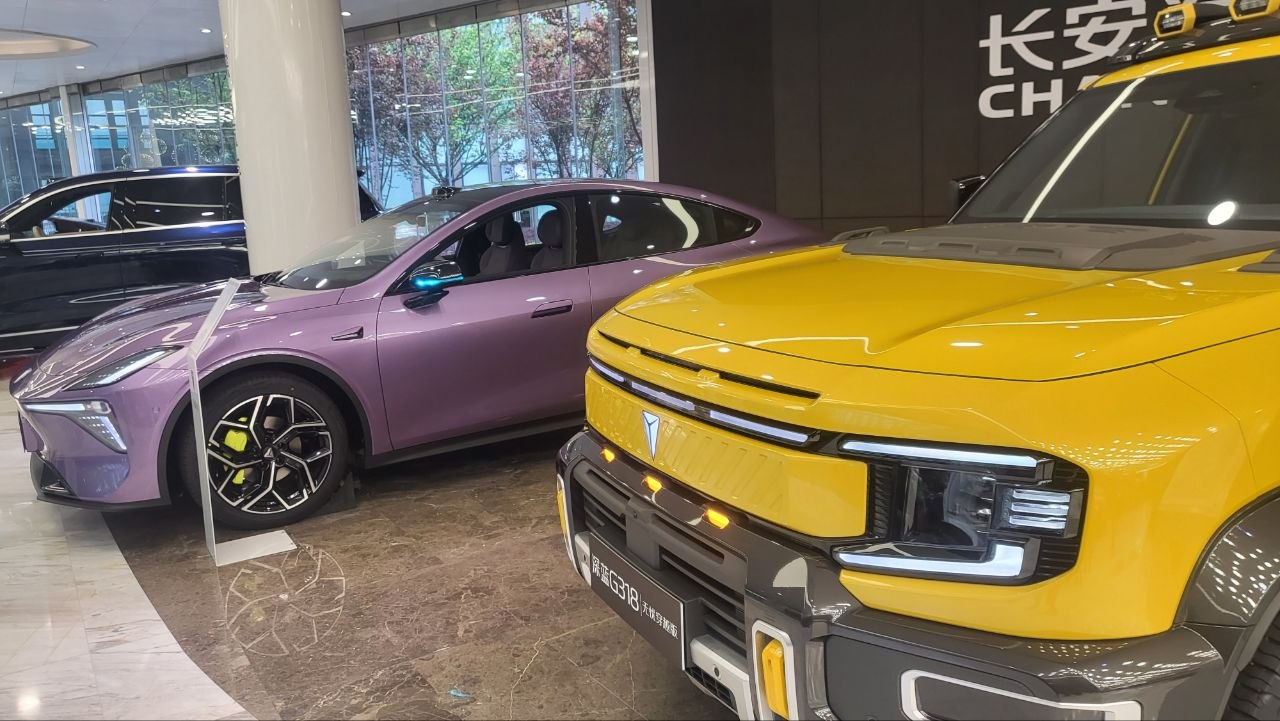
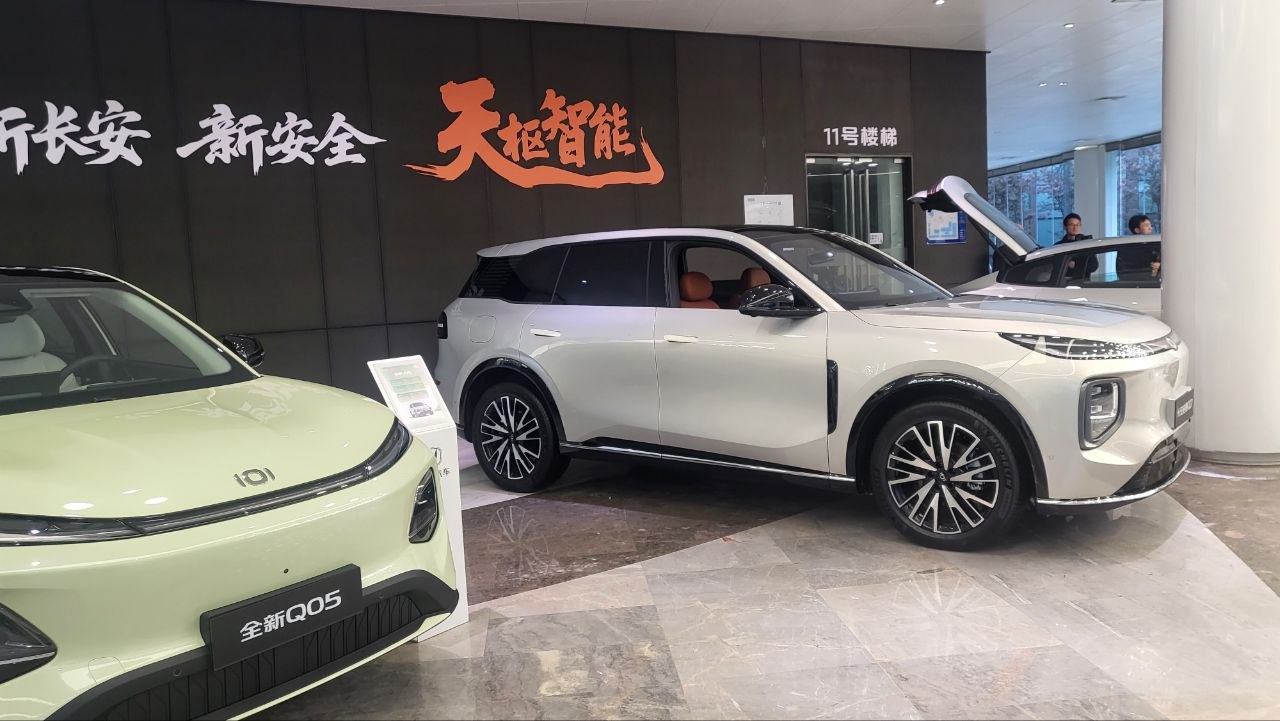

Changan spends $1-1.5 billion, or 5% of its revenue, annually on developing new vehicles and technologies. Currently, the focus is on developing electric vehicles and various smart technologies, including self-driving systems.
According to experts, before mass production begins, each model undergoes over 12,400 tests in 16 different areas. Certainly, the Chinese have already made leaps in technological and quality development, and it is highly likely that they will make more.
Changan also has its own testing facility, the Dianjiang Test Ground, the largest in western China, covering 233 hectares. All Changan vehicles in development are tested here for handling, stability, braking performance, exterior noise, and the reliability of electronic control systems.
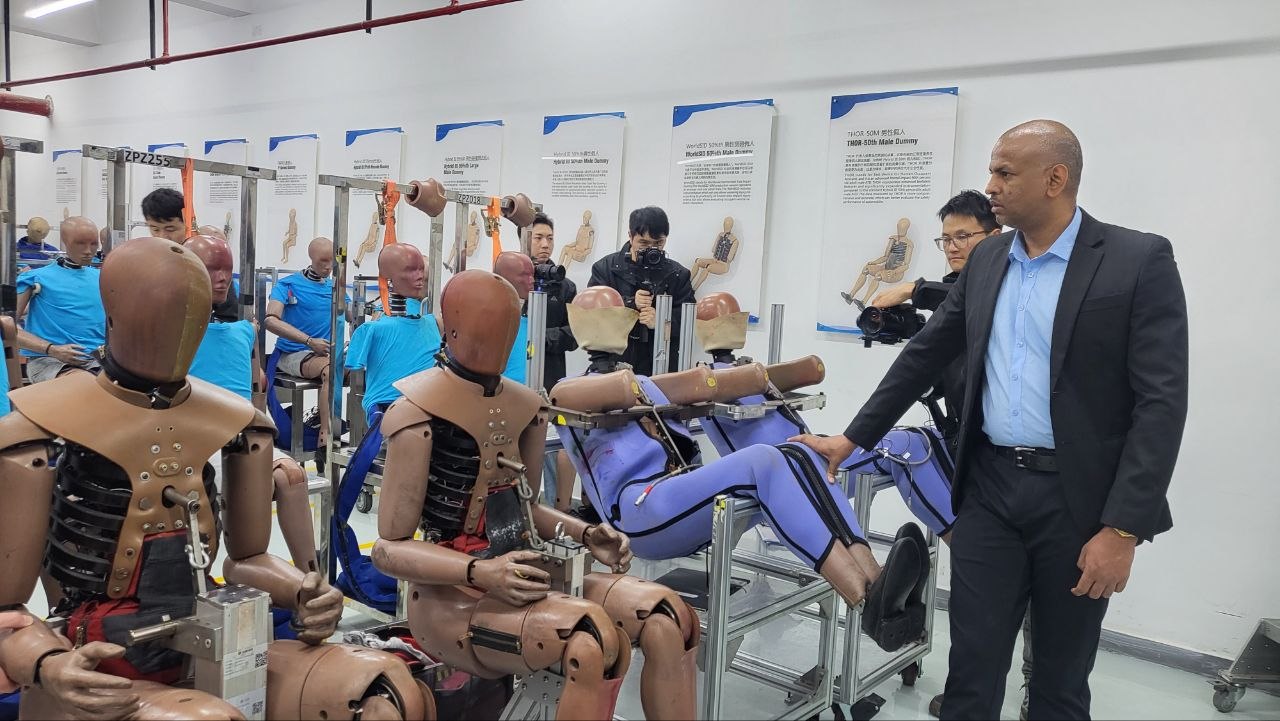
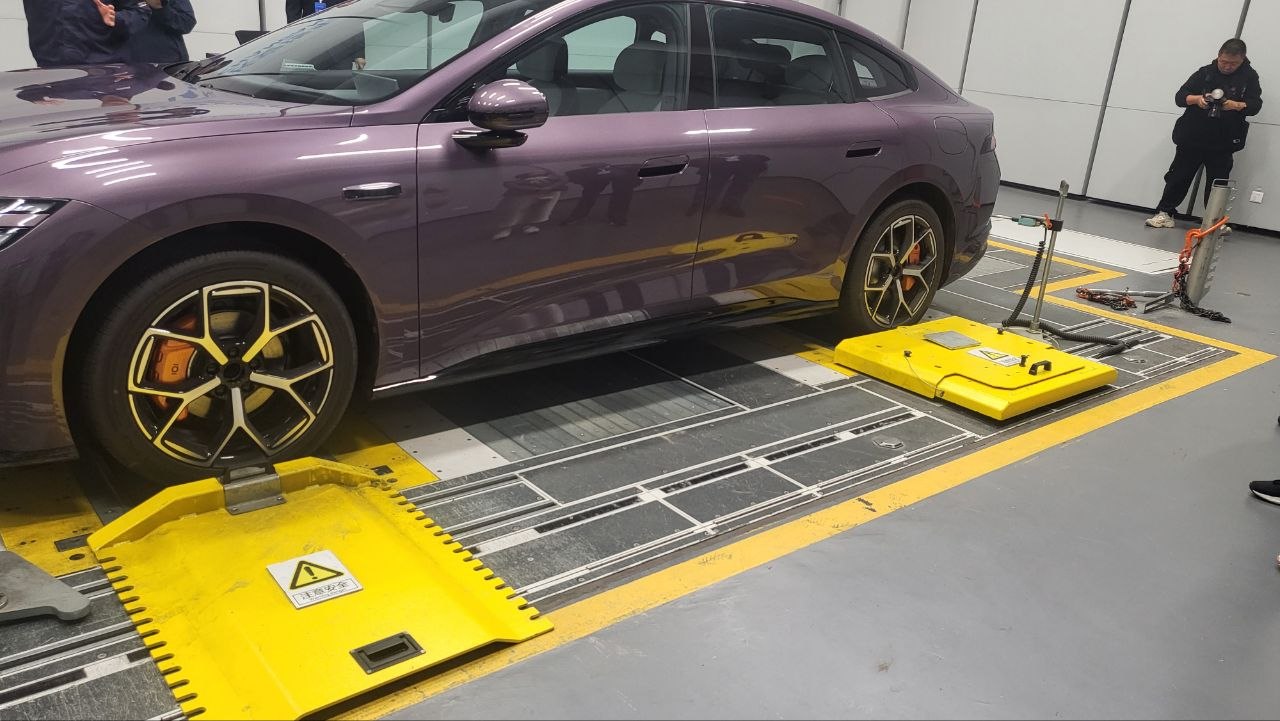
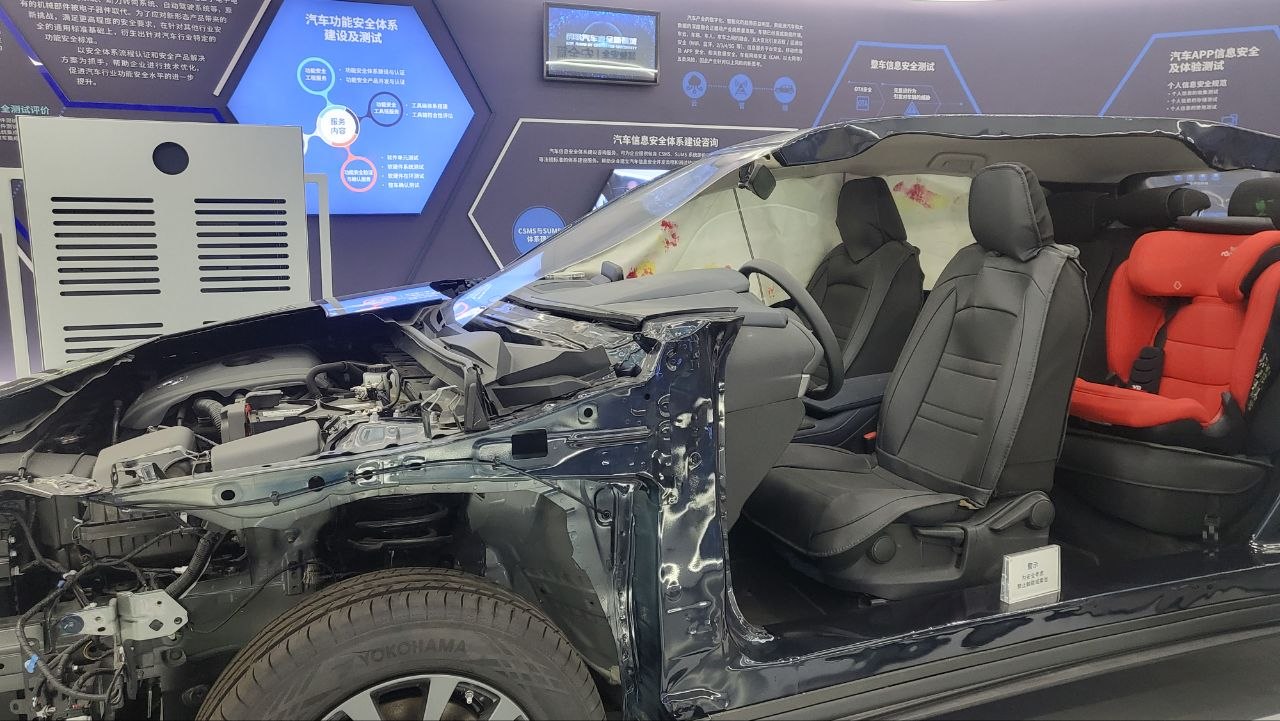
Changan's comprehensive testing facility features 14 tracks and over 70 different types of surfaces. These tracks simulate various uneven and uneven ground conditions, gradients ranging from 10 to 60 degrees, and more. A 5.4-kilometer, four-lane, high-speed circuit allows the car to reach speeds of up to 250 km/h.
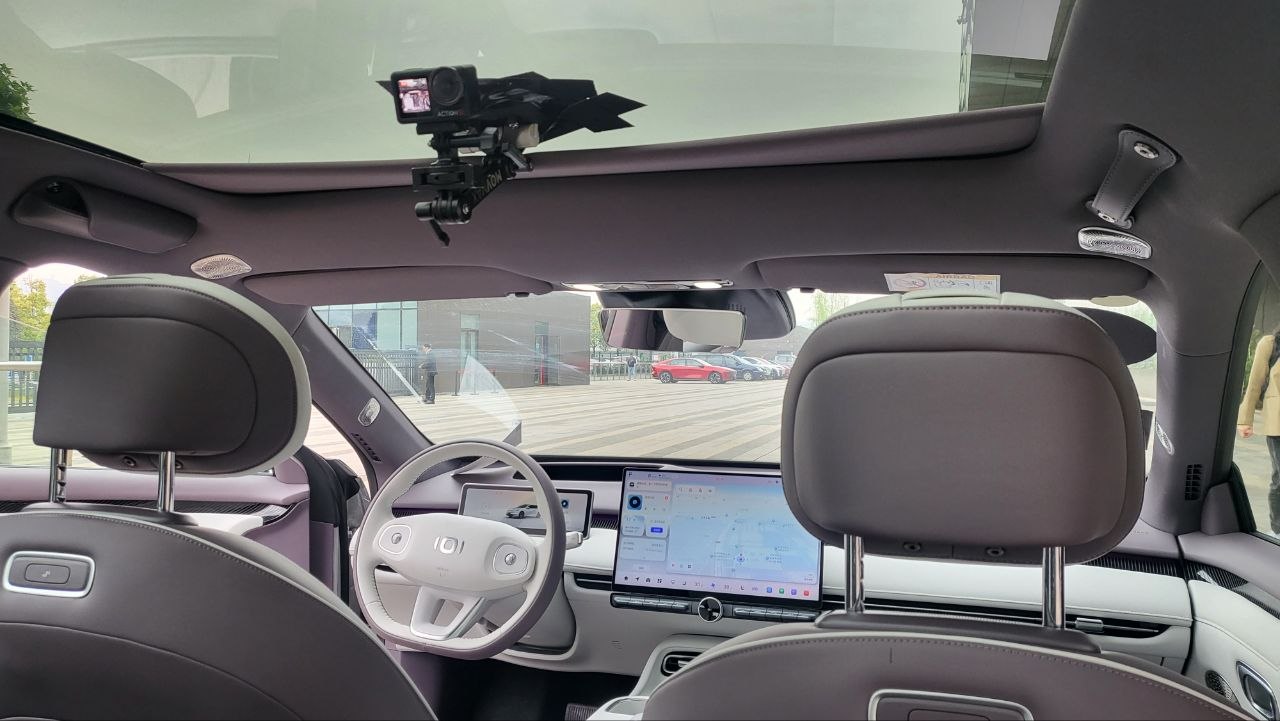
Forum participants were shown the latest vehicle models, including self-driving technology, and were given the opportunity to test them. Journalists and bloggers were particularly impressed by the self-driving cars and their capabilities.
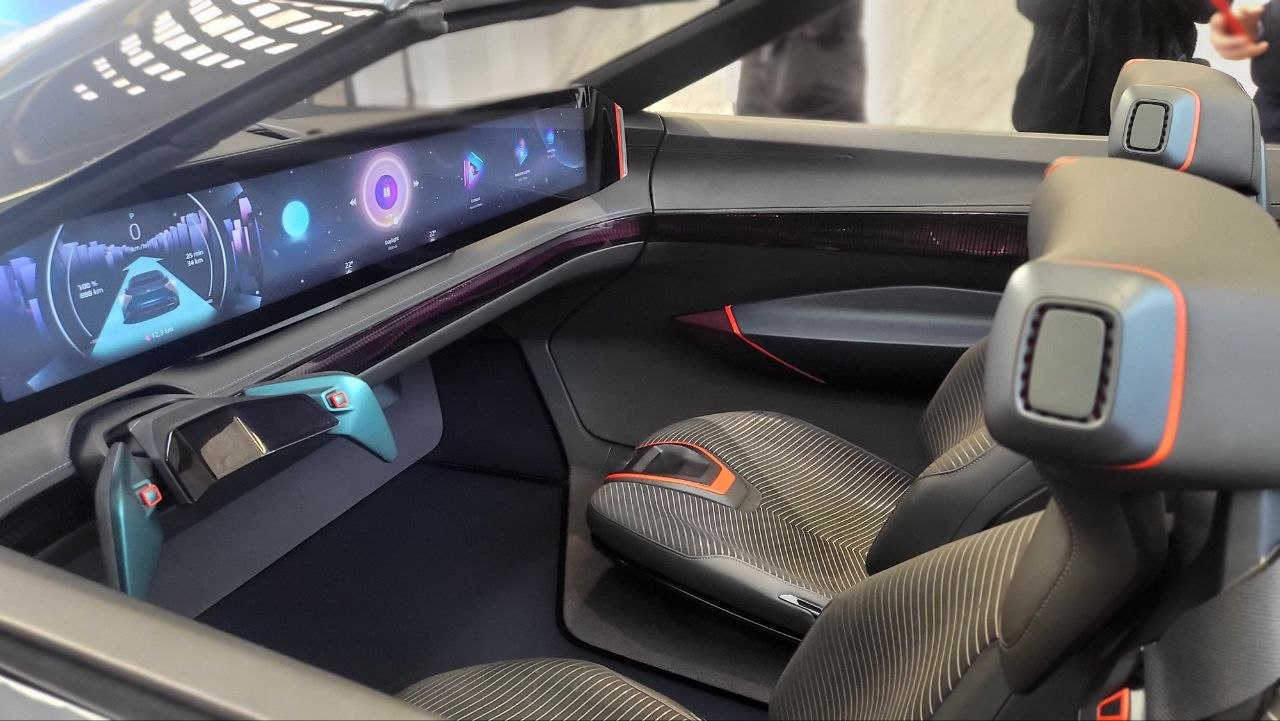

In response to questions from foreign media representatives from Central Asia, company representatives noted that they see great potential in the region's automotive market.