Translated with AI




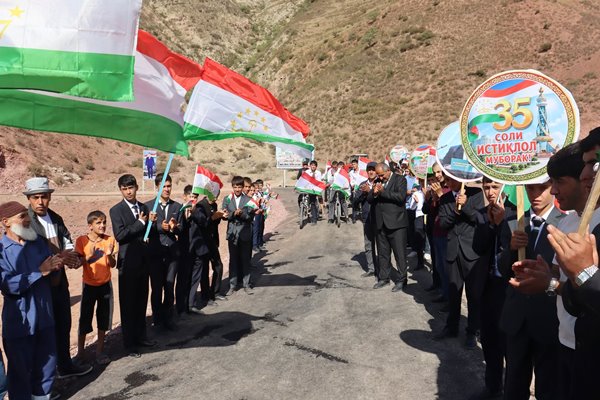


























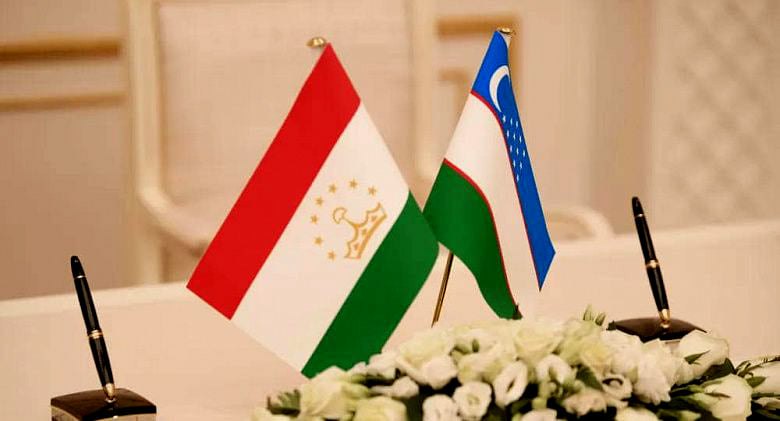
The Uzbek and Tajik peoples have lived side by side since ancient times; our rivers, traditions, and cultural values are largely shared. Historical proximity, mutual respect, shared interests, and good neighborliness have become a solid foundation for modern cooperation between the Republic of Uzbekistan and the Republic of Tajikistan, including collaboration in water management.
The legal basis for cooperation between the two countries in the area of water resources is defined by the multilateral Agreement "On Cooperation in the Joint Use and Protection of Water Resources of Interstate Sources," signed by the heads of state of Central Asia on February 18, 1992, in Almaty. This document serves as an important platform for developing coordinated approaches to the rational and mutually beneficial use of transboundary water resources, as well as for the development of regional cooperation.
To further strengthen bilateral cooperation, a Joint Working Group on the Integrated Use of Water Resources of Transboundary Rivers in Central Asia was established between the Republic of Uzbekistan and the Republic of Tajikistan in 2019. The national sections of the Working Group are led by the Minister of Water Resources of the Republic of Uzbekistan and the Minister of Energy and Water Resources of the Republic of Tajikistan.
To date, seven meetings of the Joint Working Group have been held, regularly discussing issues related to the development of bilateral cooperation. Specifically, the groups are considering the prospects for implementing joint cross-border water management projects, exchanging experience in reforming the water resources management system, and coordinating the operating regime of the Bahri Tojik Reservoir.
The Republic of Uzbekistan, the Republic of Tajikistan, and the Republic of Kazakhstan have established effective cooperation to coordinate the summer operating mode of the Bahri Tojik Reservoir. This cooperation is implemented through the annual signing of protocols of working meetings involving the Uzbek, Kazakh, and Tajik parties.
In accordance with the agreements reached, the Republic of Tajikistan will provide additional water releases from the Bahri Tojik Reservoir during the summer, improving water supply to irrigated lands in both Uzbekistan and Kazakhstan, as well as ensuring a successful growing season. In turn, the Uzbek and Kazakh sides will provide the Tajik side with free logistical assistance in the form of machinery, equipment, fuel, and lubricants for irrigation and bank protection work at the Bahri Tojik Reservoir.
On May 30, 2025, Kazakhstan, Tajikistan, and Uzbekistan signed the latest protocol of the trilateral working meeting to coordinate the operating mode of the Bahri Tojik Reservoir for the period June–August 2025. According to this protocol, a water release of 1,142 million cubic meters was planned for this period. However, the actual volume was 1,241 million cubic meters, which, due to the additional water release, ensured a reliable water supply to agricultural croplands in the Syrdarya, Jizzakh, and Tashkent regions of the Republic of Uzbekistan, located in the Syr Darya River basin.
Another important area of cooperation is improving the water resource monitoring and accounting system. In accordance with the minutes of the 4th meeting of the Joint Uzbek–Tajik Working Group on the Integrated Use of Water Resources of Transboundary Rivers in Central Asia, held on May 31, 2021, modern water measuring devices were installed at the Patar and Sarvak gauging stations in 2024 using a grant from the Government of Switzerland.
This equipment allows the Uzbek and Tajik sides to receive real-time, reliable data and accurately track water consumption on the Northern Fergana and Greater Fergana interstate main canals.
In addition to coordinating reservoir operating modes and improving the water resource accounting system, the parties are also implementing a number of measures aimed at restoring, modernizing, and protecting irrigation infrastructure.
Water is one of the most important natural resources, determining the development of states and the well-being of the peoples of our region. By jointly utilizing the resources of transboundary rivers, Uzbekistan and Tajikistan continue to consistently develop mutually beneficial cooperation and jointly strive to ensure sustainable development and shared prosperity.