Translated with AI

























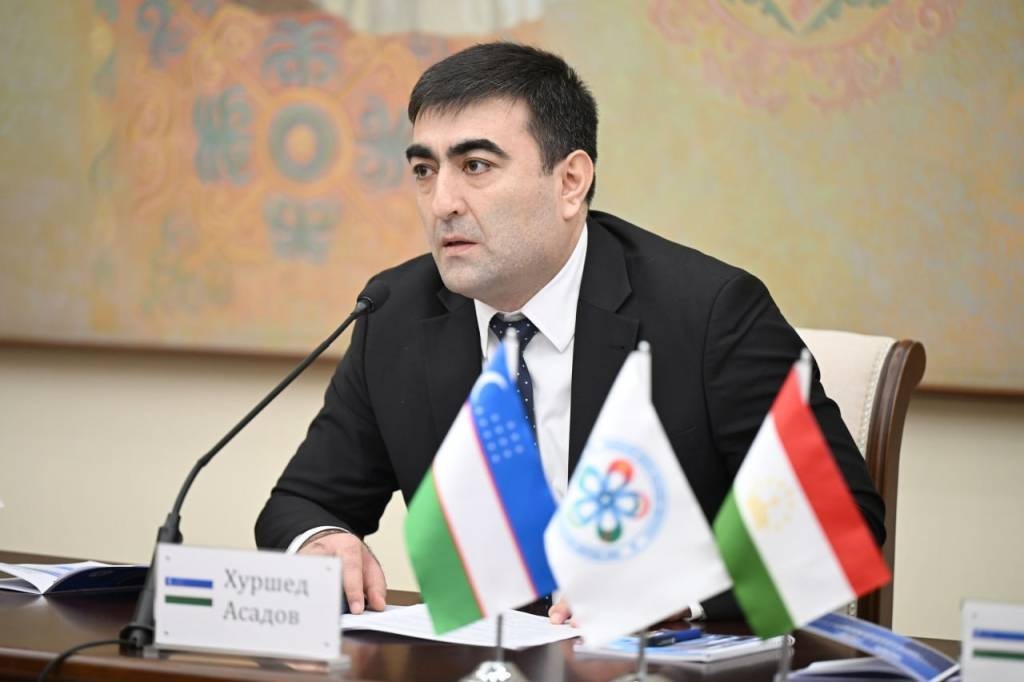
Tajikistan and Uzbekistan could increase their mutual trade turnover to two billion dollars. This was announced at the international scientific and practical conference "Uzbekistan – Tajikistan: New Prospects for Alliance and Regional Cooperation," held at the International Institute of Central Asia. This was reported by the press service of the CIS Executive Committee.
According to Khurshed Asadov, Deputy Director of the Center for Economic Research and Reforms of Uzbekistan, Tajikistan is one of Uzbekistan's key trade and economic partners. He noted that Tajikistan accounts for over two percent of Uzbekistan's exports, and mutual trade has already reached $1 billion.
The two heads of state set a goal of increasing mutual trade to two billion dollars. To achieve this, Asadov stated, it is necessary to expand economic cooperation by developing new mechanisms for collaboration.
It is reported that 410 enterprises with Tajik capital operate in Uzbekistan. Last year, $169 million in investment was attracted, three times the previous year's figure. According to an Uzbek official, these figures indicate an intensification of business ties and a transition to a new stage of cooperation.
It was also noted that one of the practical ways to increase trade volumes could be the partial replacement of certain types of goods imported by Tajikistan from other countries with products from Uzbekistan.
Automobiles, household appliances, and certain food and textile products are identified as promising areas for the Tajik market. Furthermore, it is emphasized that the removal of certain restrictions within the free trade regime could have a positive impact on trade growth.
Khurshed Asadov also highlighted the potential for industrial cooperation. He noted that Tajikistan has significant potential in the hydroelectric and energy sectors, while Uzbekistan has demonstrated significant results in solar energy development in recent years. Therefore, considering electricity exchanges could contribute to the sustainability of the two countries' energy systems.
Priority areas also include the development of transport infrastructure, the efficient use of transit potential, and expanded cooperation in the field of information and communications technology.
According to a representative of the Uzbek side, the current level of relations between Tajikistan and Uzbekistan creates favorable conditions for the implementation of joint projects based on the new cooperation system.
It is noted that the development of cooperation contributes to the improvement of the well-being of the peoples of the two countries.