Translated with AI


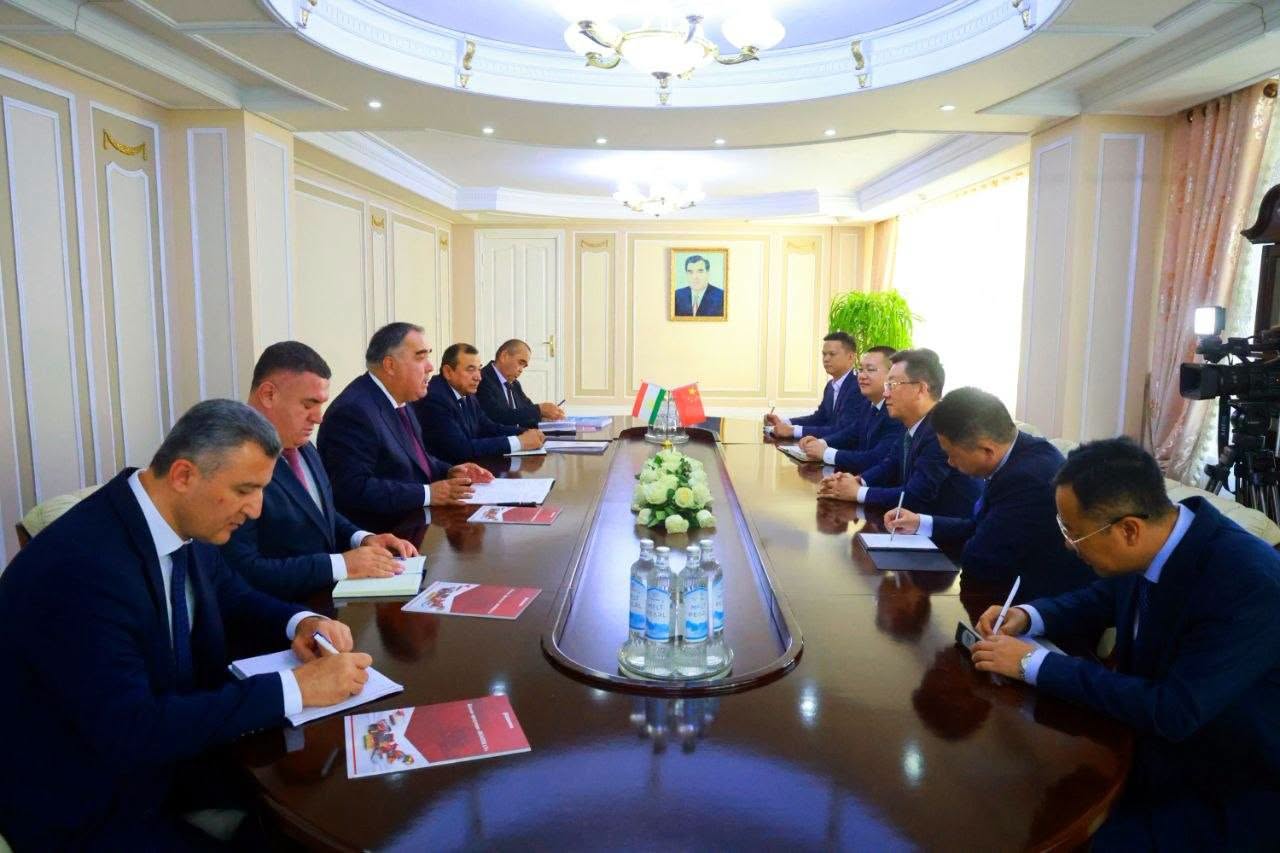

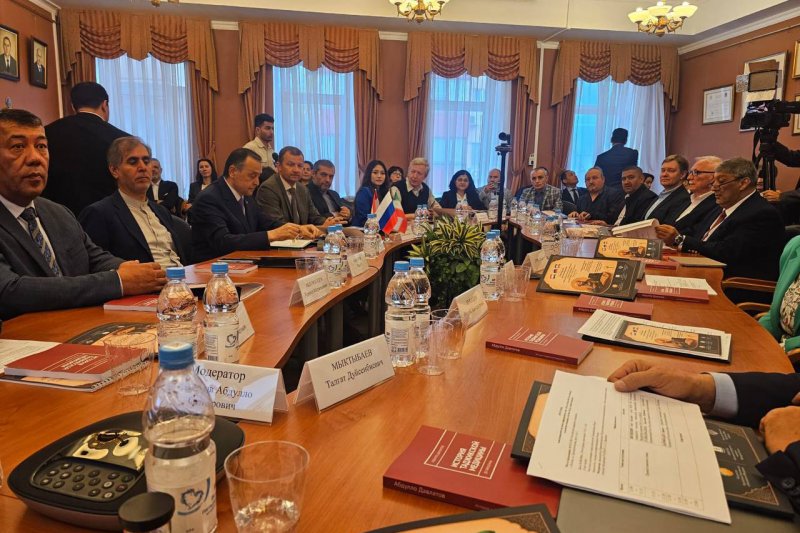








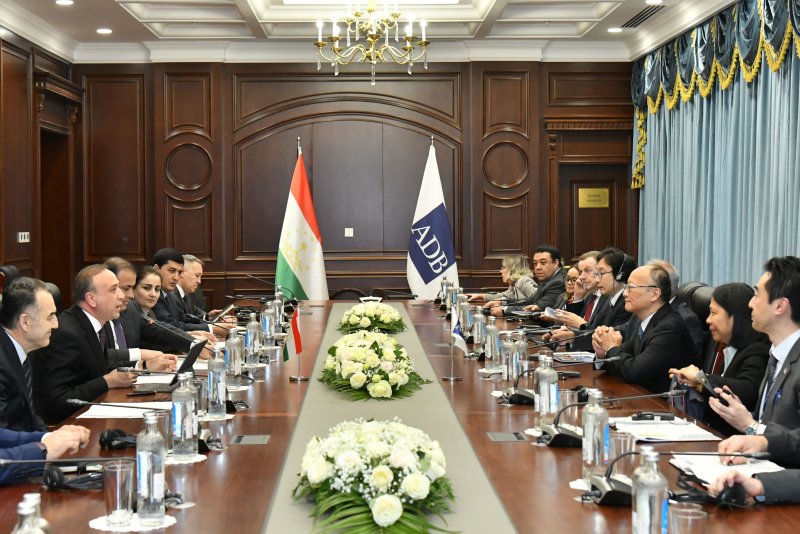
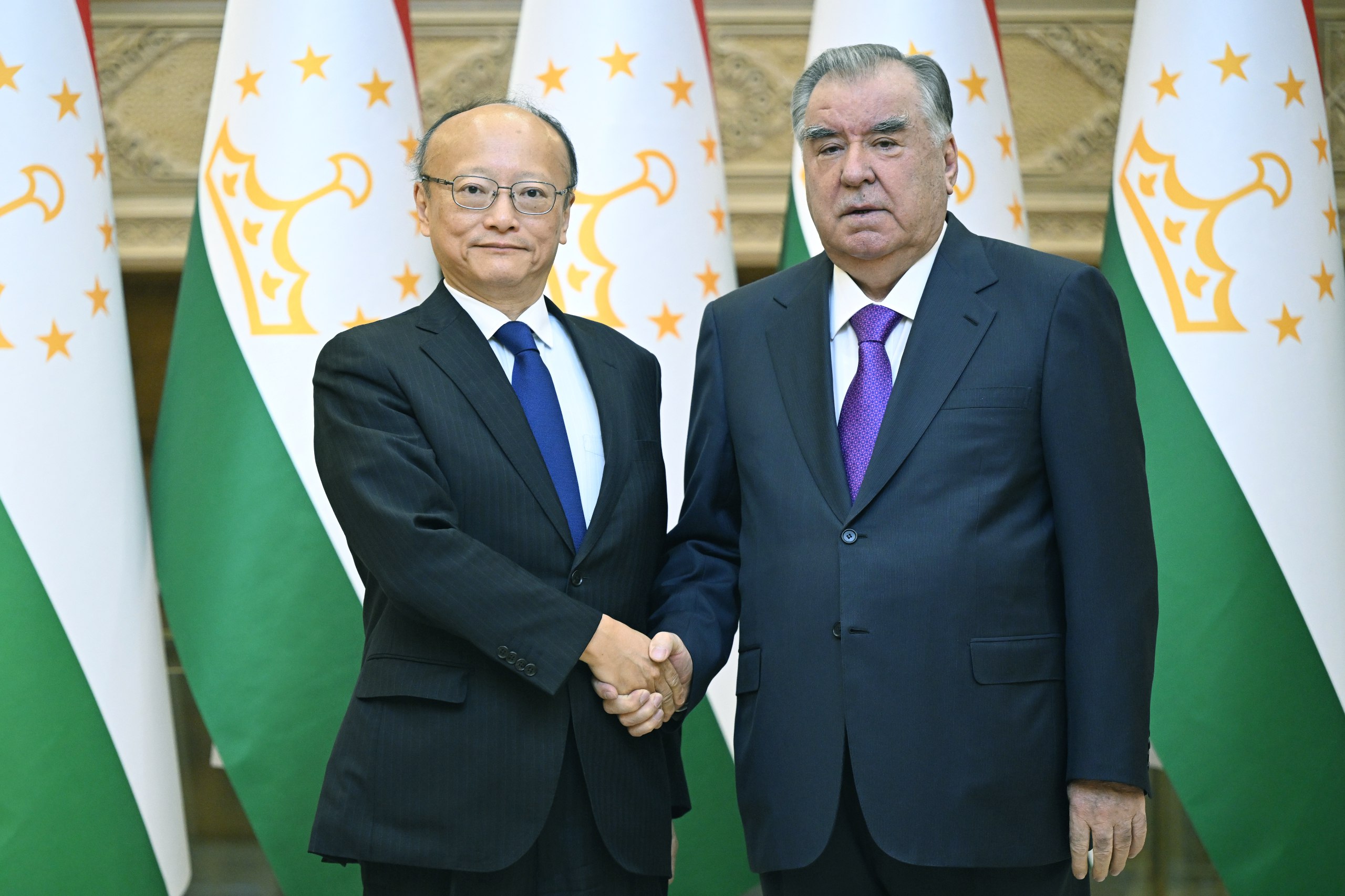
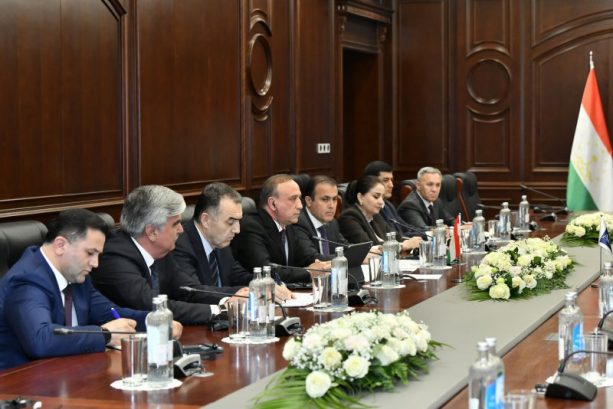
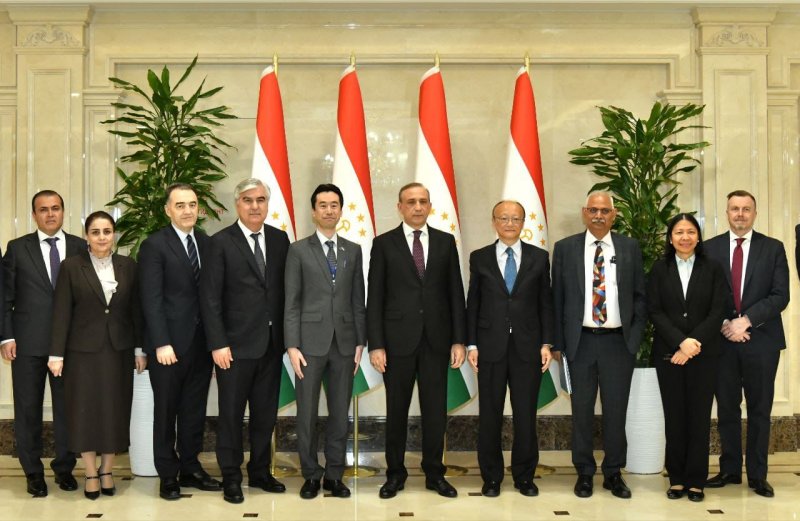
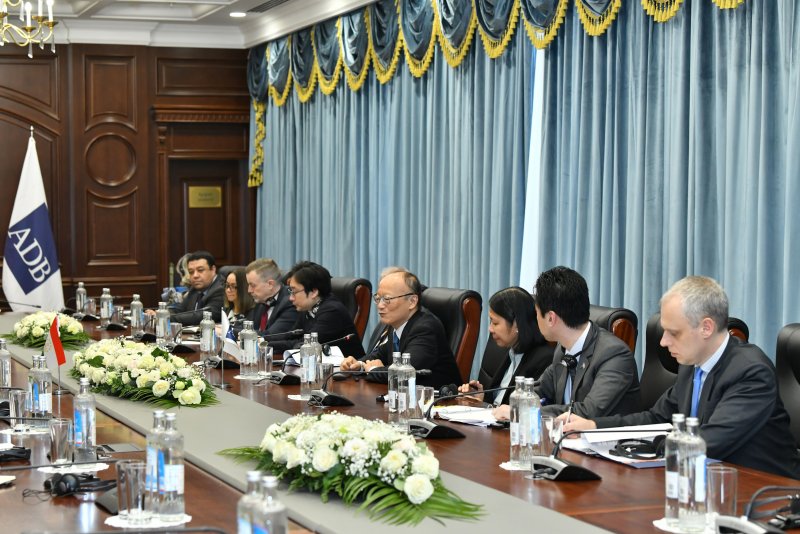
On March 3, a meeting was held in Dushanbe between First Deputy Prime Minister of the Republic of Tajikistan Hokim Kholikzoda and President of the Asian Development Bank Masato Kanda.
During the meeting, priority areas of cooperation between Tajikistan and the Asian Development Bank were discussed, including transport and energy, agriculture, education, healthcare, tourism, and other important economic and social sectors, according to the press service of the State Committee on Investments and State Property Management.
During the meeting, Khokim Kholikzoda and Masato Kanda officially launched the Asian Development Bank's Strategy for Tajikistan for 2026–2030. The parties expressed satisfaction with the successful implementation of the Country Partnership Strategy for 2021–2025 and emphasized the importance of adopting a new Strategy for 2026–2030.
The strategy's key focus areas include improving sustainable and efficient infrastructure, strengthening economic governance and competitiveness, and increasing the inclusiveness, quality, and accessibility of social services.
The document identifies priority areas, including energy and water supply, transport and logistics, private sector development, tourism and hospitality, climate change and environmental protection, digital transformation, gender equality and inclusion.
It is noted that since the beginning of its operations in the Republic of Tajikistan, the Asian Development Bank has financed approximately 200 projects totaling 2.9 billion US dollars.
Currently, the country is implementing about 20 projects worth a total of US$914.7 million with funding from the Asian Development Bank, which accounts for 19.5% of the total public investment.
These projects cover sectors such as transport, energy, agriculture, water supply, healthcare, education, digitalization, tourism, the financial sector, and others.
The Asian Development Bank also leads the "From Glaciers to Farms" project, with a total funding commitment of $3.5 billion. The project is being implemented in nine countries in Central and South Asia, with Tajikistan included as a pilot country.
The Bank also supports the Guliston-Kulyab highway modernization project, implemented jointly with the Asian Infrastructure Investment Bank. The total cost of the project is approximately $80 million, of which the Asian Development Bank is contributing 60%.