Translated with AI



















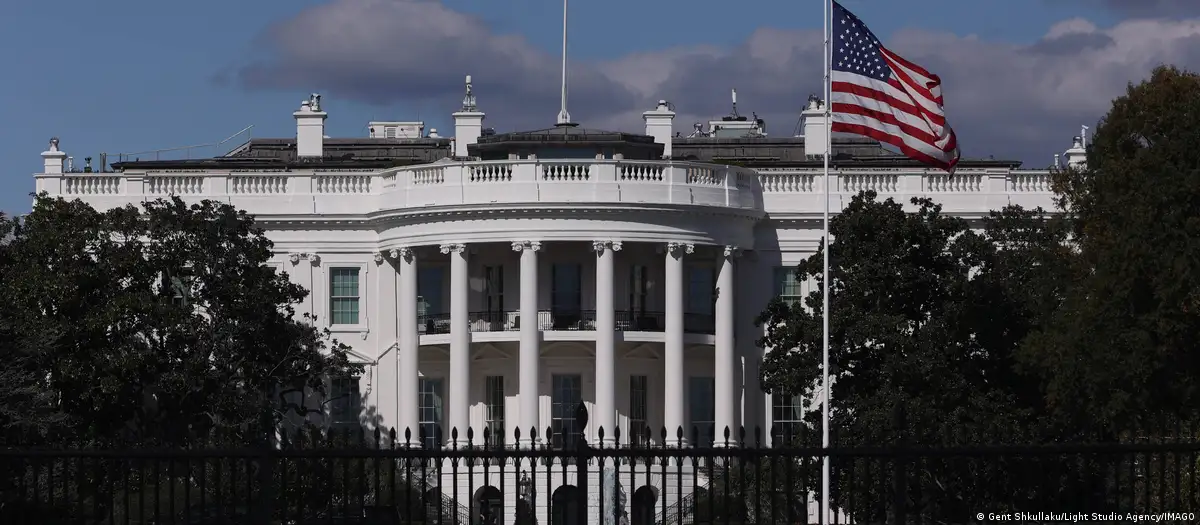
US President Donald Trump has extended sanctions against Russia for one year, initially imposed after Moscow's annexation of Ukrainian Crimea in 2014. This follows from the Federal Register, a collection of US government documents.
"I am extending for one year the national emergency declared in Executive Order 13660," reads the document signed by the White House chief. Executive Order 13660 was issued on March 6, 2014, by then-President Barack Obama.
The sanctions "state of emergency" was subsequently extended until March 6, 2017, and then several more times. It provides for the possibility of freezing the assets of individuals and legal entities responsible for "undermining democratic processes and institutions in Ukraine, as well as threatening its peace, security, sovereignty, and territorial integrity."
The current extension of sanctions was carried out despite the continuation of trilateral negotiations on Ukraine.
Consultations in Geneva on a peaceful settlement to Russia's war against Ukraine took place on February 17 and 18. The head of the Russian delegation, Vladimir Medinsky, described the consultations as difficult but businesslike. "As you know, the negotiations lasted two days: a very long one yesterday, in various formats," he noted, adding that the next round would take place soon, without specifying a date.
For his part, Rustem Umerov, Secretary of the National Security and Defense Council of Ukraine and head of the Ukrainian delegation, stated that clarification had been provided on a number of issues, but that "details cannot be disclosed at this stage." He also described the discussions with the Russian side as "intensive and meaningful."