Translated with AI














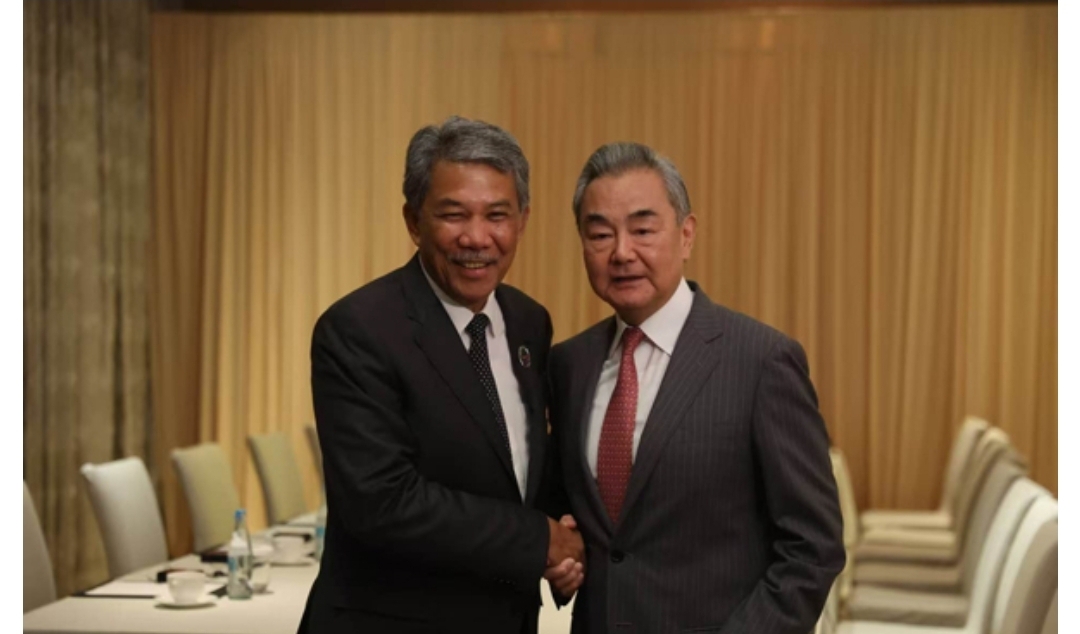





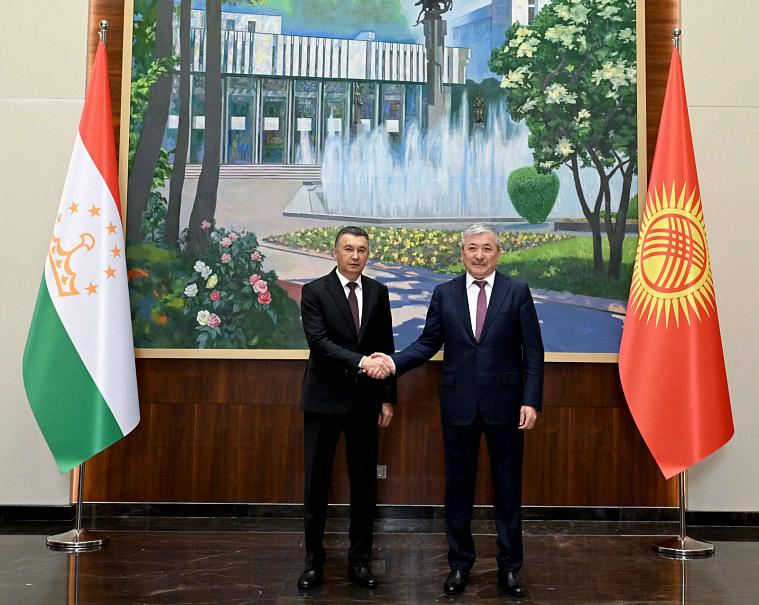
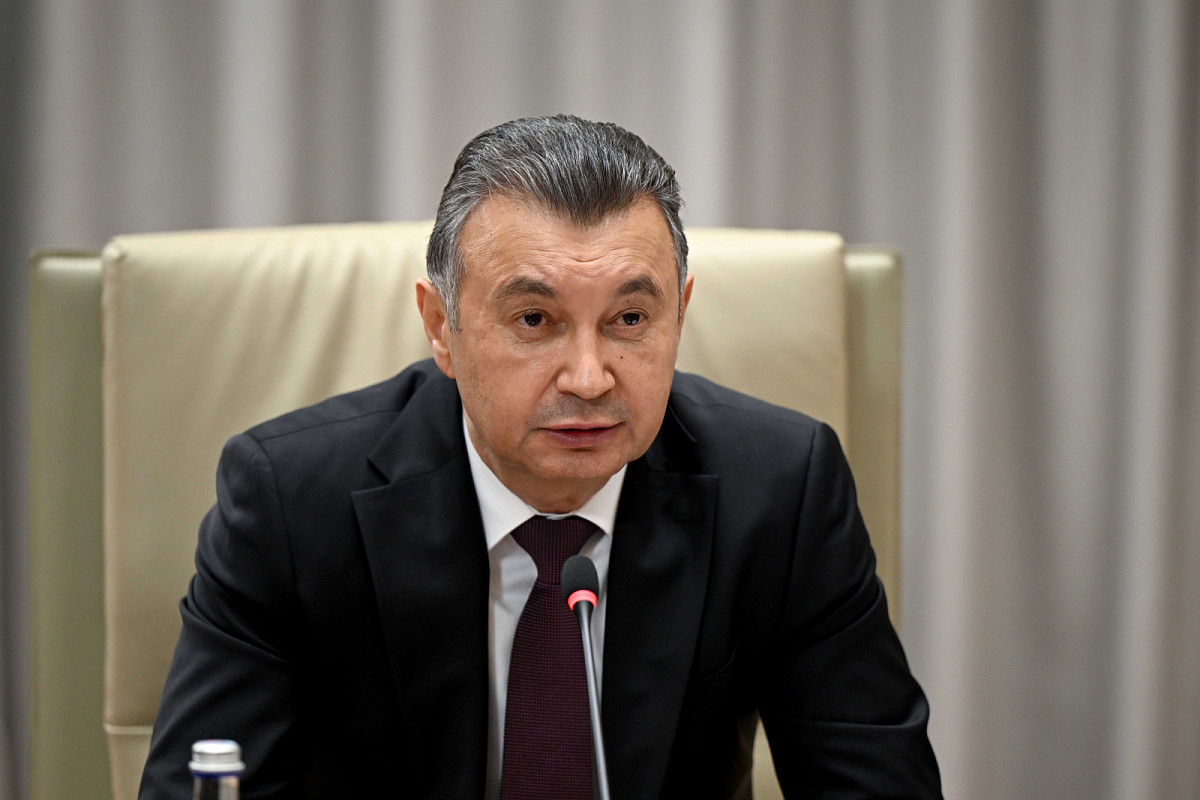
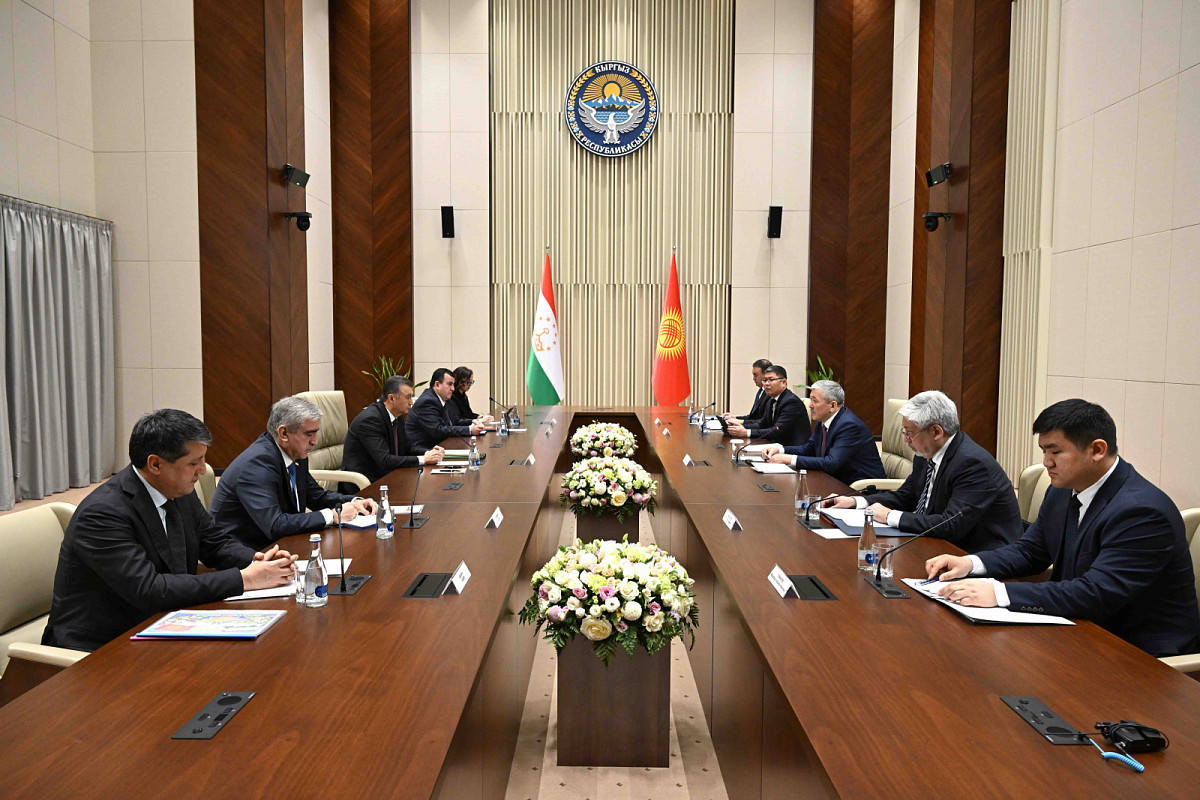
Prime Minister of the Republic of Tajikistan Kokhir Rasulzoda, who arrived in the Kyrgyz Republic on a working visit to participate in the first meeting of the Kyrgyz-Tajik Intergovernmental Council, met with Chairman of the Cabinet of Ministers of the Kyrgyz Republic and Head of the Presidential Administration Adylbek Kasymaliev. This was reported by the press service of the CIS Executive Committee.
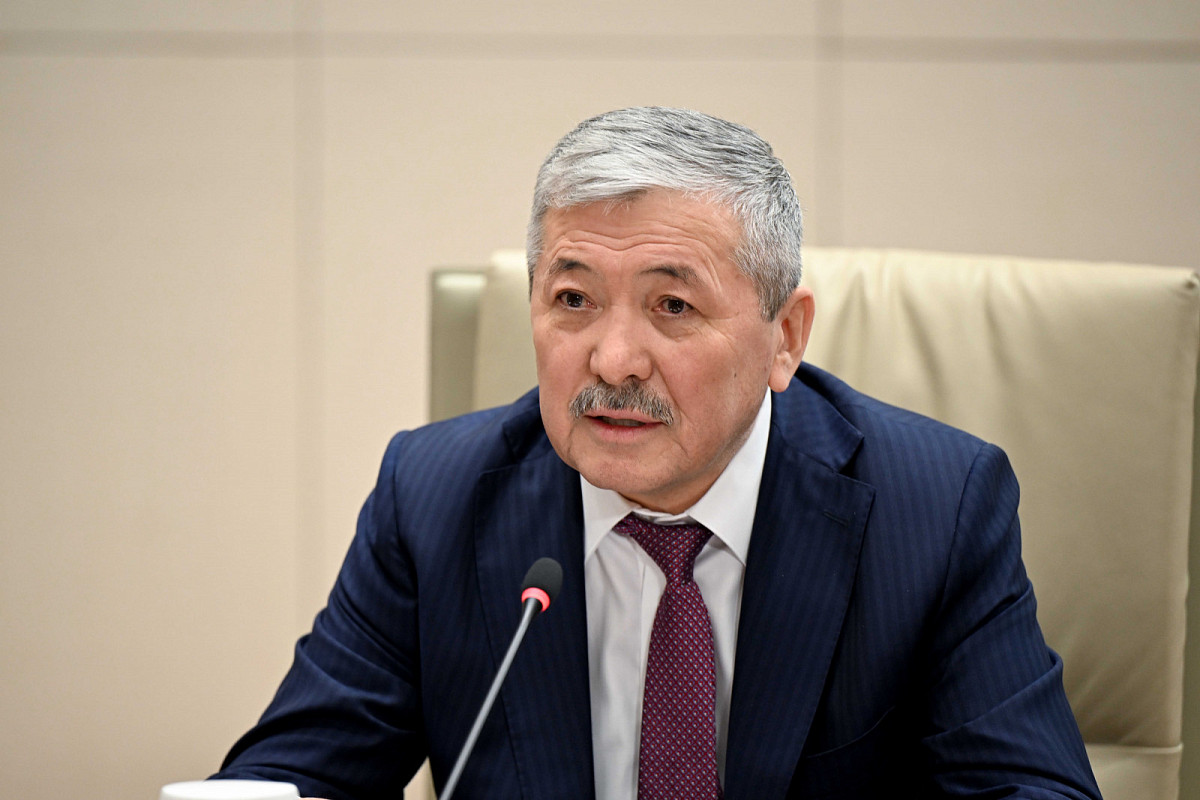
"Resolving border issues is a truly historic event, creating a solid foundation for the development of friendly and good-neighborly relations between Kyrgyzstan and Tajikistan. I would like to emphasize that further developing and deepening comprehensive cooperation with the Republic of Tajikistan is a priority area of the Kyrgyz Republic's foreign policy. In 2025, our countries' efforts will be focused on restoring and intensifying trade, economic, cultural, and humanitarian cooperation, improving the socioeconomic conditions of residents in border areas, and further developing and deepening Kyrgyz-Tajik ties in all areas of bilateral cooperation," the Prime Minister said.
Adylbek Kasymaliev continued that last year, Kyrgyzstan's trade turnover with Tajikistan amounted to USD 36 million, an increase of almost 24 times compared to the same period in 2024.
The Chairman of the Cabinet of Ministers noted that the heads of the two states have set the goal of increasing trade turnover to 500 million US dollars, and expressed full readiness to achieve this goal.
In turn, Kokhir Rasulzoda expressed gratitude for the hospitality and warm welcome. He noted the importance of holding the first meeting of the Kyrgyz-Tajik Intergovernmental Council for the further development and strengthening of bilateral cooperation in various fields.
Kokhir Rasulzoda emphasized that the development of good-neighborly relations with the Kyrgyz Republic is a priority area of Tajikistan's foreign policy.
He expressed the Tajik side's readiness to implement the ambitious goals set by the leaders of the two countries.
During the meeting, the parties discussed current issues of bilateral cooperation in trade, economic, cultural, humanitarian, and other areas.