Translated with AI


































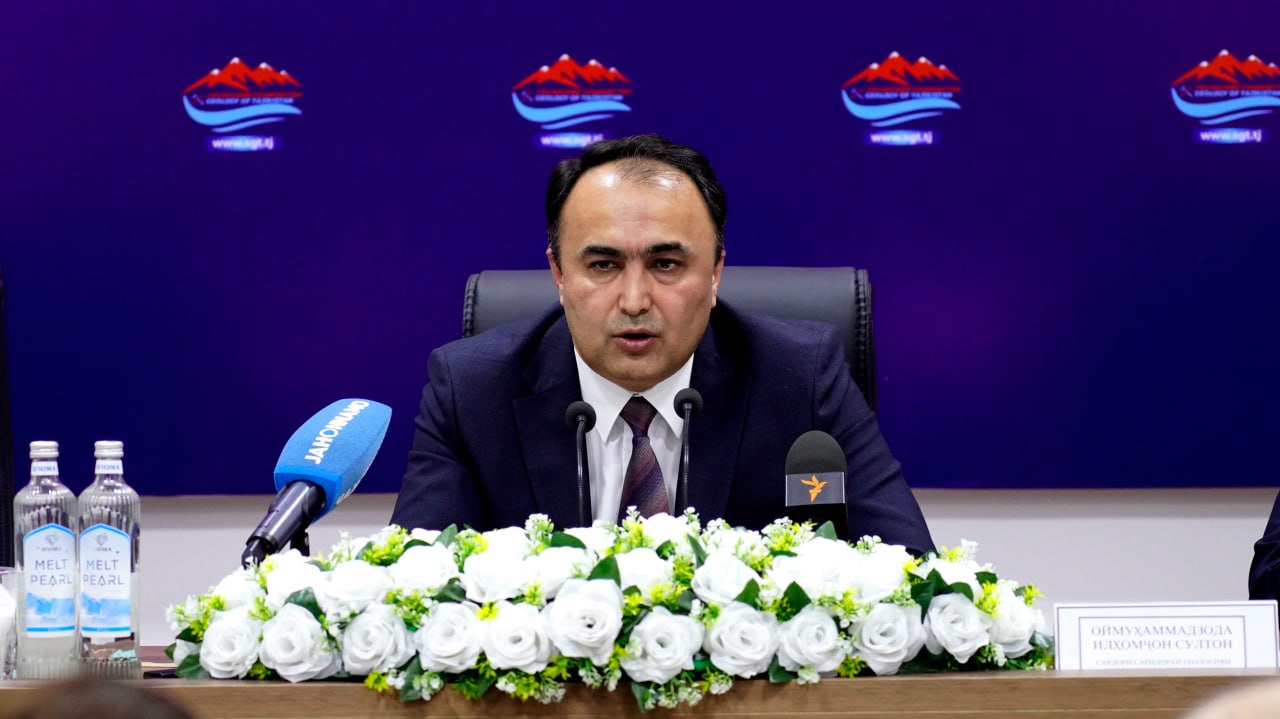
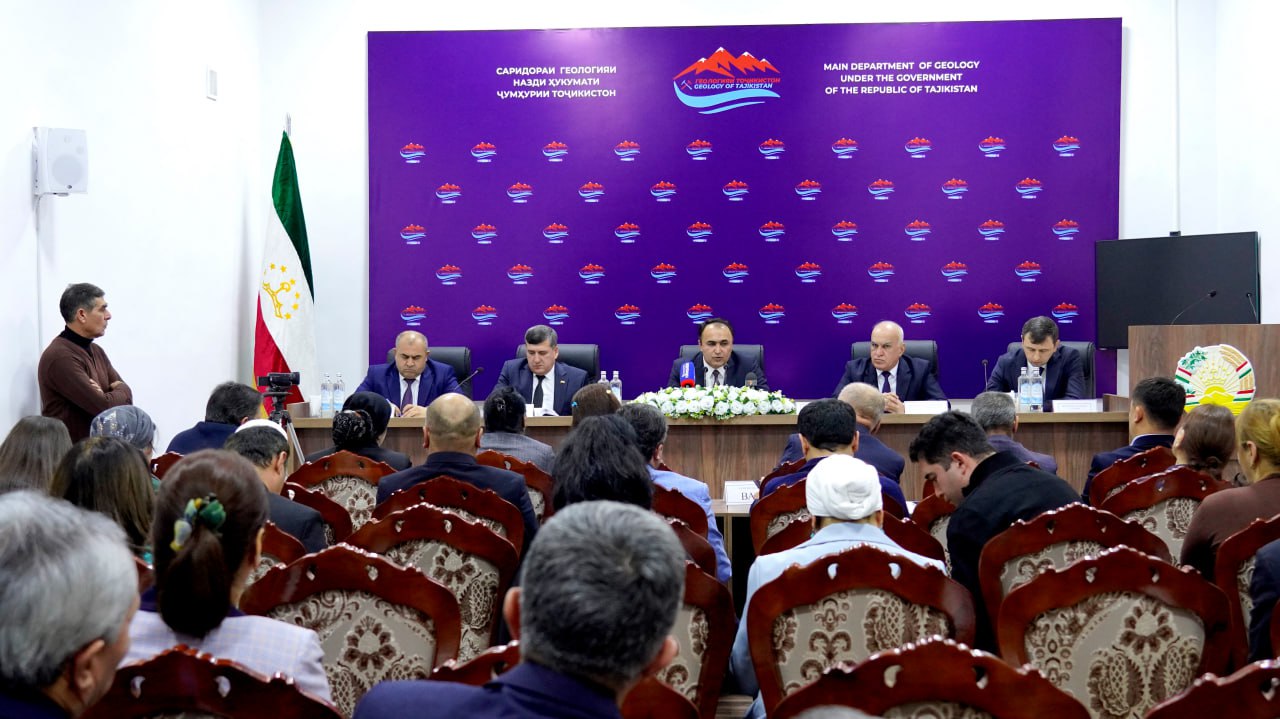
Nine wells with a total depth of 760 meters have been drilled in Tajikistan to provide water for healthcare, education, and social welfare facilities. This was announced today at a press conference by Ilhomjon Oymukhammadzoda, Head of the Main Geology Department under the Government of Tajikistan.
According to him, 824 settlements, including villages, towns, and jamoats in cities and districts across the country, including the Khatlon and Sughd regions, were surveyed during the engineering and geological surveys. Based on the survey results, 127 households and one secondary school were advised to relocate to safer locations.
As part of the "State Water Cadastre" project, scheduled observations were conducted in 150 reservoirs and repeat observations were conducted in 206 reservoirs in the following cities and districts: Dushanbe, Tursunzade, Hisor, Vahdat, Roghun, Bokhtar, Levakant, Kushoniyon, Shahritus, Qubodiyon, Mir Said Ali Hamadoni, Nosiri Khusrav, Farkhor, Panj, Jaloliddini Balkhi, Vakhsh, Yovon, Fayzobod, Nurobod, Shahrinav, Dusti, Rasht, and Rudaki. During the study, 64 water samples were collected for chemical analysis.
In the Syr Darya and Zeravshan river basins, initial observations were conducted in 30 wells, and follow-up observations were conducted in 65 wells. In addition, scheduled well monitoring was conducted, with 336 measurements taken, and 207 water samples were sent for chemical analysis.
Ilhomjon Oymukhammadzoda emphasized that the implementation of projects to find and secure groundwater is a key element of infrastructure development and guarantees water supply to social facilities throughout the country.