Translated with AI












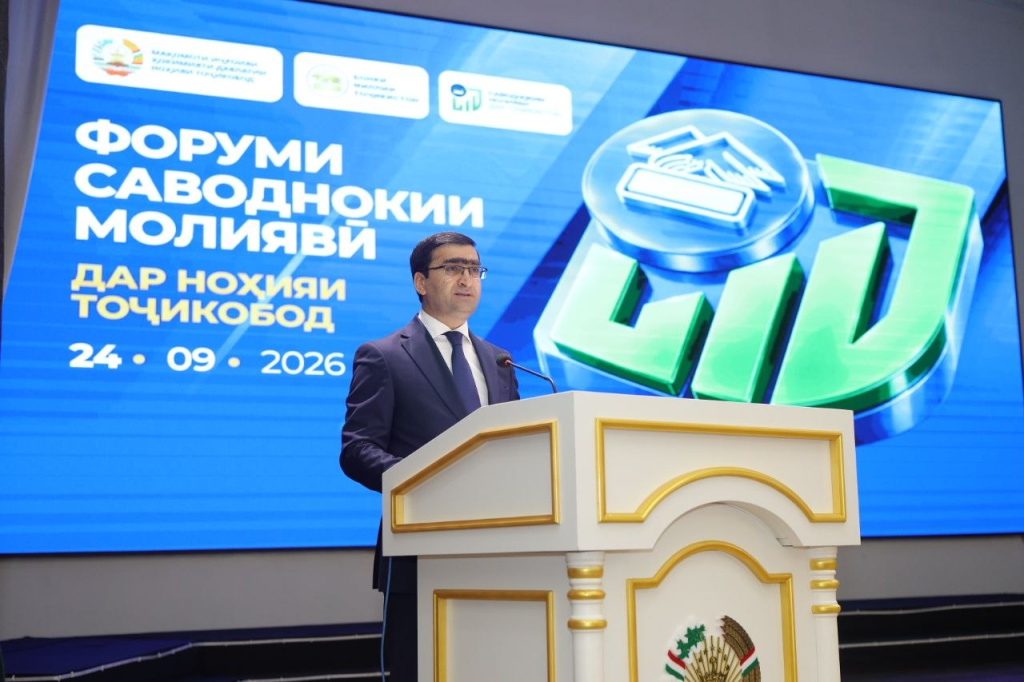




















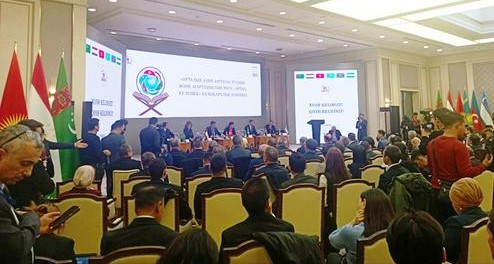
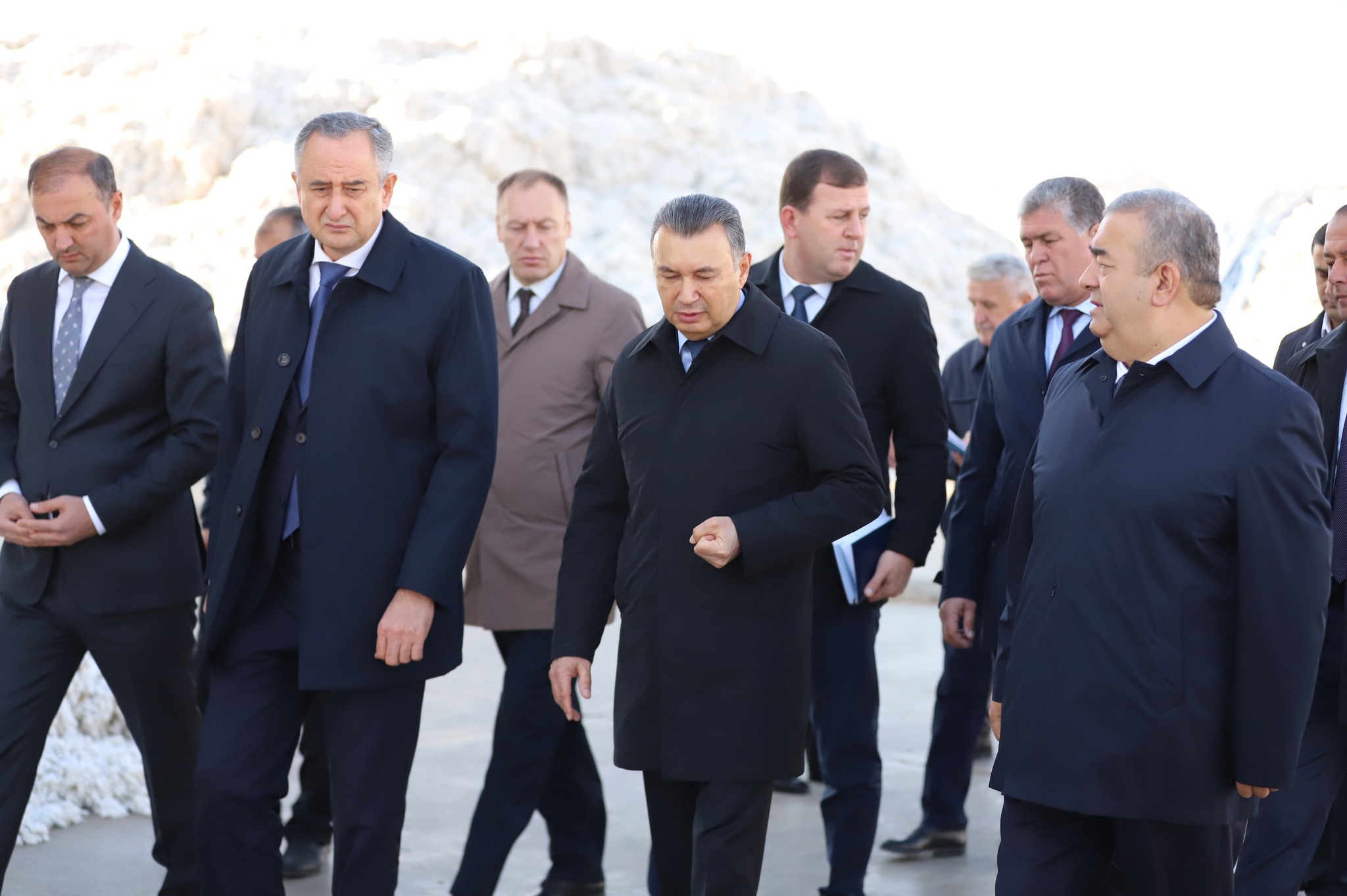
An international congress entitled "Central Asia and Azerbaijan: A Common Spiritual and Educational Heritage – A Common Future" has opened at the Center for Islamic Civilization (CIC) in the capital of Uzbekistan, Fergana.ru reports.
Over 300 scholars from six countries attended the opening ceremony. The congress began with a tour of the Center for Islamic Civilization, where participants were introduced to the building's architecture and the museum's five-hall exhibition.
The plenary session was opened by Ruslanbek Davletov, Advisor to the President of Uzbekistan, who delivered a welcoming address from President Shavkat Mirziyoyev.
The Center's Director, Firdavs Abdukhalikov, moderated the meeting and noted, "Central Asia is not just a region, but a space of great ideas and creativity, where traditions of science, culture, and education have been shaped over centuries. From the Avesta to the philosophical works of al-Farabi, from the discoveries of Abu Ali ibn Sina to the verses of Navoi and Jami, from the star catalogs of Mirzo Ulugh Beg to the legacy of Nizami Ganjavi and Nasimi—a unique spiritual tradition was born here, founded on the harmony of education and faith. Today, culture once again serves as a source of resilience and mutual understanding, uniting generations and peoples."
The first part of the forum featured speeches by the Ministers of Culture of Tajikistan, Matlubakhon Sattoriyon; Turkmenistan, Atageldy Shamuradov; Azerbaijan, Odil Karimli; and Uzbekistan, Ozodbek Nazarbekov; as well as the Rector of Kazakh National University, Galym Akhmedyarov; and the Chairman of the Writers' Union of Kyrgyzstan, Kanybek Imanaliev.
The congress featured eight thematic panels, where dozens of scholars from the region presented their findings, discussing the preservation, promotion, and development of the shared spiritual and cultural heritage of Central Asia and Azerbaijan.
The forum is being held from November 13 to 15 at the initiative of Uzbek President Shavkat Mirziyoyev. The event was organized by the Center for Islamic Civilization in collaboration with the Ministry of Foreign Affairs of Uzbekistan, the Academy of Sciences of the Republic of Uzbekistan, the International Institute of Central Asia, and the World Society for the Study, Preservation, and Popularization of the Cultural Heritage of Uzbekistan (WOSCU).