Translated with AI

































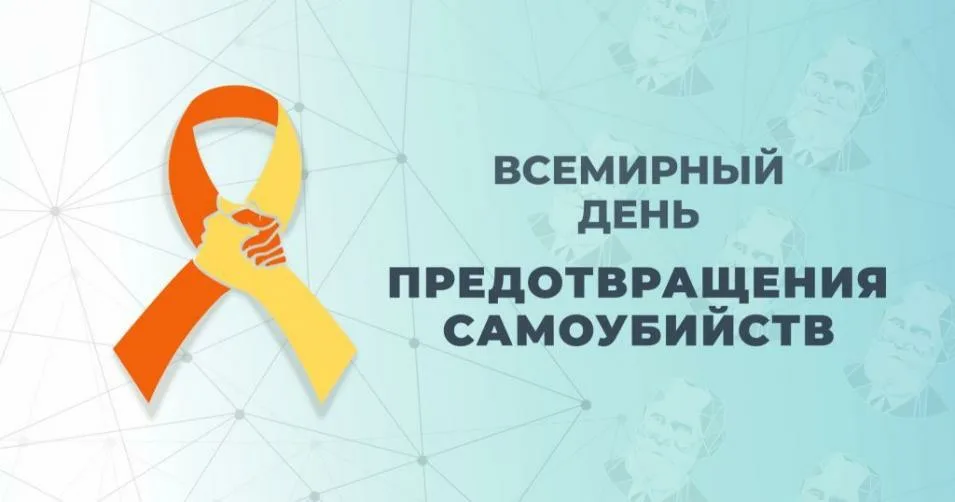
Every year on September 10, many countries hold events to mark World Suicide Prevention Day, co-organized by the World Health Organization. The goal of the day is to raise awareness that suicide is preventable, according to the UN press service.
Suicides claim the lives of more than 700,000 people annually. A much larger number attempt suicide.
Every suicide is a tragedy that impacts the lives of families, communities, and entire countries, with long-term consequences for the deceased's loved ones. Suicide occurs across all age groups and is the third leading cause of death among those aged 15 to 29.
Suicides don't just occur in high-income countries; the phenomenon is common across all regions of the world. In the first half of this decade, nearly three-quarters of the world's suicides occurred in low- and middle-income countries.
Who is at risk?
In high-income countries, there is a clear correlation between suicide and mental disorders (especially depression and alcohol use disorders), as well as previous suicide attempts. However, many suicides are committed impulsively during times of crisis, when a person loses the ability to cope with stressful life situations, such as financial and interpersonal problems, and chronic illnesses.
Furthermore, suicidal behavior often occurs in situations of armed conflict, natural disasters, violence and cruelty, or due to the loss of a loved one and feelings of loneliness. Suicide rates are also high among vulnerable groups facing discrimination, such as refugees and migrants, indigenous peoples, LGBTI people, and prisoners.
Prevention and suppression of suicide
A wide range of measures can be applied to prevent suicide, targeting the population as a whole, various groups, and individuals. The WHO LIVE LIFE suicide prevention framework recommends the following effective and evidence-based measures:
- restricting access to means of committing suicide (e.g. pesticides, firearms, certain medications);
- engaging with the media to ensure responsible reporting on suicide;
- development of social and emotional life skills in adolescents;
timely identification and examination of individuals suffering from suicidal behavior.
Suicide prevention efforts must be coordinated and collaborate across various sectors of society, including healthcare, education, and the media. Given the multifaceted nature of the suicide problem, these efforts must be comprehensive and holistic.