Translated with AI





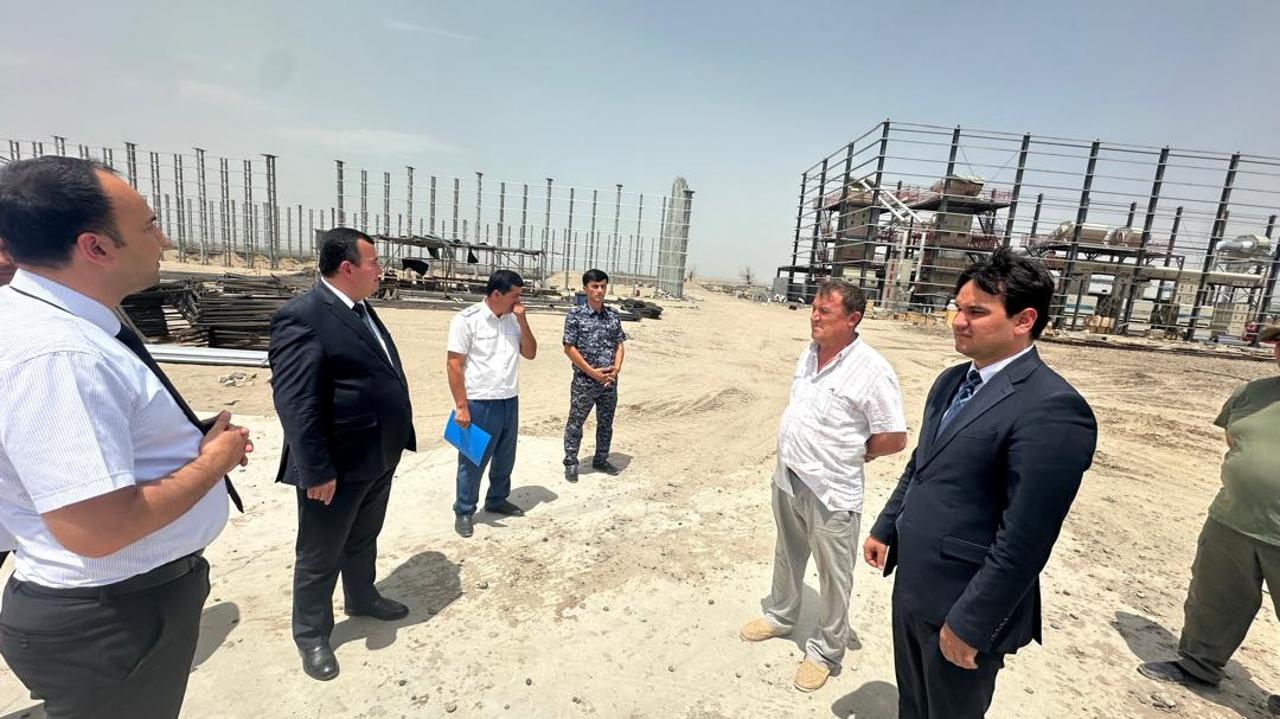





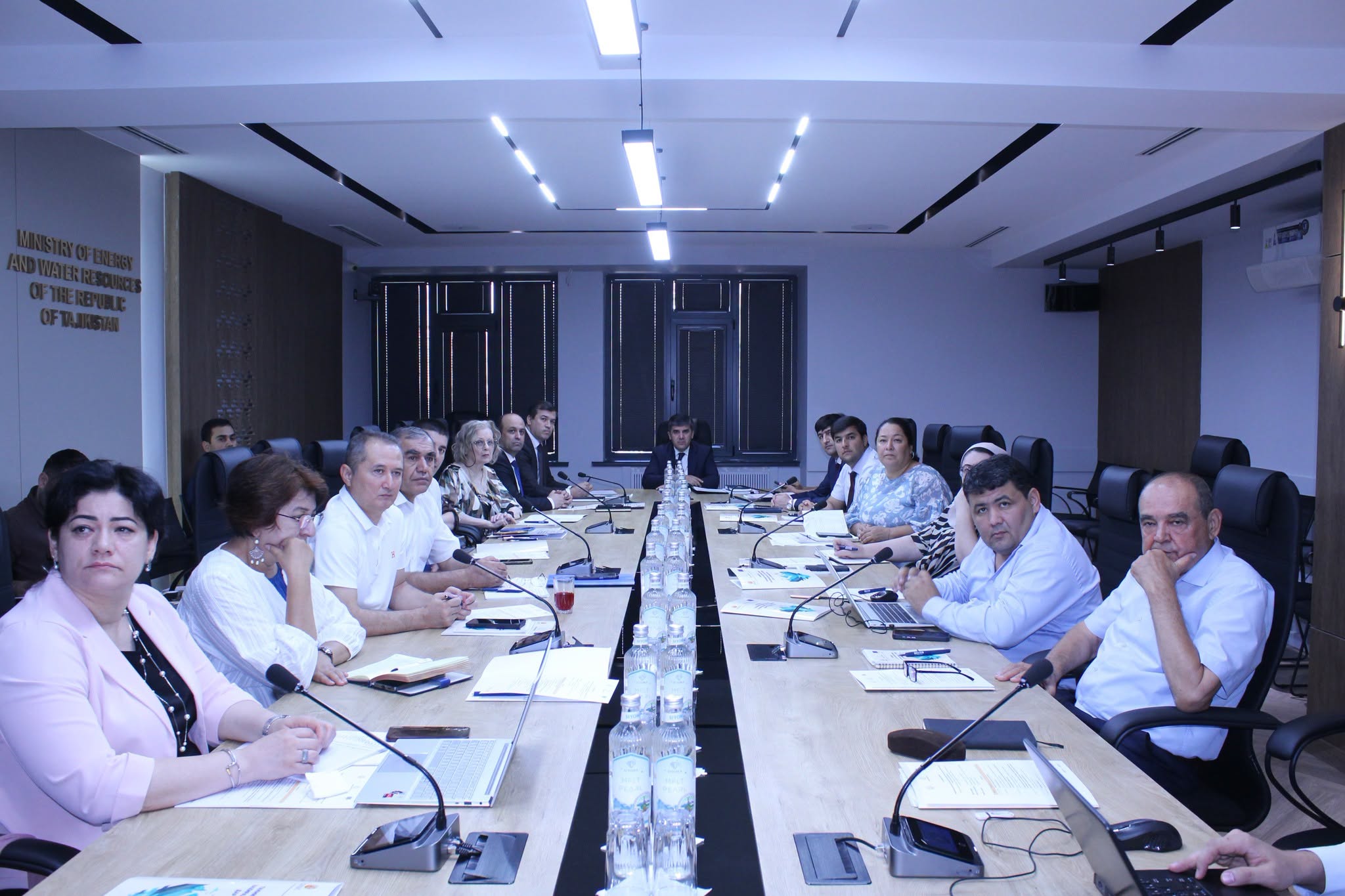












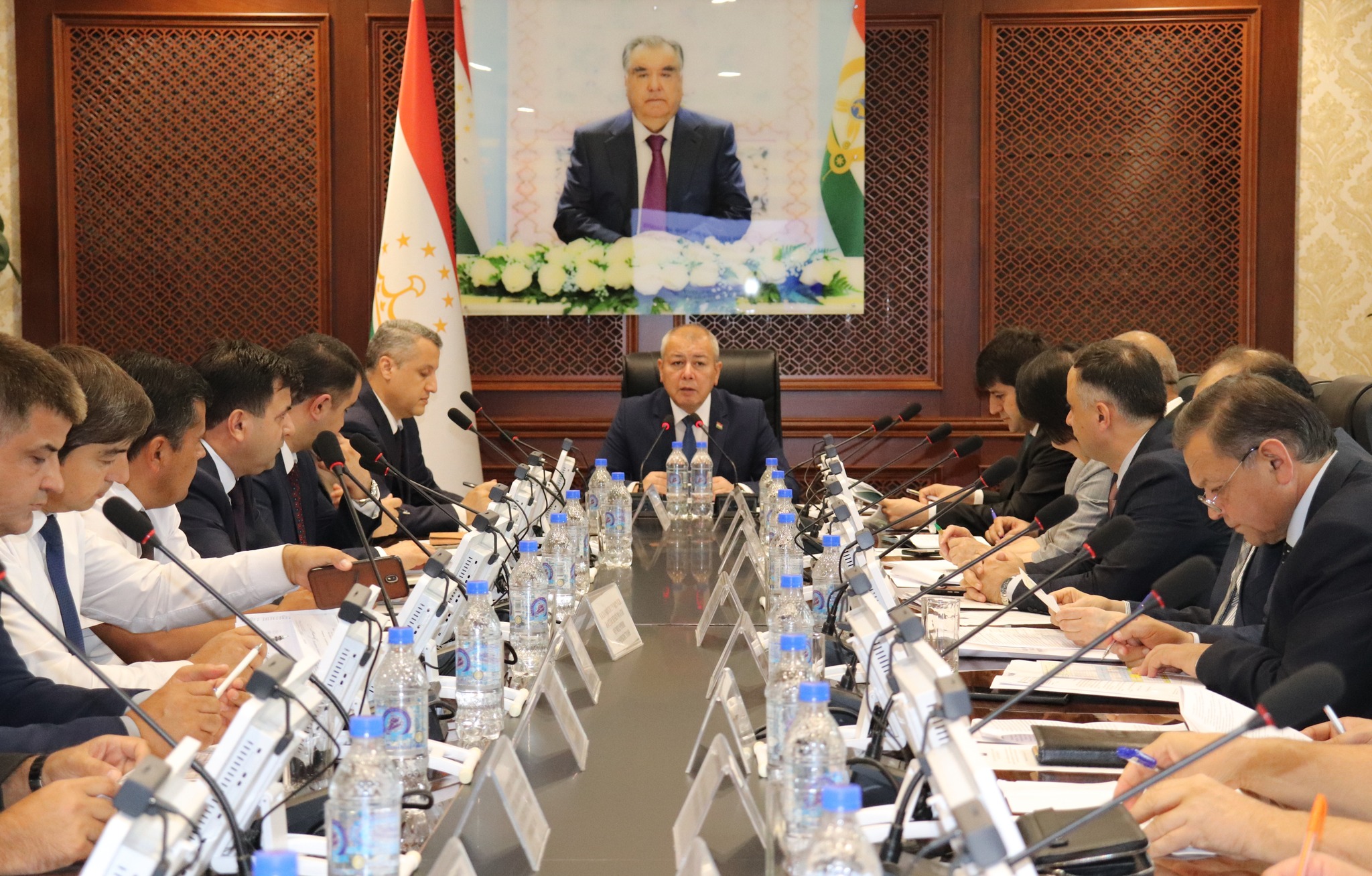
On August 26, 2025, under the chairmanship of the First Deputy Minister of Economic Development and Trade of the Republic of Tajikistan, A. A. Solehzoda, a meeting of the Interdepartmental Headquarters for Coordinating the Implementation of Macroeconomic Policy and Preventing the Impact of Potential Risks on the National Economy was held , dedicated to issues of increasing the volume of production and processing of cotton fiber.
During the meeting, the Deputy Minister noted that cotton growing and processing into finished products within the country remain one of the government's strategic priorities . However, an analysis of recent years shows a decline in cotton production and processing at domestic enterprises.

Thus, over the past three years, cotton production volumes have decreased from 404.7 thousand tons in 2022 to 253.2 thousand tons in 2024 , and cotton fiber production has decreased from 127.1 thousand tons to 106.9 thousand tons . Cotton fiber exports in 2024 amounted to 100.5 thousand tons worth $170.1 million , which is 8.8 thousand tons or $28.5 million less than in 2023. The average selling price was $1,692 per ton , which is $125 lower than last year.
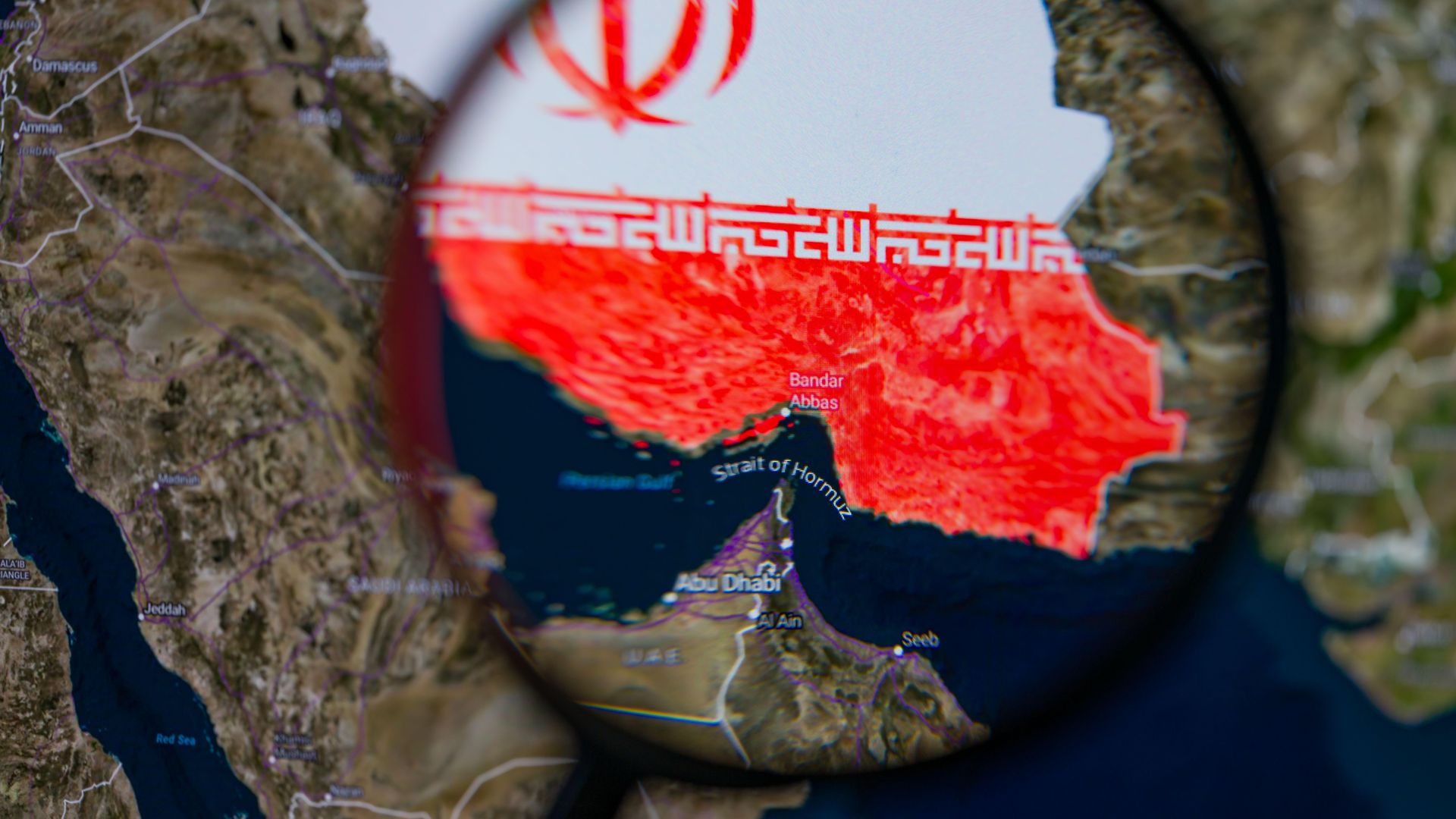
The geography of exports in 2024 was distributed as follows: Iran – 67.9%, Turkey – 15%, China – 8.4%, Russia – 4.4%, Pakistan – 3%, Georgia – 1%, Bangladesh – 0.2%, Latvia – 0.1% .
The meeting discussed key issues in the industry, including:
-
failure to fulfill the plan for the production of raw cotton,
-
high electricity tariffs and lack of seasonal benefits,
-
limited access of enterprises to preferential loans,
-
lack of qualified specialists in textile enterprises.
To support the industry, the government has introduced a number of incentive measures in both tariff and non-tariff areas. However, these measures are not being used effectively by producers and do not have a significant impact on market saturation and budget revenues.
Deputy Minister of Industry and New Technologies Nazar Aziz Savzali presented a set of measures to increase cotton production and processing, as well as to eliminate administrative and artificial barriers.
Following the meeting, the Interdepartmental Headquarters adopted a number of decisions that will be sent to the Government of the Republic for issuing relevant instructions to relevant ministries and departments.