Translated with AI

























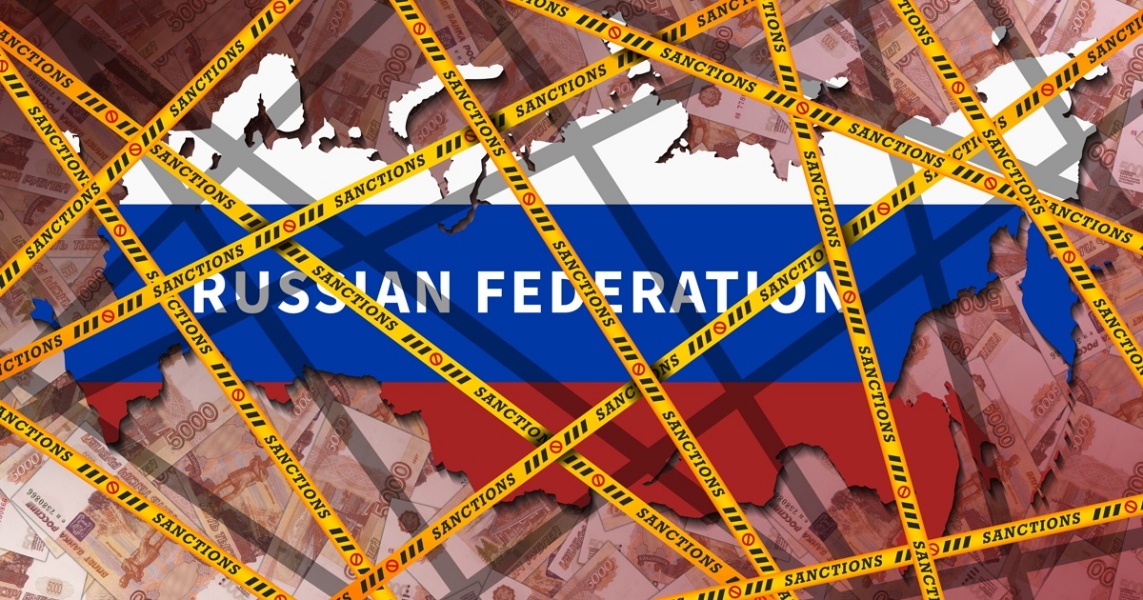
Switzerland has expanded its sanctions list against Russia, adding 14 individuals and 41 organizations. This was announced in an official statement released by the country's government.
On August 12, the Federal Department of Economic Affairs, Education and Research (EAER), which oversees Swiss sanctions, expanded the sanctions list against Russia. Switzerland thus adopted several amendments introduced by the European Union as part of the 18th sanctions package.
These measures come into force on August 12.
Effective today, 14 more individuals and 41 Russian businesses are subject to asset freezes and a ban on providing economic resources. These individuals are also prohibited from entering or transiting Switzerland.
“The new sanctions targets include Russian and international companies operating shadow fleet vessels, traders of Russian crude oil, and suppliers to Russia’s military-industrial complex, including those based in third countries,” the statement said.
Furthermore, another 105 vessels from third countries are now subject to a comprehensive ban on the purchase, sale, and provision of services. These are primarily tankers that are part of Russia's shadow fleet, circumventing price caps on Russian crude oil and petroleum products, or that transport military goods for Russia.
The EAER also lowered the price cap on Russian crude oil to $47.6 per barrel. The statement also noted that the price cap would take effect on September 3.
In the trade sector, 26 new entities, including some in third countries, are subject to stricter export control restrictions, particularly for circumventing export restrictions on unmanned aerial vehicles.
Switzerland also accepted the additional lists introduced by the EU on 15 July for Moldova and on 18 July for Belarus.
In the Moldovan context, seven more individuals and three entities are now subject to asset freezes and a ban on providing economic resources.
"These lists target individuals and organizations involved in Russia's efforts to influence Moldova's EU membership referendum and the 2024 presidential elections," the statement explained.
As for Belarus, eight Belarusian defense industry companies are now subject to an asset freeze and a ban on providing economic resources.
As a reminder, the European Union lowered the price cap on Russian oil as part of the 18th sanctions package, which was finally adopted on Friday. This was made possible by Slovakia and Malta's decision to abandon the block.
On the same day, the UK announced that it was joining the EU's decision to lower the price cap on Russian oil transported by sea.
On August 9, it became known that Canada, together with the EU and Great Britain, intends to further lower the price cap for Russian-origin oil.