Translated with AI












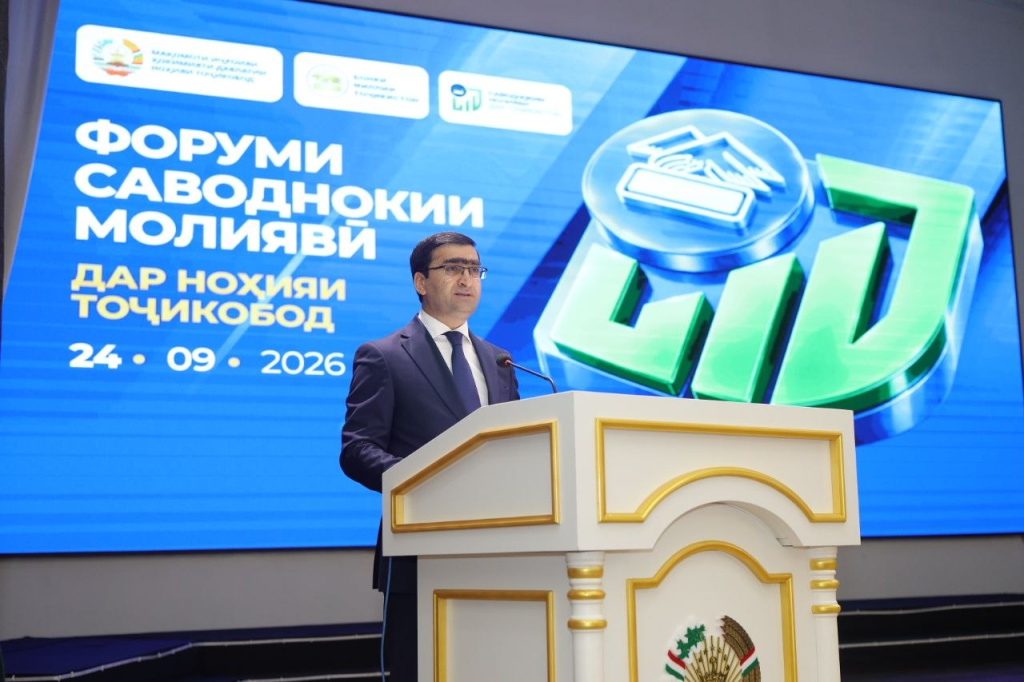




















Tajikistan is preparing a new Strategy for the Elimination of Gender-Based Social Norms for 2027–2036 . The draft document was presented and discussed at a meeting organized by the Committee on Women and Family Affairs under the Government of the Republic of Tajikistan jointly with the United Nations Children's Fund (UNICEF).
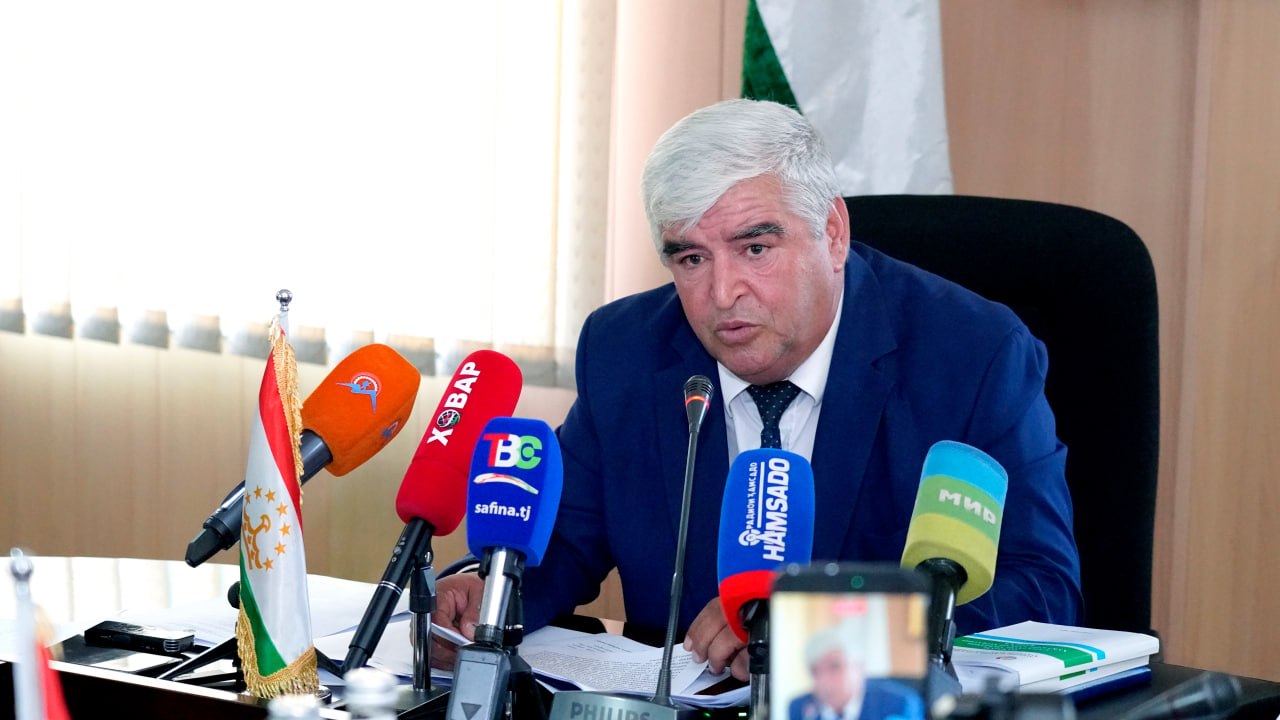
As reported at a press conference summarizing the Committee's activities for the first half of 2026, representatives of 46 international organizations, development partners, and civil society institutions took part in the discussion of the draft strategy.
It is noted that the development of the strategy is aimed at improving state policy in the area of ensuring gender equality, eliminating social norms and stereotypes that limit the opportunities of women and men, and creating conditions for the fuller participation of women in all spheres of public life.
The Committee emphasized that the document is being developed in close collaboration with international partners. UNICEF is a key participant in the process, providing expert support in the development of strategic documents on protecting children's rights, families, and gender equality.
The draft strategy covers the period 2027–2036 and will become one of the key documents defining state policy in the area of overcoming gender-based social barriers, enhancing the role of women in the country's social, economic, and political life, and strengthening the institution of the family.
In addition to working on the new strategy, the Committee continues to collaborate with international organizations on projects aimed at expanding women's economic opportunities, protecting their rights and legitimate interests, developing women's entrepreneurship, and increasing legal literacy among the population.
According to the Committee, in the first half of this year, the agency's leadership also held meetings with representatives of the World Bank, the United Nations Population Fund (UNFPA), the Embassy of the Republic of Slovenia, and other international partners, during which they discussed the implementation of joint projects in the areas of gender equality, social protection, and sustainable development.
It is expected that, following discussions and approvals, the document will become the basis for further improvement of state policy to ensure equal opportunities and eliminate social factors that hinder women's full participation in the country's development.