Translated with AI































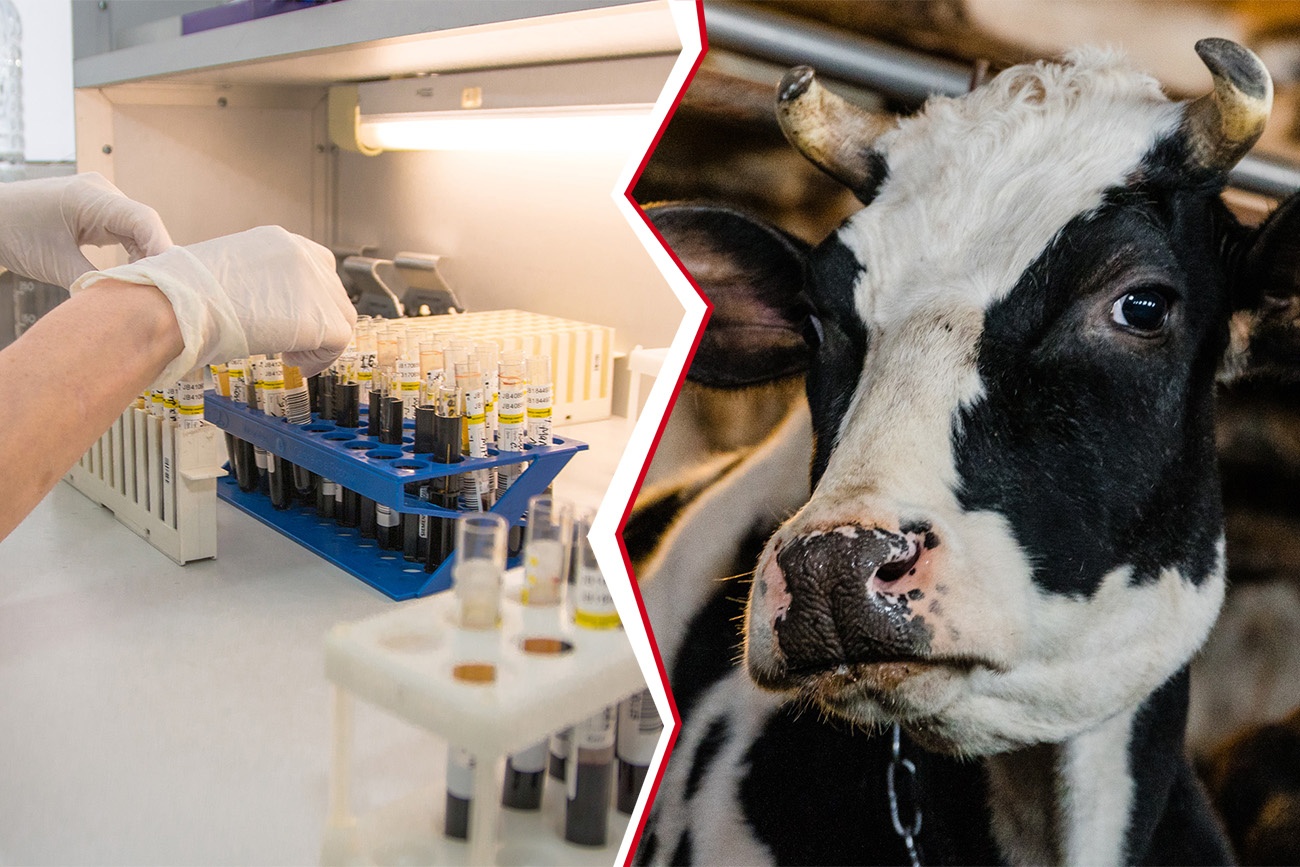
Countries around the world are facing the growing spread of transboundary animal diseases, which pose a serious threat to agriculture, trade, and food security, according to the Food and Agriculture Organization of the United Nations (FAO).
Among the most dangerous diseases, experts cite African swine fever, foot-and-mouth disease, highly pathogenic avian influenza, and the New World screwworm, a parasite that has been re-discovered in the United States.
According to the FAO, the acceleration of international movement of people, animals, and goods means that such threats are crossing national borders faster than ever before. This places additional strain on national veterinary control systems and increases risks to global food security.
The organization emphasizes that livestock farming remains enormously important to the global economy. This industry provides income to over a billion people and contributes trillions of dollars annually to the global economy. Any disruption to the sector directly impacts trade, agriculture, and rural well-being.
FAO Assistant Director-General and Chief Veterinary Officer Tiensin Thanawat noted that the consequences of infectious outbreaks extend far beyond animal health. He noted that such diseases disrupt production processes, negatively impact the tourism industry, threaten food security, and can pose direct risks to humans.
Economic losses from such outbreaks are already estimated at tens of billions of dollars. Avian influenza, for example, has killed over 633 million birds and jeopardized a $48 billion market. Foot-and-mouth disease causes an estimated $11.3 billion in annual losses, while African swine fever has nearly halved pig populations in some Asian countries.
The FAO is also noting new, alarming trends. After years of successful control, the New World screwworm has reappeared in the United States, having entered through Central America. Simultaneously, a rare type of foot-and-mouth disease has spread beyond Africa, spreading to countries in Asia and the Middle East.
According to the organization's experts, these cases demonstrate how quickly animal diseases can change their geographical distribution and impact the sustainability of food systems.
The FAO emphasizes that prevention remains the most effective and cost-effective approach. FAO Deputy Director-General Beth Behdol stated that preventing outbreaks is always cheaper and more effective than dealing with the consequences of existing diseases.
According to her, investing in veterinary services is one of the most reliable ways to protect food systems and ensure the sustainability of the agricultural sector.