Translated with AI




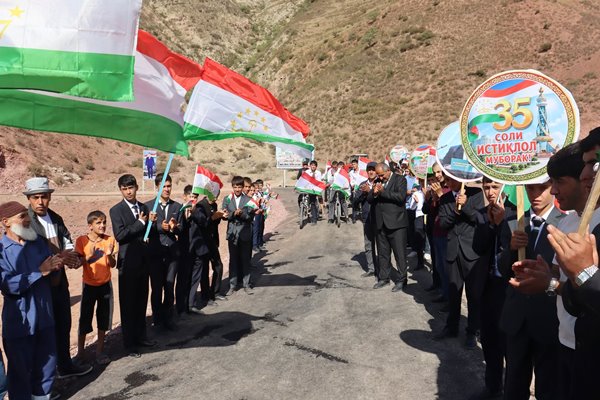



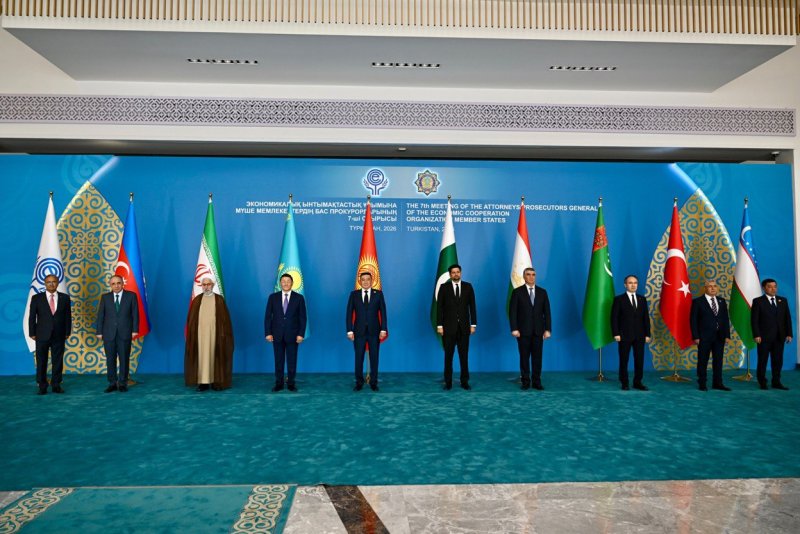

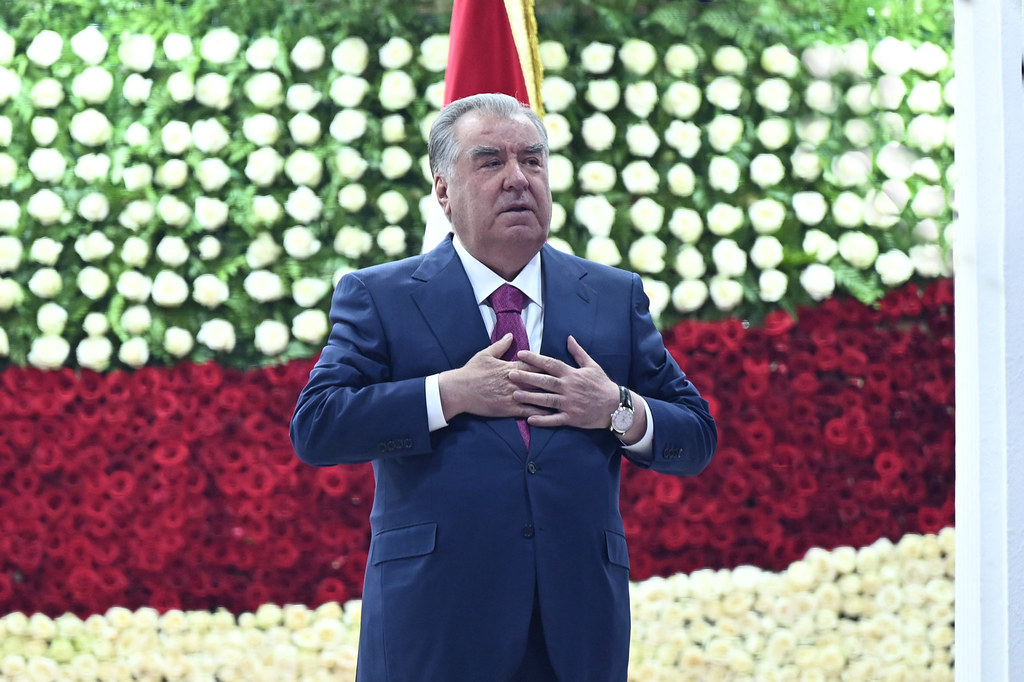









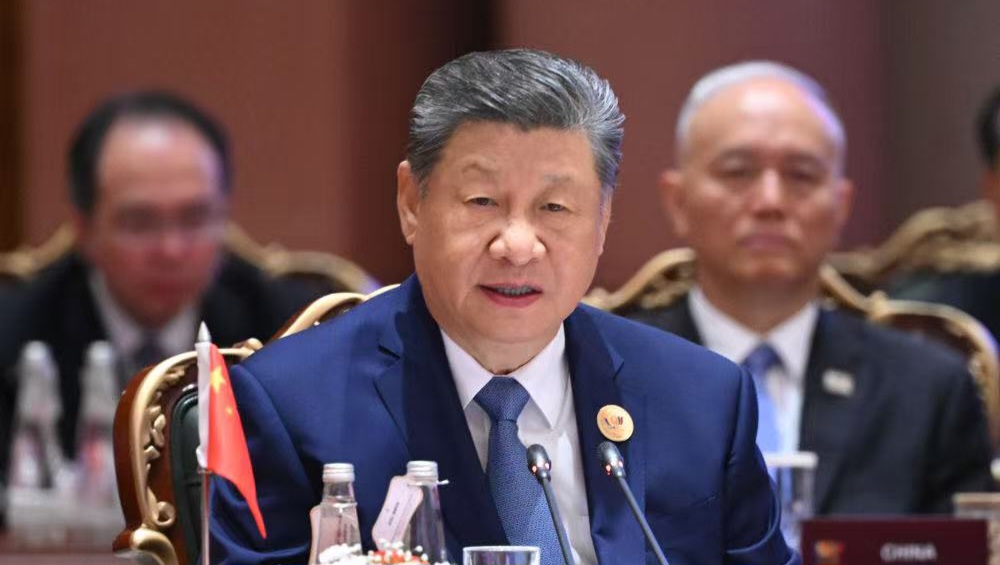






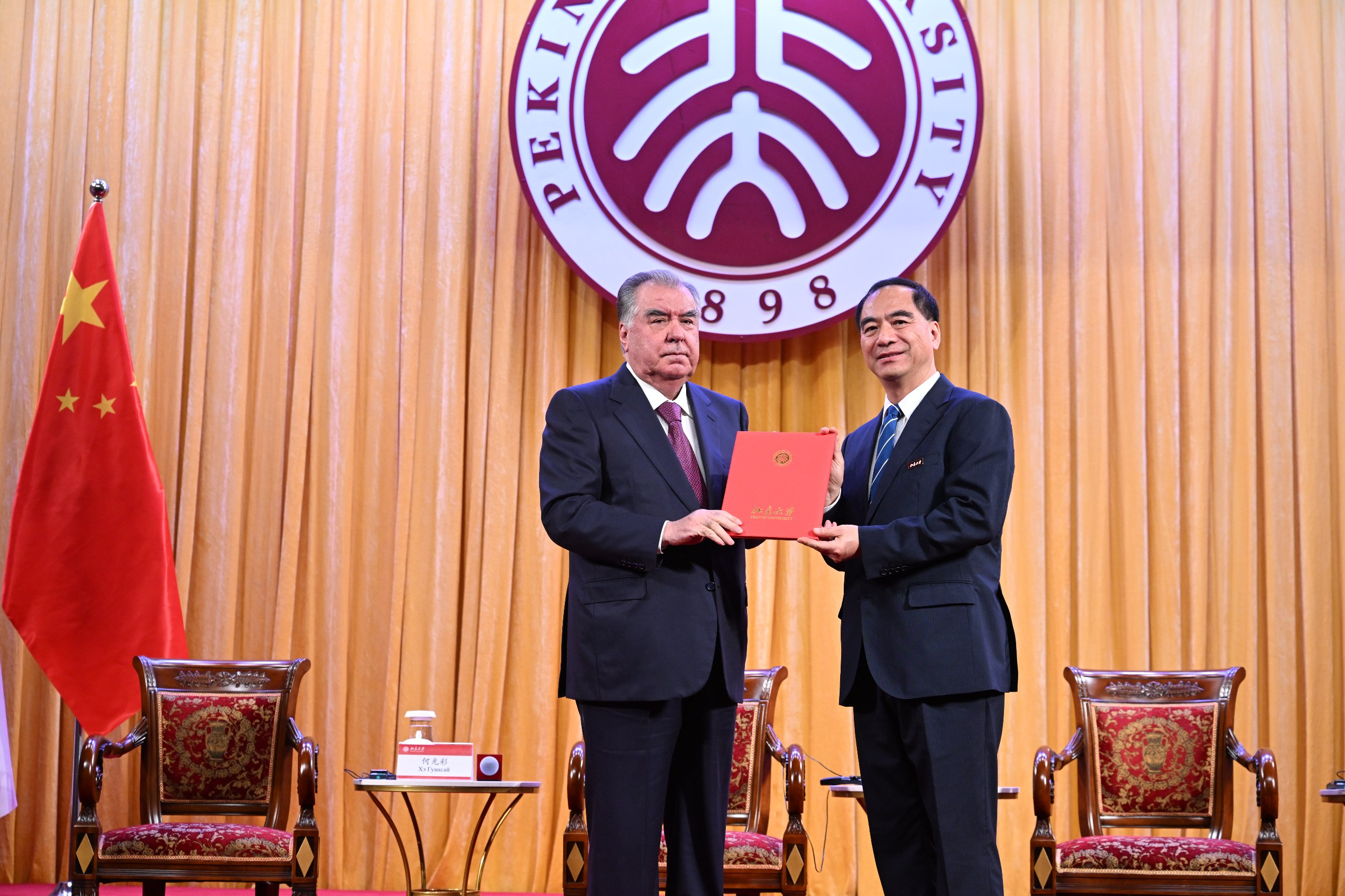
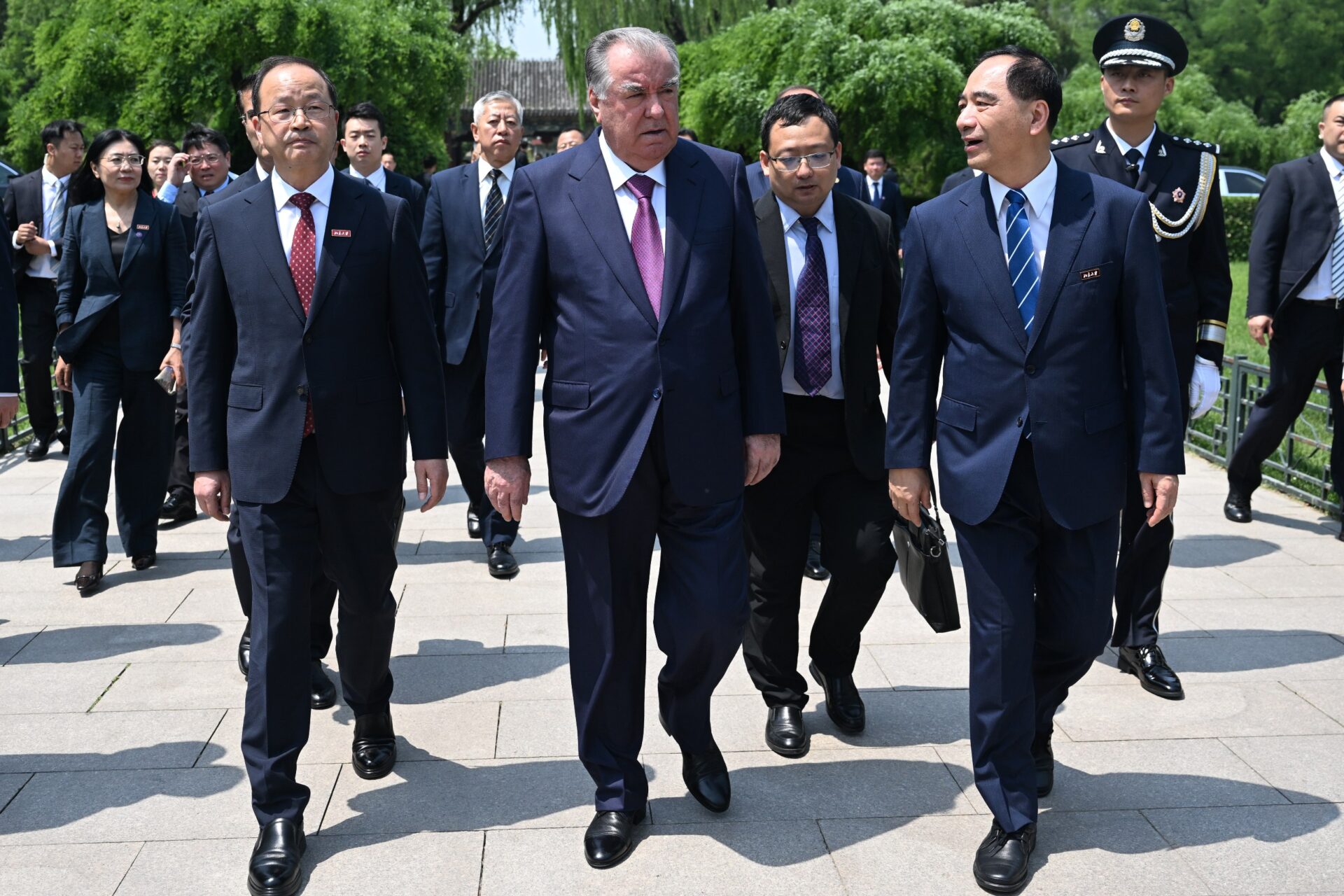
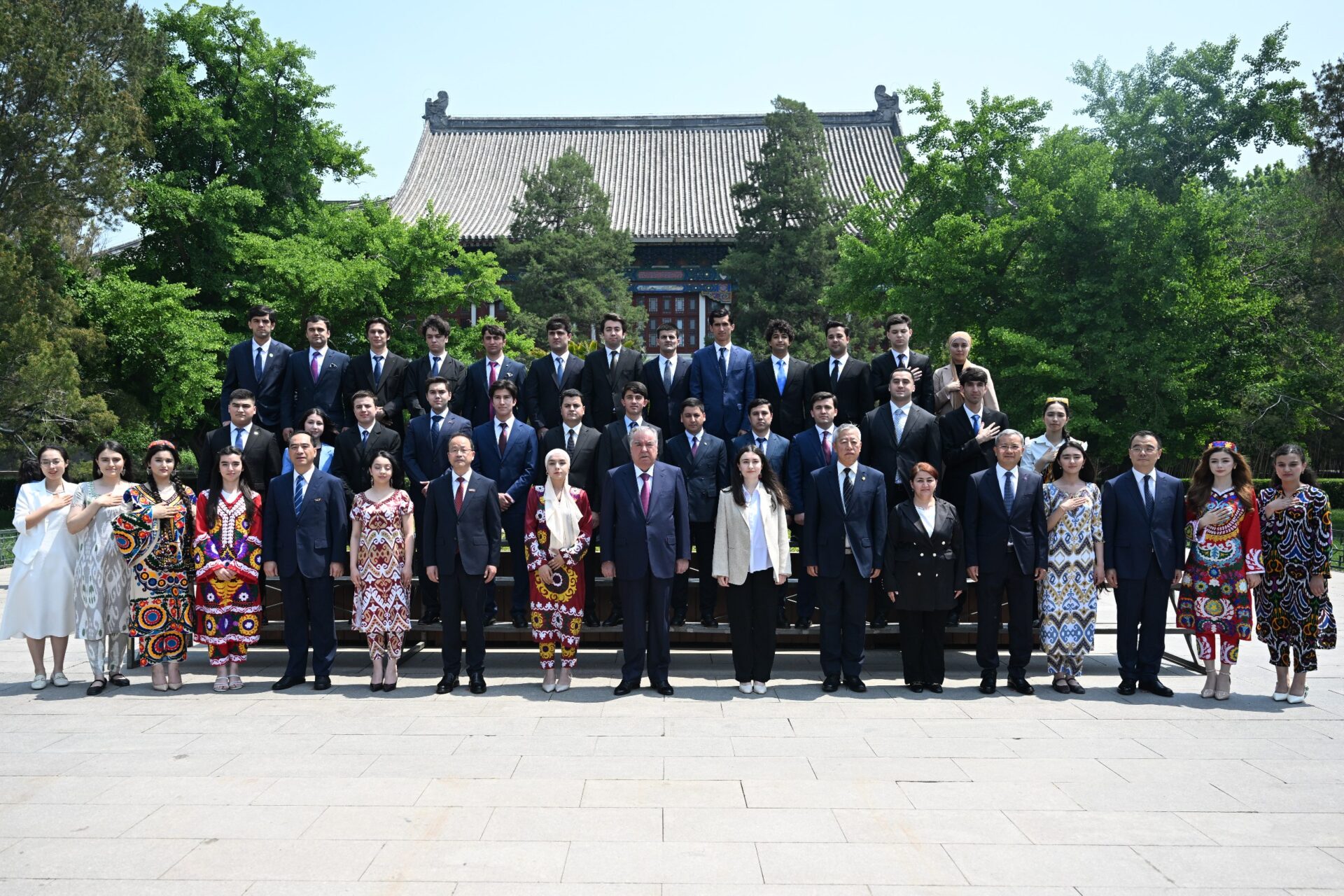
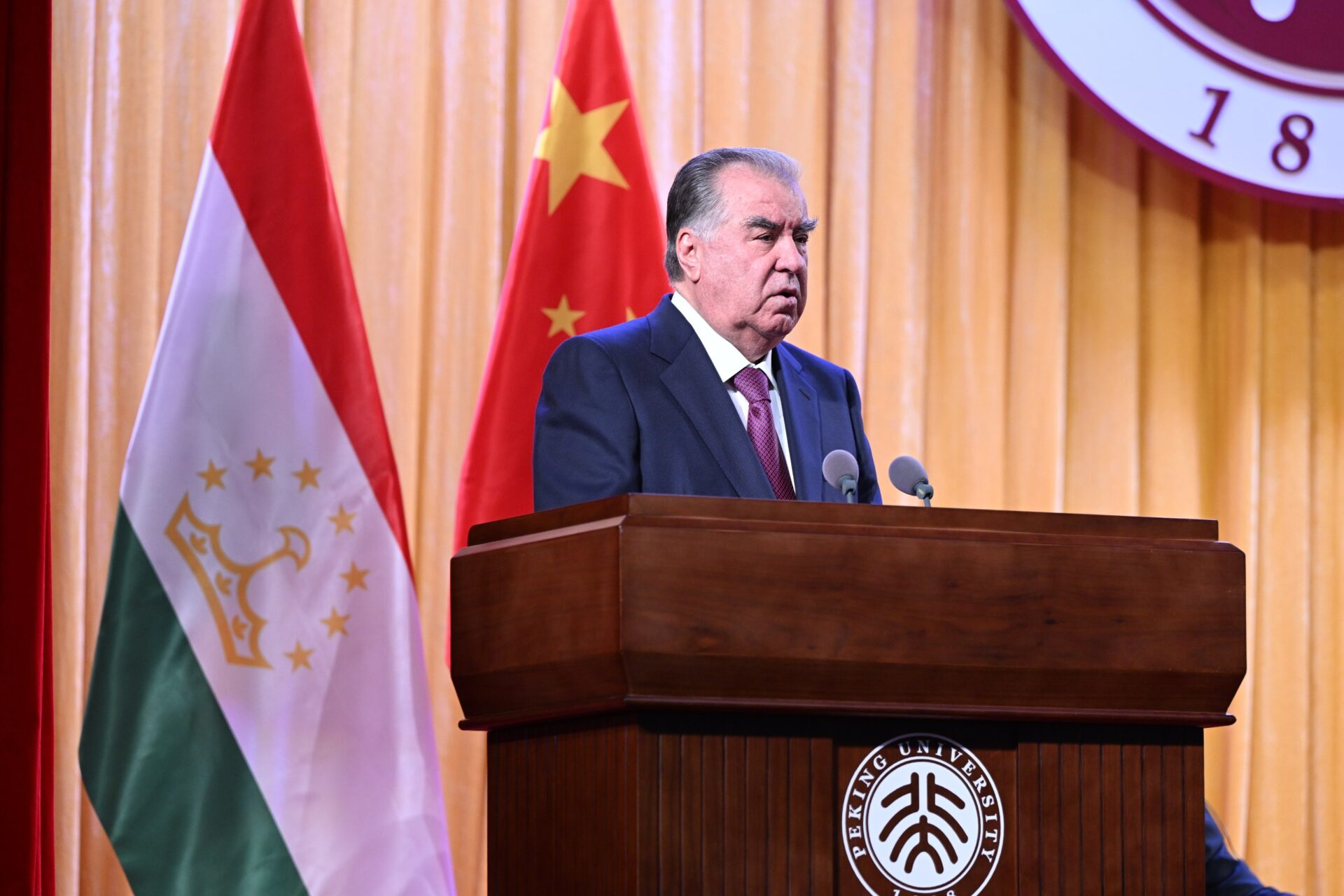
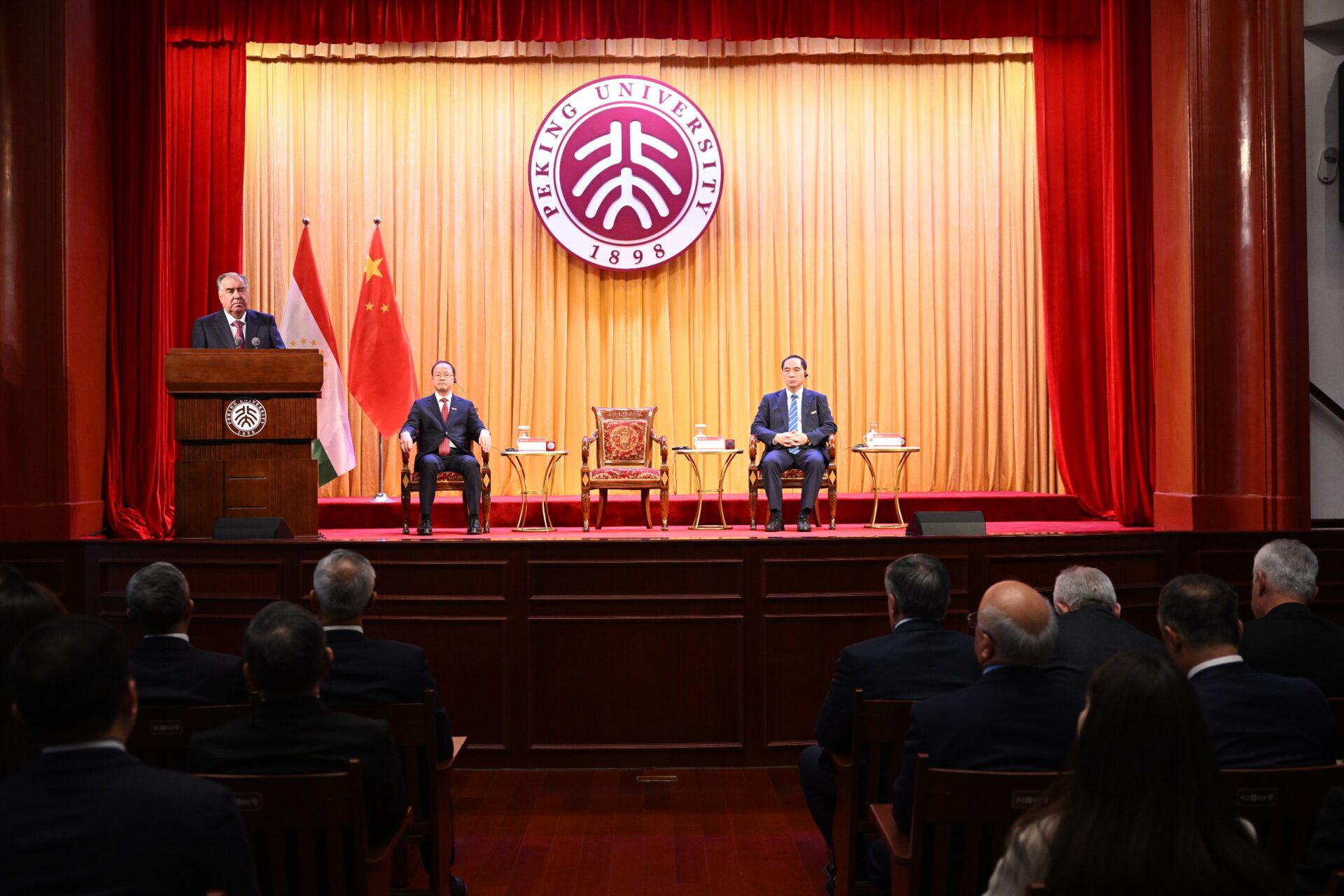
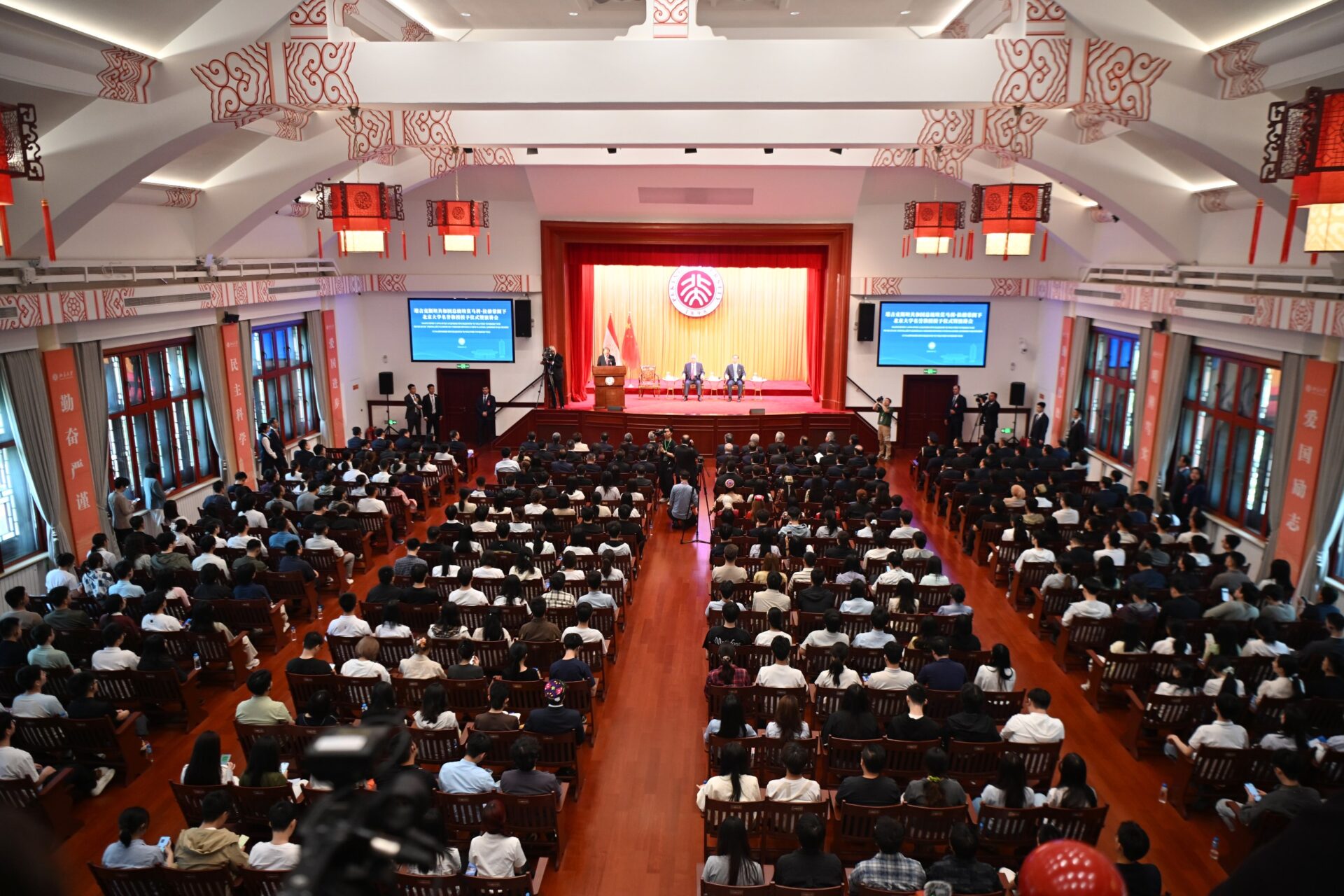
As part of his state visit to the People's Republic of China, Tajik President Emomali Rahmon visited Peking University and addressed faculty and students. This was reported by the presidential press service.
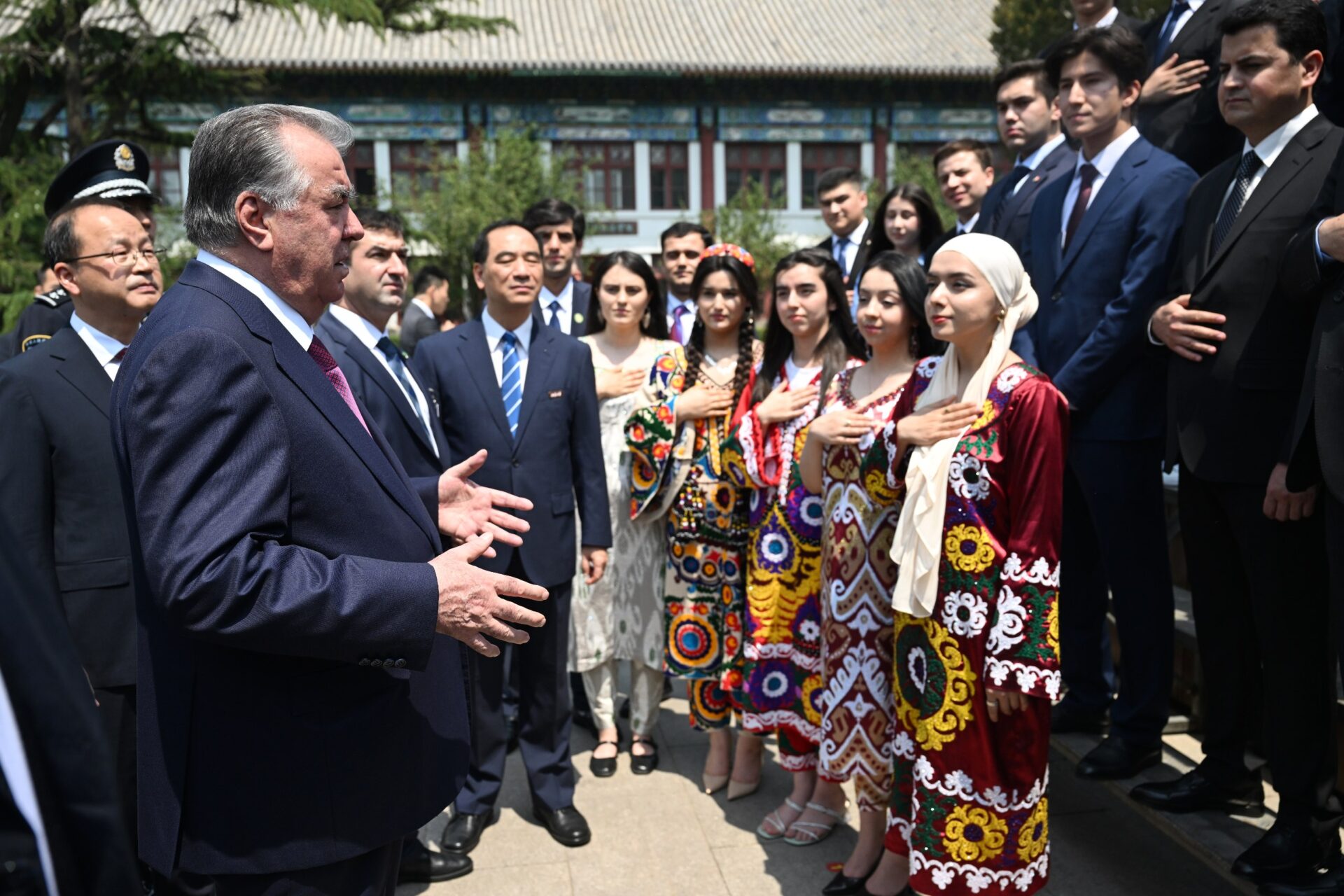
The head of state was warmly welcomed by the university administration.
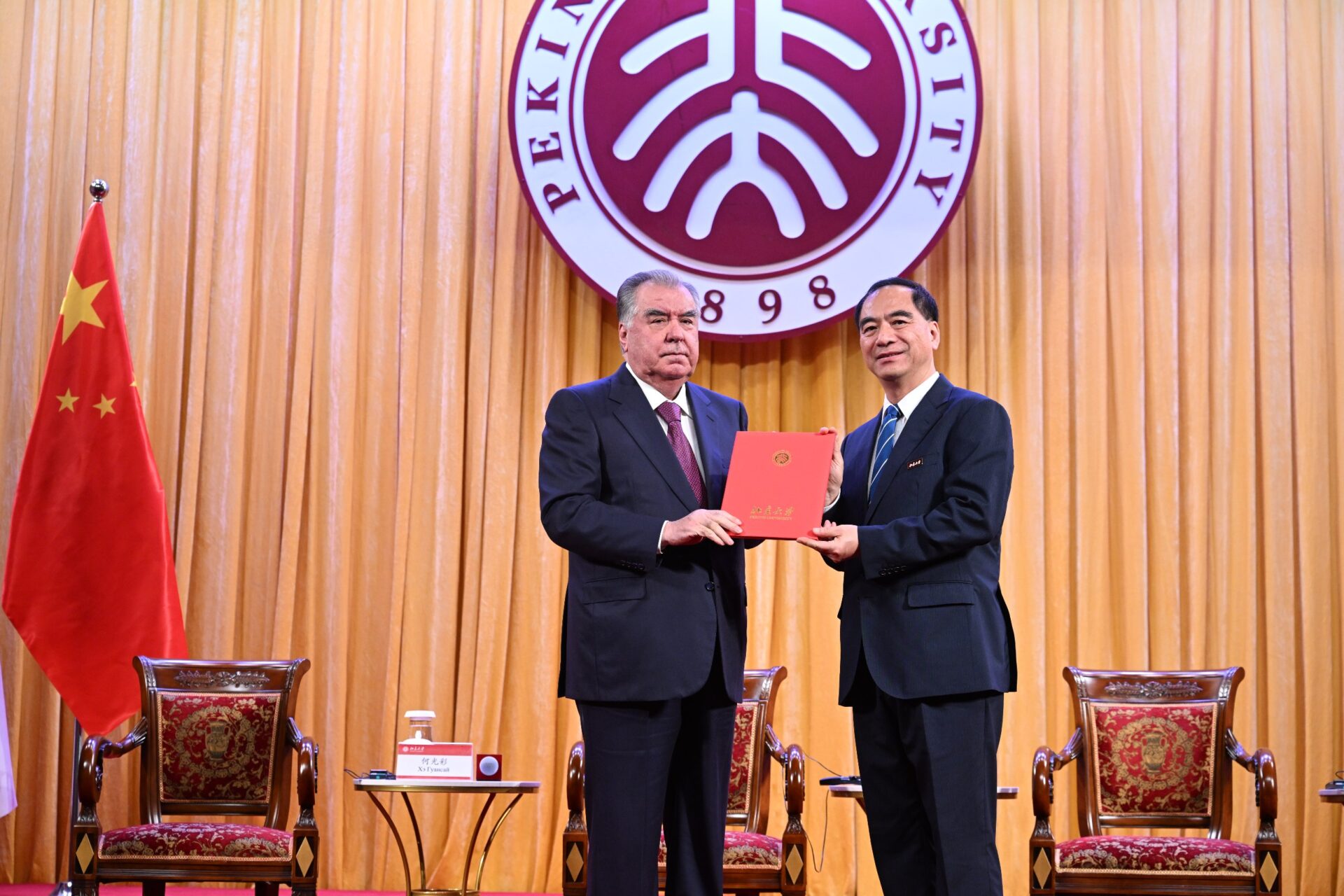
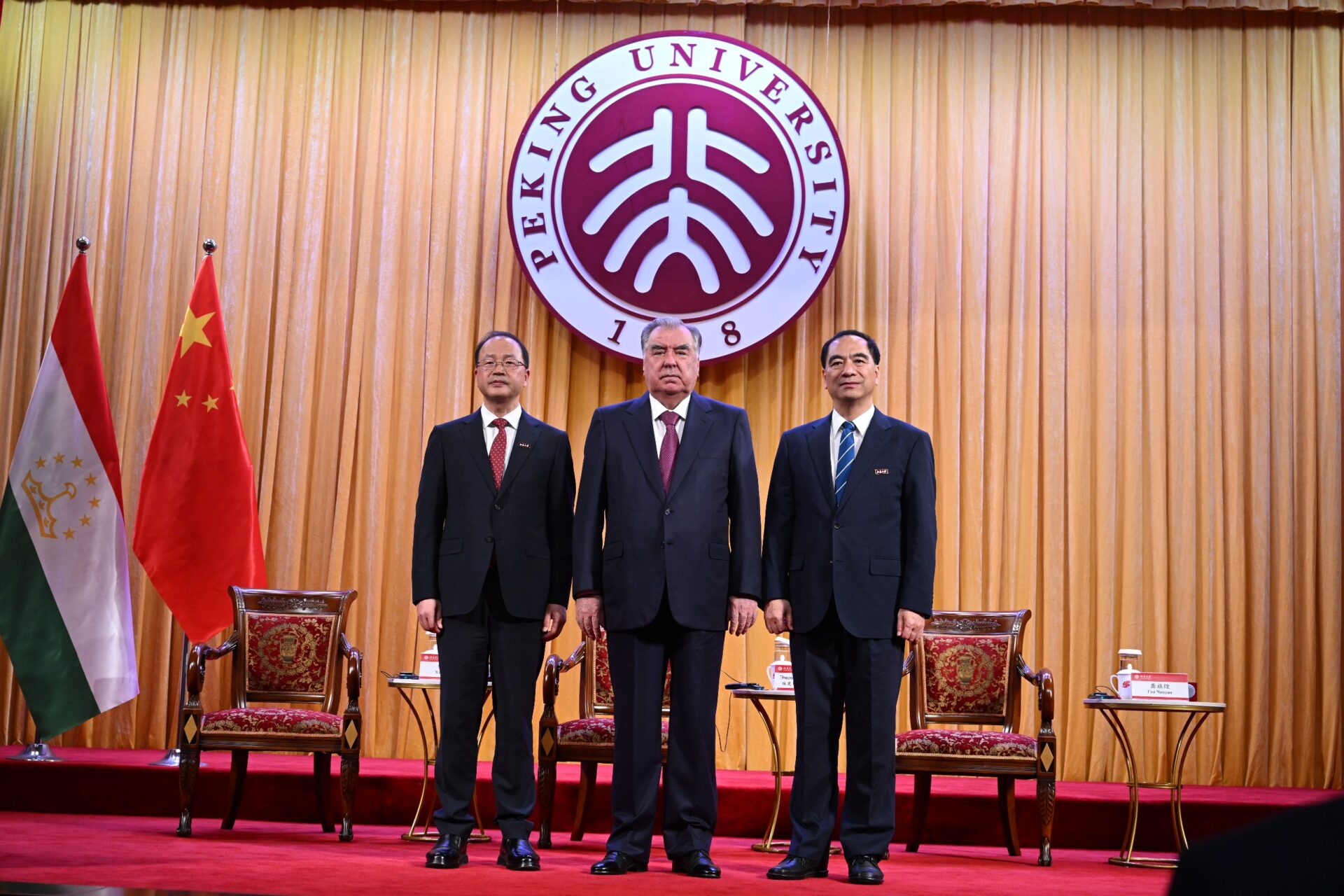
At the beginning of the ceremony, Peking University Rector Gong Qihuang announced the Academic Council's decision to award Emomali Rahmon the title of Honorary Professor of the university.
According to the decision of the Scientific and Educational Council of Peking University, the President of Tajikistan was awarded this title for his contribution to strengthening friendship and cooperation between Tajikistan and China, developing scientific, humanitarian, and cultural ties, and promoting global initiatives in the field of water and climate.
In a ceremonial ceremony, Emomali Rahmon was presented with an honorary professor certificate and a bronze plaque with his academic degree.
Speaking to faculty and students, the President of Tajikistan thanked the university's leadership and Academic Council for the honor.
Emomali Rahmon noted Peking University's achievements in science and education, emphasizing that it enrolls students from over 100 countries. He noted that 50 Tajik citizens have graduated from the university to date, and another six are continuing their studies on Chinese government scholarships.
The President emphasized that the friendly and good-neighborly relations between the peoples of Tajikistan and China date back to the time of the Great Silk Road. In this regard, he mentioned ancient Sogdian manuscripts discovered in 1907 in one of the towers of the Great Wall of China, which contain valuable historical information.
According to the head of state, these finds are known in scientific circles as "Ancient Letters," and evidence of cultural exchange between the Tajik and Chinese peoples has been preserved along the entire length of the Great Silk Road.
Emomali Rahmon noted that over the 35 years of state independence, Tajikistan has pursued a balanced, peaceful, and constructive foreign policy based on the principle of "open doors."
He emphasized that Tajikistan has established stable diplomatic relations with 186 countries, among which the People's Republic of China occupies a special place.
According to the President, relations between Tajikistan and China have now reached the level of a comprehensive strategic partnership and encompass political, security, economic, humanitarian, and other areas.
Emomali Rahmon placed particular emphasis on the importance of science and education in today's world. He noted that the development of human potential, science, and education has been identified as a priority area of Tajikistan's domestic policy.
The President also stated the importance of international scientific, educational and cultural ties for strengthening friendship and mutual understanding between peoples.
He emphasized that Tajikistan pays special attention to expanding cooperation with China in the areas of higher education, technology, innovation, and academic exchange.
According to Emomali Rahmon, approximately 40,000 Tajik citizens are currently pursuing higher education in 47 countries, of which approximately 6,000 are studying in China. Since independence, more than 10,000 Tajik citizens have graduated from Chinese higher education institutions.
The President noted the growing interest of Tajik youth in studying in China, particularly in the fields of science, engineering, information technology, digital economy, and artificial intelligence.
He also emphasized that Tajikistan places great emphasis on the study of the Chinese language and culture. According to him, Confucius centers at the country's universities make a significant contribution to the teaching of Chinese language and culture.
Emomali Rahmon announced that during the current visit, a document will be signed between the relevant departments of the two countries on the establishment of another Confucius Center in Tajikistan.
It was also noted that 10 higher education institutions in Tajikistan are part of the Shanghai Cooperation Organization's university network, and 13 universities in the country offer courses in the Chinese language.
The head of state stated that cooperation between Tajikistan and China in the fields of science, education, and culture could gain new meaning through joint research in geology, climate change, glacier protection, water resources, history, archeology, and cultural heritage.
Emomali Rahmon also noted the importance of translating and publishing scientific and cultural works as a means of bringing peoples closer together. As an example, he cited the Chinese translation of Academician Bobojon Gafurov's work "Tajiks: Ancient, Ancient, and Medieval History."
The President named the study of ancient Chinese sources on the history of Tajiks as another promising area of cooperation between scientists from the two countries.
In conclusion, Emomali Rahmon emphasized that expanding cooperation in science, education, and culture creates a solid foundation for training a new generation of competitive specialists in today's environment.