Translated with AI
































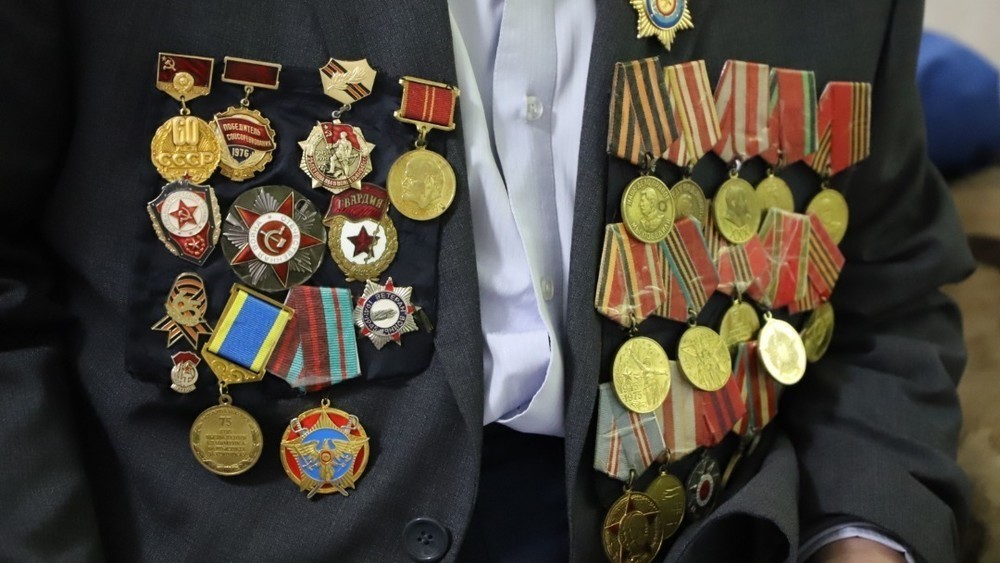
In anticipation of the 81st anniversary of Victory Day, several CIS countries have provided one-time payments to veterans of the Great Patriotic War and other categories of citizens associated with wartime events. The amount and procedure for providing assistance vary depending on the national social support system, according to media reports.
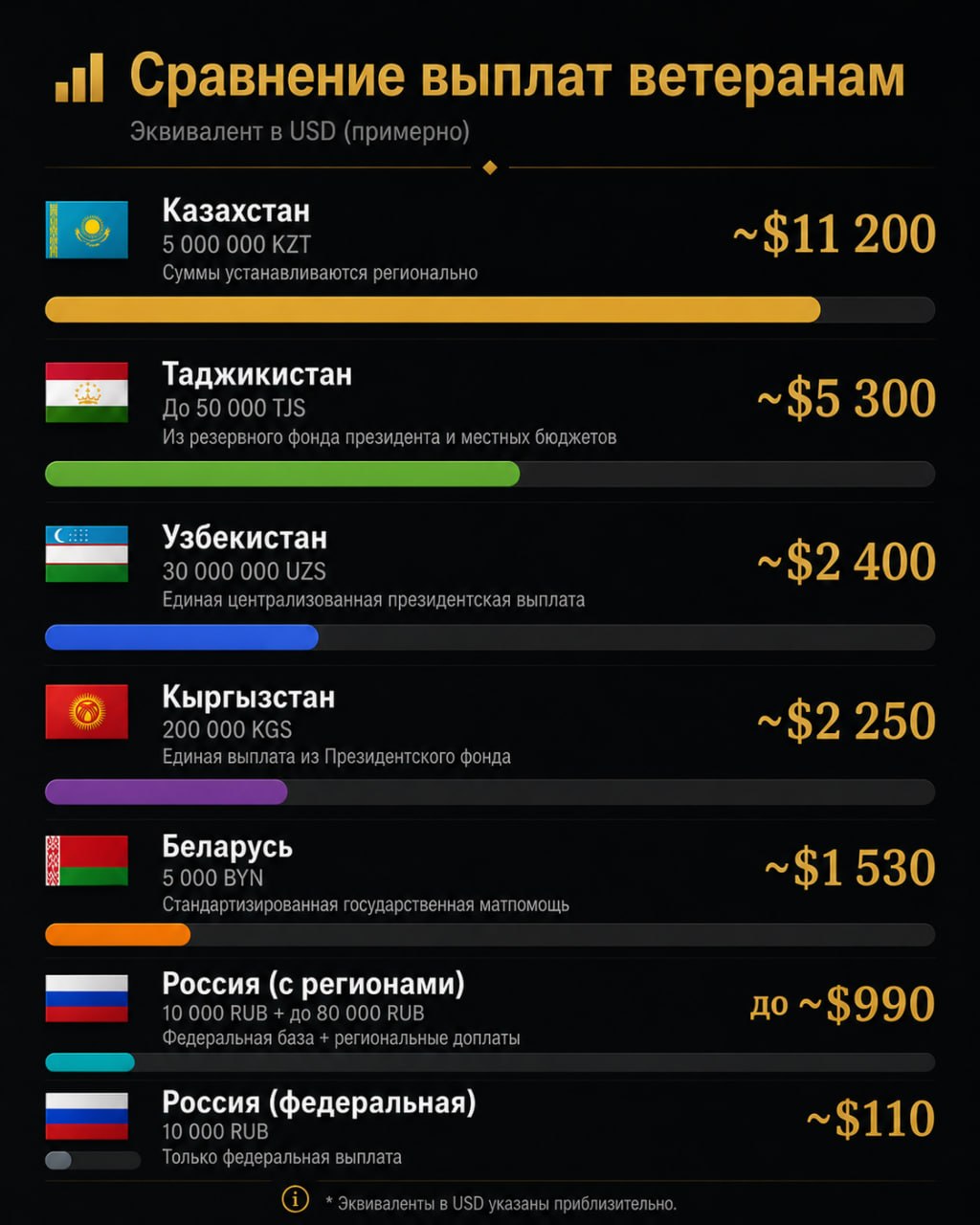
In Kazakhstan, over 3.3 billion tenge was allocated for one-time payments to nearly 32,900 people in 2026. Recipients of the assistance included veterans of the Great Patriotic War, home front workers, widows of the fallen, individuals with disabilities due to injury or mutilation, and other categories of citizens.
A separate payment is provided for veterans of the Great Patriotic War. As of 2026, there are 57 veterans living in Kazakhstan. Each of them received 5 million tenge, regardless of their region of residence.
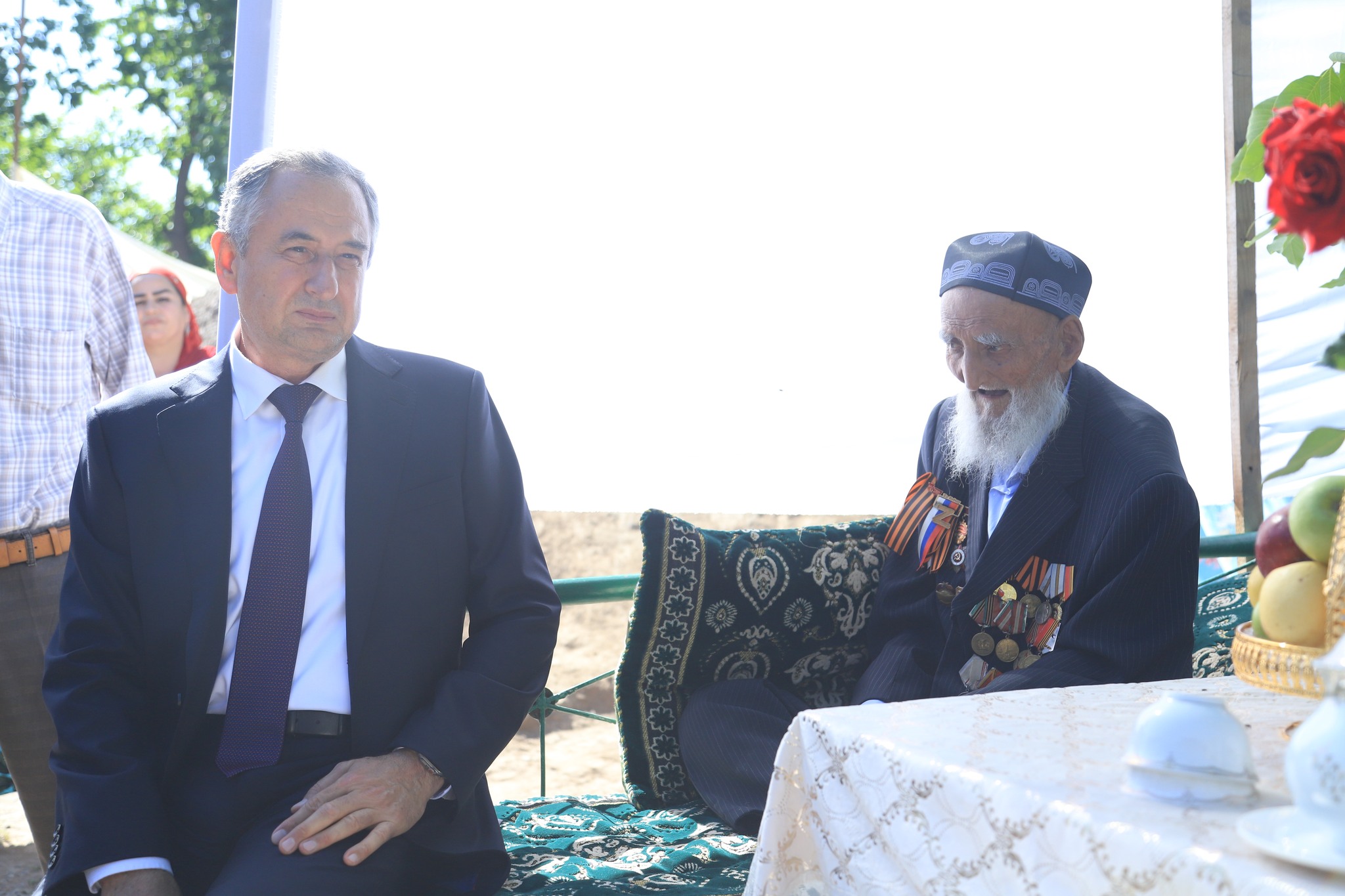
In Tajikistan, veterans of the Great Patriotic War will each receive 50,000 somoni this year. Currently, there are 17 WWII veterans living in the country.
In Uzbekistan, the one-time payment to veterans amounted to 30 million soums, equivalent to approximately 1.1 million tenge. In Kyrgyzstan, veterans are entitled to a payment of 200,000 soms.
Belarus has a unified payment system for different categories of recipients. Disabled veterans and participants of the Great Patriotic War receive 5,000 Belarusian rubles, equivalent to approximately 715,000–825,000 tenge. Home front workers and former concentration camp prisoners receive smaller amounts depending on their category.
The Russian Federation uses a two-tier support system. The federal payment is 10,000 rubles, or approximately 61,000 tenge. In addition, regions independently establish additional assistance measures. In Moscow, regional payments to veterans range from 40,000 to 70,000 rubles, while in the Volgograd Region, participants in the Battle of Stalingrad and frontline soldiers receive payments of up to 80,000 rubles. In St. Petersburg and several other regions, additional payments range from 5,000 to 10,000 rubles.
Thus, CIS countries' approaches to supporting veterans vary. Some countries employ a centralized payment system, while others employ a mixed model, with some assistance provided at the federal or state level, and some from regional budgets.