Translated with AI
































On the golden stretch of the Silk Road, in the southeast of China's Gansu Province, lies the famous historic city of Longxi, preserving the memory of a millennia-old civilization. Named for its location west of Mount Longshan (Lupanshan), it is renowned as the "ancient thousand-year-old prefecture" and the "birthplace of medicinal plants on the Silk Road." This fertile yellow soil gave birth to a unique pearl of folk culture—the Longxi Gao Ye Shehu Festival. Like a lamp that has passed through time, it illuminates the spiritual world of the Longxi people and is a shining jewel along the cultural corridor of the Silk Road. I. Historical and Cultural Origins of Longxi: Fertile Soil for the Birth of Gao Ye The dawn of civilization in Longxi dates back to prehistoric times. As early as the Yanshao culture, industrious and wise ancestors inhabited this land, creating vibrant patterns on pottery and leaving the first hymns to life and nature. Later, the Jianjia culture left exquisite jade and ceramic artifacts here, testifying to the development of social structure and technological innovation. From the very beginnings of civilization, this land has been an important center of human activity. Longxi's strategic importance has steadily grown over the course of history. From the Qin Dynasty, where Longxi Prefecture was established, to the Han Dynasty, where Xiangwu County was founded, Longxi, occupying a key position on the Silk Road linking East and West, has long been the political, economic, cultural, and military center of the Longyou region. For centuries, it was a dazzling cultural center on the Silk Road, witnessing vibrant trade and the fusion of civilizations, as well as the succession of empires and historical changes.
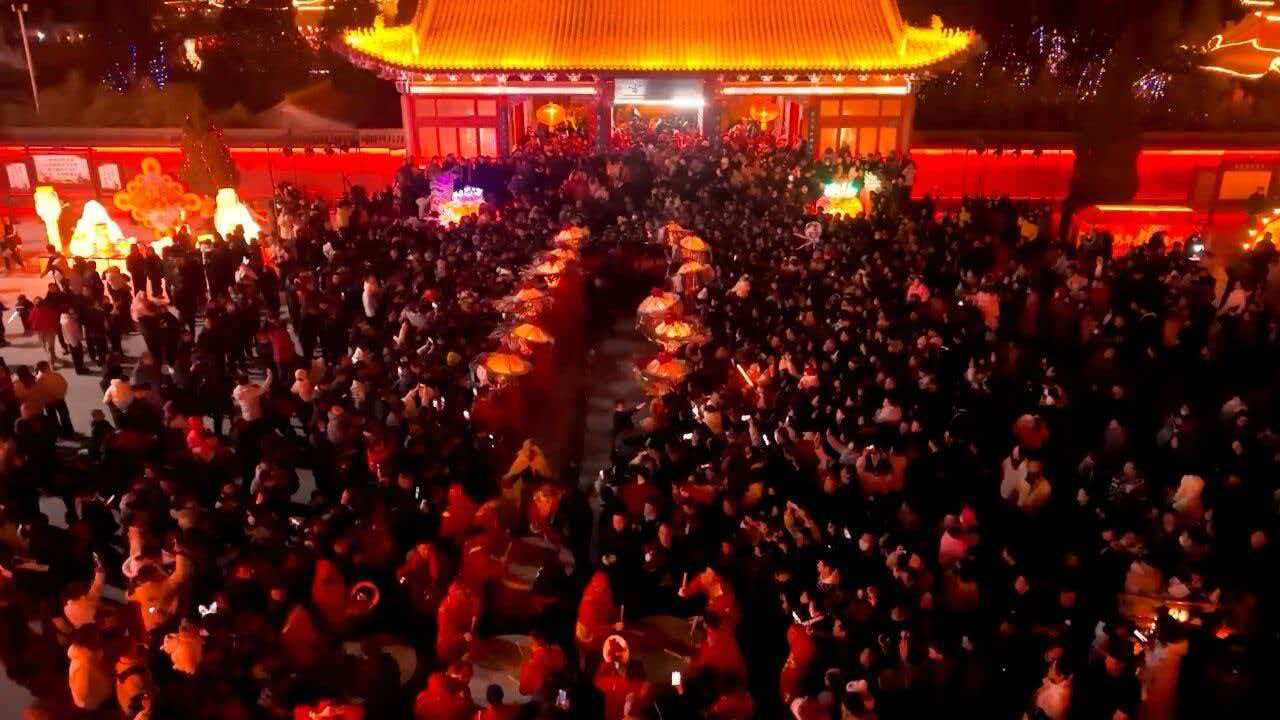
It is particularly significant that Longxi is the birthplace of the Li clan. "The Li clan under heaven hails from Longxi"—this ancient proverb closely links Longxi with the Li clan. Over more than two thousand years, the Li clan has grown, producing many outstanding individuals, and its fame has spread throughout China and beyond. Monuments such as the Longxi Hall and the Li Clan Dragon Palace silently speak of the clan's glorious past. It was this land, preserving the beauty of Yanshao ceramics, the softness of Jianjia jade, the distant sound of Silk Road camels, and the glory of the Li clan, that became the rich historical and cultural soil for the birth of the Longxi Shehu Festival, "Gao Ye." The ruggedness of the Yellow Plateau, the simplicity of its agricultural civilization, and the gentleness of the culture of its medicinal land combined to nurture this unique folk art. II. The Historical Evolution of Gao Ye: From Pharmacy Lanterns to the Glitter of the Shehu Festival The origin of "Gao Ye" is closely tied to Longxi's history as the "millennial birthplace of medicinal plants." The diversity of its names is a microcosm of cultural evolution. In the local dialect, "Gao Ye" is pronounced differently, written as "Gao Yue" (high moon), "Gao Ye" (high shine), or "Gao Yao" (plaster). This diversity vividly reflects cultural tolerance and the rich historical tradition. Particularly interesting is the connection between the name "Gao Yao" (plaster) and Longxi's history as a center of the medicinal trade. Research suggests that in ancient times, Longxi was a major medicinal market, and merchants hung umbrella lanterns to attract customers. The twinkling lights in the night sky served as a signal for trade and a unique decoration for the streets. Over time, this custom became part of the Shehu festival, transforming from a commercial symbol into a folk icon. The name evolved from "Gao Yao" to "Gao Ye" (high brilliance), completing the magnificent transition from urban life to folk art. The pronunciation "Gao Ye" conveys the sense of bright flames and blazing lights, accurately describing the splendor of the nighttime performance. The variant "Gao Yue" (high moon) conveys the poetic meaning of "there are no lights in the temple—the moon shines," adding sophistication to this vibrant folk festival. The character "Gao" (high) refers to the height of the lanterns and symbolizes success, prosperity, and a good harvest—the simple hopes of farmers.
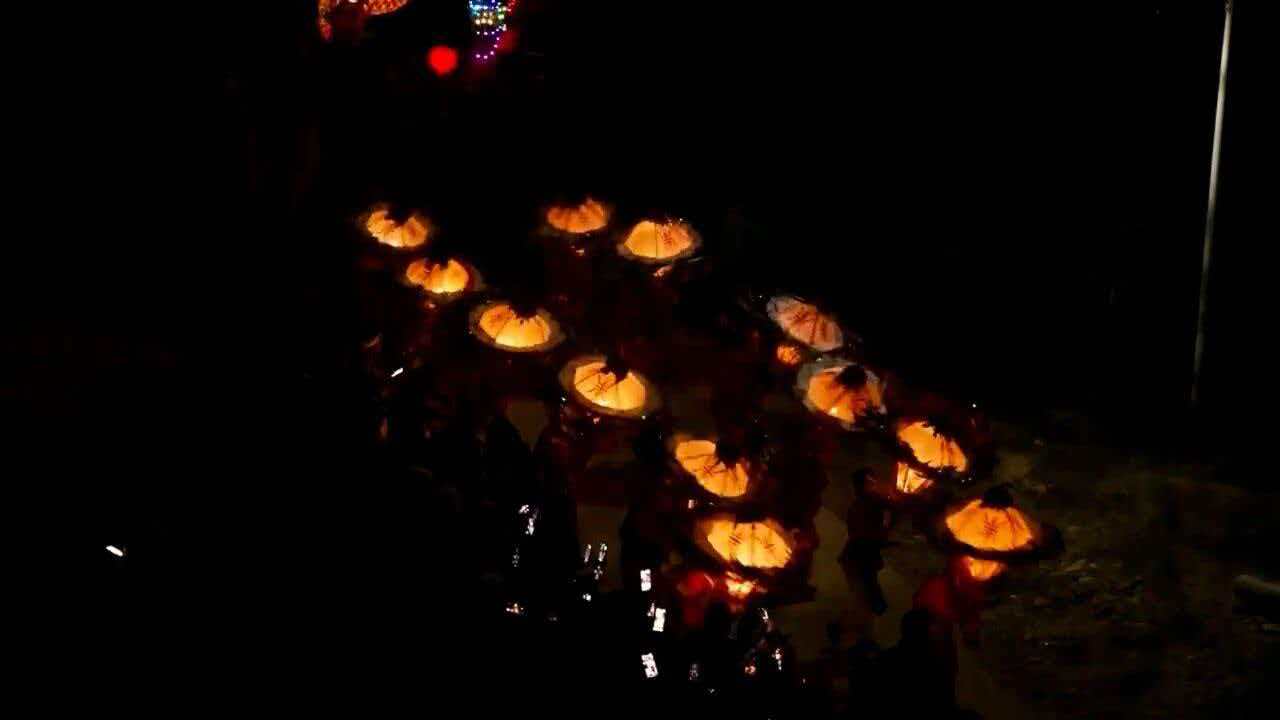
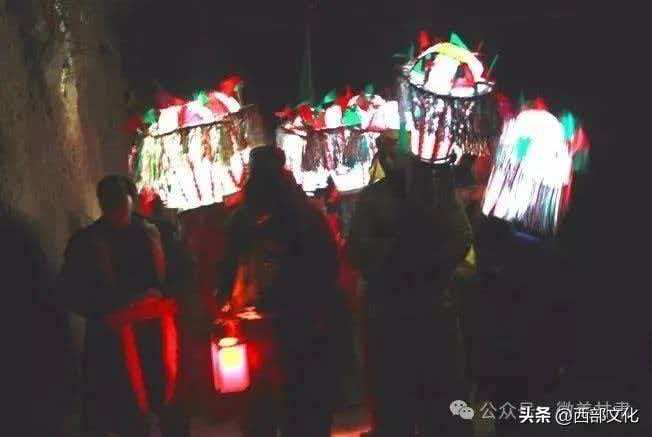
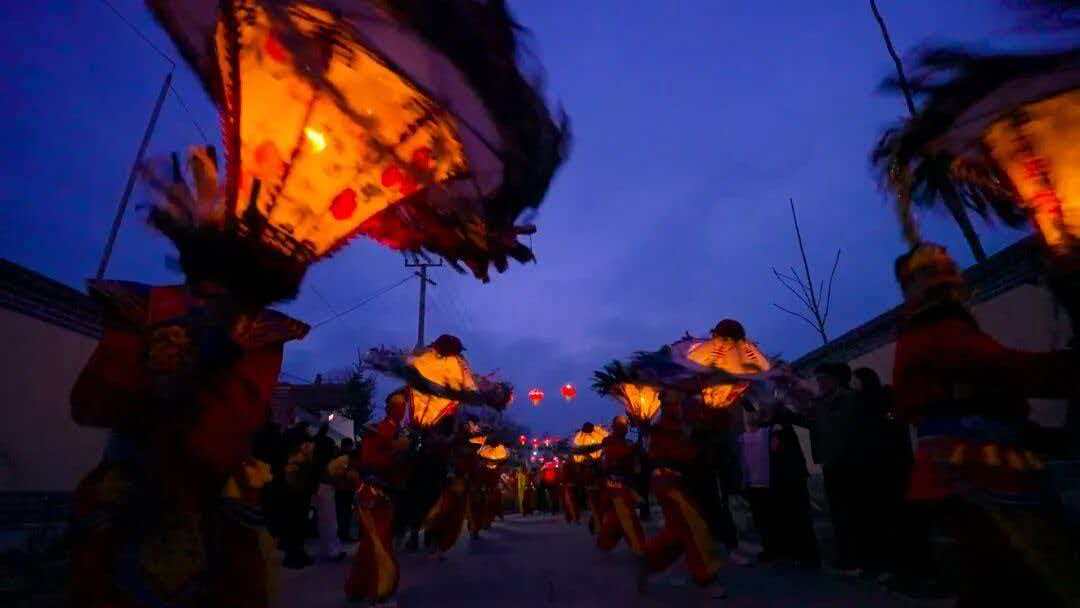
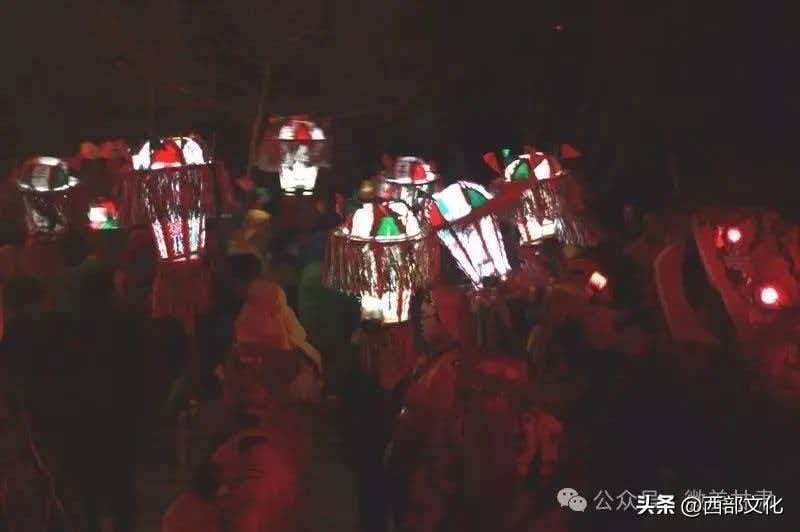
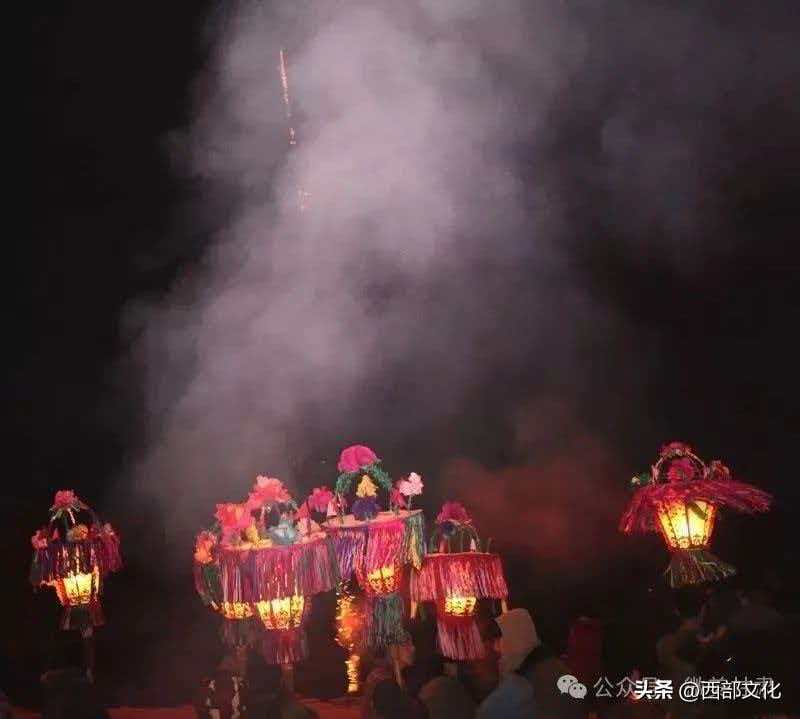
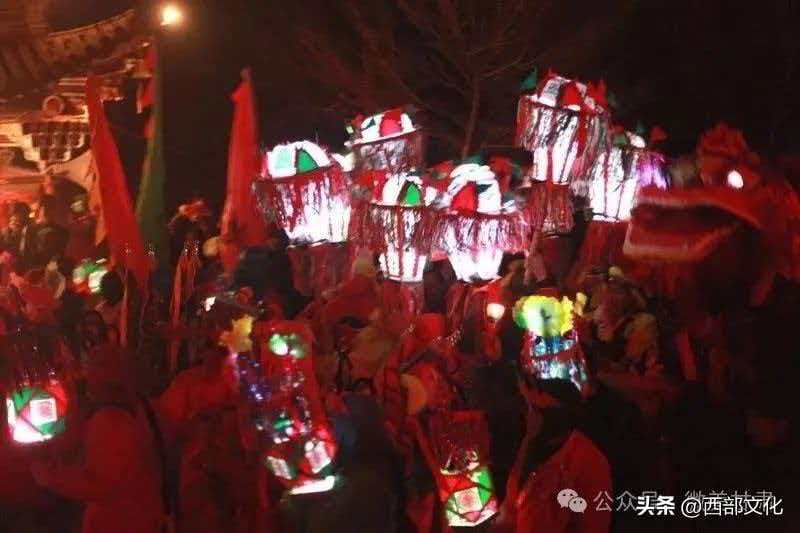
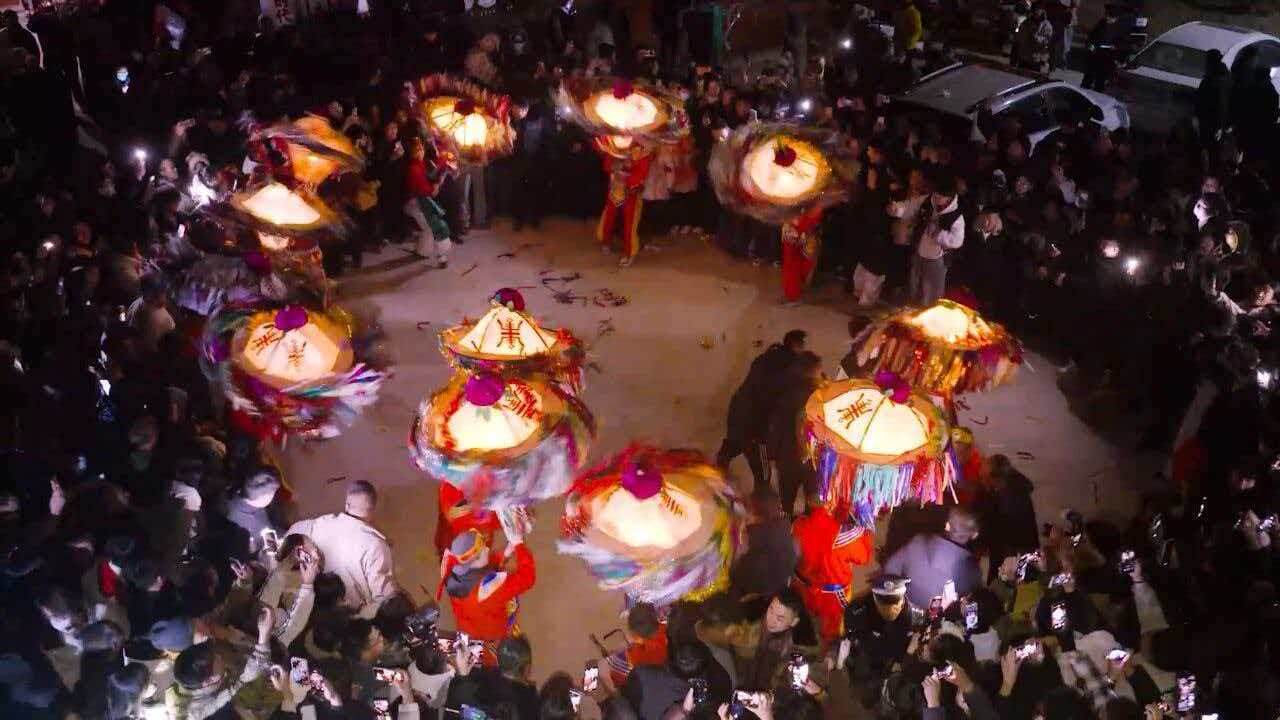
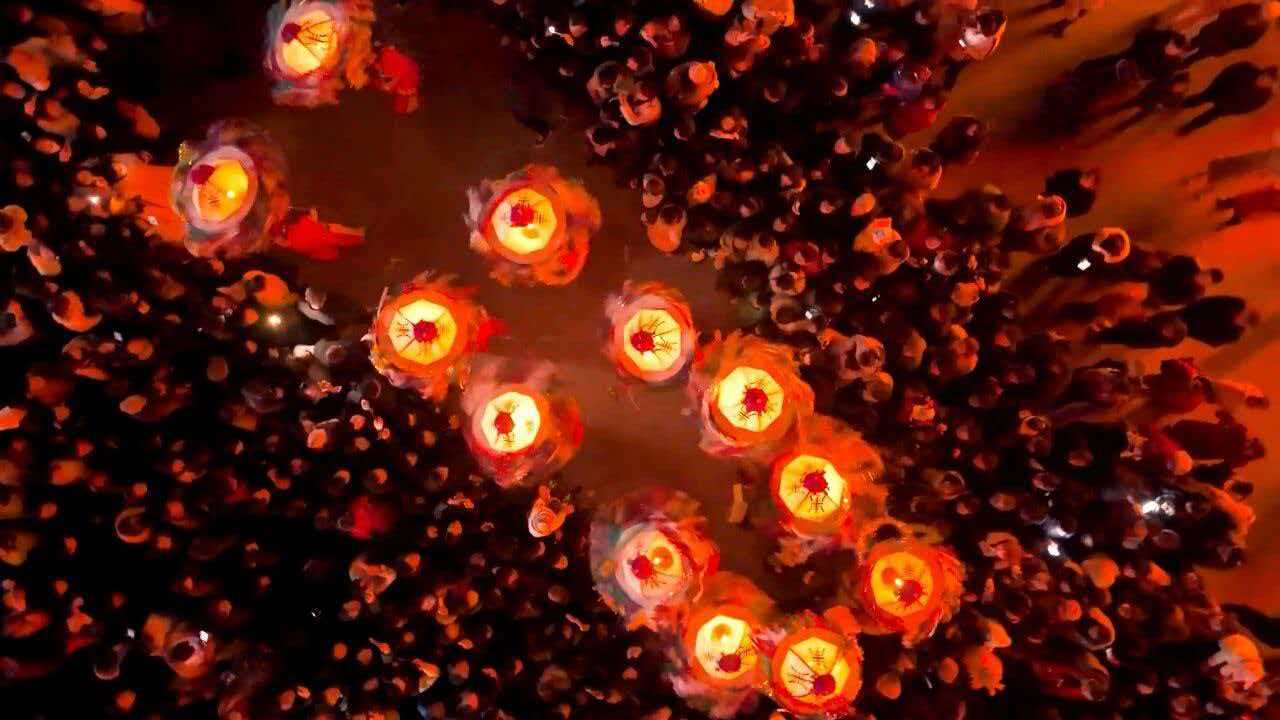
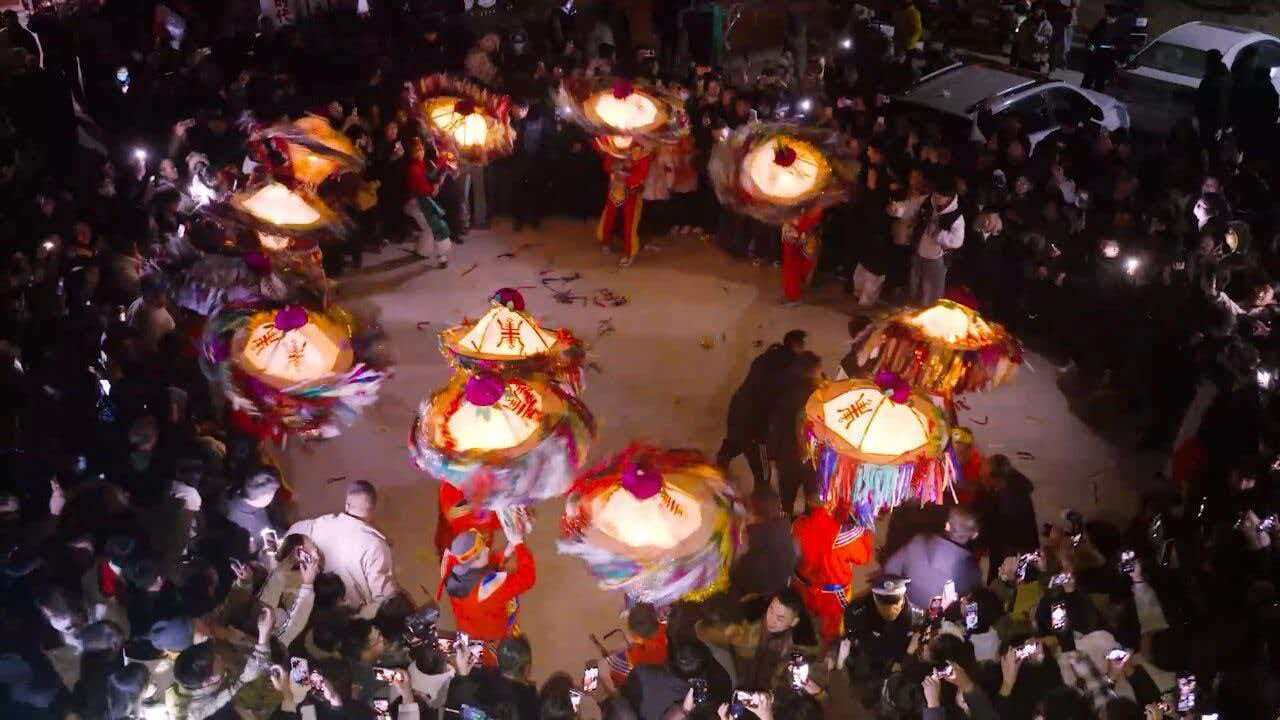
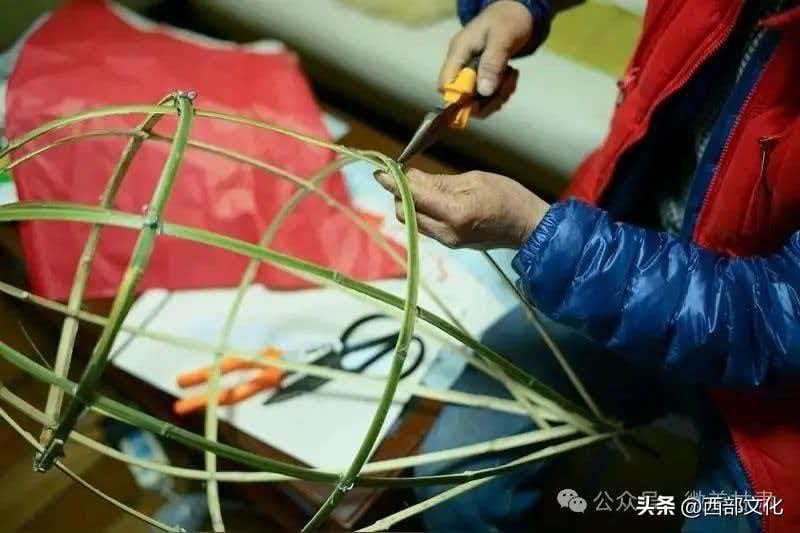
Over the long historical evolution of Gao Ye, Longxi has developed a unique system of performances. Each lantern is handcrafted by traditional craftsmen: bamboo is selected, sawn into rods, the frame is assembled, papered, patterns are painted, and candles are placed—more than ten meticulous steps. Lucky patterns are depicted on the lantern body, and a candle made of ram fat burns inside, making each lantern unique, imbued with the artisan's wishes. During the performance, movements are precisely timed to the rhythm of the drums. Participants, dressed in festive attire, hold the lanterns and move confidently, often in a cross-shaped formation, with a majestic, ritualistic quality. The drumming is powerful and loud. The lanterns move with the people, and the people move with the music, creating a majestic, impressive spectacle. In Longxi, the "Gao Ye" of Shouyang and the "Gao Ye" of Wanyamo, Longxi, are particularly renowned. The "Gao Ye" of Wanyamo is renowned for its fine craftsmanship, precise organization, majesty, and purity of cultural heritage, and is recognized as the benchmark for Longxi "Gao Ye" and an outstanding example of this ancient art. III. The Cultural Value of Gao Ye: The Modern Significance of the Silk Road Treasure As an ancient folk art of the Shehu festival, Longxi's "Gao Ye" possesses multifaceted cultural value. It preserves historical memory, expresses contemporary energy, and is a vibrant expression of regional culture and an emotional connection to the sense of unity of the Chinese nation. Historical value. "Gao Ye" is a living legacy of Silk Road culture. It bears witness to Longxi's trading history as the "homeland of medicinal plants," capturing scenes of the medicine trade and urban life. These lights, like the flames of the Silk Road caravan civilization, still shine in the night of the Yellow Plateau. The evolution of the name "Gao Ye" itself reflects folk linguistics and cultural exchange, demonstrating the confluence of different cultures along the Silk Road.
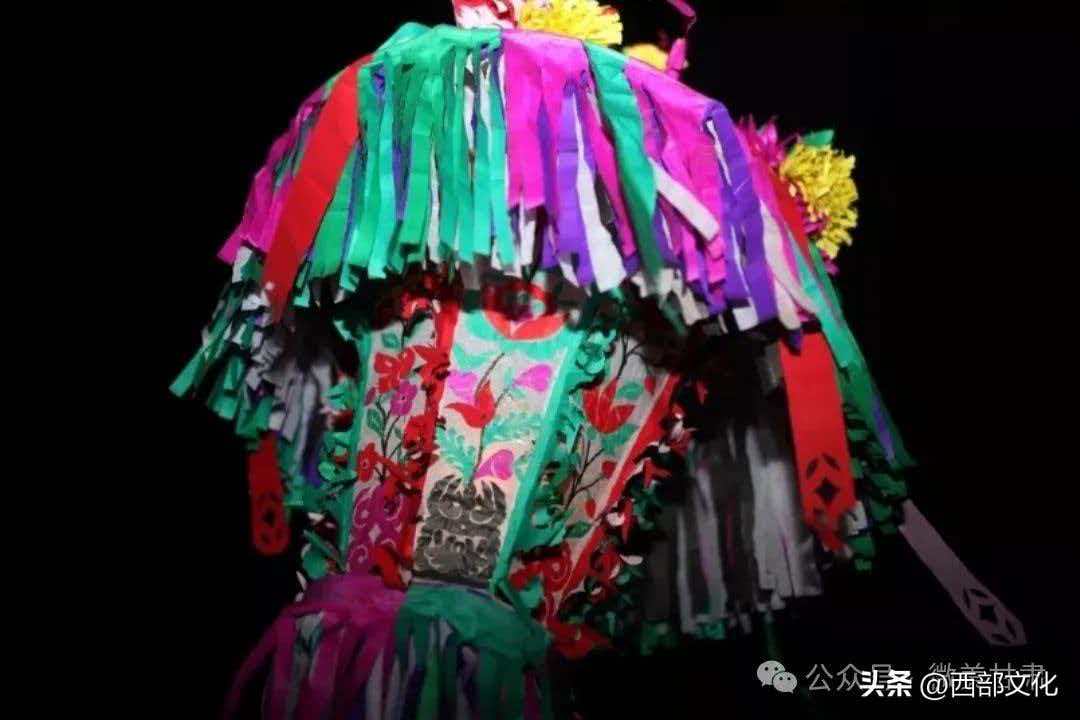
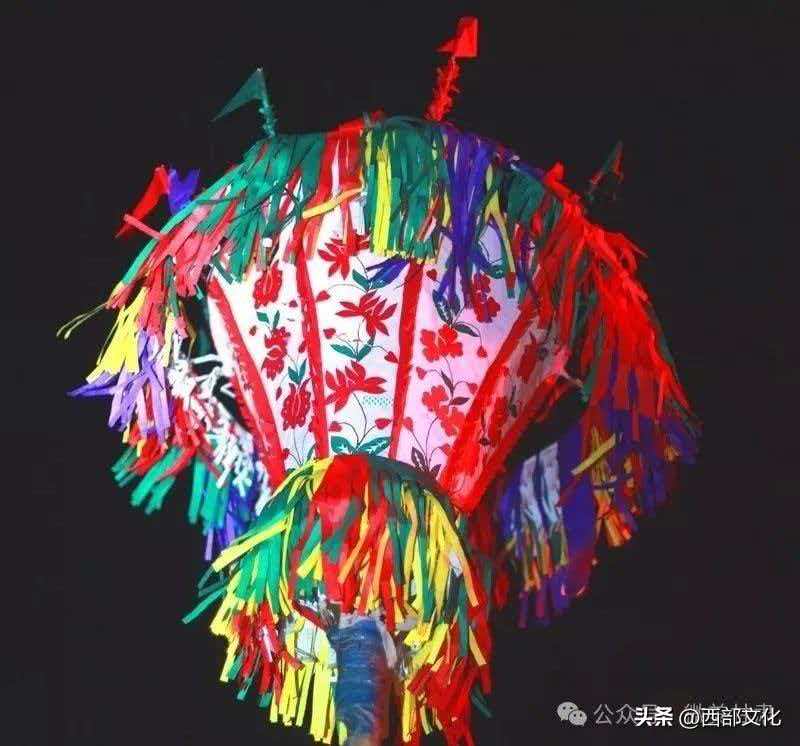
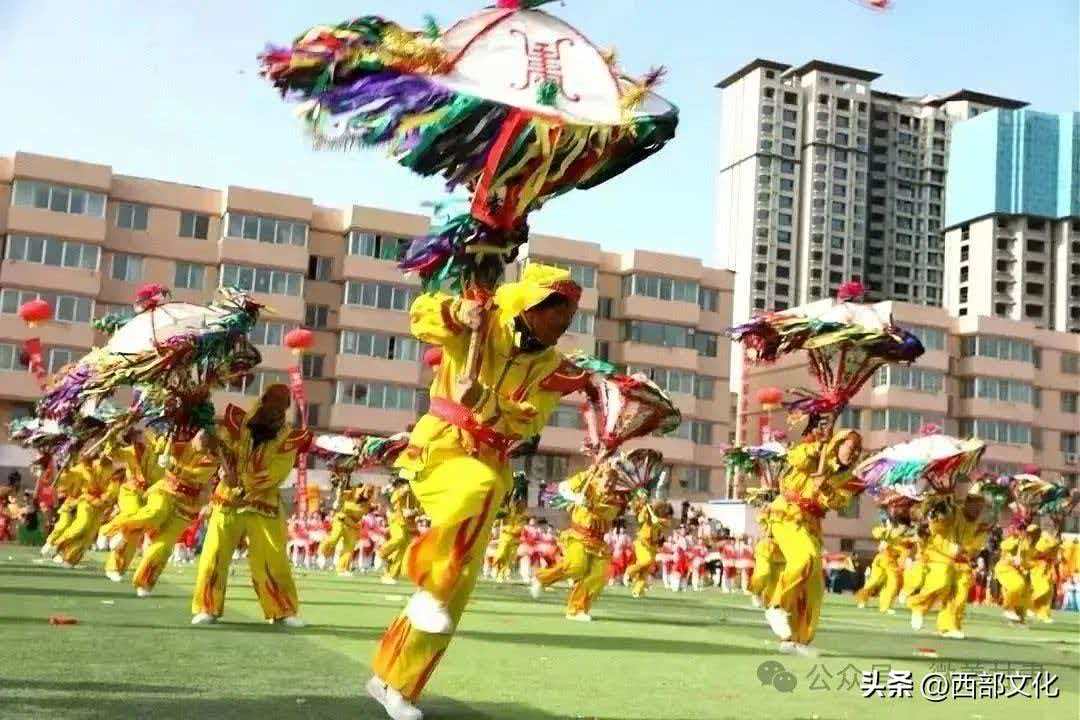
Artistic value. "Gao Ye" is a perfect blend of folk craft and performing arts. The lantern-making technique combines bamboo weaving, lining, and painting, each stage reflecting the wisdom and skill of the traditional artisans. The performance combines dance, music, and ritual; confident steps and powerful drums create a grandiose impression. This unique aesthetic style directly expresses the culture of Northwest China and possesses indispensable artistic value. Social value. "Gao Ye" is an important vehicle for community unity and cultural transmission. On festive nights, a lantern procession winds through the streets, bringing people together. It's not just a visual treat, but also an emotional bond and cultural identity. For members of the Li clan, the lanterns of "Gao Ye" are reminiscent of the lights of the "Dragon Palace," conveying the glory of their homeland. Contemporary Value. The online popularity of "Gao Ye" demonstrates the vitality of traditional culture in the modern world. This ancient folk art has recently gained widespread attention online, reviving interest in the ancient land of Longxi. It demonstrates that folk art rooted in regional culture can find new forms of expression and dissemination. "Gao Ye" from Wanyamo has been listed as an intangible cultural heritage, signifying the official protection and preservation of this ancient art.
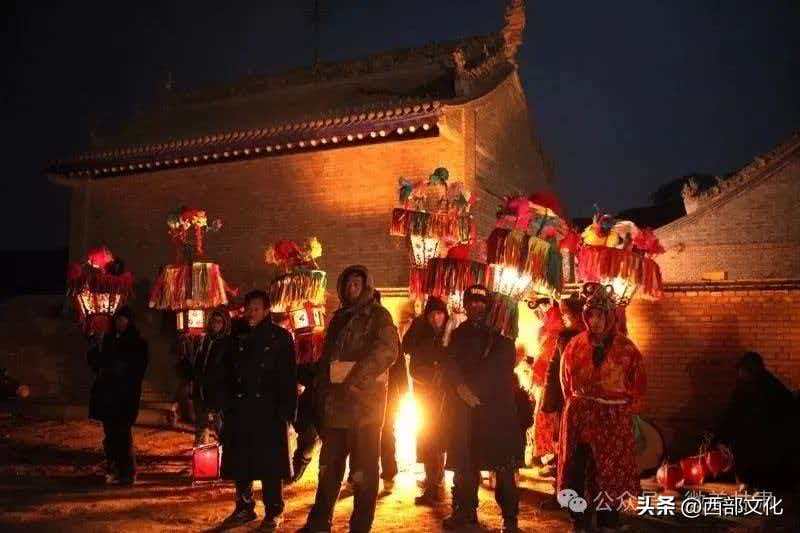
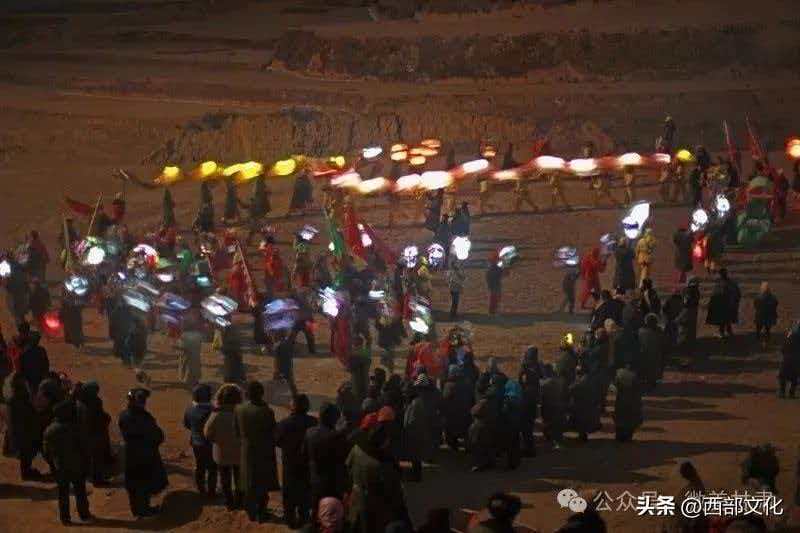
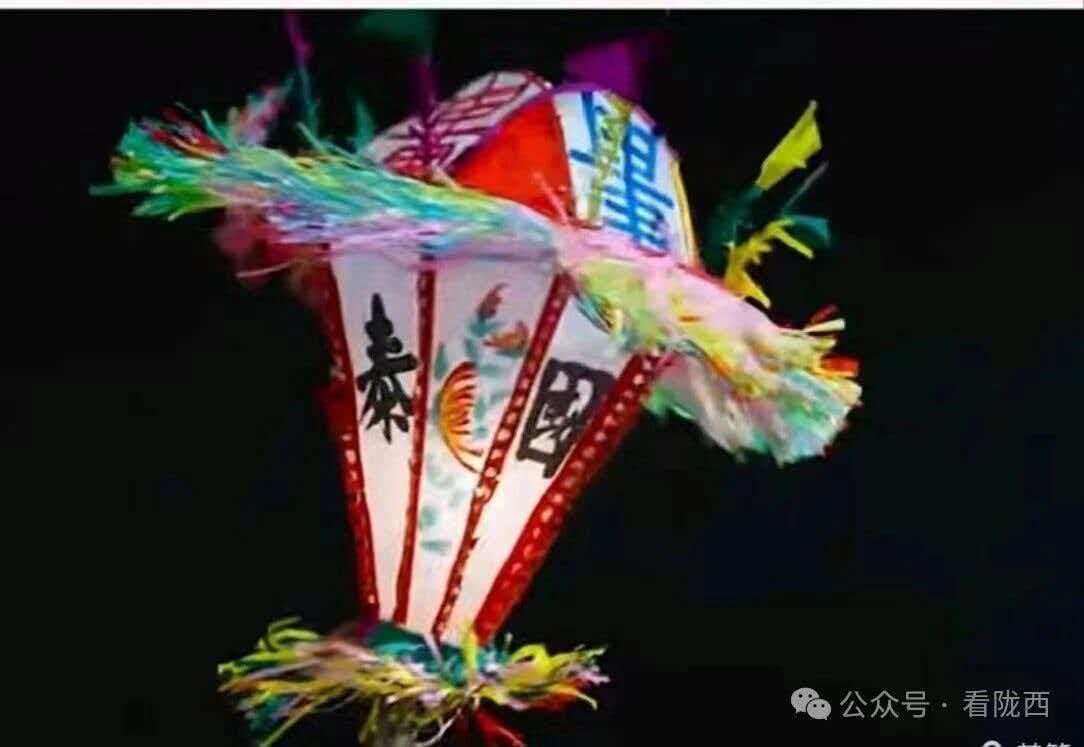
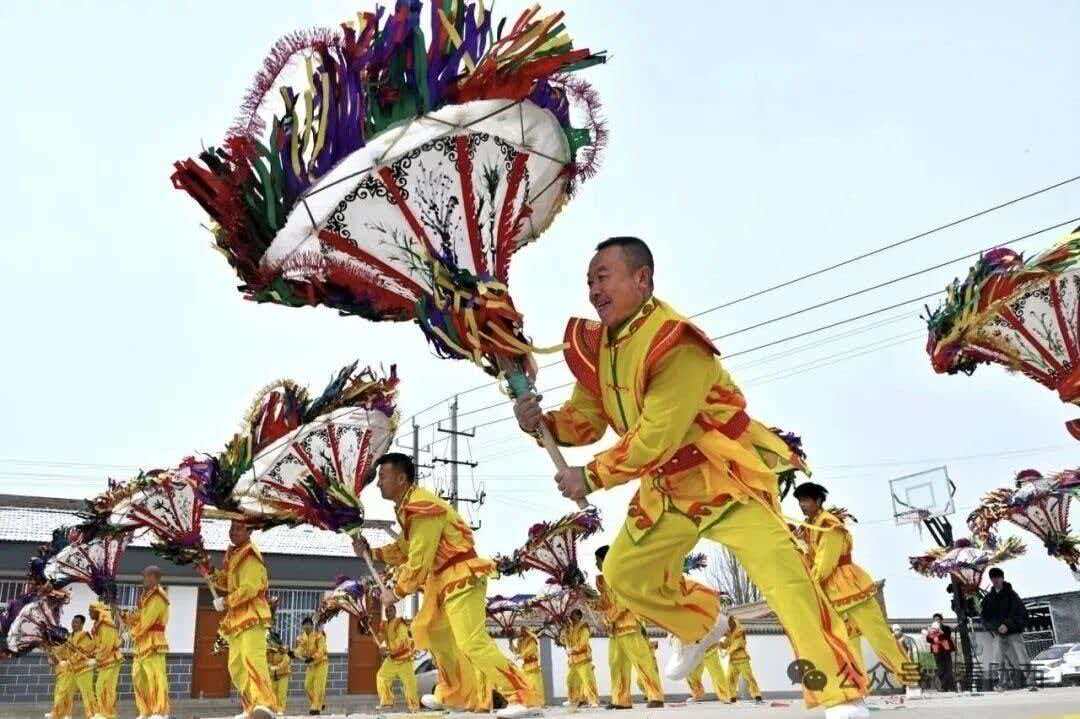
From the prehistoric civilizations of Yanshao and Jianjia to the glory of the Li clan in Longxi, and now to the popular folk festival of Gao Ye, Longxi, an ancient prefecture and birthplace of medicinal plants along the Silk Road, has never been silent in the flow of history. As night falls, the lights of Gao Ye light up the sky of the Yellow Plateau. Their flickering reflects the cultural confidence of the nation, the regional love for its native land, and the unquenchable light of civilization along the ancient Silk Road. When you visit Longxi, you can touch history in the vaulted roofs of the Dragon Palace and sense the powerful, gentle cultural force emanating from the depths of this ancient land in the confident steps of the Gao Ye Festival participants during the Moon Festival. This is the enduring appeal of this treasure of the Silk Road—the Longxi Gao Ye Festival.
Ding Rong is a Doctor of Art History at the Moscow State Tchaikovsky Conservatory.