Translated with AI

























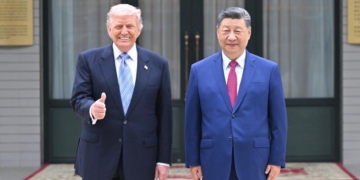








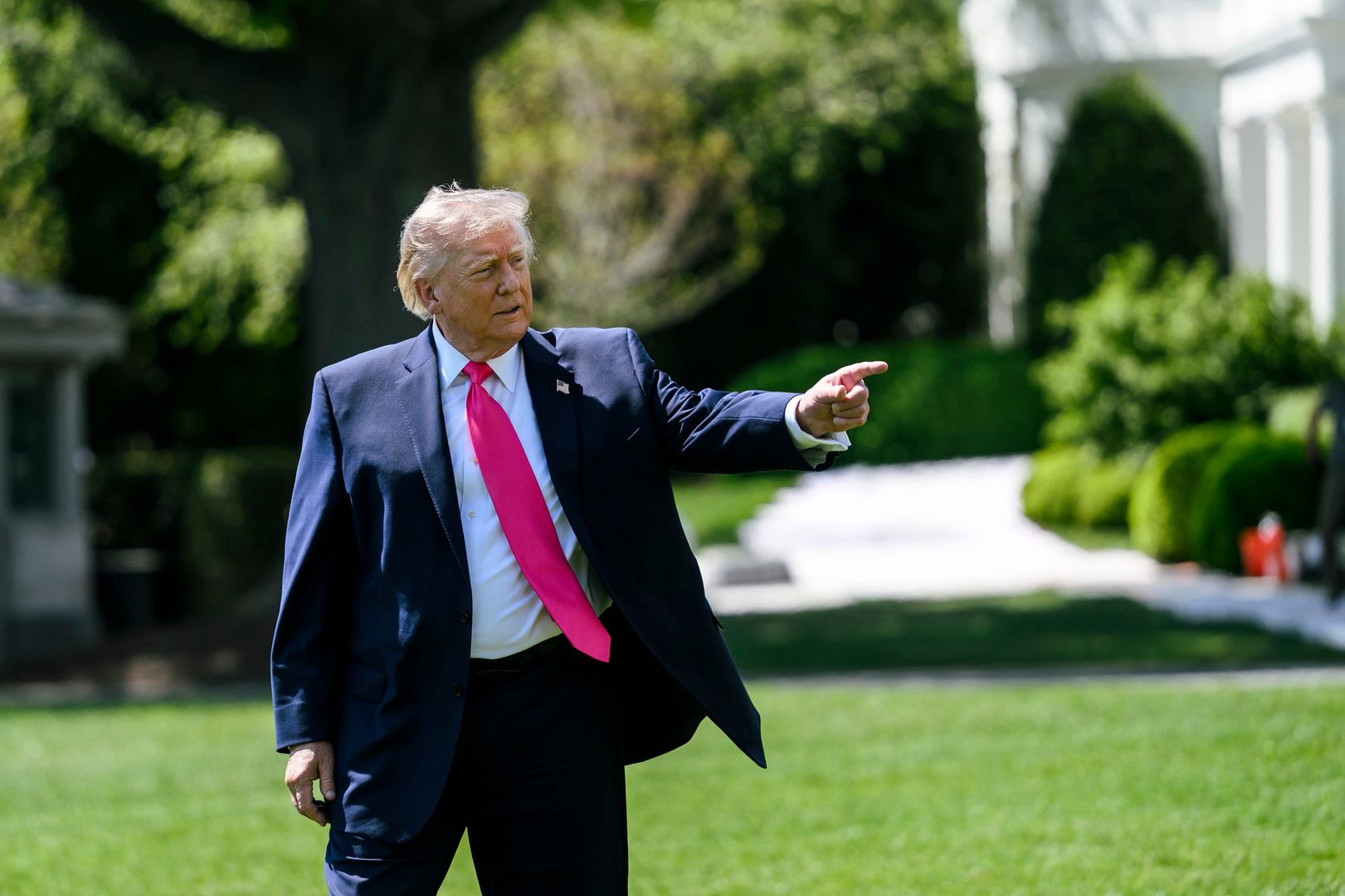
US President Donald Trump announced an extension of the ceasefire with Iran, which was set to expire on April 22. He said the decision was made at the request of Pakistani authorities and will remain in effect until Tehran submits an agreed-upon proposal and negotiations are concluded.
The statement was made on Wednesday night. Trump noted that the reason for this move was, among other things, disagreements within the Iranian leadership, which he described as expected. He added that Pakistani Armed Forces Chief Asim Munir and Prime Minister Shahbaz Sharif had requested an extension of the ceasefire.
The White House chief emphasized that the United States is prepared to refrain from taking any action until the Iranian side develops a unified position. He also noted that the American military has been instructed to continue the blockade of the Strait of Hormuz and maintain full combat readiness.
Less than an hour earlier, Iran's state-run Tasnim news agency reported that Tehran had withdrawn from the second round of talks with the US, scheduled for April 22 in Islamabad. Despite Supreme Leader Mojtaba Khamenei's permission to continue the talks, the Iranian side deemed them pointless.
According to Iranian sources, the decision was conveyed to the American side through intermediaries in Pakistan. Tehran stated that participating in the negotiations would be a waste of time, as the US is making excessive demands and obstructing a possible agreement.
It was previously reported that the visit to Islamabad by US Vice President James David Vance, who led the American delegation at the first round of talks, had been postponed indefinitely. This information was confirmed by the White House.
The first round of direct talks between the US and Iran took place on April 11 in the Pakistani capital. The American delegation included, among others, Special Presidential Envoy Steven Witkoff and Jared Kushner. The Iranian side was represented by Parliament Speaker Mohammad Bagher Ghalibaf and Foreign Minister Abbas Araghchi.
The talks ended without result. The very next day after the meeting, Trump announced the blockade of the Strait of Hormuz, after which Iran accused the US of violating the previously reached ceasefire.