Translated with AI

































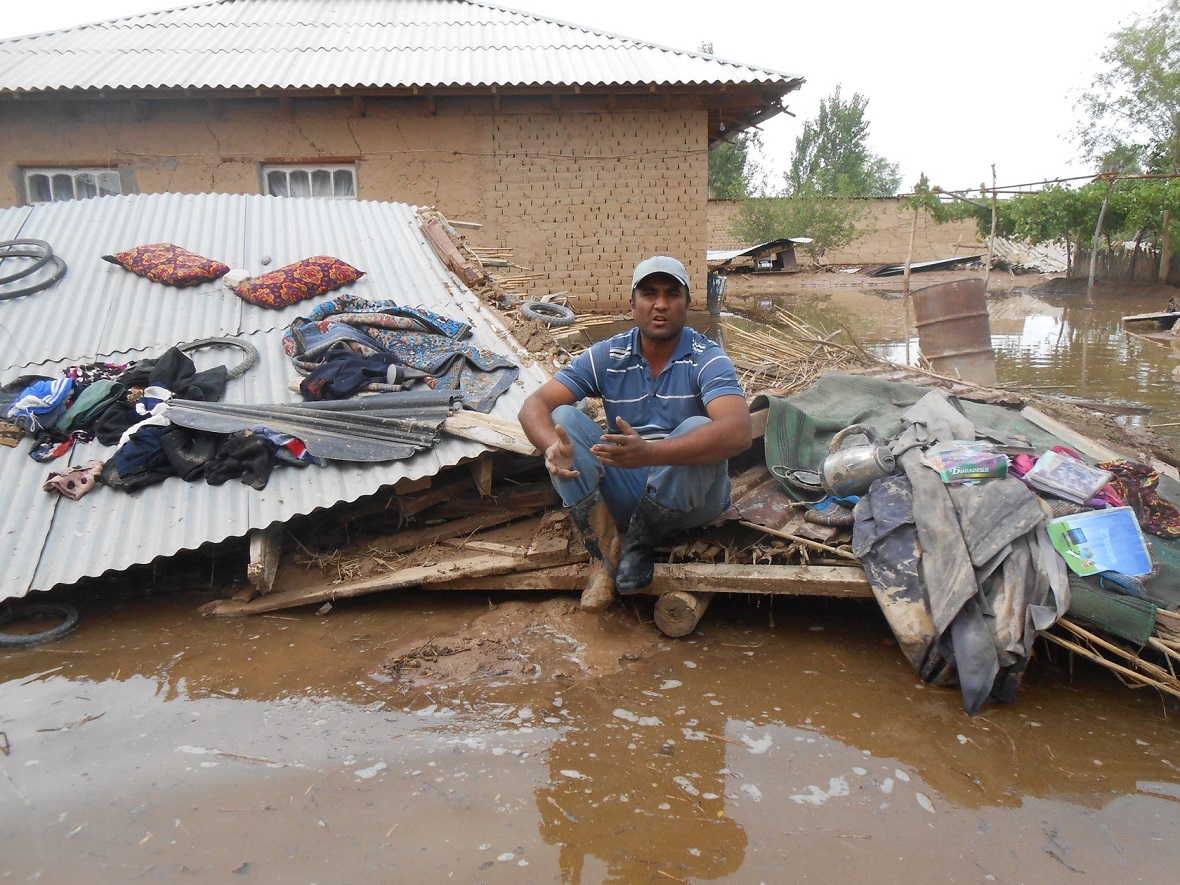
In 2024–2025, 328 households were relocated from high-risk areas in Tajikistan. Specifically, 154 households were relocated in 2024 and 174 in 2025. This was reported to an AMIT "Khovar" correspondent by Jamshed Kamolzoda, Head of the Main Department for the Protection of Population and Territories of the Committee for Emergency Situations and Civil Defense under the Government of the Republic of Tajikistan.
According to a decree of the Government of the Republic of Tajikistan, the "Medium-Term Plan for the Organized Resettlement of Environmental Migrants for 2024–2026" was approved. According to this plan, a list of households subject to resettlement is determined annually. This plan envisages the annual resettlement of 175 households between 2024 and 2026.
According to Jamshed Kamolzoda, based on analytical results and a study of the geological and engineering conditions of vulnerable areas, the Committee for Emergency Situations and Civil Defense annually develops a set of measures to prevent and reduce the risk of natural disasters and implements them in collaboration with relevant ministries and agencies. One of the key areas of this work is the organized relocation of residents from hazardous areas to safer locations.
"For this purpose, special working groups have been created within the committee. They include specialists in engineering, geology, construction, and emergency management. They travel to hazardous areas and comprehensively examine the condition of residential buildings. Based on technical and scientific findings, as well as an assessment of the level of risk to the population, specific recommendations are developed for relocating residents from hazardous zones to safer areas," noted Jamshed Kamolzoda.
He also reported that the country is implementing the "National Strategy of the Republic of Tajikistan for Disaster Risk Reduction for 2019–2034." The goal of this strategy is to reduce material and human damage, strengthen preventive measures, and improve public preparedness for emergencies.
According to the analyses presented in this document, mudflows, earthquakes, and avalanches are the most common natural disasters recorded in the Republic of Tajikistan. These disasters cause the greatest material and human damage to the country's economy and population safety. Earthquakes are considered the most dangerous in terms of damage scale.
Given that 93 percent of the republic's territory is mountainous, such emergencies are primarily observed in mountainous regions—the Gorno-Badakhshan Autonomous Region, areas of the Rasht zone, the Zeravshan Valley, as well as in the cities and districts of the mountainous part of the Sughd region.
Jamshed Kamolzoda reported that 287 emergencies were registered in Tajikistan in 2025, 12 of which were classified as natural disasters. The total damage incurred during this period exceeded 20 million somoni.
To prevent the consequences of natural disasters, particularly mudflows and floods, the Government of the Republic of Tajikistan allocated over 28 million somoni in 2025 for coastal protection and other preventative measures. These funds were used to purchase fuel, lubricants, construction materials, and other necessary supplies, which were delivered to more than 20 vulnerable cities and districts across the country using the Committee's trucks.
In addition, in cooperation with the Agency for Land Reclamation and Irrigation under the Government of the Republic of Tajikistan and local executive authorities of cities and districts, coastal protection and protective works were carried out, and outreach work among the population was strengthened.
Jamshed Kamolzoda, Head of the Main Department for Population and Territory Protection of the Committee for Emergency Situations and Civil Defense under the Government of the Republic of Tajikistan, noted that the main goal of coastal protection works is to reduce the risk of mudflows and floods, protect residential buildings, agricultural land, and important social and infrastructure facilities. Experience from previous years shows that such measures are one of the most effective tools for preventing emergency situations and, in a number of regions, have significantly reduced the risk of recurring mudflows and floods.
Overall, the consistent implementation of engineering and coastal protection measures and the relocation of the population to safe areas not only reduces potential financial losses but also contributes to ensuring public safety, sustainable development of territories, and increased public confidence in government disaster protection policies.