Translated with AI
































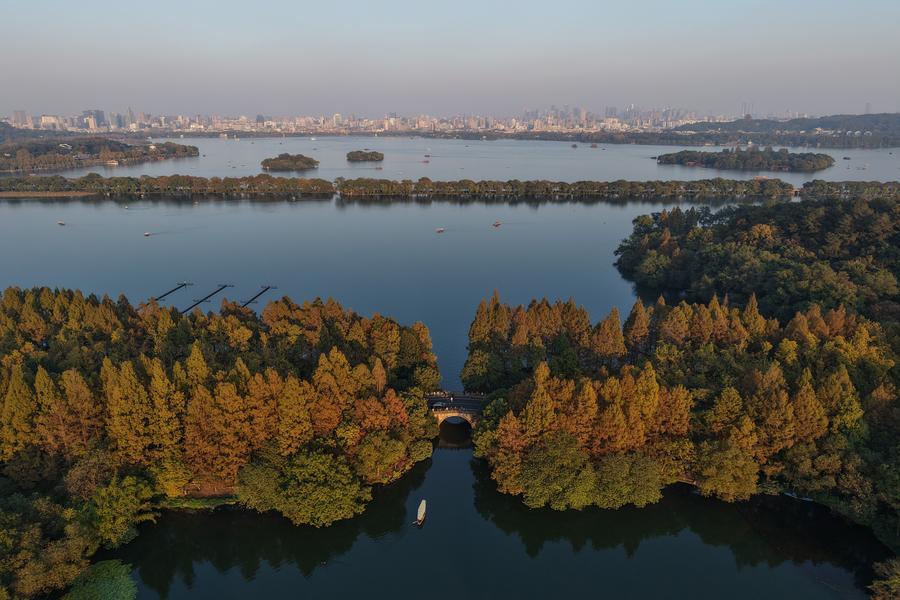
Hangzhou, the capital of Zhejiang Province in eastern China, has been selected as one of the "20 Zero Waste Cities" by the Zero Waste Advisory Council, established at the initiative of the UN Secretary-General. This was announced by the Hangzhou Municipal Bureau of Ecology and Environment.
As noted in a letter from the advisory board received by the Chinese city authorities, Hangzhou's experience stands out due to its unwavering commitment to reducing waste to zero and its contribution to promoting inclusive, sustainable, and innovative waste management solutions.
The city's gross regional product exceeds 2 trillion yuan (approximately 284.91 billion US dollars), and its population exceeds 12.6 million. Under these circumstances, Hangzhou effectively implements comprehensive solid waste management and its subsequent use as resources.
From 2021 to 2024, the volume of household waste in Hangzhou continued to decline, with the average daily waste amount per capita decreasing from 1.06 to 0.99 kg.
The city's achievements were made possible by the deep integration of digital intelligence into the entire waste sorting and resource recycling chain. Hangzhou's digital and intelligent household waste management platform connects 7,361 waste collection points, 1,780 garbage trucks, 9 waste incineration plants, and 11 food waste recycling facilities across the city in real time.
The letter also notes that Hangzhou's example will be officially presented at the UN on March 30 to mark International Zero Waste Day, as well as during official events in Nairobi and New York dedicated to the day.