Translated with AI


































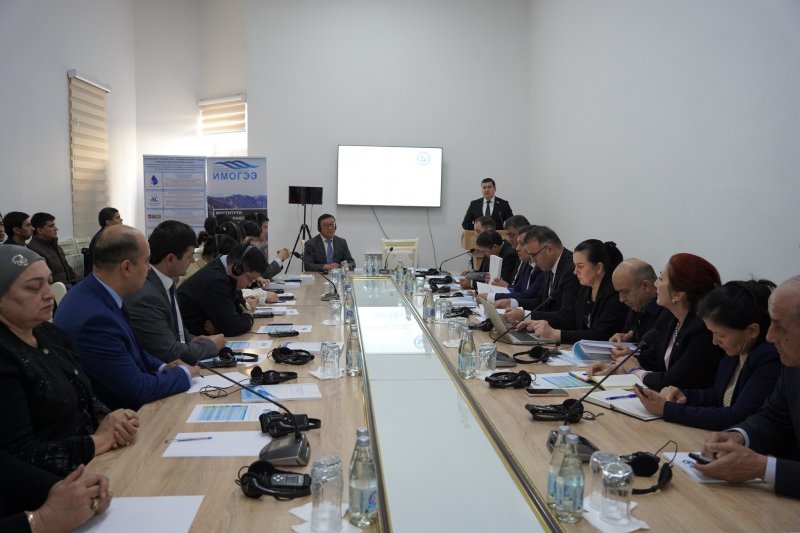
From November 10 to 14, 2025, the Regional Technical Workshop on Locust Control in the Caucasus and Central Asia (CCA) will be held in Tashkent, the CIS Executive Committee press service reported.
The event brings together delegations from ten countries to strengthen early warning systems, improve coordination, and share modern methods to minimize the risks of locust outbreaks.
The seminar is held within the framework of the FAO programme “Strengthening the Effectiveness of National and Regional Locust Management in CCA” with the support of the Japan International Cooperation Agency (JICA).
Delegations from Afghanistan, Kazakhstan, Kyrgyzstan, Tajikistan, Turkmenistan, Uzbekistan, Armenia, Azerbaijan, Georgia, and Russia are participating in the workshop. Each country will present the results of their 2025 locust control campaigns and discuss forecasts for 2026.
The main topics of the workshop include conducting cross-border surveys, preparing and publishing regional locust situation bulletins, sharing and analyzing data using geographic information systems, and improving coordination mechanisms between countries.
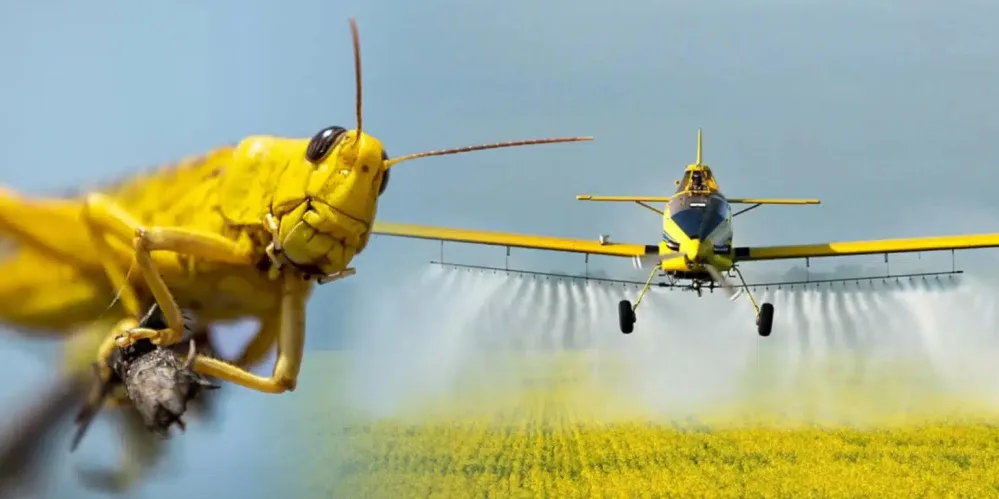
Countries are considering expanding the use of the biopesticide Metarhizium acridum, as well as using drones for monitoring and treatment. Measures to reduce the risks of chemical treatments to the environment and public health are also being discussed, including the implementation of updated exposure monitoring standards.
The meeting will discuss long-term emergency preparedness plans, the development of national surveillance and training systems (ASDC and CCALM), the approval of a regional program for 2026, and the establishment of a permanent locust coordination body in the CCA countries.
“Strong commitment from all stakeholders, including donors, is key to maintaining the progress achieved and ensuring sustainable locust management at national and regional levels,” says Shoki Al Dobai, FAO team leader for locust and transboundary plant pests and diseases.
Since its launch in 2011, the FAO programme in the Caucasus and Central Asia has supported countries in the region in preventing major locust outbreaks, protecting crops, and strengthening the resilience of rural communities. The workshop in Tashkent is another step in strengthening joint efforts and strengthening regional preparedness.