Translated with AI
















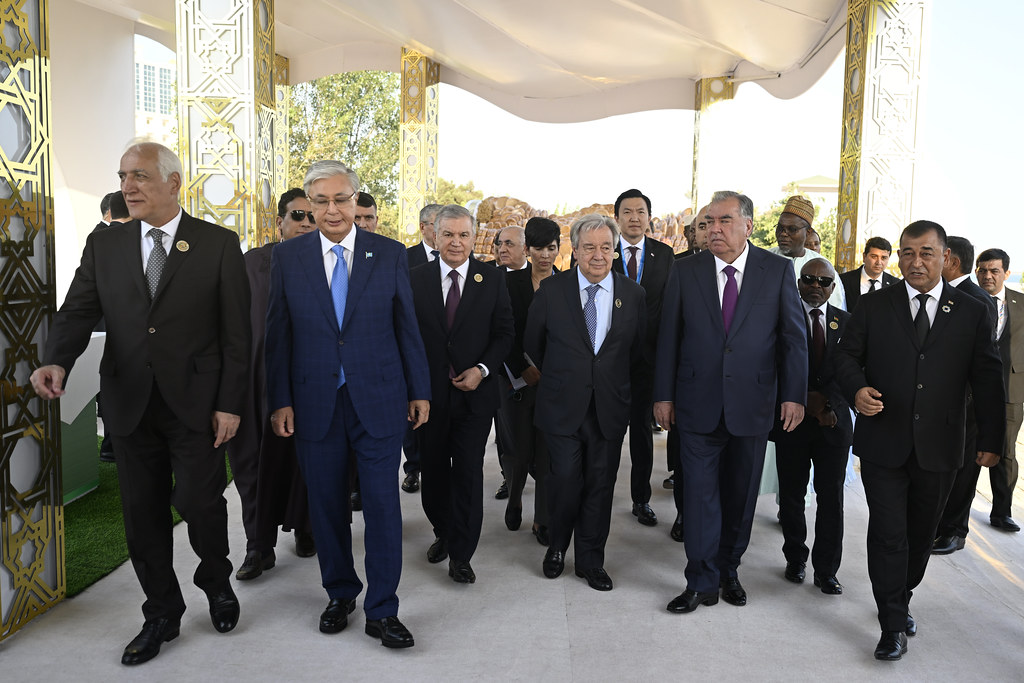
On August 5, President of the Republic of Tajikistan Emomali Rahmon and the heads of state participating in the Third United Nations Conference on Landlocked Developing Countries visited an exhibition of industrial and agricultural products, national dishes, and folk crafts from Central Asian countries and Azerbaijan in the city of Avaza, Turkmenistan, the press service of the head of state reported.
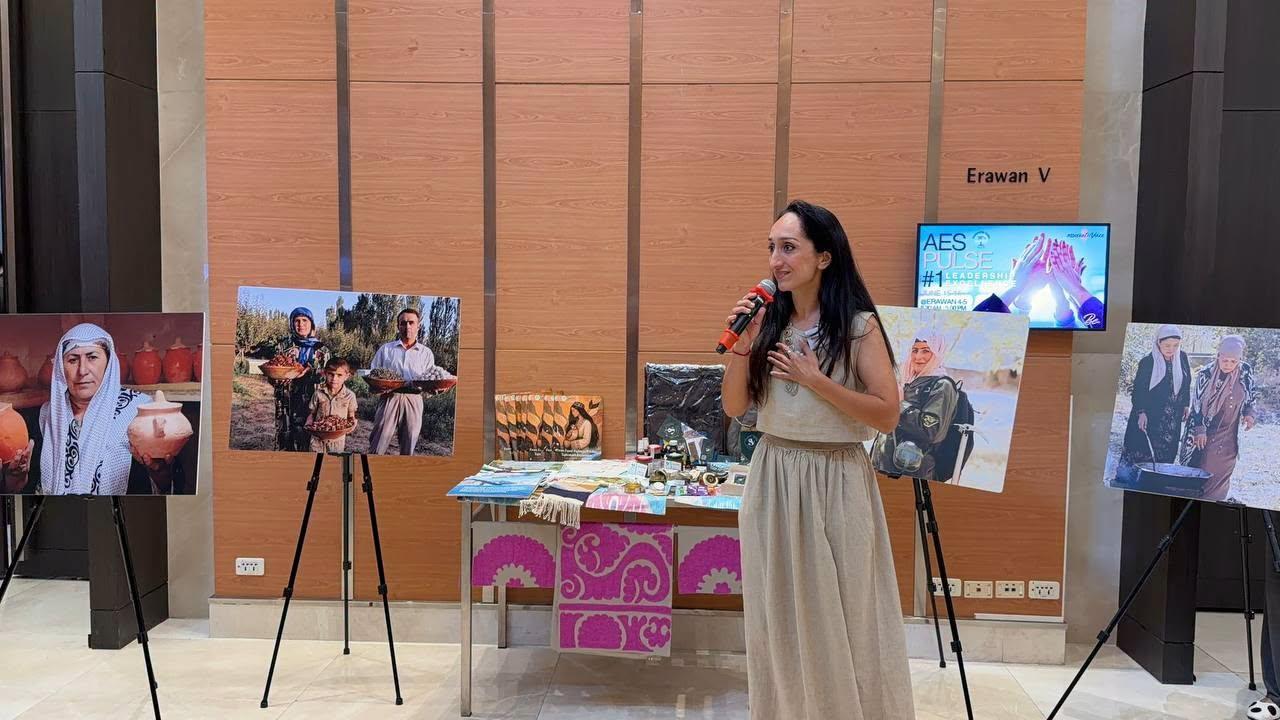
The exhibition featured a Tajik pavilion, which showcased a wide range of products from domestic industrial enterprises, national dishes, agricultural products, and folk crafts.
Heads of state and other guests expressed great interest in Tajikistan's exhibit, which was presented as part of an exhibition of national dishes and folk art from Central Asian countries and Azerbaijan.
The Tajikistan pavilion was organized at a high level.
It should be noted that the Tajik people have been renowned throughout history for their rituals, customs, and national cuisine, which have survived to this day and are represented on the international stage.
While reviewing the section on Tajik national dishes, the heads of state praised the chefs' skill and the produce grown by Tajik farmers.
The industrial pavilion featured garments, light industry products, jewelry, aluminum products, multicolored soft drinks, paints and varnishes, decorative stones, and much more.
It is especially noteworthy that the Government of the Republic of Tajikistan has identified accelerated industrialization as the country's fourth strategic goal for the development of industry and the private sector. As a result, hundreds of manufacturing enterprises have been established by domestic entrepreneurs in a short period of time, attracting domestic and foreign capital.
Today, Tajikistan's manufacturing companies, thanks to the quality of their products, are becoming competitive in regional and global markets and are gaining increasing popularity. At the exhibition, along with other countries, Tajik companies were able to showcase products that meet market requirements and international standards.
During the presentation of the Tajik exhibit, the heads of state of Central Asia and Azerbaijan highly praised the potential and opportunities for industrial development in Tajikistan.
After visiting the exhibition, the heads of state took part in a cultural program organized by artists from Central Asian countries and Azerbaijan.
As part of this cultural event, Tajikistan was represented by an interesting concert program performed by renowned artists, singers, musicians, and dancers from the country's national ensembles.