Translated with AI









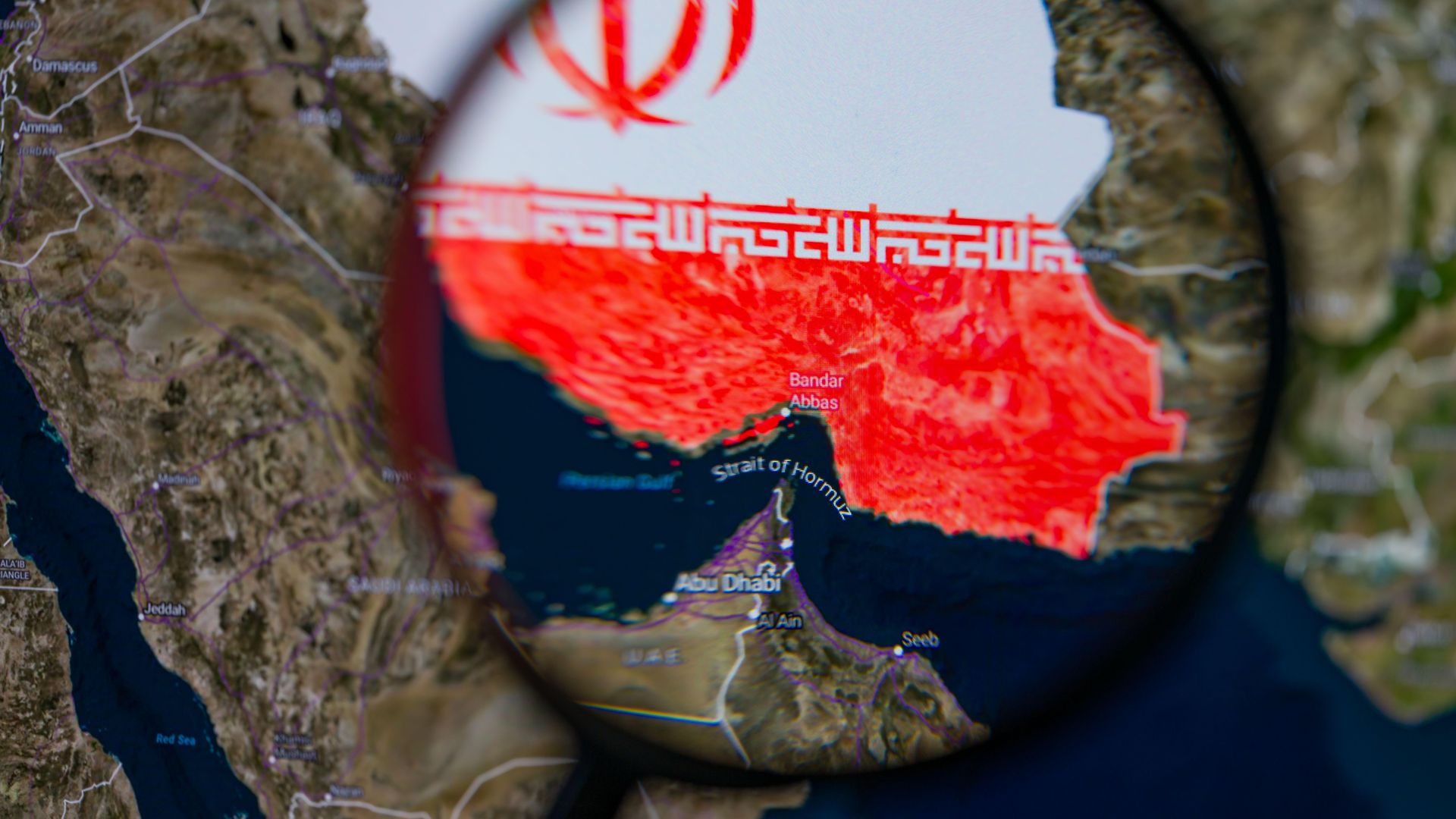

















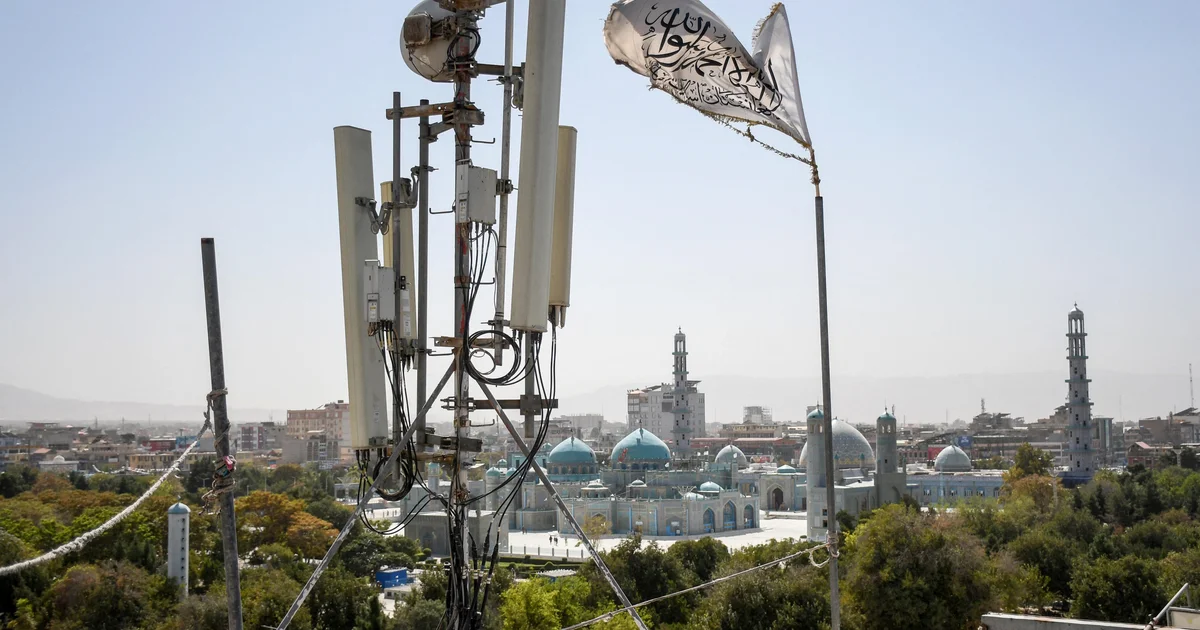
On September 29, internet access was cut off throughout Afghanistan, Fergana.ru reported, citing the international monitoring service NetBlocks.
"Afghanistan is currently experiencing a complete internet blackout as the Taliban moves to ramp up morale, with several networks being phased out throughout the morning; phone service is also currently disrupted," the statement said.
The lack of internet and telephone service throughout Afghanistan immediately impacted government and commercial operations, particularly banks, customs services, and television broadcasters. Tens of thousands of customers lost access to banking services, hundreds of passengers were delayed at airports, and many important transactions, from money transfers to customs clearance, were delayed.
Airlines temporarily suspended flights to Afghanistan: due to the lack of communication, crews were unable to receive landing and departure information. The websites and streaming platforms of major Afghan television channels, including TOLO, Shamshad, Lemar, and Tamadon, went down. Only Taliban-controlled channels such as RTA and Maarif remained on air. Journalists from international agencies, including AFP, confirmed the loss of contact with their colleagues inside the country.
Urban and rural residents are complaining en masse about the inability to contact relatives, pay for goods, receive medical care, and study and work remotely.
According to Afghanistan International, the internet was shut down on verbal orders from Taliban Supreme Leader Heibatullah Akhundzada. The Afghanistan Telecommunications Regulatory Agency (ATRA) ordered providers Roshan, Etisalat, Afghan Wireless, and Afghan Telecom to completely suspend broadband internet service throughout the country, including Kabul, until further notice.
Earlier, representatives of the Ministry of Economy, the Ministry of Finance, and the Central Bank opposed the decision to shut down the internet everywhere, noting that their institutions would be unable to function without internet access. However, according to sources, Akhundzada rejected their arguments and explained that the new procedure would be introduced gradually.
"During Mullah Omar's reign, there was no internet, but things were going well. So now, too, we need to find alternative methods," Akhundzada allegedly replied.