Translated with AI


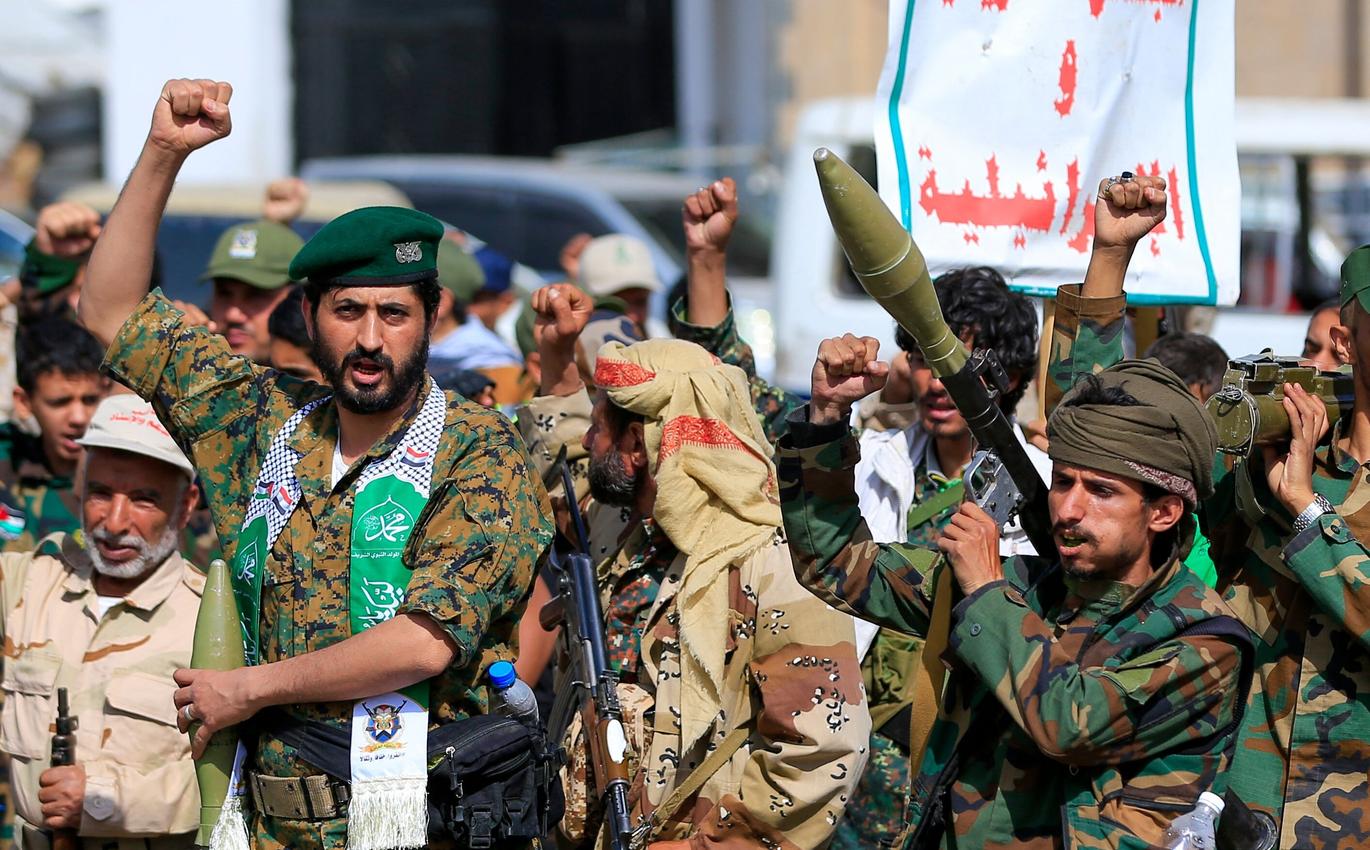





Officials from the Bryansk region and employees of the Russian Foreign Ministry are involved in recruiting people from the Middle East to fight in Ukraine, The Insider has found out . The heads of the region's municipalities are directly involved in finding and processing entry documents for Arabs from Syria, Yemen and Libya looking for "highly paid" work. Once at the front, future mercenaries often regret their choice, but there is little chance of returning home. Attempts by the authorities of one of the Syrian provinces to negotiate with the Russians about the return of several of their citizens have not yielded any results. And there is no compensation for the wounds and deaths of recruits.
From farmers to mercenaries
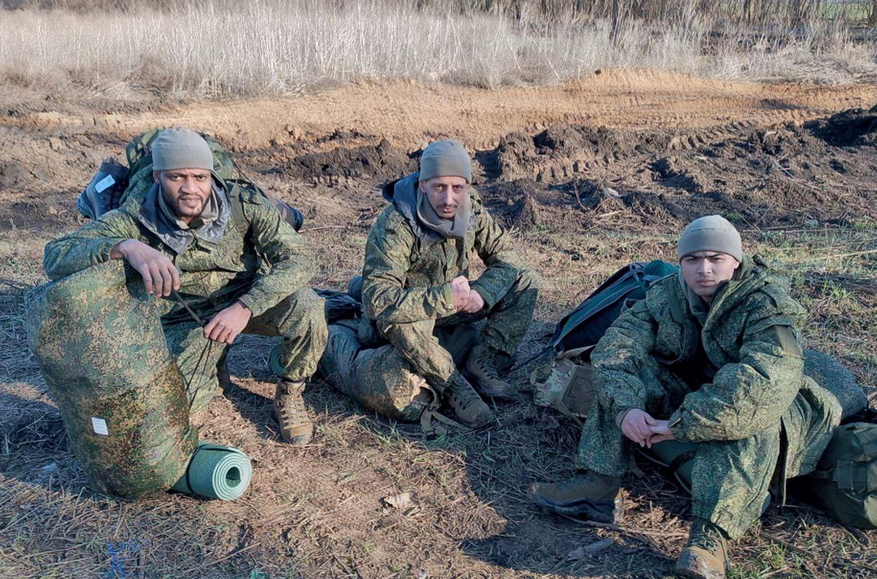
In his home country of Syria, Wahid Mursal Al-Shibli was a simple farmer. Like several of his fellow countrymen from the province of Suwayda, Wahid decided to respond to an ad promising good earnings in Russia and accelerated acquisition of Russian citizenship. After being invited to a closed chat, the Syrian sent documents for registration and soon received a visa "for a business trip" to one of the Russian regions.
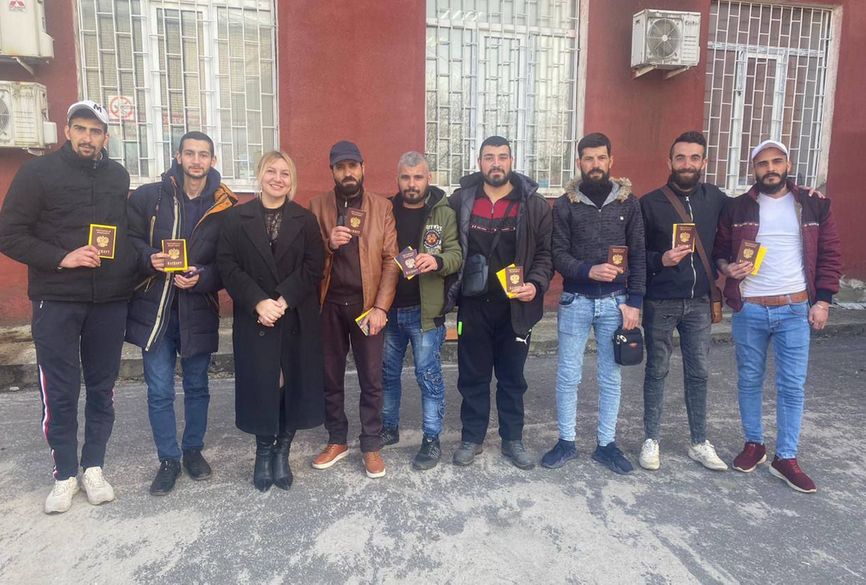
Wahid Mursalah Al-Shibli receiving Russian documents (third from right)
It was only in Russia that Vahid learned that he was being sent to the front in the Luhansk region. Although he agreed to fight, a few months later he recorded a heartbreaking voice message for his family in Syria about the horrors of the fighting and his desire to return home. This message caused a great stir in the local media. The authorities of the Suwayda province even tried to negotiate the return of the mercenary with the Russian embassy in Damascus, but to no avail. At least seven more residents of Suwayda, who ended up in the war with Vahid, expressed their desire to return home. In September 2024, Vahid died in the "meat assault". His family is not entitled to any compensation from the Russian authorities.
How the recruitment system works
The legalization of Arab mercenaries is a well-organized scheme, at the center of which, as The Insider found out, are the heads of administrations of border Russian regions, employees of migration services and the Russian Ministry of Foreign Affairs. Their task is to ensure a constant flow of fighters from countries such as Syria, Yemen, Lebanon and other states experiencing serious economic and political problems to wage war in Ukraine. The poor population is ready to seize any opportunity – the promise of good earnings and legalization in Russia looks attractive to them.
Future mercenaries communicate with recruiters through channels and chats in Telegram and WhatsApp. The largest recruitment channel is " Friend of Russia ". The key organizers of this and other similar platforms are included in the list of the Ukrainian project "Peacemaker". These are Russians Polina Azarnykh and Sergey Merzlyakov , as well as Syrian Abid Kalid Sharif Abid , who lives in Russia. Mercenaries are promised a Russian passport (in fact, it is issued after signing a contract with the Ministry of Defense) and a salary of at least two thousand euros.
Once contact is established, future mercenaries are asked to send scans of their passports and other documents. The lists of recruits are then passed on to Russian officials from border regions, who in turn must provide administrative cover for issuing visas and sending mercenaries to war.
Letters of guarantee from municipalities of the Bryansk region
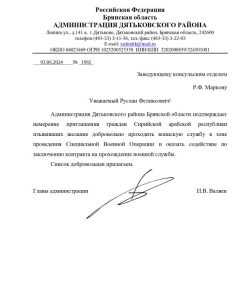
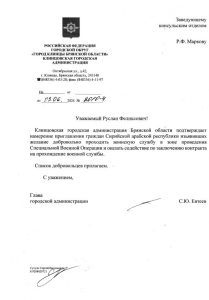
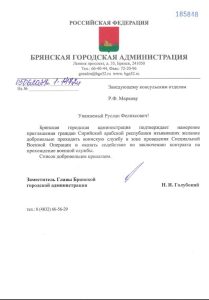
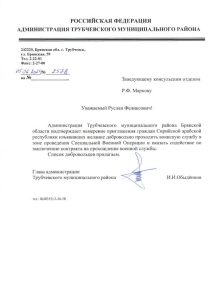
The Insider has obtained letters to the head of the consular department of the Russian Foreign Ministry, Ruslan Markov, signed by the heads of district administrations of the Bryansk region. The heads of districts confirm their intention to invite Syrians who "have expressed a desire to voluntarily serve in the SVO zone" and promise assistance in concluding a contract with the Ministry of Defense.
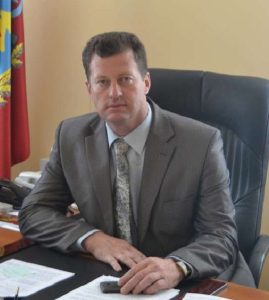
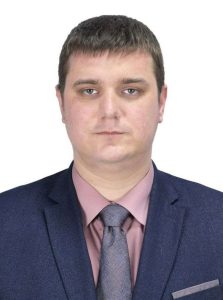
Similar letters were sent, in particular, by the head of the Zlynkovsky district Anatoly Poddubny, the head of the Dyatkovo district Pavel Valyaev, the head of the Trubchevsky district Igor Obydennov, the head of the Klimovsky district Alexander Isaev, the mayor of the city of Klintsy Sergey Evteev, the head of Novozybkovsk Alexander Grek and the deputy head of Bryansk, the commander of the local volunteer unit BARS Nikolai Golubokiy.
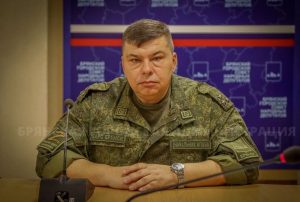
-
Deputy Head of Bryansk, Chief of Staff of the BARS detachment Nikolai Golubokiy

-
Mayor of the city of Klintsy, Bryansk region Sergey Evteev
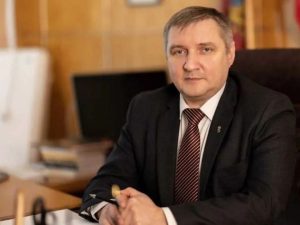
-
Mayor of Novozybkovsk, Bryansk region Alexander Grek
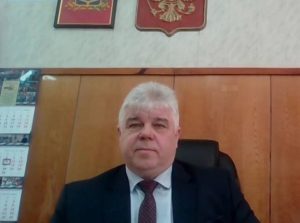
-
Head of Zlynkovsky district of Bryansk region Anatoly Poddubny
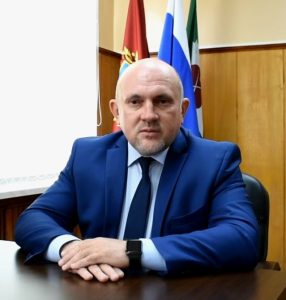
-
Head of Dyatkovo district of Bryansk region Pavel Valyaev
-
Head of Trubchevsky district of Bryansk region Igor Obydennov
-
Head of Klimovsky district of Bryansk region Alexander Isaev
Ruslan Markov is the scheme's coordinator on behalf of the Foreign Ministry. He needs letters from the heads of administrations to help legally issue invitations to mercenaries and give the green light to visas for a "business trip." In the past, Markov worked in the ministry's currency and finance department, and then in the department's affairs department. Markov's data, which The Insider has, may indicate a connection between the diplomat and the Russian Foreign Intelligence Service.
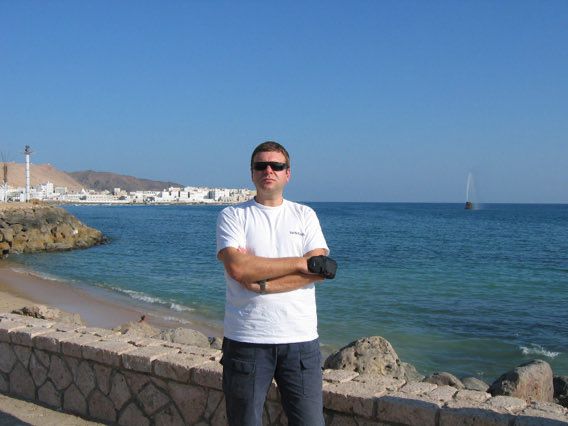
Ruslan Markov on the embankment of Mukkala, Yemen
However, formally, invitations are issued not by the Ministry of Foreign Affairs, but by departments of the Ministry of Internal Affairs. Markov probably only supervises the process. Most often, the body issuing invitations was the Department for Migration Issues of the Ministry of Internal Affairs of Russia for the Bryansk Region. The visa category and purpose of the trip are most often business.
Electronic invitations to Russia are forwarded from the Ministry of Internal Affairs address [email protected] to Bryansk officials, who in turn send the documents to recruiters, who in turn send them to recruits. Thus, the use of business visas appears to be a cover mechanism: migration services and local authorities jointly ensure the entry of foreigners, who then sign contracts with the Ministry of Defense.
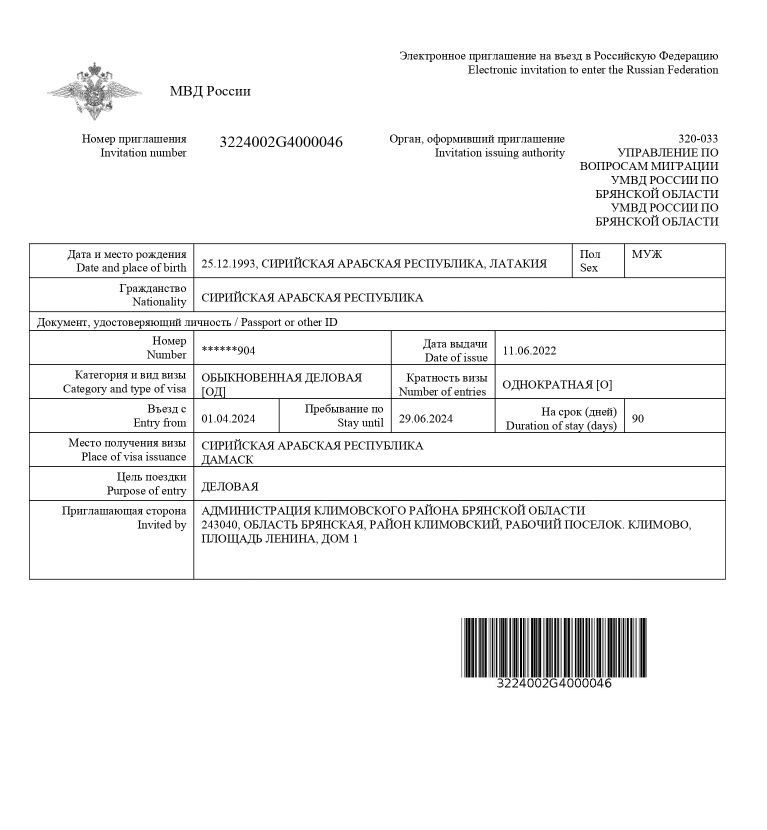
Invitation example
The Russian side is very reluctant to admit the use of foreign fighters on the front, but the evidence shows that the entire recruitment system is a well-established mechanism within the state apparatus.