Translated with AI




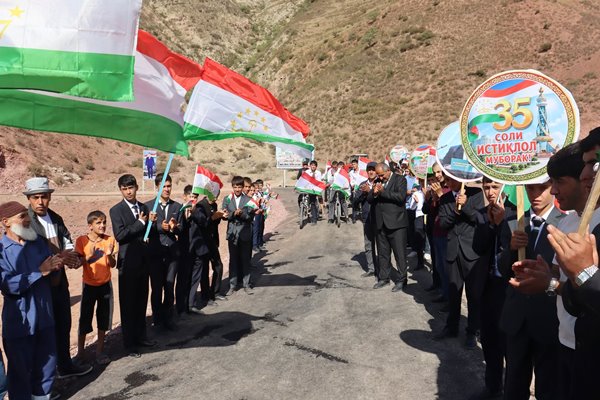



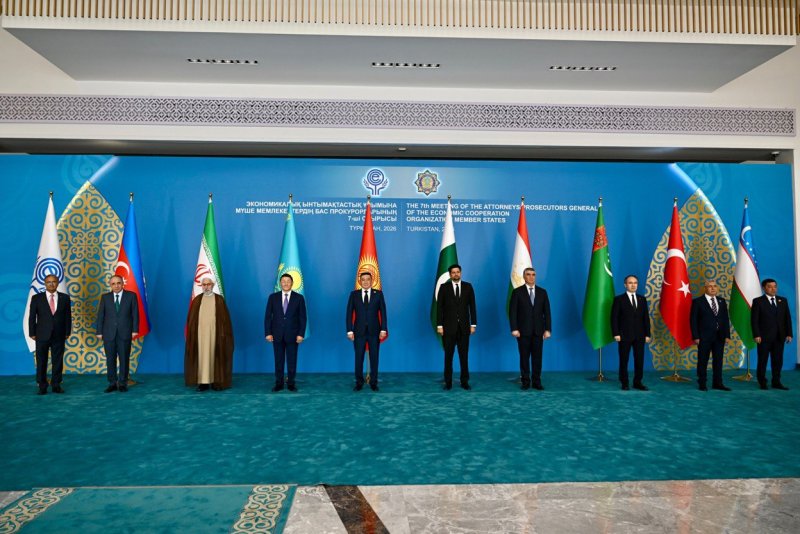










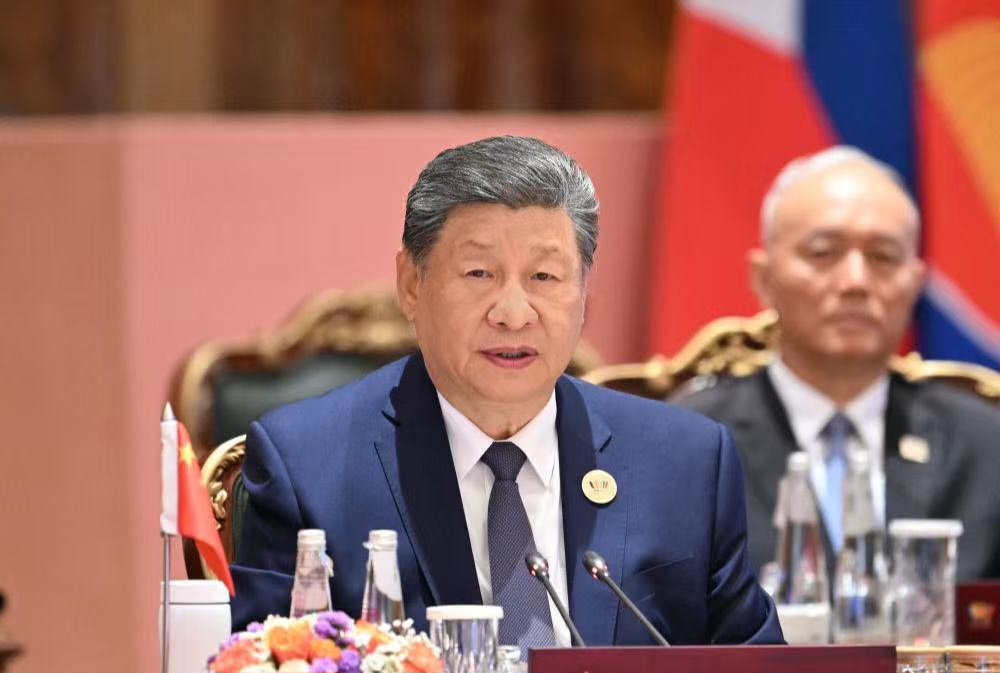
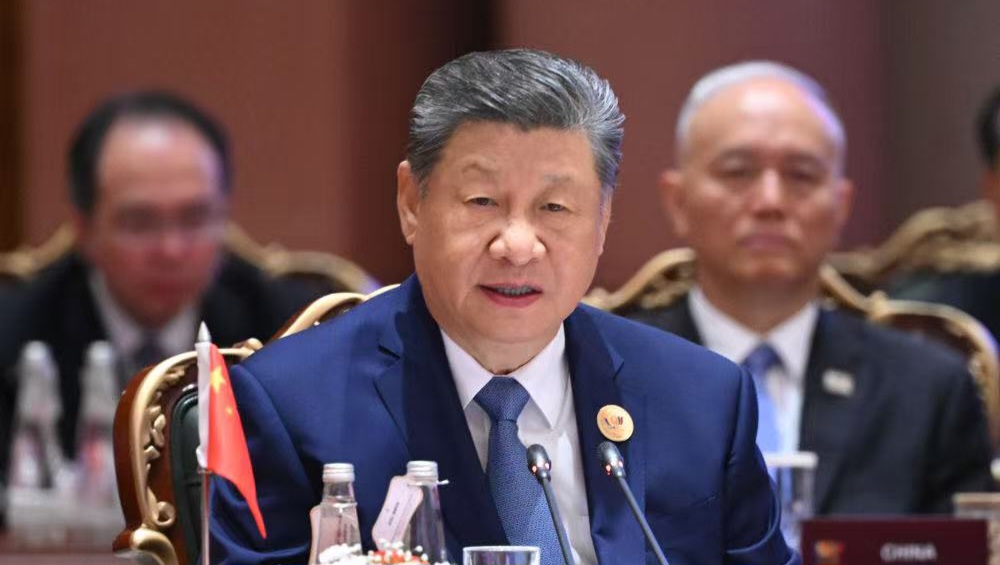






The world needs a stable, prosperous, harmonious and interconnected Central Asia. This proposal was made by the Chairman of the People's Republic of China Xi Jinping at the first China-Central Asia summit. This initiative reflects the spirit of the times and meets the fundamental interests of all parties – both in Central Asia and in the world as a whole. It has become the basis for deepened cooperation between China and the countries of the region, the CIS press service reports.
In the run-up to the second summit, it is timely to recall the content and results of the implementation of the “Four-Point Proposal,” which China and the Central Asian states are actively implementing in practice. The successes achieved not only gave a sustainable impetus to regional interaction, but also played a significant role in changing the architecture of global governance.
Content and meaning of the "Four-Point Proposal"
Stable Central Asia.
Situated in the heart of the Eurasian continent, Central Asia plays a vital role in ensuring regional and global security. In the context of instability in the international arena, destabilization of Central Asia could disrupt global supply chains, increase the influence of extremist groups, and exacerbate the energy crisis. The stability of the region is the cornerstone of peace and security on a global scale.
Prosperous Central Asia.
Central Asia is rich in natural resources and has significant development potential. It was here that the Belt and Road Initiative was proclaimed. The region’s energy resources ensure the stability of global energy supplies, its agriculture contributes to food security worldwide, and the aspirations of the region’s 70 million people for a better life are a powerful internal engine of development.
Harmonious Central Asia.
Good neighborly relations based on mutual respect and support are important both among relatives and neighbors and among states. The goal of the peoples of the region is to build Central Asia in the spirit of unity, cooperation, tolerance and mutual assistance. This requires respect for each other's sovereignty, opposition to external interference, a joint fight against the "three forces of evil" (terrorism, extremism and separatism), and joint work to build a peaceful community.
Interconnected Central Asia.
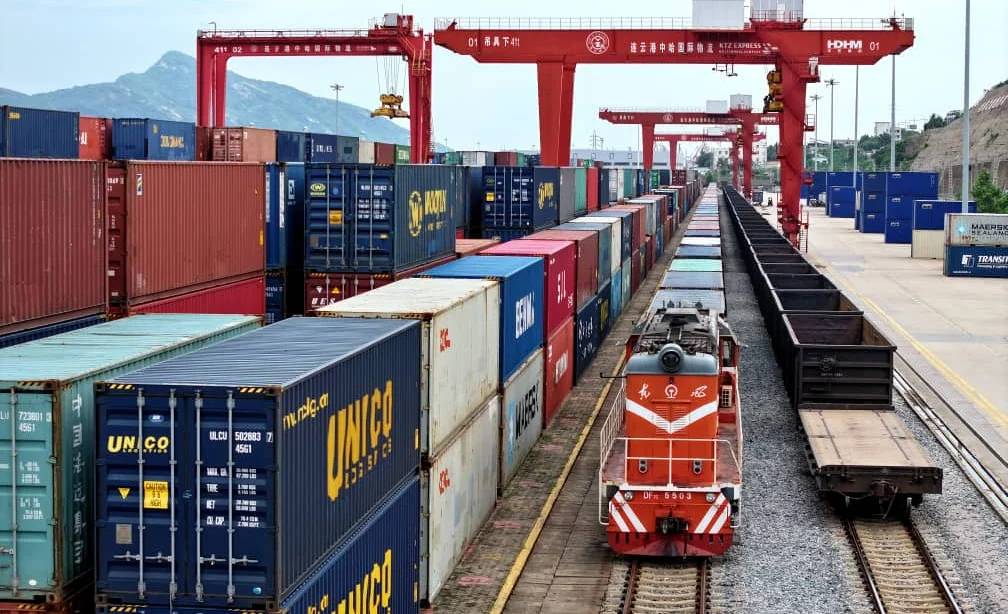
Due to its strategic geographical location, Central Asia acts as a natural bridge between East and West and is becoming a key hub of interaction within the Eurasian continent. The implementation of major infrastructure projects – such as the China-Europe express railways, the Chinese-Kazakh logistics base in Lianyungang, oil and gas pipelines, auto tunnels and others – contributes to the improvement of regional infrastructure, improves the standard of living of the population and strengthens the sustainability of production and logistics chains throughout Eurasia.
Fruitful practical results of the initiative implementation
In recent years, through active diplomacy at the head of state level, China and Central Asian countries have achieved a high level of mutual trust, which has become the basis for comprehensive and fruitful cooperation. A comprehensive strategic partnership has been established, the joint construction of a community with a shared future for mankind has begun, and numerous cooperation documents have been signed under the Belt and Road Initiative.
At the video summit dedicated to the 30th anniversary of the establishment of diplomatic relations between China and Central Asian countries in 2022, the establishment of a community with a shared future for China and Central Asia was announced, which served as the basis for the formation of a permanent cooperation mechanism. The first China-Central Asia Summit held in 2023 was a significant step in the institutionalization of China-Central Asia cooperation and gave new impetus to bilateral relations.
According to Serik Korzhumbayev, editor-in-chief of the Delovoy Kazakhstan newspaper, interaction between China and Central Asia has reached a qualitatively new level, characterized by high mutual trust. The parties have developed a new model of political relations, while practical cooperation has brought tangible benefits to the peoples of the region and the entire world.
Key achievements over two years
Cooperation in trade, economic, investment and energy spheres.
China has become the largest trading partner of all five Central Asian countries. By the end of 2024, the volume of mutual trade reached a record high of 94.8 billion US dollars, which is 206 times more than at the initial stage of establishing diplomatic relations. At the same time, the total volume of China's direct investment in the region exceeded 17 billion US dollars, and the total value of completed projects amounted to more than 60 billion dollars.
Energy partnership and green transformation.
As part of the joint construction of the Belt and Road Initiative, China is actively aligning its actions with national development strategies such as Fair Kazakhstan and the National Development Strategy of Tajikistan until 2030. The focus is on joint projects in the oil and gas, mining and energy sectors. In addition, green energy sectors are actively developing: hydrogen energy, renewable energy sources, electric vehicles, etc. The example of Uzbekistan is particularly indicative, where large-scale solar energy and energy storage systems projects are being implemented with China's participation, which contributes to the green transformation of the economy and strengthening energy stability. These projects have received high praise from the President of Uzbekistan Shavkat Mirziyoyev.
Transport connectivity.
A large-scale network of transport links has been created, covering roads, railways, air routes, oil and gas pipelines. The third stage of the North-South Highway in Kyrgyzstan and key sections of the China-Tajikistan highway are under implementation. In 2024, construction of the strategic China-Kyrgyzstan-Uzbekistan railway began. The China-Europe and China-Central Asia express trains, departing from Xi'an, Lianyungang, Chongqing and Urumqi, play a key role. As of November 2024, more than 100,000 trains had been sent, transporting goods worth about US$420 billion. The number of routes is increasing every year, and Xi'an has become the leader in China in terms of international logistics flows towards Central Asia.
Agricultural cooperation.
Chinese-Kazakh agricultural cooperation has deep traditions. In 2024, the volume of agricultural trade between the countries amounted to 1.4 billion US dollars, an increase of 10.5% compared to the previous year. At the same time, Kazakhstan's exports to China exceeded 1 billion US dollars. In November, Kazakh agricultural enterprises concluded deals with 10 Chinese companies worth about 1 billion US dollars. In addition, China is actively developing demonstration parks of agricultural technologies in the region and sending specialists in the field of selection, land reclamation and water-saving irrigation. A striking example of such cooperation was the agropark in the Syrdarya region of Uzbekistan.
Humanitarian cooperation.
Friendly relations have been established between more than 80 regions and cities, more than 10 Confucius Institutes and Lu Ban workshops have been opened. More and more Central Asian citizens are studying the Chinese language and culture. China has become one of the leading destinations for students in the region. In September 2023, the Shanghe Youth project was launched – a high-level internship program aimed at developing youth dialogue and training legal and cultural personnel. A visa-free regime was introduced between China, Kazakhstan, Uzbekistan and other countries, and the launch of the China-Central Asia tourist train has become a symbol of a new stage of humanitarian rapprochement. According to the Border Service of the National Security Committee of Kazakhstan, more than 650,000 Chinese tourists visited the country in 2024, which is 9 times more than in 2019.
Cooperation in the field of security.
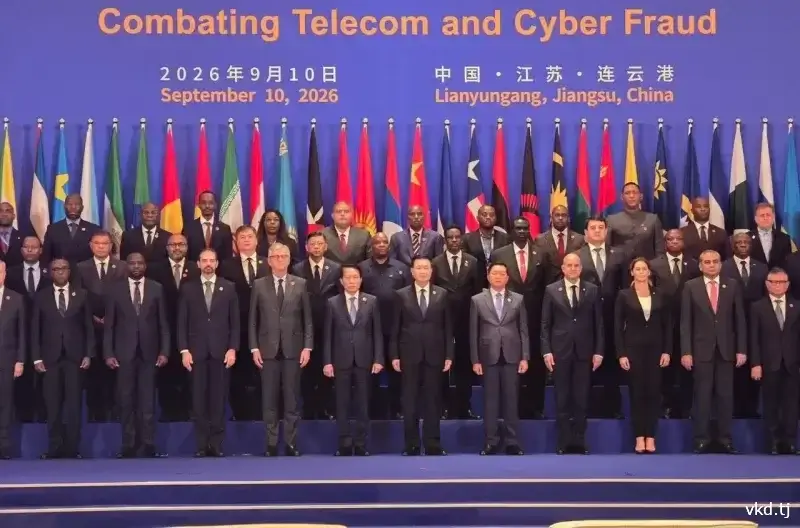
In the face of traditional and new threats, China and Central Asian countries are strengthening cooperation in counter-terrorism, defense, and law enforcement. In July 2024, joint exercises of the SCO member states entitled "Cooperation in the Fight against Terrorism – 2024" were held in Xinjiang. In September, the first meeting of the ministers of internal affairs and public security of China and Central Asian countries was held in Lianyungang. In April 2025, at the sixth meeting of the heads of the ministries of foreign affairs of the "Central Asia – China" format, an agreement was reached to expand cooperation in cybersecurity and the fight against cross-border financial crimes. The parties also agreed to create an intelligence sharing mechanism to improve the effectiveness of regional security management.
China and the Central Asian countries have a thousand-year history of good-neighborliness, friendship and cultural exchanges. Having gone through many trials, the two sides have become true friends, partners and reliable allies. Against the backdrop of the turbulent international situation, the second China-Central Asia Summit will become a new historical starting point. The implementation of the "Four-Point Proposal" will open up prospects for deepening cooperation, launching a new "golden 30 years" of partnership and jointly building a community with a shared future for mankind.