Translated with AI

































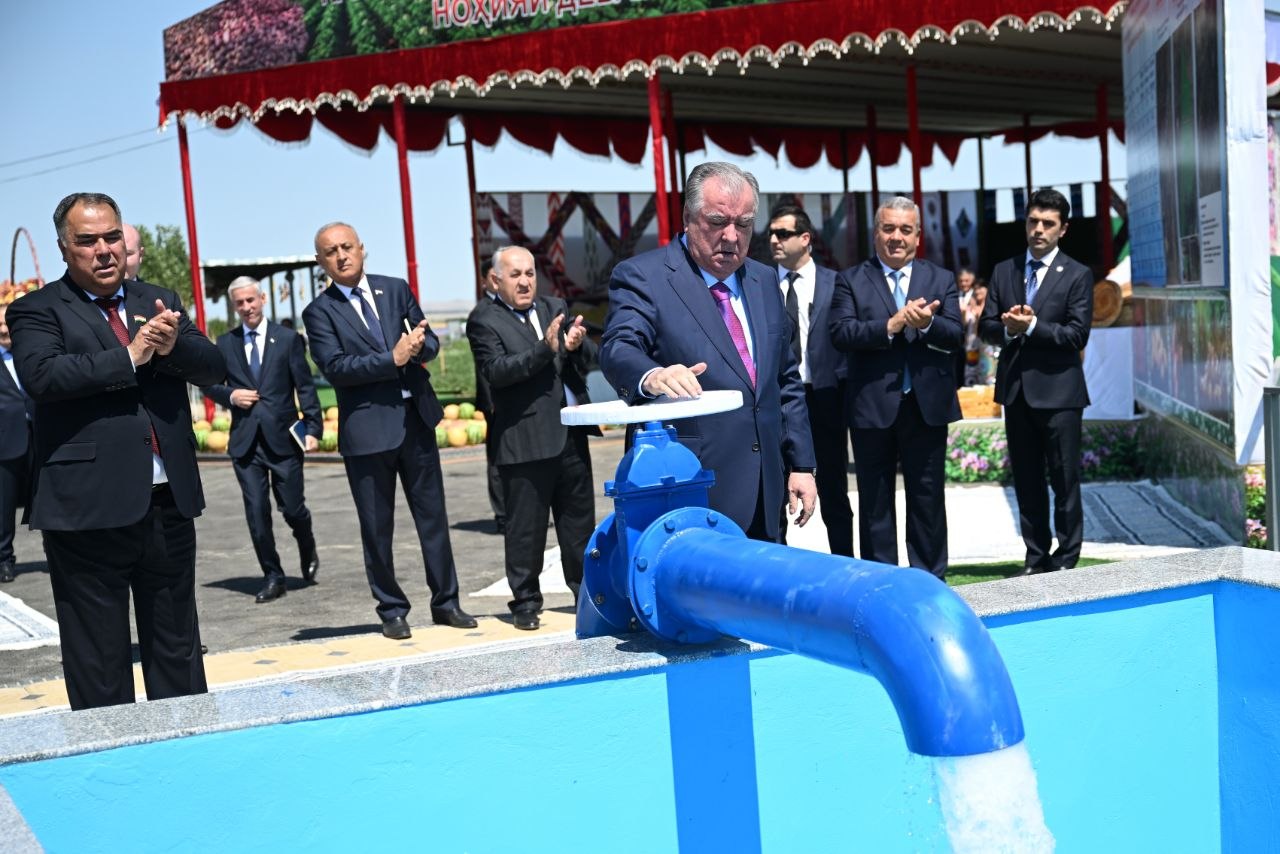
On July 7, during a working visit to the Devashtich district, Tajik President Emomali Rahmon inaugurated a new 12-kilometer irrigation line in the village of Dalyoni Bolo. This was reported by the presidential press service.
With the launch of the new line, the potato planting area is planned to increase to 800 hectares. This is expected to pave the way for the future production of over 200,000 tons of agricultural produce.
The project was implemented with funding from the Executive Authority of State Power of the Sughd Region.
The irrigation line supplies water from the Sharshara area. Its sources are high-mountain glaciers and pure mountain springs. The water is transported 12 kilometers through 400-millimeter diameter pipes.
At the same time, a special water storage tank was built. This made it possible to implement a modern water storage and regulation system, ensuring an uninterrupted supply.
The new system is designed to ensure stable and reliable water supply and irrigation. It should also improve service quality and provide the population with high-quality water.
During his tour of the facility, Emomali Rahmon was informed that after the new irrigation line is completed, more than two thousand local residents will be able to find permanent and seasonal employment.
Full utilization of the potential of irrigated lands, as noted during the visit, creates conditions for increasing the production of potatoes and other agricultural products. This is also seen as a contribution to achieving one of the country's strategic goals: food security.
After the opening of the irrigation line, the President inspected the vast potato fields.
It was noted that the Devashtich region is one of the main regions of Tajikistan for potato production and annually makes a significant contribution to providing the domestic market with this food product.
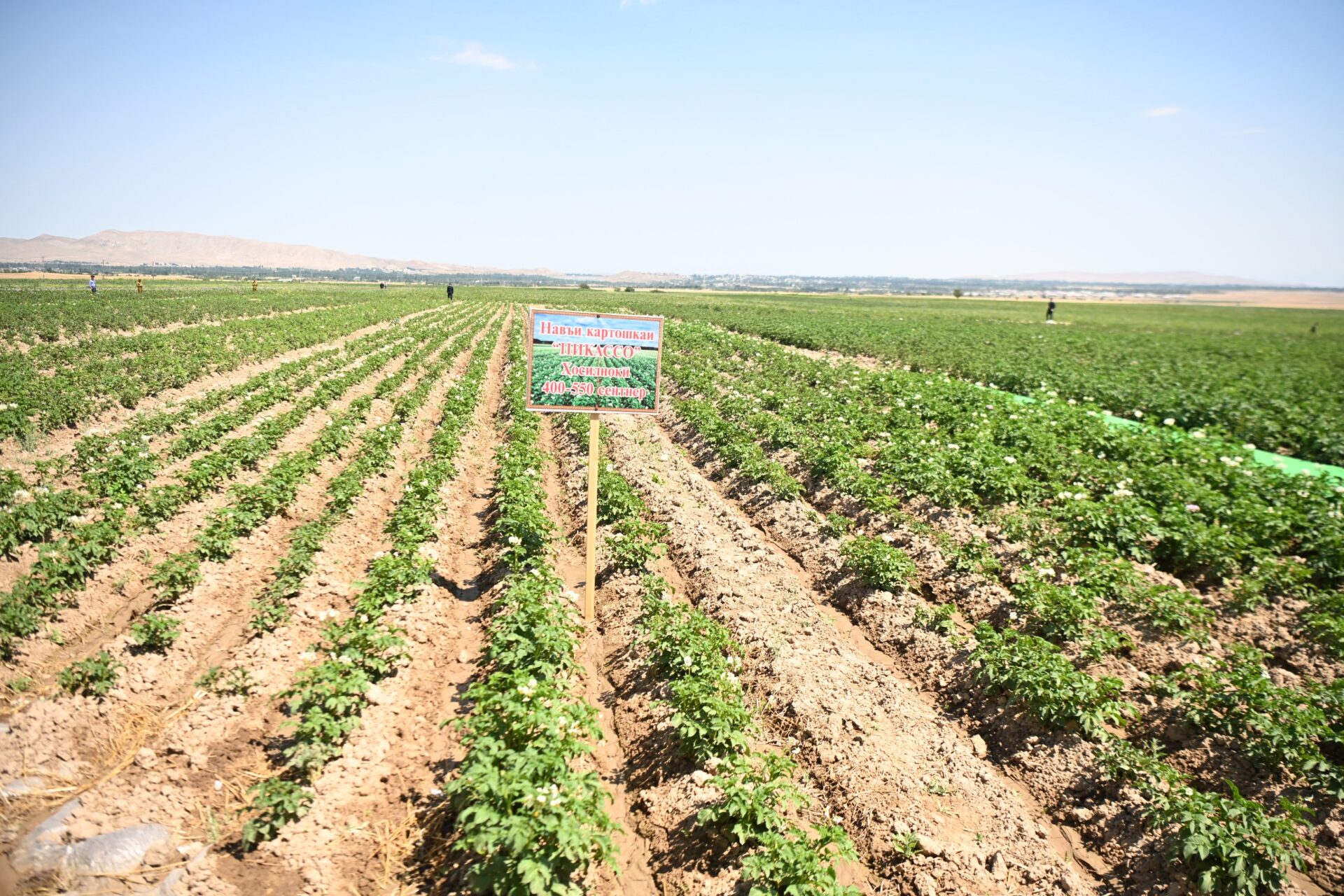
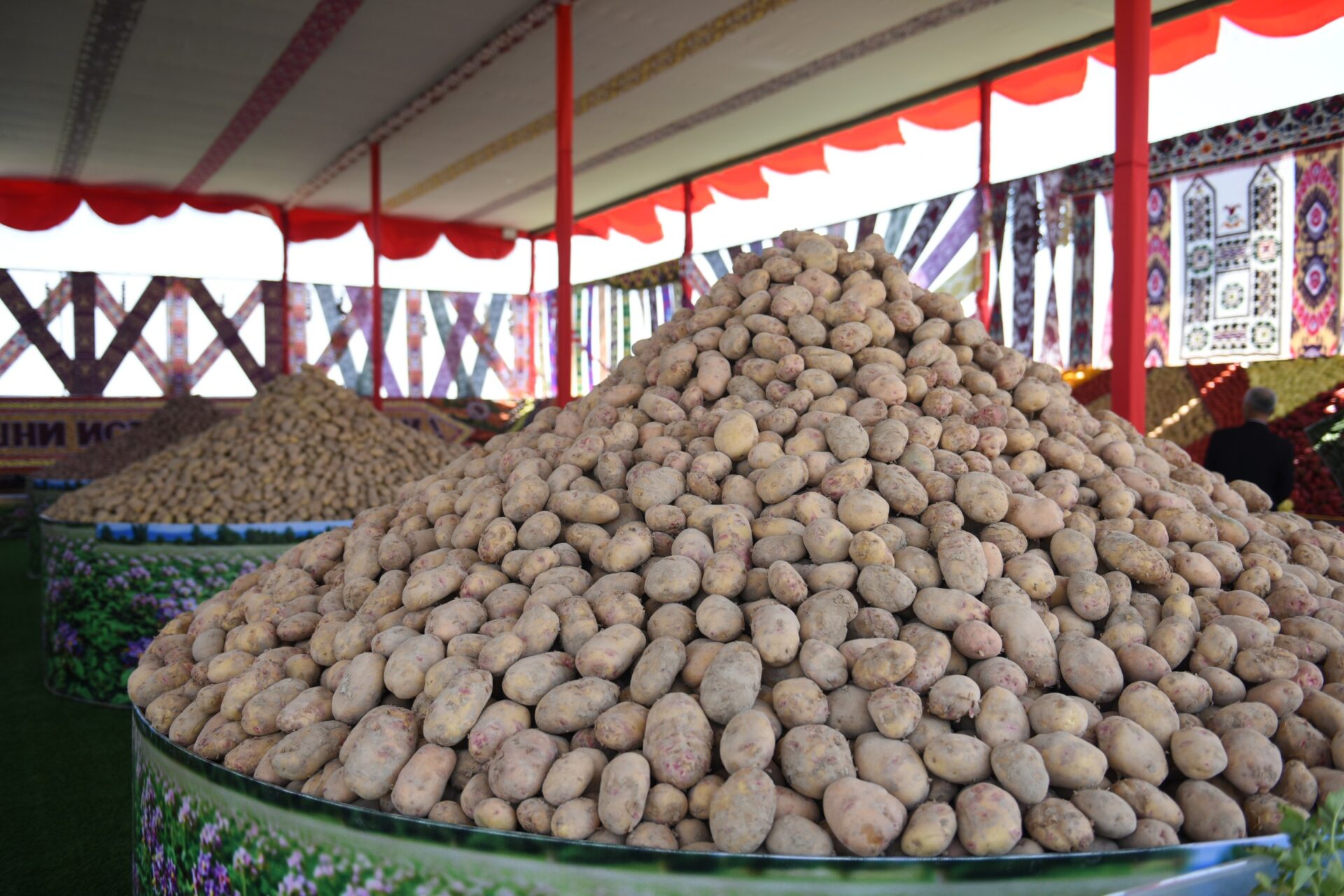
This year, potatoes have been planted across all farming systems in the district on an area of 9,200 hectares. The sowing plan has been fulfilled by more than 113%.
These indicators, as noted during the visit, testify to the sustainable development of the industry and the efficient use of the potential of agricultural land.
Emomali Rahmon ordered that the potato cultivation area in the Devashtich district be increased to 10,000 hectares. This is expected to create thousands of new jobs and expand opportunities for exporting the product abroad.
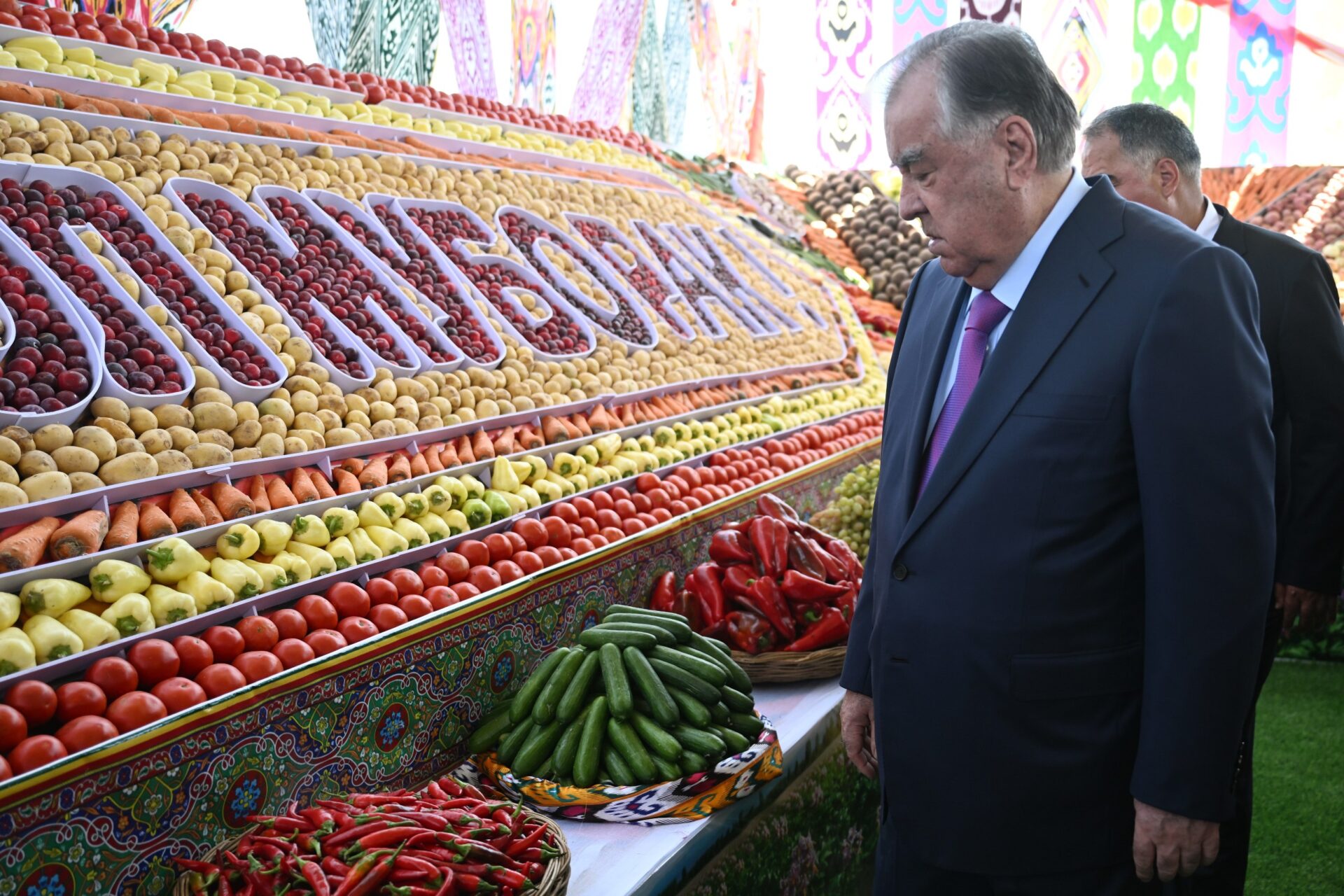
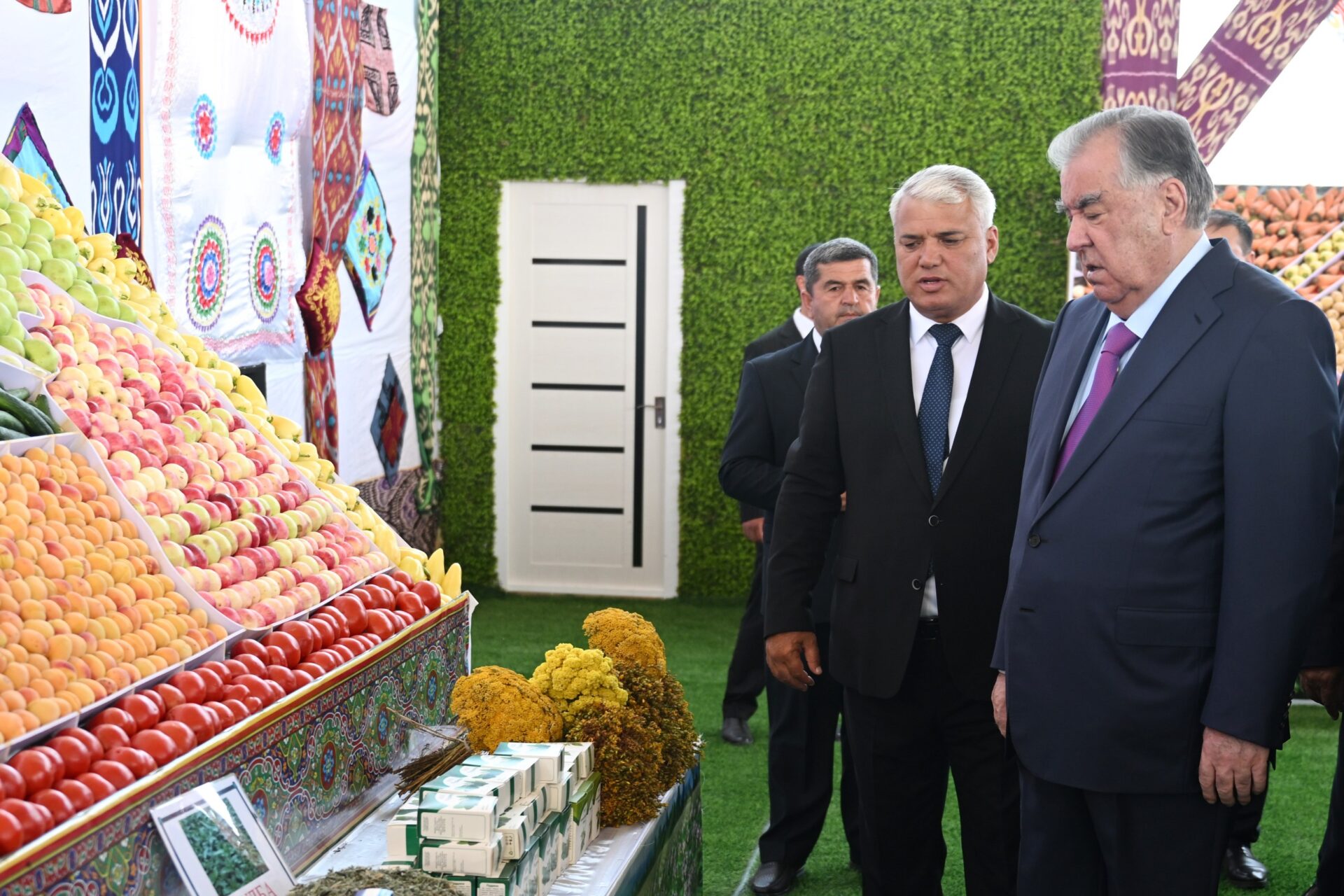
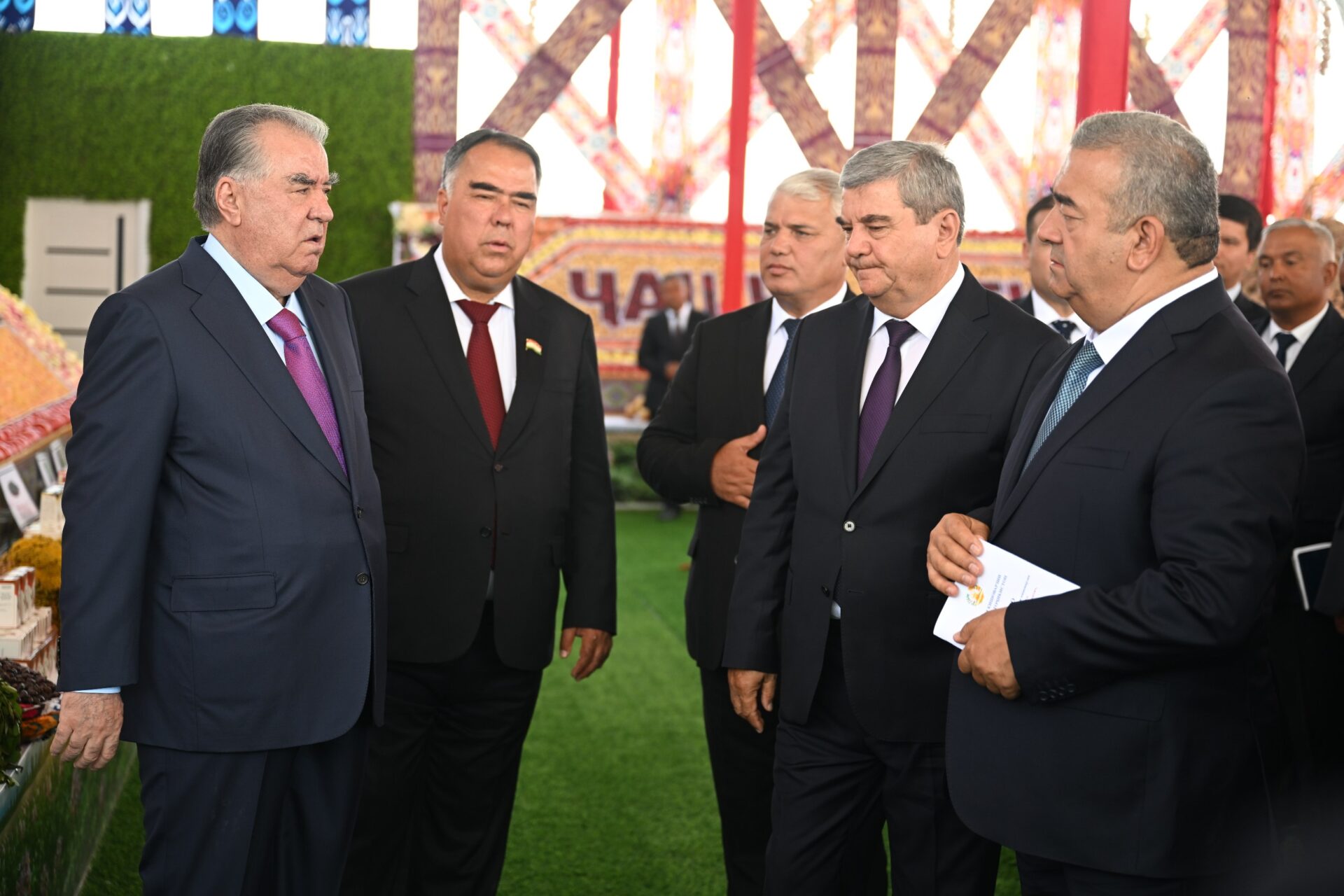
The president then visited an exhibition of agricultural products, industry machinery and equipment, folk crafts, and national dishes in the Devashtich district. He praised the farmers' efforts and the existing opportunities for the industry's development.
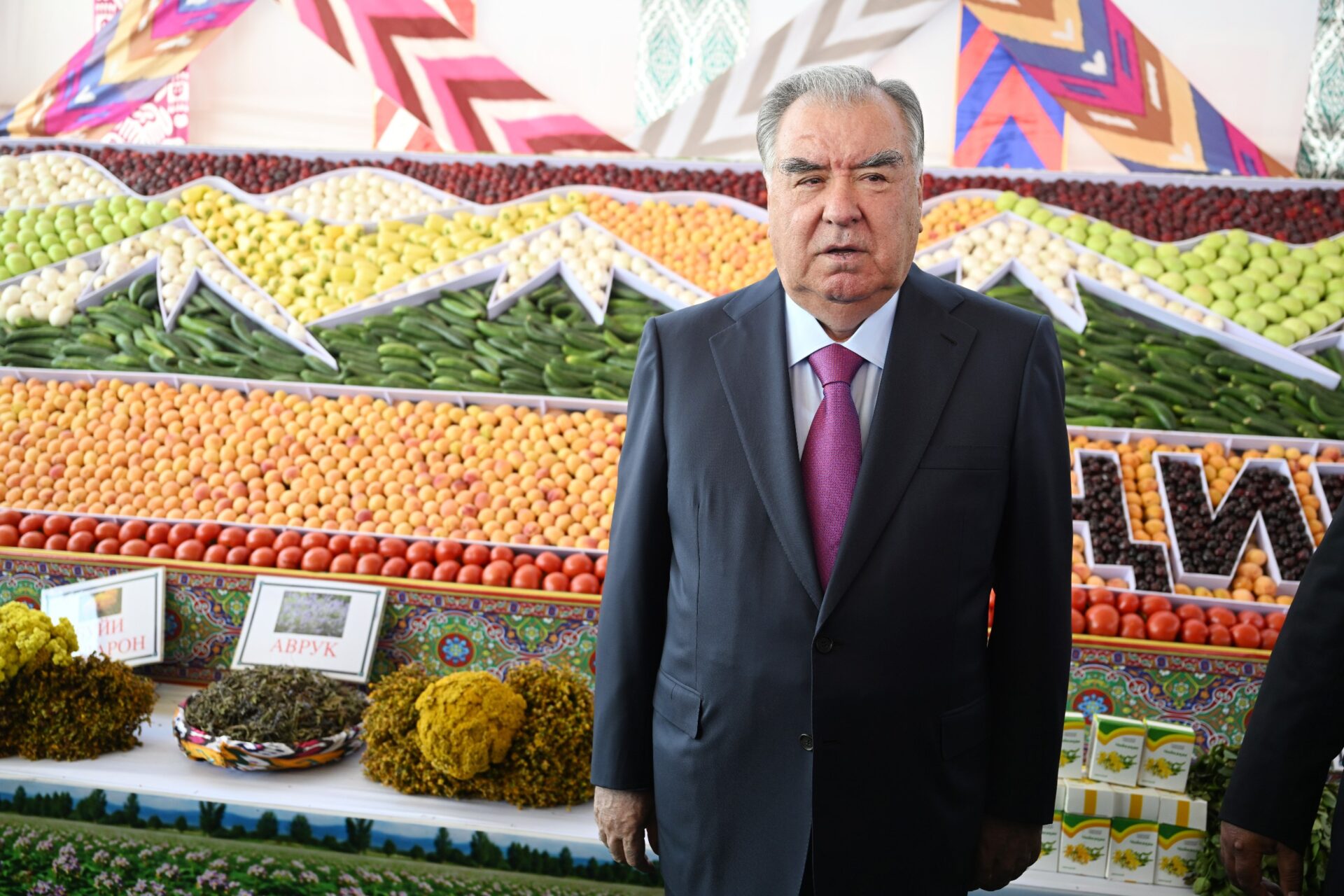
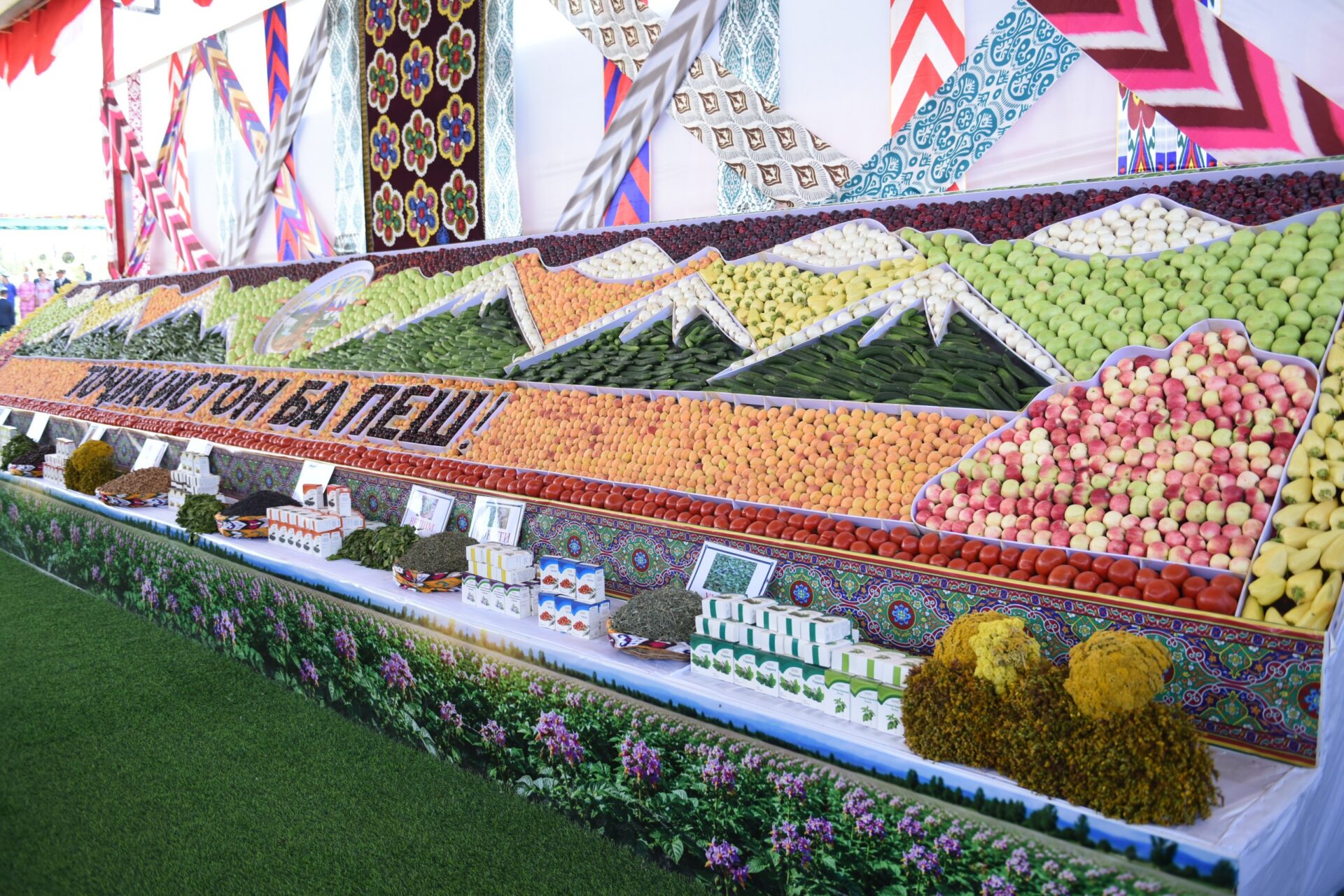
At the exhibition, agricultural producers from the region, who have achieved significant results in various areas of agriculture in recent years and rationally used water and land resources, presented the results of their work.
As of July 5 of this year, grain production in the district reached 15,540 tons, and potato production reached 9,197 tons. Compared to the same period last year, production of vegetables, melons, fruits, honey, meat, milk, and eggs also increased.
A separate corner of the exhibition was dedicated to folk crafts and national cuisine. It showcased the works of talented artisans, as well as the work of women from the Devashtich region, who create unique examples of folk art.
Traditional dishes and handicrafts lent the exhibition a special expressiveness and flavor. They reflected the rich culture, high level of craftsmanship, and long-standing traditions of hospitality of the Tajik people.
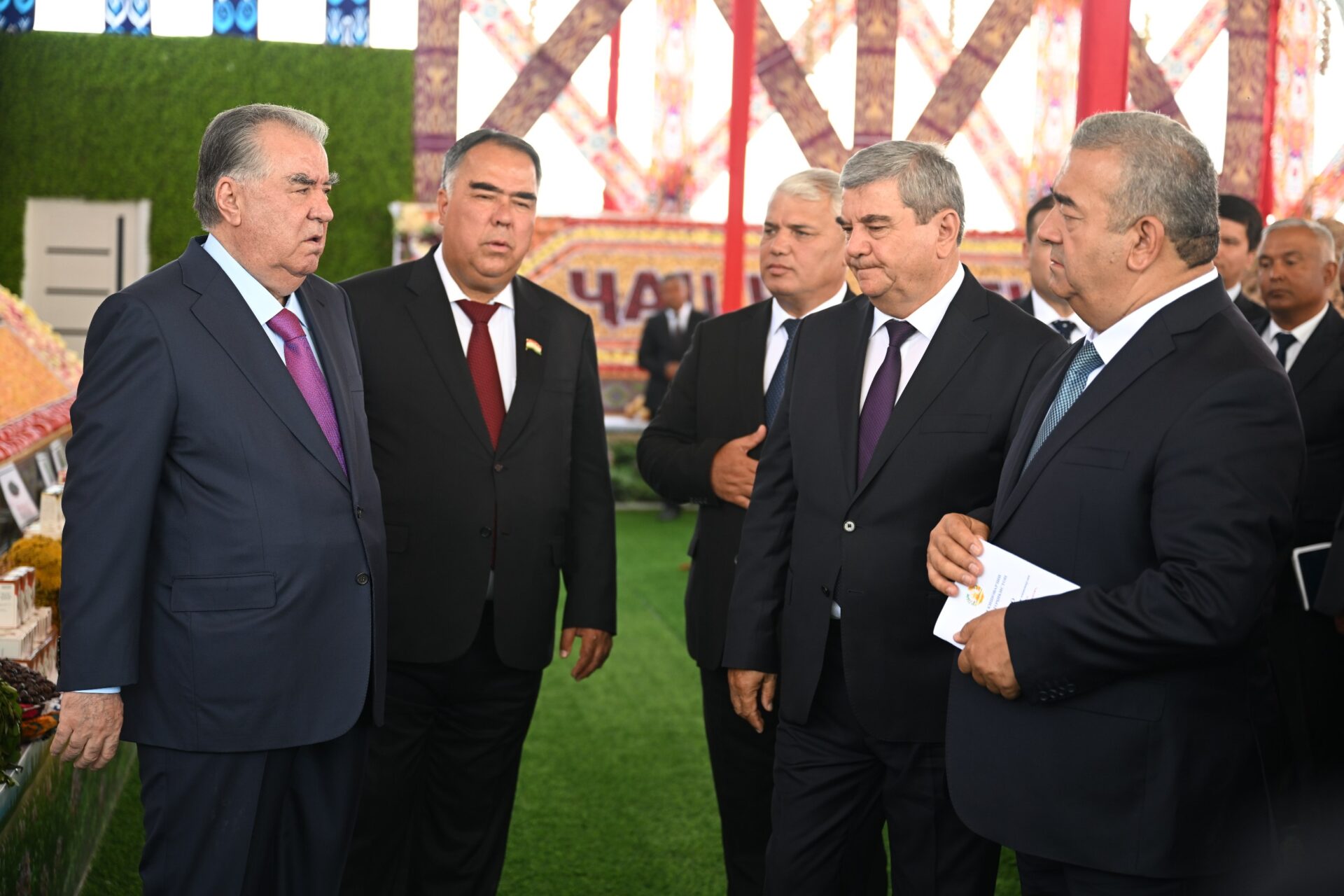
While reviewing the results of the work, farmer Emomali Rahmon gave a number of instructions to responsible officials and agricultural specialists.
In particular, the instructions concerned ensuring sufficient production and procurement of food, preparing high-quality seeds of high-yielding varieties and feed for livestock, and increasing the production potential of farms.
In addition, attention was paid to providing the domestic market with fresh and high-quality products and expanding their exports abroad.
Responsible officials were also instructed to ensure the fulfillment of the plan for sowing agricultural crops and to expand the area allocated for growing potatoes.